

What’s happening in the park right now
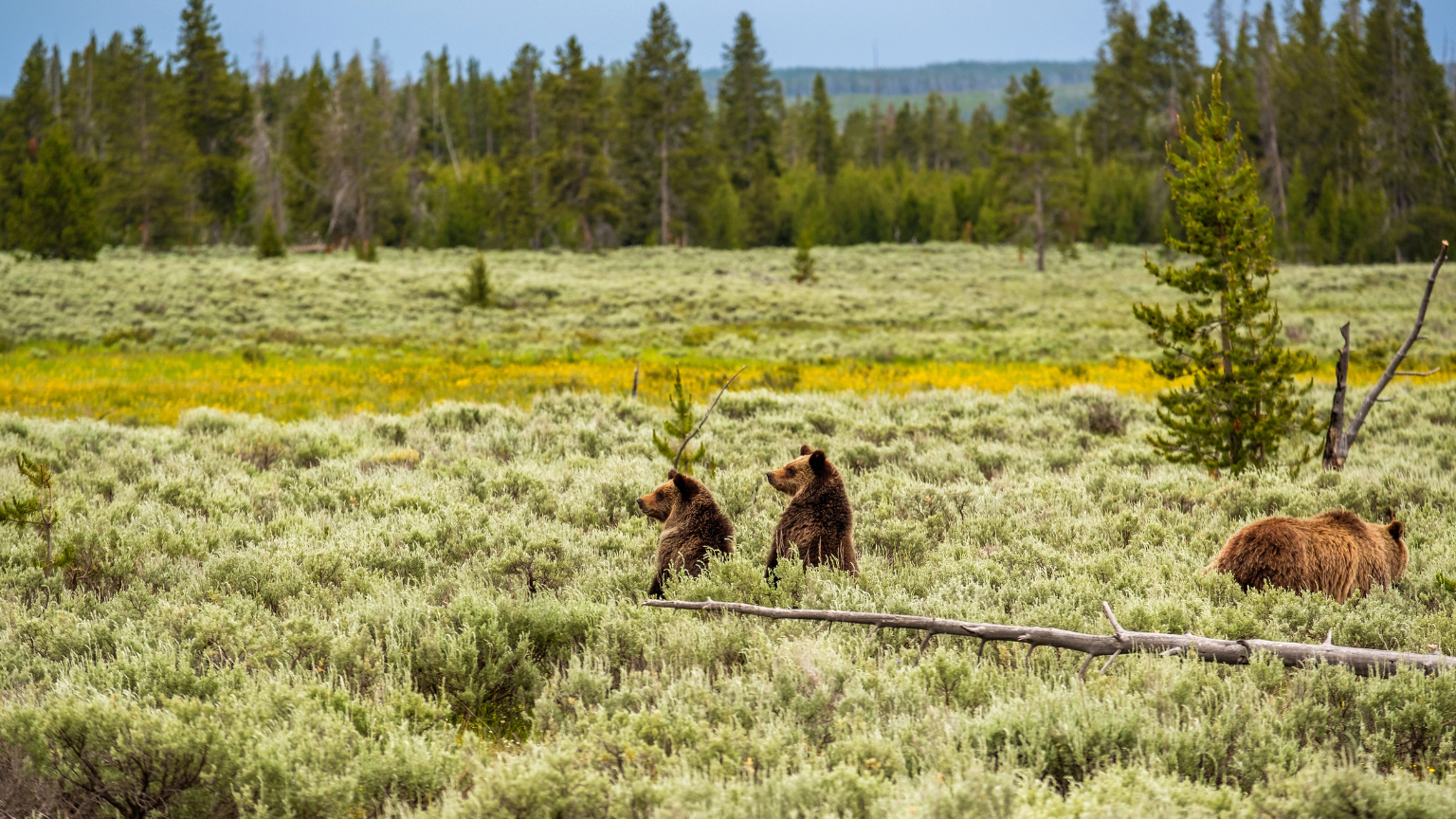
Fall is peak feeding season for Yellowstone’s bears as they pack on calories before hibernation. Normally, trained rangers and bear management staff help manage roadside wildlife sightings to keep people and animals safe. During the federal government shutdown, many of those employees are furloughed, and the system that keeps traffic moving has thinned out. The result is more frequent and more chaotic “bear jams,” long backups that form when bears appear near roads. Tour operators and local advocates say the change is visible to anyone driving popular corridors. Visitors are still coming in steady numbers, but the safety net that usually guides them is much smaller.
“The big missing piece” without resource rangers
Evan Stout, who owns Yellowstone Wildlife Guide Company and coordinates Bear Awareness Gardiner, says the lack of resource rangers is the biggest gap. He describes recent bear jams as “pretty crazy” because there is no one on site to organize traffic or enforce safe viewing. Under normal operations, a report of a roadside bear triggers a response from a ranger or bear management employee. They position vehicles, keep shoulders clear, and remind people to remain in their cars. Their presence creates space for the bear to move off naturally and keeps motorists from stopping in unsafe spots. Without that authority figure, routine guidelines are easier to ignore.
What rangers usually do at a wildlife stop
When staff respond to a sighting, they act like on-scene traffic control and wildlife safety monitors. They ask drivers not to park in travel lanes or block pullouts. They keep visitors inside vehicles and help everyone maintain a safe viewing distance. They also watch the bear’s behavior and clear crowds if the animal seems stressed or starts moving toward people. That structure reduces the risk of a close encounter and keeps roads from clogging entirely. With fewer staff available, those basic guardrails are missing at many stops.
Risky behavior is on the rise
Local photographer Jessica Hadley told SFGATE that bear jams are one of the most visible effects of the shutdown inside Yellowstone. Stout says he has watched people step out of their cars and walk toward bears in areas famous for wildlife viewing, including Hayden Valley, Lamar Valley, and Slough Creek. In one recent instance, wildlife photographer Randy Robbins documented the reverse situation. On October 2, the second day of the shutdown, he photographed a black bear approaching a line of stopped cars. The bear ran to one vehicle, looked in the windows, and placed its paws on the driver’s door. Encounters like that are dangerous for people and teach bears to approach cars, which can lead to habituation and future conflicts.
The rules visitors still need to follow
Yellowstone’s safety guidance is clear, even during a shutdown. Stay at least 100 yards away from bears, wolves, and cougars. Keep a minimum of 25 yards from bison, elk, and other wildlife. Approaching or feeding animals is prohibited. The park notes that it is illegal to willfully approach wildlife within a distance that disturbs or displaces the animal. The safest way to watch is from inside your vehicle or by using binoculars or a spotting scope from a legal pullout. If a bear appears unexpectedly, leave the area and give it room to pass.
What the Park Service is saying
Yellowstone National Park did not provide specific answers about which staff are furloughed. In an automated reply, the public affairs office directed shutdown questions to the National Park Service. NPS said that law enforcement, emergency response, and other critical functions that protect life, property, and public health remain staffed. The agency advised visitors to use extra caution and follow posted guidance. When asked again about resource rangers, a spokesperson said their earlier statement addressed the question and offered no further details. On the ground, guides and photographers say the limited staffing is evident at roadside sightings.
Staffing realities behind the scenes
While park-specific furlough counts are not public, the Park Service’s shutdown plan leaves roughly two thirds of its remaining 15,000 agency employees furloughed, about 9,300 people. That reduction compounds longer term staffing challenges. Parks are already operating with 24 percent fewer permanent staff than before the Trump administration began. Fewer trained personnel means fewer people to manage wildlife encounters, direct traffic, and educate visitors in real time. In a place as busy and wildlife rich as Yellowstone, that absence shows up quickly on the road.
Smart tips if you are visiting during the shutdown
Plan to view wildlife from pullouts and legal parking areas only, and keep your engine running if a bear is nearby so you can move if needed. Stay inside your vehicle when bears are within sight and never try to get a closer photo. Pack binoculars or a spotting scope to enjoy safe, distant views. Expect slower travel through Hayden Valley, Lamar Valley, and Slough Creek, where sightings are common. Give yourself extra time to reach trailheads or exits, and build a buffer into your schedule. Most importantly, follow posted rules and use common sense. A little patience protects you, other visitors, and the bears that make Yellowstone special.
Follow us on MSN for all your travel and lifestyle tips.
This article was written by Hunter and edited with AI Assistance