
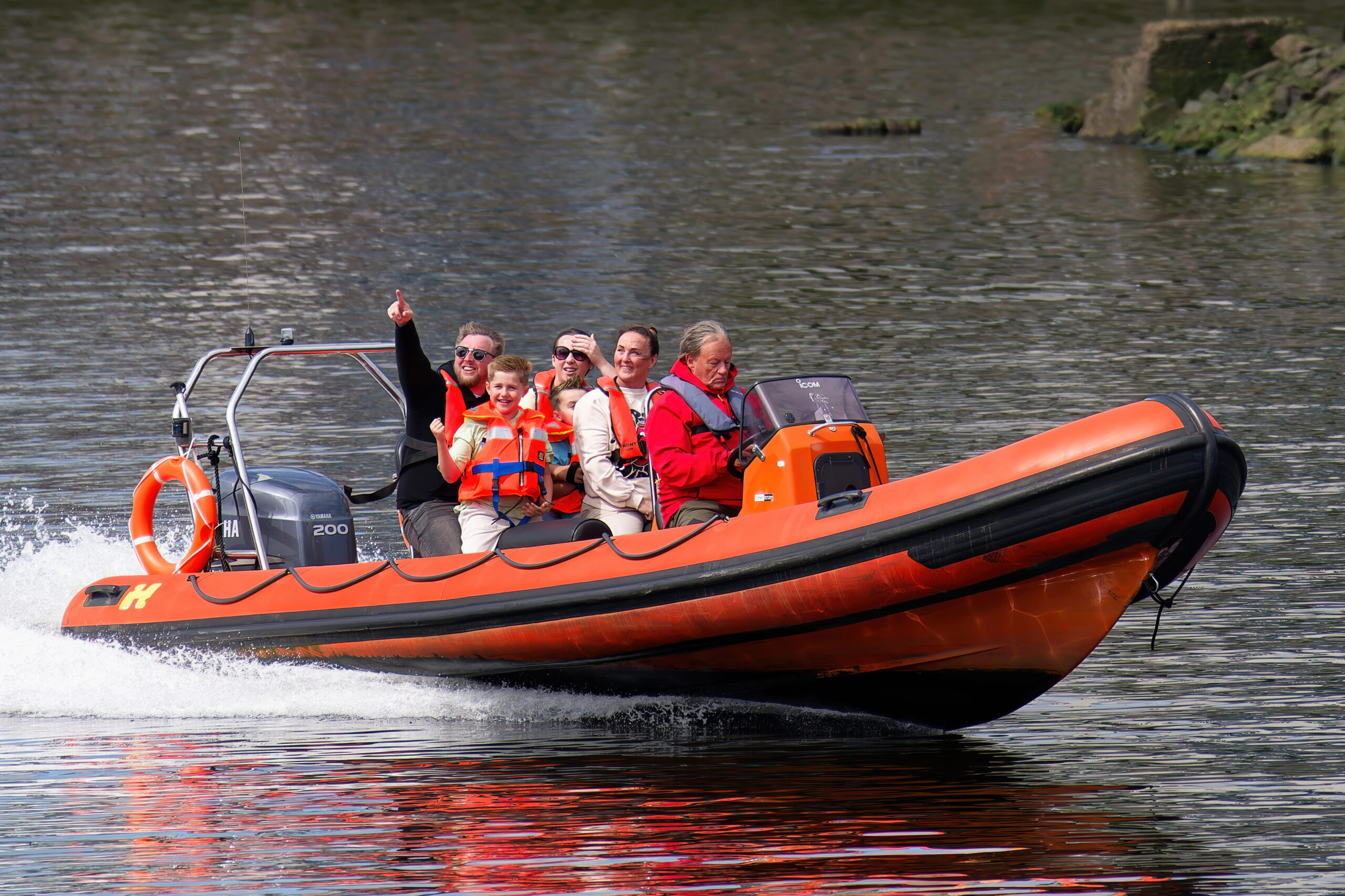

A thrilling sea safari can turn dangerous fast, as one woman learned on a boat trip in 2023. While riding a rigid inflatable boat (RIB) called the Lundy Explorer, she was thrown from her seat and left permanently paralyzed after hitting a high wave. Marine investigators pinned the accident on “inappropriate” seating, sparking new safety concerns for adventure travelers. Here’s what happened, why it matters, and how to stay safe on your next sea excursion.
The Accident That Changed Everything
On June 7, 2023, the Lundy Explorer left Ilfracombe harbor in Devon, England, for a sea safari. A passenger seated at the front was thrown out when the boat hit a sudden high wave, suffering a spinal injury that caused permanent paralysis. Despite wearing proper safety gear, the woman faced life-altering consequences. Investigators found the boat’s front jockey seats were unsafe, unable to handle the intense jolts in that part of the vessel.
Why Front Seats Are Risky
RIBs like the Lundy Explorer move fast, and their front third takes the hardest hits from waves. Jockey seats, designed for support, aren’t built to absorb these high shock loads, especially up front. This mismatch led to the passenger being dislodged, a problem seen in similar accidents across the industry. Marine experts warn that without better seat designs, travelers face real risks on high-speed boats.
Weather Played a Role
The sea turned rougher than expected that day, with wave heights catching the skipper off guard. Rapid weather changes are common on the water, but the crew didn’t adjust their route or speed in time. This highlights the need for real-time weather checks before and during trips. Travelers should ask operators about their weather monitoring plans to ensure safer rides.
Safety Briefings Fell Short
The pre-trip safety talk didn’t fully explain how to use the jockey seats or the risks of sitting up front. Passengers were left unaware of how to brace for sudden jolts, increasing their danger. Clear, detailed briefings are critical to prepare travelers for rough conditions. Always listen closely and ask questions if the crew skips over key safety details.
A Pattern of Problems
This wasn’t a one-off incident, according to marine investigators. Similar injuries have happened on RIBs, pointing to a broader issue in the adventure travel industry. Current rules don’t set clear standards for seat design or placement on high-speed boats. This gap leaves passengers vulnerable, even on well-regarded tours.
What’s Being Done About It
The company running the Lundy Explorer, now under new management, added shock sensors to monitor vibrations and improve safety. Investigators urged the Maritime and Coastguard Agency to update its safety codes, including better seat assessments for high-speed boats. They also pushed for risk checks and thorough briefings before every trip. These steps aim to prevent future accidents but need industry-wide action.
How Travelers Can Stay Safe
Before booking a sea safari, ask about the boat’s seating and safety measures. Ensure the crew provides a detailed briefing on how to sit and brace for waves. Check if the operator uses real-time weather and shock monitoring tools. If you’re seated upfront, request a spot closer to the boat’s center for less impact.
Why This Matters in 2025
Adventure travel is booming, with sea safaris gaining popularity for their thrill and wildlife views. But as 2025 brings more travelers to the water, incidents like this show the need for tighter safety rules. Operators must act fast to protect passengers, especially on high-speed RIBs. Stay informed to make smart choices for your next adventure.
Don’t let safety slip on your travels. Subscribe to The Daily Dive for the latest travel news, tips, and hacks to plan worry-free trips.
This article was written by Hunter & edited with AI assistance.