
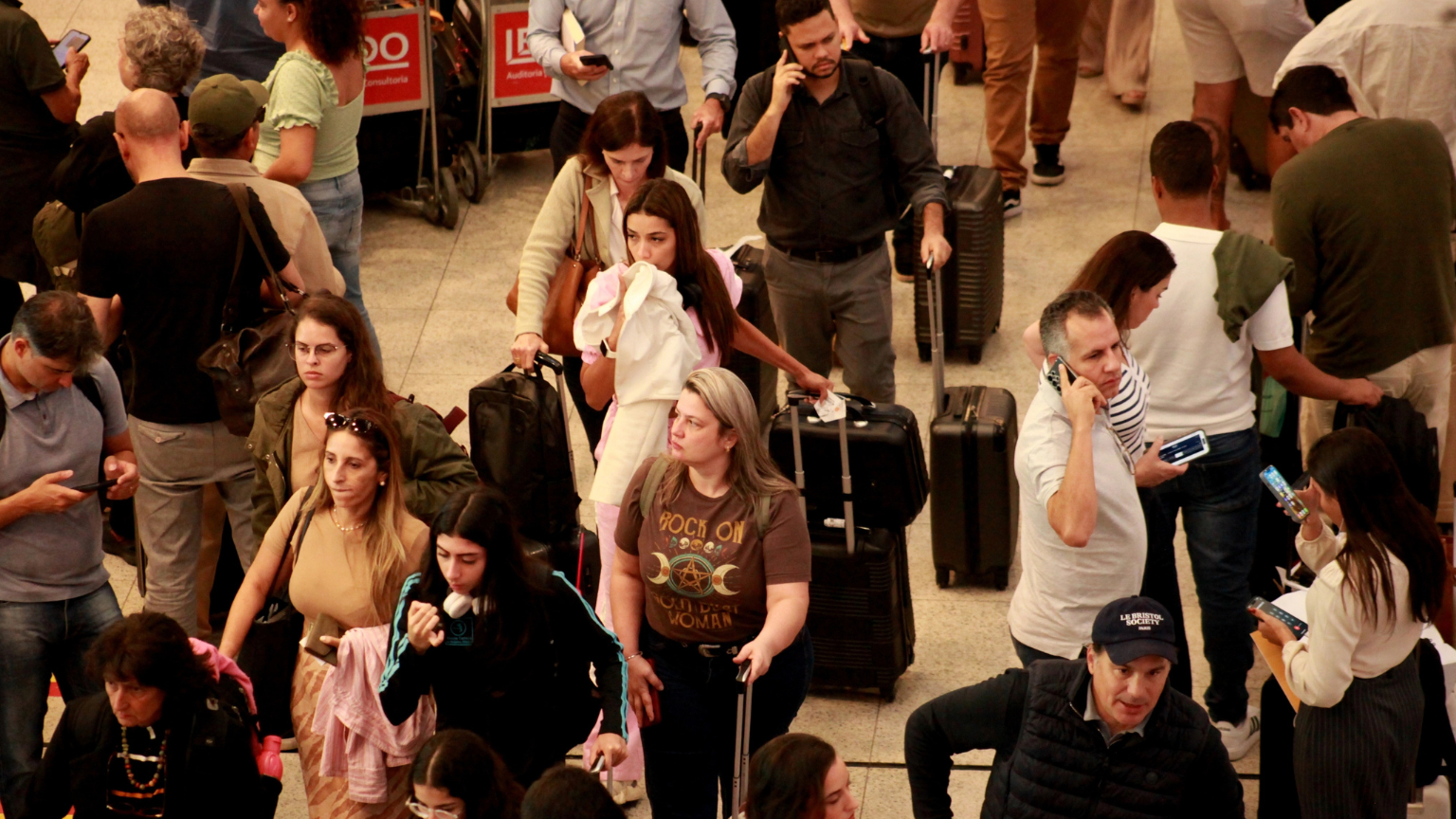

The government shutdown may be winding down, but air travel is not snapping back overnight. Federal officials are still requiring airlines to trim schedules by 10% at 40 of the nation’s busiest airports. Major carriers say most of those cuts will hit regional routes first, which means flights linking big hubs with smaller cities are most at risk. After days of rolling disruptions, the system remains off balance, and the effects are likely to stretch into the Thanksgiving rush.
What’s Driving The Flight Reductions
Even with a deal advancing in Washington, the Department of Transportation and FAA are keeping volume lower to protect safety while controller staffing remains thin. Airlines for America estimates that more than 3.5 million travelers have already been delayed or canceled since the shutdown began. Once aircraft and crews drift out of position, recovery gets complicated. Former airline executive Robert W. Mann Jr. explains that schedules cannot simply be flipped back on; planes and people must be moved to the right cities, which can take a full day or more even in the best case. Data from Cirium shows traveler confidence wobbling too, with Thanksgiving bookings slowing from early gains as the cuts took hold.
Why A Fast Recovery Isn’t Guaranteed
Think of this less like one thunderstorm over a single hub and more like a rolling, multi city disruption during storm season. As point.me co founder Tiffany Funk puts it, airports will come back online at different speeds, so airlines will not recover evenly. You cannot reboot an aviation network with a switch. Aircraft are out of place, crews are out of place, and pilots are out of place. Expect bumpy operations and fewer on time departures for at least several days, even if the shutdown officially ends.
Should You Cancel Your Thanksgiving Trip?
It depends on your flexibility and stress tolerance. Hopper’s lead economist Hayley Berg calls Thanksgiving one of the stickiest travel periods of the year because the dates are hard to shift and the stakes are personal. If you plan to fly, build in extra time and prepare for changes. Funk suggests using reward points as a safety net. Booking a backup award ticket you can cancel without penalty is a smart way to self insure right now. Also ask yourself realistic questions before you leave. Could you cover a night or two in a hotel if needed? Are you okay with a red eye or a connection through a different hub? Your answers should guide your plan.
Is Flying Still Safe With Fewer Controllers?
Yes. Transportation officials say the flight caps exist precisely to keep the system safe while facilities remain short staffed. Industry analysts point to two long standing issues that sit behind the stress you feel as a traveler. First, it takes a long time to train new controllers; you cannot simply hire and plug them in. Second, parts of the FAA’s infrastructure are outdated, which makes the network more fragile during shocks like this shutdown. In other words, the chaos is not about crews cutting corners. It is about volume and capacity, and officials are reducing flights to protect the safety margin.
How Long Until Things Feel “Normal” Again?
Not immediately. Even after a bill becomes law, there is a lag before schedules stabilize. Crews need to be re positioned, aircraft must be moved, and backlogs will take time to clear. Mann cautions that staffing gaps will persist, and some controllers have already left during the shutdown, making the shortage worse. With infrastructure upgrades still pending, a true return to pre shutdown rhythms could be months away rather than days. As JD Power’s Michael Taylor notes, the right mindset helps. Airlines want to fly. When they do not, it is because the FAA has ordered a pause for safety.
Practical Moves You Can Make Today
- Pad your itinerary. Choose earlier flights, add longer layovers, and avoid the last departure of the day when possible.
- Watch your reservation like a hawk. Turn on airline app alerts, and check the status the night before and again the morning of travel.
- Know your rights. If an airline cancels your flight, you are owed a refund to your original form of payment. Rebooking is often offered, but you do not have to accept a voucher if you prefer a refund.
- Consider nearby airports. Secondary airports sometimes recover faster or have more available seats.
- Pack for delays. Bring medications, chargers, snacks, and a change of clothes in your carry on.
- Use points strategically. Hold a backup award ticket you can cancel without penalty, especially if you are traveling on the busiest days.
Bottom Line
The 10% flight reduction at major airports is likely to ripple through Thanksgiving week. The cuts are a safety decision, and they will help keep operations controlled while staffing and systems catch up. If you need to travel, go in with flexible plans, realistic expectations, and a backup option or two. You may not get a perfectly smooth trip this year, but with smart prep you can improve your odds of arriving where you need to be with your sanity intact.
Follow us on MSN for all your travel and lifestyle tips.
This article was written by Hunter and edited with AI Assistance