

There was a time when booking a luxury hotel felt like the ultimate travel upgrade. Plush bedding, a lobby that smelled expensive, and staff who remembered your name. In 2025, that story is changing. More travelers are quietly choosing traditional guesthouses over glossy five star properties, even when they can afford either. What they want is not a bigger breakfast buffet. They want to feel like they are actually in the place they flew across the world to see.
Guesthouses are not perfect, and they are not always fancy. You might trade a rooftop pool for a courtyard with laundry lines or a family dog. Yet those small, unpolished details are exactly what make them stand out right now. When you strip away the marble and mood lighting, guesthouses often deliver what luxury hotels struggle to imitate. Real proximity to local life, real conversations, and the sense that your stay actually matters to someone who lives there.
You Wake Up Inside the Neighborhood, Not Above It
Luxury hotels are often set apart. They sit behind gates, on private beaches, or on top of busy streets where the local world is something you watch from above. Traditional guesthouses drop you right into the neighborhood. You step out the front door and you are immediately in the middle of daily routines. Kids going to school. Neighbors chatting. Vendors setting up their stalls.
In a guesthouse, your morning might start with the sound of church bells, a call to prayer, market chatter, or a rooster, depending on where you are. The walk to the nearest café or corner shop is part of the experience rather than a trip through a lobby and past a security barrier. The surroundings are not curated for you. They simply exist, and you get to be a small part of them for a few days. That closeness feels far more authentic than an elevated view from a tower.
Real Hosts, Real Stories
Luxury hotels train staff to deliver impeccable service, but that polish can also create distance. Conversations follow a script. Smiles are professional. Your stay is one booking in a long list of reservations.
Guesthouses flip that dynamic. In many traditional places, the owner or their family lives on site. They check you in, cook your breakfast, and might be the same person who recommended a restaurant earlier. You are not just a room number. You are someone they notice at the table, someone whose preferences they start to remember by day two.
Those small human details matter. A host might sit down with a pen and paper and sketch out a walking route that avoids the worst crowds. They might share a story about how the house was built or what the area was like before tourism arrived. You start to understand the place in a way that no polished hotel welcome drink can replicate.
Architecture That Belongs to the Place
Luxury hotels tend to look like each other. Different logos, similar layouts. You know the lobby style, the lighting, the bathroom design before you even arrive. That consistency is comforting for some travelers, but it also blurs the sense of where you are.
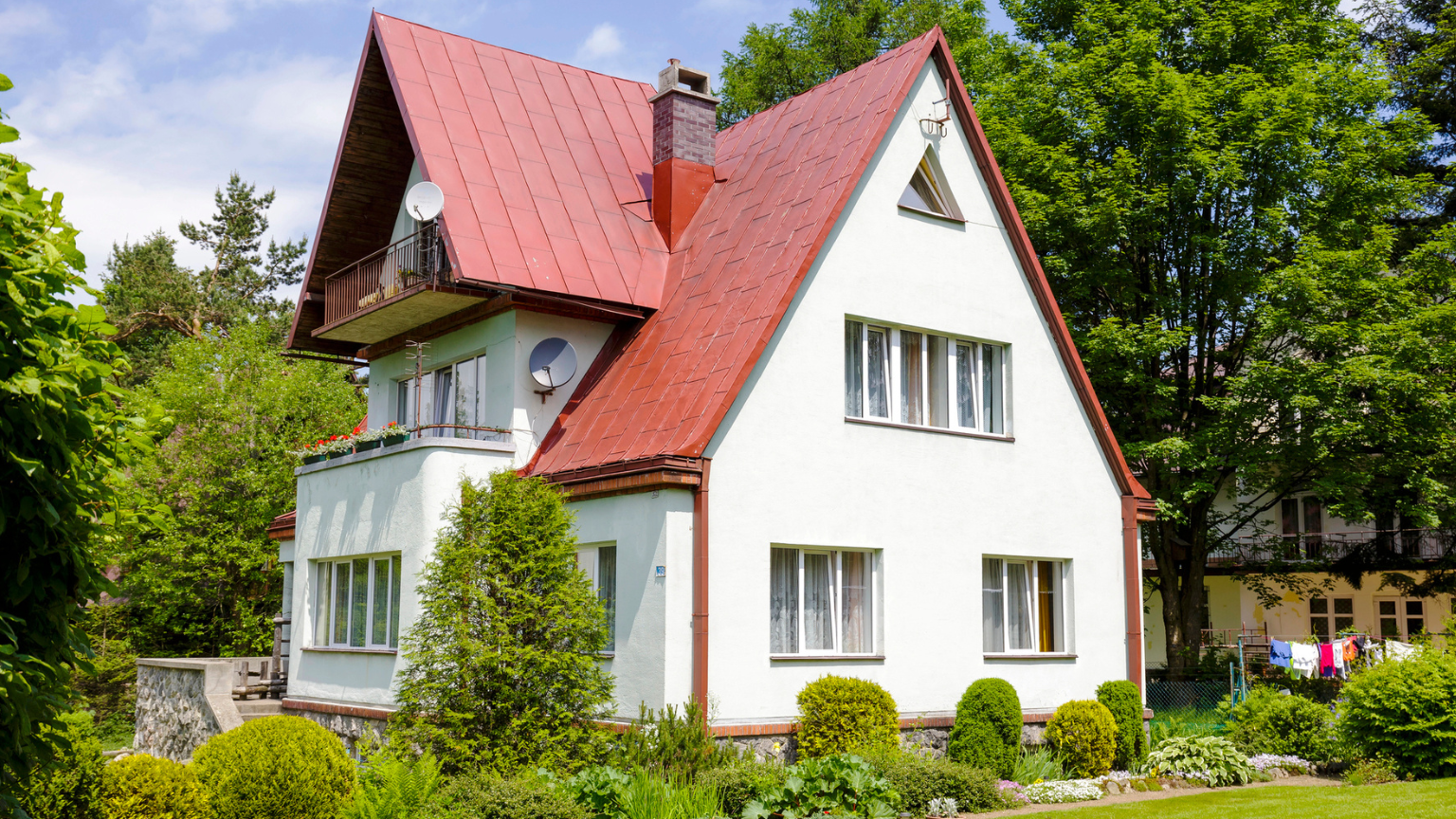
Traditional guesthouses usually grow out of existing homes, riads, ryokans, ryads, pensions, pousadas, or small inns that were built for local families, not brands. Thick stone walls keep out summer heat. Courtyards collect evening breezes. Wooden balconies look out over lanes or gardens that have been there for decades. You see local materials on display. Tiles that match nearby houses. Rooflines that echo the whole street.
Staying in a guesthouse means living inside the local architecture instead of looking at it from across the road. You start to notice how windows are placed to catch light, how doors open onto shared spaces, and how the building reflects climate and culture. The house becomes part of the story you tell about the trip.
Food That Tastes Like Someone Cares
Hotel breakfast buffets are huge, but they often feel like they could be anywhere. Same cereals, same pastries, same scrambled eggs under a lid. Traditional guesthouses rarely have that kind of scale, which turns out to be their advantage.
Breakfast might be fresh bread from the bakery on the corner, homemade jam, a local cheese, or fruit from a nearby market. In some places, the host cooks family recipes that rotate daily. You might get lentil soup one morning, pancakes or crepes the next, or a local specialty you have never heard of before.
Because the kitchen is small, the food feels personal. You notice when someone brings out extra coffee without being asked, or when they remember that you prefer savory over sweet. You learn what locals actually eat rather than the international hotel standard. It may not look as impressive on a buffet table, but it often tastes far more connected to where you are.
Flexible and Human, Not Just Policy Driven
Big hotels run on systems. They have policies, rules, and corporate standards that keep everything running smoothly. That structure is necessary when you are managing hundreds of rooms, but it can also make simple requests feel surprisingly hard. Late checkout, laundry questions, early breakfasts, or small changes often bump into the limits of “company policy.”
Guesthouses have fewer layers between you and the person who can say yes. Need to arrive late because your train is delayed. You message or call and talk directly to the owner. Want to leave your bag for a few extra hours while you explore. They often wave a hand and say “no problem.” These small touches are not guaranteed, but they are common because decisions are local and personal.
That human flexibility makes you feel like a guest, not just a customer. It also means your feedback matters. When the person who greets you is the same person who reads your message and adjusts the breakfast time, you feel the difference.
Your Money Stays Closer to the Community
One of the quiet reasons guesthouses feel more authentic is that they are usually more deeply rooted in the place. When you pay for your room, a larger share often stays in the local economy. Owners pay local staff, order from nearby markets, hire neighborhood tradespeople, and recommend restaurants that belong to friends and relatives.
Luxury hotels can also employ local workers, and many do. But profits and decisions often flow to distant headquarters. Room rates help maintain brand standards worldwide, not just the neighborhood outside the door. For travelers who care about supporting the places they visit, this difference matters more every year.
When you stay in a family run guesthouse, you often see exactly where your money goes. You might notice new plants in the courtyard, fresh paint on the gate, or hear about a child starting school. That connection turns the idea of “travel spending” into something more personal and grounded.
Comfort Without the Bubble
There is a common worry that choosing authenticity means sacrificing comfort. That might have been true once, but many guesthouses today have quietly upgraded where it counts. Wi Fi, decent mattresses, air conditioning or fans where needed, and hot showers are increasingly standard, even when décor remains simple.
What you usually lose is the bubble. There may not be a spa, room service menu, or a full time concierge. You might hear street noise, church bells, or morning markets instead of the hush of a soundproofed corridor. For many travelers, that trade feels worth it. You give up some polished services and gain something more memorable.
The key is choosing carefully. Reading recent reviews, checking photos, and understanding exactly what is and is not included helps you match your expectations to the place. When you get that right, a guesthouse can feel like the perfect middle ground between homestay and hotel.
How to Choose the Right Guesthouse for You
Not every guesthouse is charming. Some are tired, some are disorganized, and some lean too hard into the “like home” idea without offering basic comfort. A little research goes a long way.
Look for places where reviewers mention the hosts by name and talk about specific helpful moments rather than generic “great service” comments. Pay attention to notes about noise, cleanliness, and location so you are not surprised when you arrive. Check whether breakfast is included, whether bathrooms are private or shared, and how easy it is to reach the property by public transport or taxi.
If language is a concern, see what guests say about communication. Many hosts now use messaging apps or platforms to stay in touch before and during your stay, which can be reassuring. Above all, pick a place that feels like a good fit for your own comfort level. Some people want chatty hosts and shared tables. Others prefer more privacy with the occasional helpful tip. There is room for all of that in the guesthouse world.
Why This Shift Is Not Just a Trend
The rising appeal of traditional guesthouses is not only about nostalgia. It reflects a deeper change in what people want from travel. After years of identical hotel rooms and heavily marketed “experiences,” travelers are craving something that feels more grounded and less staged.
Guesthouses are meeting that need simply by doing what they have always done. Opening their doors, sharing their homes and neighborhoods, and treating guests as temporary members of the household rather than VIPs in a bubble. Luxury hotels still have their place, especially for special occasions or trips where you genuinely want full service and total privacy.
But if your main goal is to feel the texture of a place, to hear local voices, to smell what is cooking in nearby kitchens and to understand the rhythm of daily life, traditional guesthouses are quietly winning. Not because they are perfect, but because they are real.
Follow us on MSN for all your travel and lifestyle tips.
This article was written by Hunter and edited with AI Assistance