
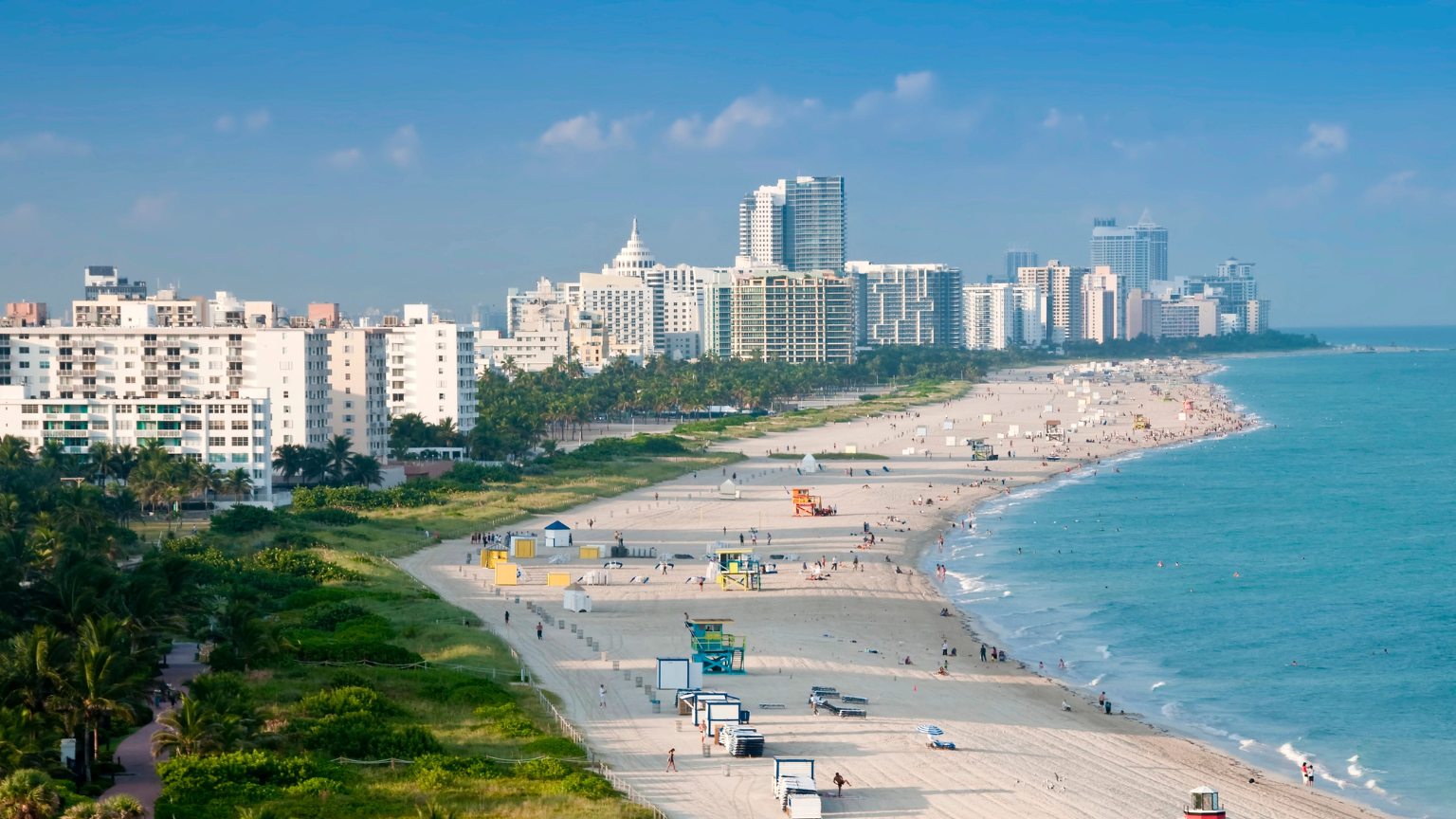

For years, Florida felt like the final stop in the American migration story. People sold their snow shovels, chased the promise of lower taxes and sunshine, and flocked to the coasts and master planned communities from Miami to Tampa. In 2025, that story looks very different. Insurance bills are exploding, housing is no longer cheap, and the risk of hurricanes, flooding, and relentless heat feels heavier than it did a decade ago. Florida is still gaining residents overall, but by far smaller margins than during the pandemic boom, and a growing number of people are quietly packing up and heading out.
Moving trucks that once streamed into Florida are now just as likely to be loading up in Tampa, Miami, and Cape Coral and pointing north or west. Some former Floridians are chasing cooler summers and lower insurance premiums, while others simply want a slower pace and a more affordable life. In 2025, moving data shows Georgia, the Carolinas, Tennessee, and a growing list of Midwest and Mountain West states all taking in thousands who once believed Florida would be their forever home.
Rising Insurance and Housing Costs Are Squeezing Locals

If you ask people why they are leaving Florida, insurance almost always comes up first. Homeowners in disaster prone parts of the state have seen premiums soar far faster than the national average, and some major insurers have pulled out of the market altogether. That leaves homeowners scrambling for coverage through smaller companies at much higher prices or turning to the state backed Citizens program as a last resort. Add in rising property taxes, higher HOA fees, and spiking car insurance, and the “affordable” lifestyle many newcomers expected has vanished.
Housing has not provided much relief. During the pandemic boom, prices in places like Cape Coral and parts of southwest Florida jumped dramatically, and even though values are now starting to slide, many owners are stuck with high payments and homes that are harder to sell. In fast growing metros like Tampa Bay, local agents say the cost advantage over other big cities has mostly disappeared, which helps explain why net migration into the region has dropped. For families on normal incomes, it is easy to look at a renewal notice, compare it with another state’s numbers, and decide it is time to start over somewhere else.
Storms, Flood Risk, and Relentless Heat Are No Longer Worth It

Florida’s weather has always been part of the bargain, but the bargain has changed. Recent years brought powerful hurricanes, flooding in neighborhoods that had never seen water before, and more days where heat and humidity feel extreme even by Florida standards. Many transplants who moved during the pandemic boom now admit they underestimated how exhausting the heat would be and how stressful it feels to brace for hurricanes every season.
At the same time, updated flood maps and stricter building standards have forced some homeowners to raise homes, pay for costly mitigation work, or accept that their property will be harder to insure and sell. That risk is especially obvious in coastal counties like Miami Dade and parts of southwest Florida, where real estate markets that once felt unstoppable are suddenly wobbling. For many families, the calculation is simple. If you can enjoy warm weather in the Carolinas, Texas Hill Country, or New Mexico without the same hurricane and flood exposure, moving starts to feel like the smarter choice.
The Florida Dream Feels Crowded and Tiring for Some

Florida is still a magnet for retirees and remote workers, but the day to day experience is not always the vacation people pictured. Rapid growth has meant more traffic, longer waits at doctors’ offices, and congested roads that feel busy nearly year round in tourist heavy areas. Many residents complain that their favorite beach spots and downtown districts now feel more like a theme park than a hometown.
The rush of new construction also created its own frustrations. Some communities are ringed by new subdivisions and apartment complexes that went up quickly during the boom, leaving locals with noise, construction traffic, and a constant sense of change. When you combine that churn with high costs, the appeal of quieter college towns, mountain communities, and mid sized cities in other states becomes easier to understand. People who once bragged about escaping the rat race in New York or Chicago now talk about escaping the same feeling in Florida.
Georgia: A Familiar Lifestyle With Lower Costs

For many leaving Florida, Georgia feels like the easiest next chapter. It is one of the top destinations for former Floridians, drawing in tens of thousands of movers each year. The climate is still warm, there is no shortage of palm trees along the coast, and Atlanta offers big city jobs and culture for those who want it. At the same time, suburbs around Atlanta, as well as cities like Savannah, Augusta, and Macon, still offer more generous square footage and often lower overall housing costs than comparable parts of Florida.
Former Floridians often talk about how much they appreciate having four seasons without brutal winters. Summer still gets hot, but it rarely brings the same humidity and hurricane anxiety that drives people out of south and central Florida. Smaller coastal communities from Savannah to the Golden Isles give people a taste of beach life without the same level of tourist congestion. Georgia also benefits from strong job growth in logistics, film, and tech, which lets younger movers keep their careers moving while dialing back their expenses. For many ex Floridians, that mix of familiar sunshine, lower insurance, and more balanced seasons makes Georgia an easy yes.
The Carolinas: Beach Towns and Mountain Cool Downs

The Carolinas have quietly become some of the most attractive alternatives for people leaving Florida in 2025. South Carolina has topped several growth lists, and both states now draw long distance moves from Florida at a steady pace. On the coast, places like Myrtle Beach, Charleston, Wilmington, and the Outer Banks offer sandy beaches and historic downtowns without quite the same level of crowding that plagues parts of Florida’s Atlantic and Gulf coasts. Inland, mid sized cities such as Raleigh, Durham, Greenville, and Columbia give movers stable job markets and more moderate costs of living.
One of the biggest draws is variety. You can spend a summer weekend at the beach and then escape to the Blue Ridge Mountains around Asheville, Boone, or Highlands when you want cooler air. Retirees and remote workers often say they feel less pressure from tourism, and many appreciate that hurricane risks still exist but tend to be somewhat less intense than in south Florida’s most exposed regions. Property insurance can still be challenging right on the coast, but it is often more manageable than in Florida’s hardest hit counties. For Floridians who want to keep a Southern lifestyle with a little more breathing room, the Carolinas check a lot of boxes.
Tennessee: Music Cities and No State Income Tax

Tennessee draws many of the same people who once saw Florida as the obvious tax friendly choice. Like Florida, Tennessee has no state income tax, which keeps it very attractive to retirees, entrepreneurs, and high earners who want to keep more of their paycheck. At the same time, the cost of housing in cities such as Knoxville, Chattanooga, and parts of the Nashville area can still be lower than in Florida’s hot coastal metros.
Culturally, Tennessee offers a very different vibe. Instead of beaches, you get live music, mountains, lakes, and a deep barbecue and whiskey scene. Many former Floridians say they miss the ocean but quickly fall in love with the Smoky Mountains, riverfront parks, and cooler evenings. Summers are still hot, but there is not the same year round humidity that wears people down in south Florida. It is common to hear stories of families who tested Tennessee with a long summer rental and then decided to make the move permanent after comparing their projected insurance and property tax bills.
Texas and the Sun Belt’s New Sweet Spots

Texas has shared Florida’s spotlight as a pandemic era destination, and while its own migration boom is cooling, it still pulls in plenty of former Floridians. In many ways, the logic is simple. Movers can keep warm weather and a no income tax environment but trade hurricanes and coastal flooding for inland sun, bigger lots, and strong job markets.
Cities like San Antonio, Austin, Dallas Fort Worth, and Houston all offer major employers, big airports, and lively cultural scenes. In 2025, some Texas metros have become more buyer friendly, with slightly cooler demand and more inventory than during the frenzy of previous years. That appeals to Floridians who felt shut out by bidding wars at home. While Texas has its own climate risks, particularly heat waves and storms along the Gulf, many movers feel the trade off is worth it, especially if they are settling in suburbs farther from the coast or in the Hill Country.
The Midwest and Northeast Comeback Cities

One of the more surprising trends in 2025 is how many ex Floridians are heading not just to other Southern states but to the Midwest and parts of the Northeast. Moving reports show a noticeable uptick in moves from Florida to places like Ohio, Michigan, Indiana, and upstate New York, as well as to more affordable pockets of New England. People who grew up in those regions often describe their return as a reset. After a few intense Florida summers and years of tracking hurricane forecasts, the idea of cooler weather, walkable older neighborhoods, and lower insurance costs becomes appealing again.
In many Midwest cities, buyers can still find single family homes at prices that would not touch a condo in Miami or Naples. Some of these metros are investing heavily in downtown revitalization, riverfront parks, and new transit options, which gives them a more modern feel than outsiders expect. Employers in healthcare, manufacturing, logistics, and tech are expanding in select regions, which means people can often keep remote work flexibility while still having a local job market as backup. While winter is not for everyone, plenty of former Floridians say they prefer dealing with snow a few months a year over sweating through another hurricane season.
Colorado, New Mexico, and Utah for Cooler Outdoor Living

Another popular path out of Florida leads west into the mountains and high desert. Moving companies report that a notable share of long distance moves from Florida now land in Colorado, New Mexico, Utah, and neighboring states. These destinations attract people who want outdoor adventure, lower humidity, and a lifestyle that revolves more around hiking, skiing, and national parks than beaches and theme parks. Cities such as Denver, Colorado Springs, Albuquerque, Santa Fe, and Salt Lake City have become familiar landing spots for transplant families and remote workers.
Residents who make this move often say they feel healthier and more active thanks to the cooler, drier air and abundant trails. While housing in some scenic mountain towns is expensive, many suburbs and secondary cities still offer a better balance between cost and quality of life than Florida’s most in demand coastal markets. There are trade offs, of course. Wildfire smoke, altitude, and winter driving can be challenging for people used to sea level and palm trees. But for thousands of Floridians who are tired of boarding up windows and tracking tropical storms, trading hurricanes for powder days and desert sunsets feels like a fair deal.
A New Chapter for the Sunshine State

Florida is not emptying out, and it is still gaining more residents than it is losing overall. It remains a top destination for retirees, high earners, and immigrants who are drawn to its climate, tax structure, and lifestyle. What has changed in 2025 is the balance. Net migration has slowed dramatically from the pandemic surge, and more people than before are deciding that the math and stress no longer work for them.
Those leaving tend to cite the same handful of issues. Insurance premiums that feel out of control, housing that no longer feels affordable, storm seasons that seem more intense, and a daily rhythm that can feel crowded and chaotic. The good news for anyone considering a move is that there are plenty of alternatives, from Georgia cul de sacs and Carolina beach towns to Tennessee music hubs and mountain cities in Colorado and Utah. If you are one of the thousands wondering whether it is time to say goodbye to the Sunshine State, 2025 is proving that you are far from alone in looking for a new version of home.
This article was written by Hunter and edited with AI Assistance