
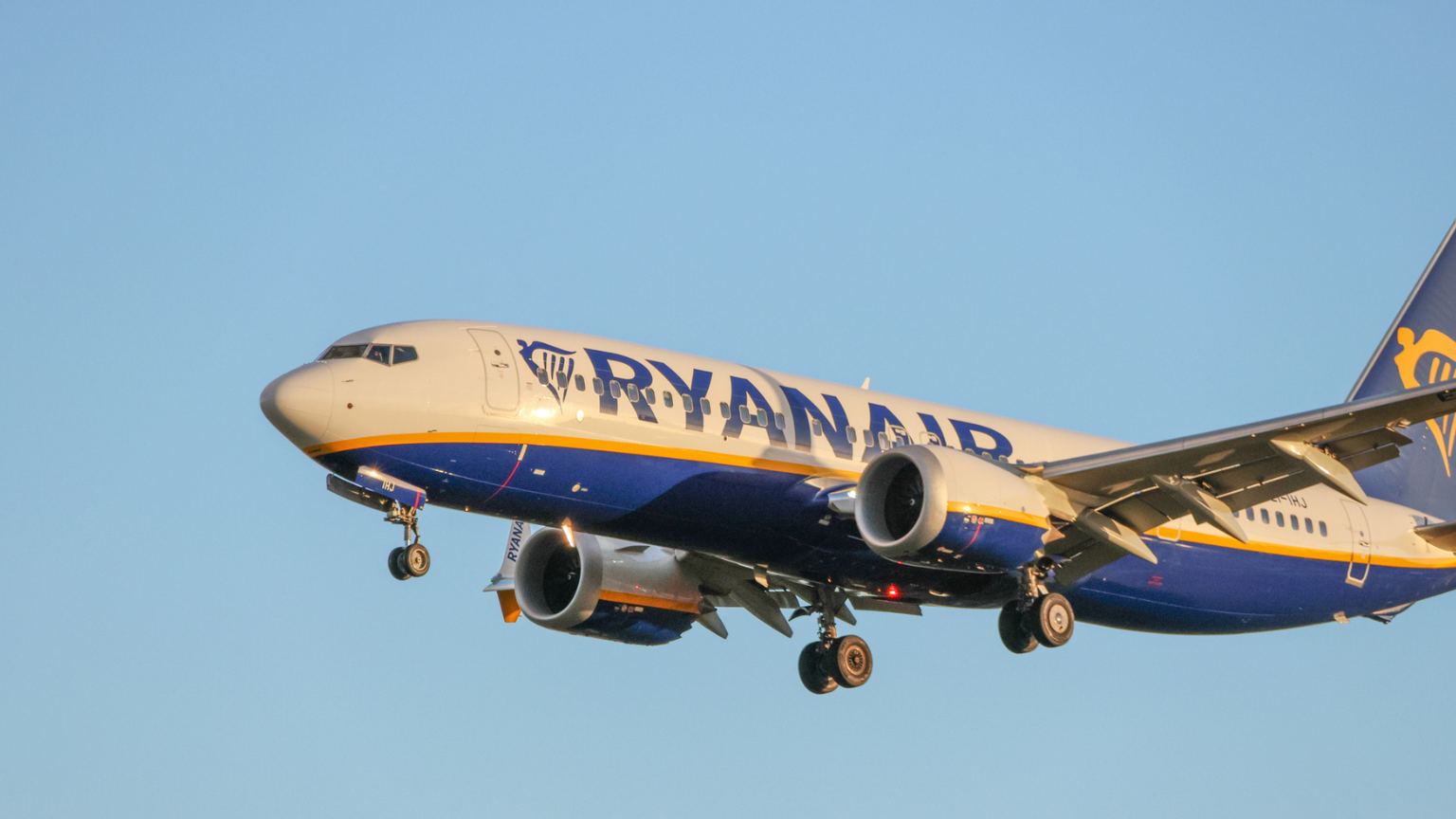

If Spain is on your fall or winter itinerary, there is a big update to know before you book. Ryanair is trimming roughly one million seats on routes to Spain during the upcoming winter season, concentrating most of the reductions at regional airports on the mainland and in the Canary Islands. The move has set off a very public dispute with Spain’s airport operator and has travelers wondering what it means for their plans and their wallets. Here is the situation in clear terms and what to do next.
What Ryanair Announced
Ryanair says it will remove about one million seats from its Spain schedule for winter. The cuts are split between roughly 600,000 seats at regional airports on the Spanish mainland and about 400,000 seats to and from the Canary Islands. That equates to a steep reduction at smaller mainland airports and a more modest pullback in the islands. Several routes are disappearing entirely while others will see fewer weekly frequencies. The airline has already warned that additional capacity could be redirected to other countries where it believes costs are lower and growth is encouraged.
The Fee Fight Behind the Decision
At the heart of the dispute is a planned increase in Spanish airport charges beginning in 2026. Aena, Spain’s airport authority, has approved an average hike of about six and a half percent after years of relatively flat fees. Ryanair argues those higher charges make flying to smaller Spanish airports less attractive for a budget carrier and has accused the operator of favoring big hubs. Aena has pushed back forcefully, calling the airline’s claims misleading and the pressure tactics inappropriate. The war of words has escalated with officials publicly defending the fee policy while the airline reassesses where to place planes.
Where Travelers Will Feel It
The heaviest cuts land at regional airports rather than major hubs. Ryanair has announced closures and suspensions at select smaller bases and is scaling back frequencies at others. Examples include a base closure at Santiago and reductions at airports like Zaragoza, while the big gateways in Madrid and Barcelona face far less disruption. For island travelers, the Canary Islands see a notable but smaller reduction in seats compared with the mainland. Expect thinner schedules on secondary routes and fewer last minute bargains at smaller fields.
Will Prices Jump Across Spain
Fares are set by supply and demand, so any reduction in seats can push prices higher on affected routes, especially around holidays and school breaks. That said, Spain remains a competitive market with multiple low cost carriers flying dense corridors between major cities and popular vacation regions. If you are traveling through Madrid or Barcelona, you may still find strong competition and a wide choice of departure times. The tighter squeeze will be felt most at smaller airports that rely heavily on a single airline. Flexibility on dates and airports will help you keep costs in check.
Smart Ways to Book Around the Cuts
If your preferred route disappears, start by checking alternatives from nearby airports and comparing midday departures that often price lower than peak morning and evening flights. Consider splitting a trip between a major hub and a regional rail or bus connection if the nonstop option is gone. Watch for promos from rival carriers that move quickly to pick up demand on busy Spanish links. It also pays to set fare alerts and look midweek for sales, since inventory can change as schedules are adjusted. Keeping an eye on baggage rules and seat fees across airlines will help you compare the true door to door cost, not just the base fare.
What to Fly Instead
Ryanair is only one player in Spain’s short haul market. Vueling, easyJet, and Wizz Air all operate extensive networks within Spain and across Europe with competitive pricing. Iberia and Air Europa also cover key domestic and island routes with multiple daily frequencies. If you are island bound, check both Gran Canaria and Tenerife airports and compare connections through Madrid or Barcelona when direct options thin out. For mainland city hopping, fast trains can be a practical backup that keeps your timing predictable.
Bottom Line
Ryanair’s capacity pullback is real, but its impact will be uneven. Travelers using major hubs will still have plenty of options, while those relying on smaller regional airports will need to plan a bit more and shop across several carriers. Build in flexibility, compare nearby airports, and set price alerts before you lock in your plans. With a little strategy, you can still reach Spain on a sensible budget even as schedules shuffle.
Follow us on MSN for all your travel and lifestyle tips.
This article was written by Hunter and edited with AI Assistance