
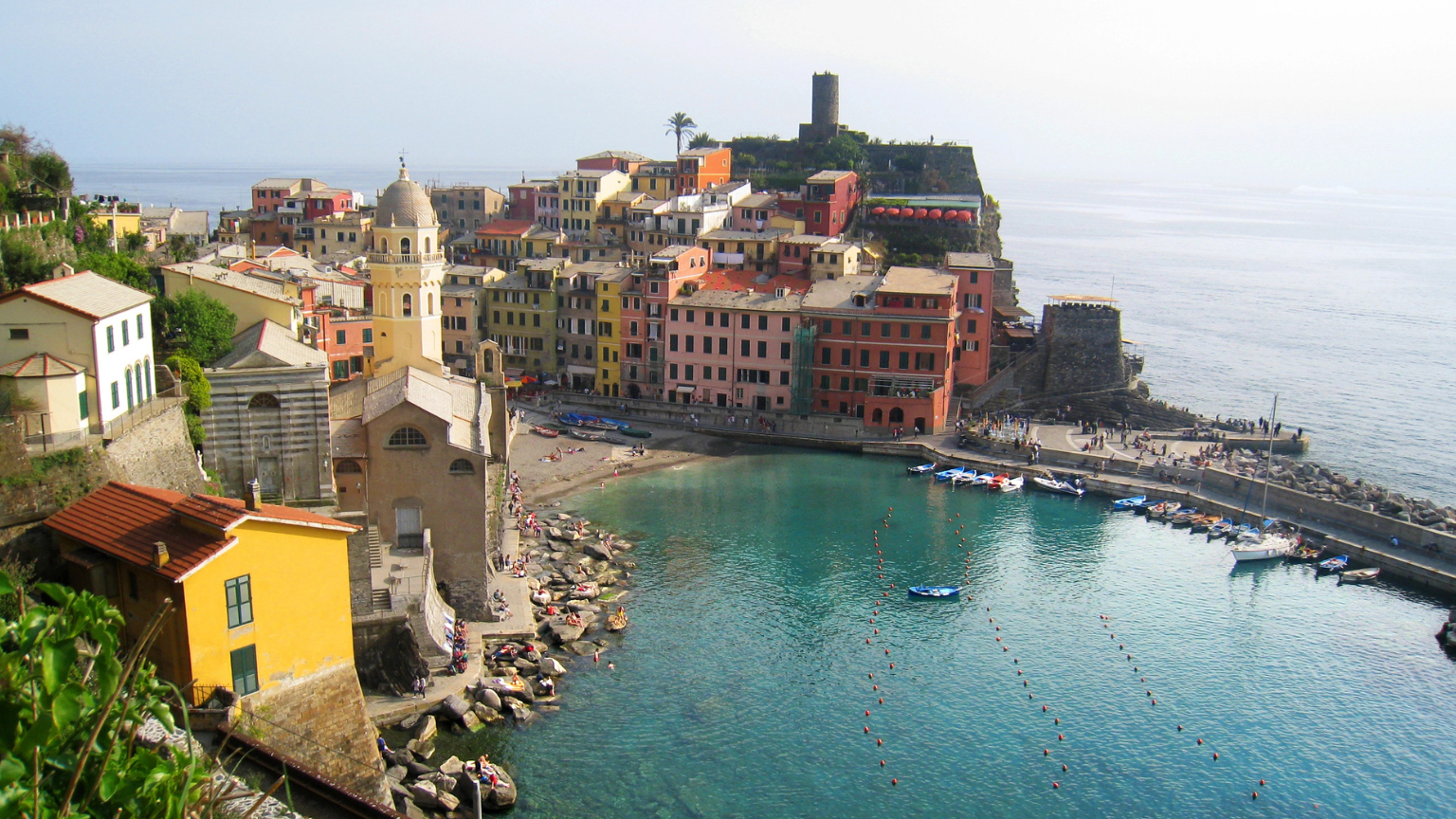

For years, the classic trip to Europe or beyond started with a big city. Think London, Paris, Rome, or Barcelona. Travelers would land, power through jet lag, and cram in as many landmarks as possible before heading home. In 2025, that pattern is quietly changing. More people are swapping capital cities for small seaside towns, choosing harbor promenades over crowded plazas and beach paths over subway maps.
The shift is about more than pretty views. It reflects burnout, changing budgets, remote work, and a growing desire to feel like a guest in a place rather than just one more face in a crowd.
Big City Burnout Is Real
Major cities still have incredible museums, architecture, and nightlife, but many travelers feel exhausted just thinking about them. Long security lines, packed public transport, heavy traffic, and tourist hotspots that feel more like theme parks than real neighborhoods are starting to wear people down.
Add in higher travel costs, noise, and the pressure to “see it all,” and big city breaks can feel more like work than vacation. After a few trips spent shoulder to shoulder at famous landmarks, many travelers are asking themselves whether the stress is worth it. Small coastal towns offer a different promise. You can still explore and experience culture, but the pace is gentler, the crowds are thinner, and you are not constantly racing the clock.
Slower Days Feel Like a Real Break
In a big city, it is easy to build an itinerary that looks like a to do list. In a small coastal town, your day tends to center on simple pleasures: a morning walk along the water, coffee at a café where the staff recognize you by your second visit, a few hours on the beach or a nearby trail, and a relaxed dinner that stretches into the night.
That slower rhythm is exactly what many travelers crave now. After years of juggling remote work, family obligations, and global uncertainty, people want trips that actually leave them feeling rested. Coastal towns are built for that. You can still add in boat trips, historic sites, and local experiences, but you rarely feel the same frantic energy that defines a weekend in a major city.
Coastal Towns Often Stretch Your Budget Further
Big cities usually come with big prices. Central hotels, restaurant meals, museum tickets, and taxis can add up quickly, especially in popular European capitals and major global hubs. Small coastal towns are not automatically “cheap,” but many still offer better value once you step away from the most famous beaches and resort strips.
You are more likely to find family run guesthouses, apartment rentals with kitchens, and restaurants that serve generous portions at down to earth prices. Biking or walking can replace public transport, and there is less pressure to spend on paid attractions when the main draw is the scenery right outside your door. For travelers watching their budgets, that combination can make a week by the coast more appealing than three rushed days in an expensive city hotel.
Nature Is Front and Center
In a large city, you might have to plan your day around finding small pockets of green. In a coastal town, nature is the backdrop to everything. You wake up to the sound of waves or seabirds, and your daily decisions revolve around tides, weather, and light.
That constant connection to the outdoors is a major draw. People are choosing trips that let them swim, paddle, hike along cliffs, or simply sit on a bench and watch the harbor. It is not just about “going to the beach” either. Coastal landscapes often offer dramatic viewpoints, hidden coves, coastal trails, and nearby islands that are easy to explore without a car. For travelers who spend most of the year indoors and online, that direct access to nature can be a powerful reset.
Overtourism Is Pushing People Elsewhere
Many of the world’s most iconic cities are wrestling with overtourism. Locals speak openly about feeling pushed out of their own neighborhoods, rental prices are driven up by short term stays, and some destinations have introduced tourist taxes, caps, and complicated reservation systems just to control the flow.
Travelers are paying attention. Instead of fighting for a spot at a famous viewpoint only to feel guilty about contributing to the problem, more people are looking for alternatives. Smaller coastal towns, especially those a little further from the main tourist trails, offer a way to enjoy a destination without adding pressure to the most saturated neighborhoods.
Of course, these places can also become victims of their own success if not managed carefully. But for now, many still feel more balanced, with tourism supporting local businesses rather than overwhelming them.
Remote Work Makes Longer Coastal Stays Possible
Another quiet factor in this trend is the rise of remote and hybrid work. People who can take their laptop on the road are increasingly choosing to spend a week or a month in one place rather than hopping between cities.
Small coastal towns are ideal for that style of travel. Reliable internet, a few good cafés, and a pleasant daily rhythm make it easy to blend work with long walks, swims, and slow evenings. Instead of spending your lunch break in a crowded urban food court, you might take it on a bench overlooking a harbor or a tiny fishing pier. Over time, that blend of work and relaxation can feel more sustainable than squeezing a year’s worth of sightseeing into one short city break.
Food and Culture Feel More Personal
Big cities often have world class restaurants and huge cultural scenes, but they can also feel anonymous. In a coastal town, you are more likely to return to the same bakery, the same bar, or the same tiny taverna for several days. Staff start to recognize you and may share their favorite dishes, local wines, or little slices of everyday life.
You still get a sense of the region’s culture, but up close. Maybe it is a small fishing festival, a weekly market, or a family run seafood restaurant where the menu changes with the catch. These quieter, more personal experiences are exactly what many travelers now seek out and remember most.
Social Media Is Shifting the Spotlight
Ironically, the rise of social media is helping people discover smaller, less famous places. Travel creators and everyday visitors share clips from quiet harbors, pastel painted seaside houses, and local beach bars. A town that once relied on word of mouth now pops up in your feed with a quick search for “coastal escape” or “quiet seaside town.”
At the same time, there is a growing counter trend against the loudest, most obvious hotspots. Content that highlights “hidden gems,” secondary cities, and small coastal escapes has become more popular. Many travelers now build their entire trip around the kind of place they used to visit only as a day trip.
How to Choose the Right Coastal Town
Not every small seaside spot will be the right fit, and not all of them are truly quiet anymore. When you are deciding where to go, it helps to ask yourself a few questions.
Do you want a town with a bit of nightlife and a range of restaurants, or would you be happier somewhere with just a handful of places to eat and a single bar on the waterfront. Are you hoping for sandy beaches, rocky coves, or more of a harbor setting with boat trips and sea views. Do you need easy train or bus connections, or are you willing to rent a car or take a ferry.
Reading recent reviews, checking shoulder season photos, and looking at a map to see how close you are to larger cities can all give you clues. Often, the towns one or two stops beyond the famous resort area offer a better balance of charm and calm.
Visiting Small Coastal Towns Responsibly
As more people discover these places, traveling responsibly matters. Staying in locally owned accommodations when possible, eating at independent restaurants, and respecting quiet hours can help keep the relationship between visitors and residents healthy.
It is also important to remember that you are stepping into someone’s hometown, not a backdrop. Dress appropriately away from the beach, follow local rules about recycling and beach use, and be mindful of noise at night. If a town feels full, consider taking a day trip elsewhere or visiting in the shoulder season rather than peak dates.
The Appeal of Being “Small” on Purpose
At its core, the move from big cities to small coastal towns is about travelers choosing to feel small in the best possible way. Instead of trying to conquer a long list of must see attractions, they are content to watch the light change over the water, talk with a few locals, and settle into a slower rhythm for a while.
Big cities are not going anywhere, and they will always have a place on travel wish lists. But in 2025, more people are realizing that a real break often comes not from more options, but from fewer. A small coastal town, with its modest harbor, simple pleasures, and steady tides, offers exactly that.
Follow us on MSN for all your travel and lifestyle tips.
This article was written by Hunter and edited with AI Assistance