
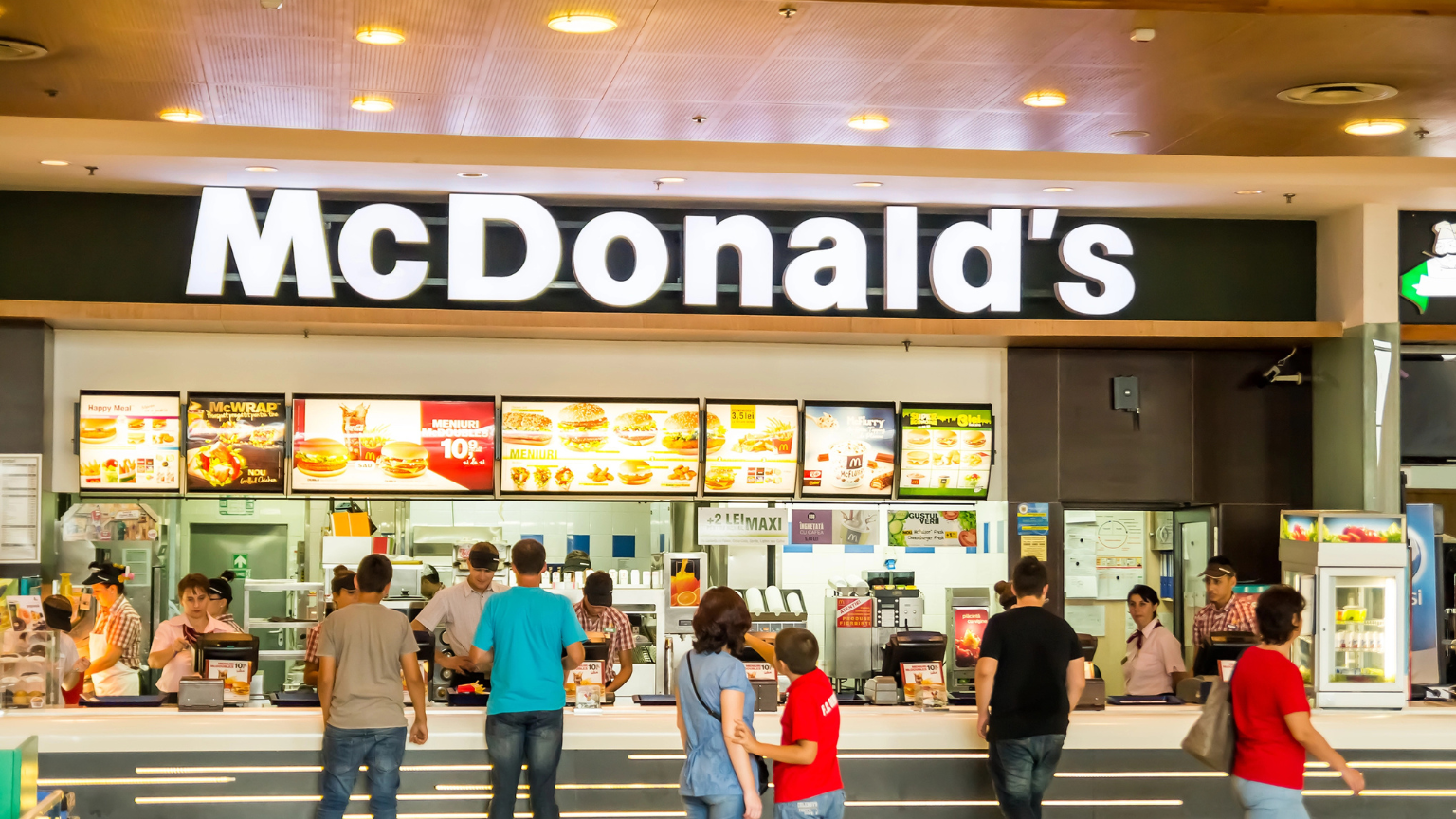

There is a special kind of whiplash that happens when you step out of a centuries old train station in Europe, or an old market district in Asia, and the first thing you see is a glowing Starbucks sign or a McDonald’s on the corner. Part of you is secretly relieved. You know exactly what to expect, you know how to order, and you know there is probably clean seating and Wi Fi inside. Another part of you groans a little and thinks, “Really. Here too.”
That split second reaction pretty much sums up why familiar chains abroad sit in such a complicated place. They can feel like a lifeline and like a symbol of everything people worry about in modern travel, often at the same time.
The Comfort of Knowing Exactly What You Are Getting
After a long travel day, especially when you are jet lagged or running on airport snacks, familiarity can feel like a warm blanket. Walking into a global chain abroad means a few things right away.
You generally understand the menu, even if there are a few fun local twists. You know what a basic coffee, burger or salad will taste like. You have a rough idea of the prices before you even look. You can usually count on certain comforts, whether that is air conditioning in a humid city, reliable bathrooms, or power outlets near tables.
When you are tired, stressed, or in a place where you do not speak the language at all, that predictability is deeply appealing. You do not have to decipher every word, guess how things work, or worry as much about getting it wrong. For many travelers, especially newer ones, chains offer a gentle stepping stone while you are still finding your feet.
A Lifeline on Rough or Vulnerable Days
There are also moments when going local just is not the move. Maybe you are sick and only want plain food and a place to sit down. Maybe you are traveling with kids who are overwhelmed and need something familiar in front of them. Maybe you have had a string of confusing interactions and you just do not have the social energy for one more language puzzle.
On those days, a recognizable chain can feel less like a cop out and more like a small rescue. You can bring your guard down for a bit. You know roughly how long things will take. You can sit with your tray or your coffee and regroup while you plan your next step.
For solo travelers, chains can also feel safer at certain times of day. Well lit spaces with clear processes and staff who are used to foreigners can be reassuring if you are navigating an unfamiliar city at night or trying to kill time between trains.
That Strange Sense of Home Far Away
Familiar chains abroad can also tap into something surprisingly emotional. When you travel for a long time, newness becomes your normal, which is exciting but also tiring. Walking into a brand you know from home can feel like stepping briefly into a parallel version of your own city.
Your usual coffee order or breakfast meal becomes a tiny ritual that travels with you. The layout of the store looks vaguely familiar even if the signs are in another language. For some people, this small thread of continuity helps them adjust to life on the road, especially on longer trips or work assignments abroad. It is a reminder that you still belong to a wider world, that you are not completely adrift even if everything outside the window looks different.
Local Twists on a Global Template
Of course, chains abroad are not carbon copies. In many countries, global brands adapt menus, design and even service style to local tastes. That is where things get interesting.
You might find matcha or red bean flavors in an international coffee chain in Japan, regional pastries in a bakery chain in Portugal, or spicy sauces and rice dishes at a burger place in Southeast Asia. Store decor can also nod to local architecture or history, with different artwork, materials or color palettes.
Some travelers treat these variations almost like a casual cultural study. They enjoy seeing what changes and what stays the same, and how global companies try to show respect for local tastes while still protecting their brand identity. In that sense, even a chain visit can be a window into what a country craves and how people like to spend their time.
The Flip Side: Worries About Local Character
On the other hand, there are many good reasons why familiar chains abroad make people uneasy. One of the biggest is the fear that they flatten the uniqueness of different places.
When the same coffee shop and fast food signs appear in every major square, it can feel like the differences between cities are slowly being erased. Small independent cafés or family restaurants often struggle to compete with the marketing budgets and deep pockets of global brands. Rents can rise when big names move into prime locations, squeezing out businesses that have been there for decades.
For locals, it can be painful to watch a historic corner shop or traditional café close, only to be replaced by a chain that exists in hundreds of other cities. For travelers who came hoping to experience something they cannot get at home, it can feel disappointing to look around and see the exact same logos they pass on their own commute.
Economic and Ethical Questions Behind the Counter
There is also the question of where the money goes. Global chains can create jobs and may follow strong safety and training standards, which is not nothing. They can provide consistent work for young people and part time staff in cities where opportunities are uneven.
At the same time, profits often flow back to corporate headquarters rather than staying in the local community. Smaller local businesses may buy ingredients from nearby producers and keep ownership within families or neighborhoods. Chains sometimes rely on centralized supply chains and decisions made far from the country where a store sits.
Travelers who care about responsible tourism often wrestle with this. Do you spend your money with a brand that feels safe and consistent, or do you seek out local owners even if it takes more work and carries a bit more uncertainty. There is no single correct answer, but the question itself is part of why chains abroad are controversial.
The Authenticity Debate and Quiet Shaming
Social media loves strong opinions, and chains abroad are an easy target. It has become common to see posts mocking travelers who share a photo of a fast food meal in a foreign city or admit that they ducked into a global coffee shop for breakfast.
There is a kind of unspoken hierarchy at play. Some people treat “authentic travel” as a competition where eating only at local spots, staying in small guesthouses and avoiding every global brand is the only acceptable way. Chains become symbols of laziness, lack of curiosity or even disrespect.
The truth is usually more nuanced. A traveler might eat at family run spots all week and then grab a quick chain meal before an early flight. They might love exploring local cafés but still choose a big brand on a night when they feel unwell. Judging someone’s entire travel style based on a single logo in a photo is rarely fair.
Finding a Middle Ground
For most of us, the reality sits somewhere in the middle. Familiar chains abroad can be both useful and problematic, both comforting and a little sad. The key is not to pretend they do not exist, but to use them thoughtfully.
That might mean treating chains as backup options rather than the default. You could choose to eat most of your meals at local places, but allow yourself the occasional familiar stop when you genuinely need it. You might use chain cafés as planning bases, grabbing a drink, using the Wi Fi and mapping out your next round of independent spots.
You can also pay attention to context. A chain on a busy highway or at an airport serves a different role than a new branch opening in the last remaining independent shop on a historic square. Being aware of which spaces feel already saturated and which ones are still holding onto local character helps you decide where your money might make the biggest difference.
Supporting Local Without Being Rigid
If you want to lean more heavily toward supporting local businesses, there are plenty of small steps that do not require you to swear off chains completely.
You can ask hotel staff or hosts for recommendations a few blocks away from the obvious tourist strips. You can look for markets, bakeries and small diners where menus are written with locals in mind. You can try a local coffee shop in the morning and save the chain as an emergency backup for days when nothing else is open or you are rushing between trains.
Even small choices matter. Buying a snack from a corner kiosk, getting your hair cut at a neighborhood salon or picking up a book from a local bookstore all help keep independent businesses alive. Over the course of a trip, these decisions add up, even if you still have a familiar logo or two on your receipts.
Giving Yourself Permission to Be Human
At the end of the day, travel is not a test you either pass or fail. It is a personal experience shaped by your energy, your budget, your comfort level and your past adventures. Some trips will be packed with local homestays and hole in the wall restaurants. Others will be more cautious, more hurried or more work focused, and chains will naturally play a bigger role.
Familiar brands abroad sit right in the tension between comfort and curiosity. They can absolutely be overused, and they can contribute to the slow erosion of local flavor if they take over every prime corner. They can also give tired, anxious or homesick travelers a soft landing on a hard day.
If you stay aware of that balance, support local businesses where you can and use chains intentionally instead of automatically, you are already doing more than most. You can appreciate the comfort without ignoring the controversy, and still build trips that feel both grounded and respectful of the places you visit.
Follow us on MSN for all your travel and lifestyle tips.
This article was written by Hunter and edited with AI Assistance