
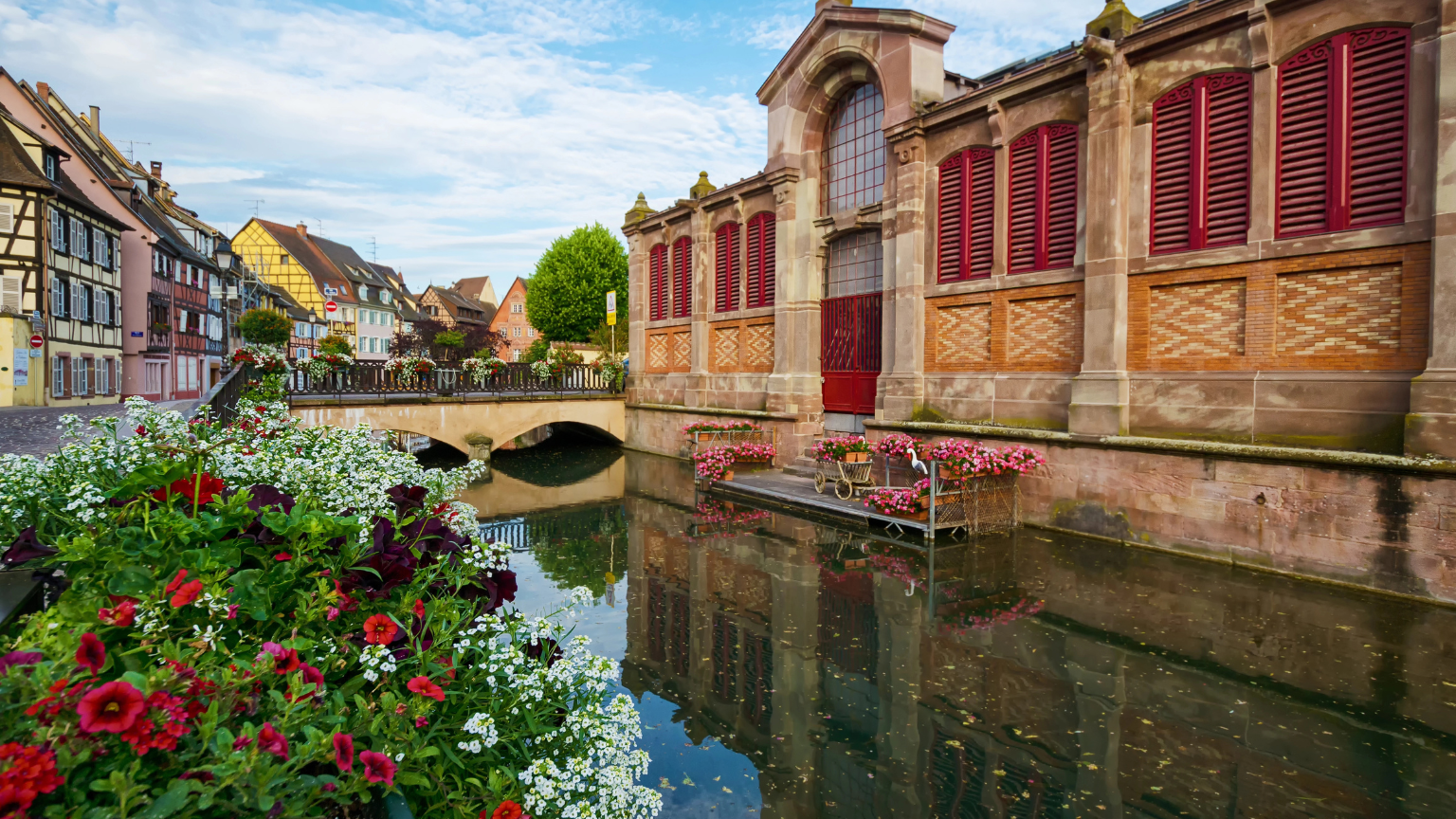

There are plenty of beautiful cities in the world, but canal cities hit a different nerve. Step off a train or tram and suddenly the streets give way to water, reflections dance off stone, and everyday life plays out at the edge of a slow moving current. In 2025, travelers are more aware than ever of crowds, climate and the impact of tourism, yet boat tours and waterside stays remain some of the most searched and booked experiences in Europe and beyond. Canal cities combine something that is increasingly rare. Romance and practicality, history and daily life, all compressed into a landscape that is best understood at walking pace or from the seat of a small boat.
Even as places like Venice, Amsterdam and Bruges wrestle with overtourism and visitor caps, people keep coming back to them and seeking out lesser known canal towns that feel like their quieter cousins. There is something about cities built around waterways that makes them linger in your imagination long after you leave. They are not just pretty backdrops. They are places where the structure of the city forces you to slow down, look around and pay attention.
Water Turns a City Into a Living Stage
In a canal city, the water is not just scenery. It is a stage where everything happens in full view. Commuters glide past in small boats, delivery barges carry crates to restaurants, and local kids practice paddle strokes where roads might exist elsewhere. When you sit on a quay or lean on a bridge, you are watching a moving story instead of a static monument.
That constant movement keeps even the most photographed canals from feeling completely frozen in time. The same view looks different depending on the light, the weather and the traffic on the water. Morning mist, afternoon sparkle and late night reflections give one canal three completely different moods in a single day. Travelers in 2025, who are used to scrolling past endless still images, often find that this gentle, real life motion is what sticks with them. It feels unscripted in a way that social media cannot really capture.
Everyday Life Happens Right at the Waterline
One reason canal cities feel so human is that daily life happens right where visitors naturally walk. In a typical modern city, most people rush through underground metro lines, multi lane roads or indoor malls. In canal cities, front doors, balconies, cafés and benches face the water. Locals hang laundry in courtyards that open onto small canals, sweep stoops that sit inches from the edge and chat to neighbors across narrow waterways.
When you drift past in a boat or wander along towpaths, you are not just ticking off landmarks. You are catching glimpses of ordinary routines. Someone watering plants. A dog watching boats from a window. A cyclist pausing on a bridge to check messages. That closeness to everyday life is what many travelers now crave. After years of curated “experiences,” they want to feel like they are passing through a real, functioning city rather than a stage set. Canal districts make that connection almost automatic.
History Is Written Into the Waterways
Most canal cities did not build their waterways for beauty. They dug them for trade, defense, drainage or industry. Over centuries, those practical channels turned into the backbone of urban identity. In 2025, when people talk about wanting “authentic” places, they often mean cities where you can still see how past and present connect. Canals do that better than almost any other type of infrastructure.
Follow a canal and you can read a city’s history without opening a guidebook. You see where warehouses became lofts, where old shipyards turned into cultural districts and where former working harbors now host cafés and galleries. Bridges reveal layers too. Some are still low and narrow, built for foot traffic and carts. Others are modern, built to carry trams or create new links between neighborhoods. The water rarely lies. It shows you where money once flowed, where goods moved and how the city grew. That sense of continuity is part of the appeal, especially for travelers who want more than just pretty backdrops.
They Encourage Slower, More Sustainable Ways to Explore
It is hard to speed through a canal city, and that is exactly what weary travelers need right now. Many of the most beloved canal districts are either pedestrian only or heavily restricted for cars. Boats move at low speeds. Bicycles and trams take over where cars might dominate in other places. The whole structure of the city nudges you toward slower forms of movement.
In 2025, as more destinations push visitors to make lower impact choices, canal cities are natural allies. Exploring by shared boat, on foot or by bike reduces traffic and spreads people out more evenly. Some cities are even limiting cruise ships and heavy motor traffic on canals to protect old buildings and keep noise and wake levels manageable. For visitors, this shift feels less like a sacrifice and more like an upgrade. You spend more time gliding past historic facades and less time stuck in taxis. That slower rhythm often becomes the highlight of the trip.
Canal Tours Are Still a Top Search, Even in a Crowded Era
Despite debates about crowds, online data in 2025 shows that boat tours remain one of the most searched for urban activities in Europe. Classic canal cities such as Amsterdam, Bruges, Paris, Copenhagen, Budapest, Stockholm and Prague all sit near the top of rankings for boat tour interest. Travelers clearly still see “a ride on the water” as the essential first step to understanding these places, even as they seek quieter corners and shoulder season trips.
Part of the draw is that canal tours give you a quick, low effort overview. In one hour you can see major landmarks, hidden courtyards and back gardens that are hard to spot from the street. You get a sense of the city’s shape and how different neighborhoods connect. For first time visitors, that bird’s eye view from water level makes later wandering feel more confident. It is like tracing the outline of a sketch before coloring in the details on foot.
Old Icons and New Alternatives
The biggest canal names are still drawing enormous numbers. Venice continues to host millions of visitors a year, and cities like Amsterdam and Bruges remain on almost every classic itinerary. At the same time, 2025 travel coverage is shining more light on smaller canal based destinations that offer similar atmospheres with fewer people. Travelers who want reflections and bridges without full scale crowd control are branching out.
In northern Italy, lesser known lagoon and canal towns are positioning themselves as calmer alternatives to Venice. In northern Europe, smaller historic centers with canals are highlighting their quieter streets, local markets and easier pace as a counterpoint to megacity buzz. This shift fits a broader pattern. Many travelers still want the magic of water threaded through a city, but they are more willing to seek it out in places that do not feel overwhelmed. Canal charm is spreading across a wider range of destinations, not fading away.
The Romance of Getting a Little Lost
Canal cities also invite one of travel’s simplest pleasures. Getting pleasantly lost. Streets curve around waterways, dead end at quays and dive under bridges. Maps make sense on paper, but in practice you often end up following your curiosity instead of the shortest route.
That gentle disorientation is part of the magic. You might turn a corner and find a tiny square you would never have searched for by name, a neighborhood café with two outside tables or a bookshop nestled under an arch. Water acts as both guide and barrier, forcing you to zigzag rather than march in a straight line. For travelers who spend most of their lives following digital directions, this soft, low stakes sense of being off route feels oddly liberating. The canals keep you from drifting too far, but they also keep you from rushing.
Why We Keep Dreaming About Them
At a time when travel headlines are full of airport chaos, visitor caps and rising fees, it is easy to assume that the romance has faded. Yet ask people about their dream trips and canal cities still come up again and again. They appear on bucket lists not just because they are famous, but because they represent a way of living with water that feels both fragile and enduring.
When you think back on a canal city, you rarely remember the logistics. You remember the sound of water against stone, the way streetlights shimmered on the surface at night, the echo of footsteps across a bridge and the hush that falls when a boat glides past. Those sensory details are why canal cities keep returning to the top of travelers’ lists, even in a world that is constantly changing. They promise that for a few days at least, life can move at the speed of the water instead of the speed of your inbox.
Follow us on MSN for all your travel and lifestyle tips.
This article was written by Hunter and edited with AI Assistance