
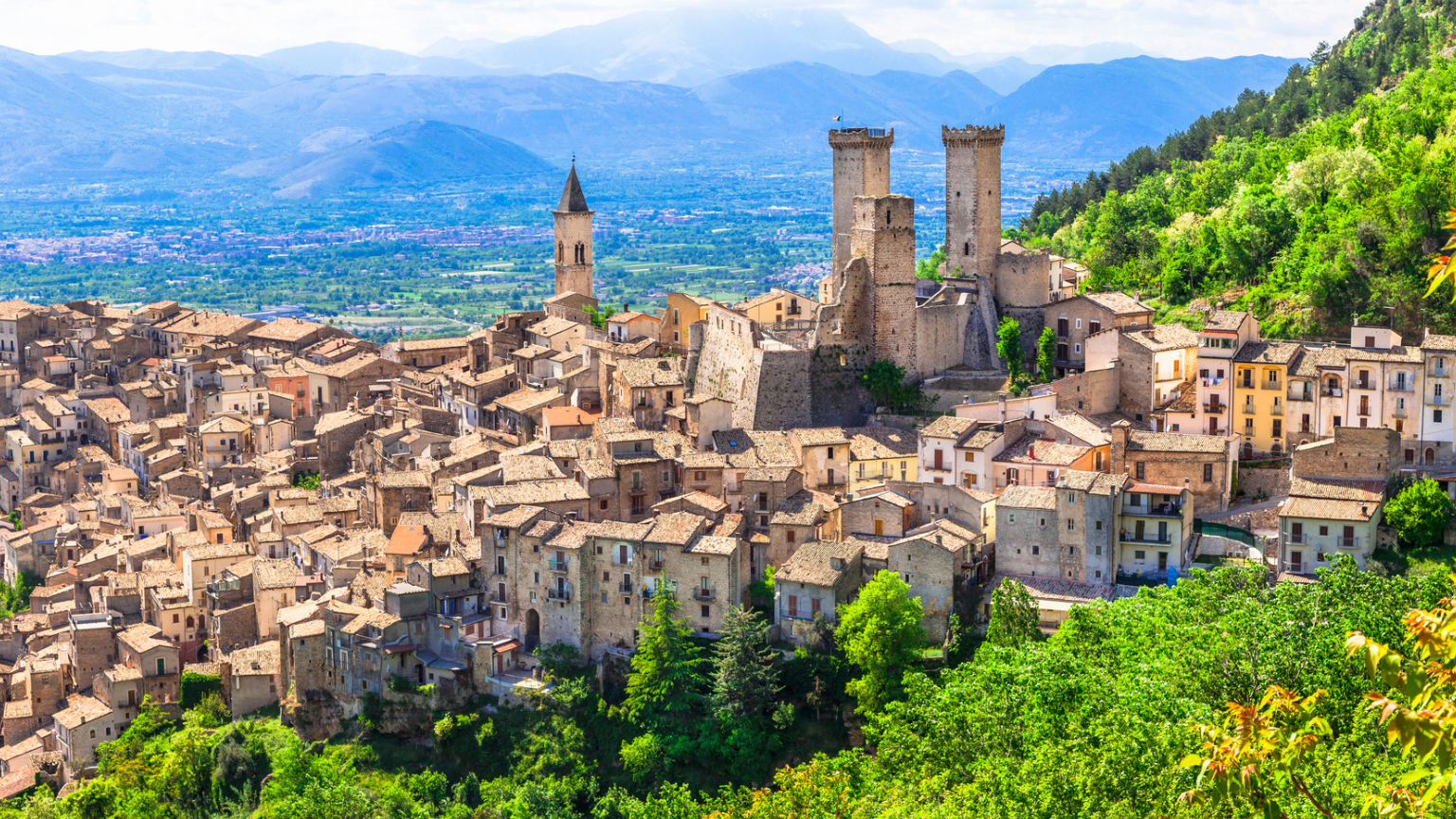

Travel has a funny way of catching up with the places you love. One year a destination feels like your little secret, the next it is all over TikTok, flight prices spike, and suddenly there is a line outside the café that used to know your order by heart. In 2025 that shift is happening faster than ever. Cheap flights, social media algorithms, remote work visas, and new cruise routes are all converging, and many of the “hidden gems” you love are right on the edge of becoming the next big thing.
If you have a favorite small city, sleepy island, or under the radar neighborhood that still feels like yours, this might be the last year it stays that way.
Hidden Gems Are Becoming Algorithms
The idea of a hidden gem used to depend on slowness. You heard about a place from a friend, then maybe from a niche guidebook, and over time more people trickled in. Now one viral reel or blog post can do the work of a decade. A creator posts a 20 second clip of an alleyway café or a quiet thermal pool and the algorithm pushes it to millions of people in a couple of days.
That attention does not stay on the screen. Hotels and rentals in that area start getting more bookings, restaurants raise their prices, and tour companies appear almost overnight. By the time you return a year later the same spot may have group tours lining up outside and a printed Instagram logo on the wall. In 2025 this cycle has become the norm, not the exception, which is why so many travelers feel like every place they love is suddenly crowded.
Airlines And Cruises Are Chasing New “It” Spots
Behind the scenes, airlines and cruise lines are paying close attention to these trends. When a destination starts trending online or a region becomes hot for remote workers, it does not take long for a budget carrier or regional airline to add a direct route. Cruise companies quietly test new ports that used to see only small ships and then scale up if bookings look strong.
Those shifts can flip a destination’s reality in a single season. The town that once saw a handful of backpackers now has a couple of weekly flights from a major hub and a floating city tying up in its harbor. Local businesses welcome the money, of course, but they also have to scramble to handle the surge in traffic, trash, and housing demand. For you as a traveler, that means your formerly peaceful getaway might suddenly feel like a mini version of a big resort city.
Remote Work And Long Stays Are Driving Up Demand
Remote work has added a new layer to the story. Before, most visitors stayed a long weekend or a week at most. Now a growing number of people are booking one, two, or three month stays in places they fall in love with. Countries from Europe to Southeast Asia are actively courting these long stay visitors with digital nomad and freelance visas.
That extended presence changes the local balance. Short term rentals that once hosted a couple of tourists a month now stay booked solid for the season. Cafés, co working spaces, and yoga studios pivot to serve a new wave of foreign regulars. While that can bring life and money to quieter towns, it also pushes rents up and eats into housing for locals. The end result is that your secret “cheap base” in the sun might not feel cheap or particularly local for much longer.
Cities And Small Towns Are Starting To Push Back
The other piece of the 2025 puzzle is that local governments and residents are more vocal than ever about overtourism. From small ski towns swamped by a single viral video to island communities overwhelmed by cruise passengers, people who live in these “hidden gems” are calling for limits before their homes reshape completely around visitors.
That pushback can show up in different ways. Some places introduce visitor caps or day trip fees, others limit short term rentals or tighten rules on bar and restaurant hours. A few simply decide they would rather have fewer tourists at a higher price. If your favorite city suddenly feels more expensive and more regulated, it may not be your imagination. It might be a deliberate shift toward being a “premium” destination instead of an up and coming one.
2025 Is A Tipping Point Year
Why does 2025 feel like such a tipping point? Part of it is momentum. There are still waves of people taking the big trips they postponed earlier in the decade, and many of them want to do something that feels special rather than repeat the old classic itineraries. Airlines and tour operators are responding by pushing lesser known alternatives in their marketing.
Another part is policy. New taxes, environmental rules, and cruise limits in traditional hotspots are nudging companies to try out fresh ports and secondary cities. Those new routes can be a blessing for places eager to attract visitors, but they also move the spotlight away from the same old icons and straight onto the kind of towns that used to fly under the radar. If you are wondering why your quiet coastal village keeps popping up in “where to go next” lists this year, that is why.
What This Means For Your Next Trip
So what does all of this mean for you if you have a favorite spot you love just the way it is right now? First, it might be the year to go back. If you have been putting off a return visit, treat 2025 as your last chance to experience the place before new flight routes, cruise calls, or viral attention change it for good. Even if nothing dramatic happens, you will at least get one more trip on your own terms.
Second, prepare for things to feel a little different when you arrive. Maybe there are a few more boutique hotels, a cluster of new cocktail bars, or higher prices in the old town. Maybe your usual guesthouse is now fully booked months in advance. None of that ruins a destination on its own, but it can shift the vibe from hidden gem to “hot spot in progress.” Going in with realistic expectations will make it easier to appreciate what is still great rather than just mourning what has changed.
Rethinking How You Find “Hidden” Places
If you want to keep the hidden gem feeling in your travels, you may need to change how you look for it. Following the same lists and top ten posts as everyone else will only lead you to the next wave of “discovered” spots. Instead, try starting with a broad region you are interested in and then working one step sideways. Look at a map and see what is one train stop further, one island over, or one inland town away from the place that shows up in every article.
Talk to locals when you can and pay attention to how they travel. Where do they go for long weekends or holidays when they want to avoid crowds themselves. What coastal town or mountain village do they recommend that does not have a flashy tourism board campaign yet. Those are the places that might give you that hidden gem feeling for a little longer, even as the better known “secrets” graduate to mainstream fame.
How To Be A Good Guest As Places Change
Finally, there is the question of how to behave when you visit somewhere that still feels undiscovered. In 2025 the line between helping a community thrive and contributing to its growing pains can be thin. Choosing locally owned accommodation when you can, supporting small restaurants and shops, and visiting outside of absolute peak dates all help to spread the benefits around.
Respecting local rules and norms matters more than ever. If residents ask people not to crowd a particular alley or seaside spot that is already becoming a social media circus, listen. The way travelers act now will shape whether that destination can stay pleasant to visit at all in a few years. A “hidden gem” is only enjoyable if the people who live there still like living there.
Enjoy It Now, Accept That It Will Change
The hard truth is that your favorite hidden places are almost guaranteed to change. Some will embrace their new fame and grow into full scale hotspots with all the costs and benefits that brings. Others will pull back, add barriers, and make it harder to visit casually. Very few will stay exactly the same as they were when you first fell for them.
Rather than fighting that reality, 2025 is a good year to lean into it. Go back to the destinations you love while they still feel familiar. Explore new places with the understanding that if they are special to you, they will probably become special to many others soon. Travel thoughtfully, share information responsibly, and remember that the feeling of discovery is something you can still find. It just might not come from the same postcard perfect towns everyone is talking about right now.
Follow us on MSN for all your travel and lifestyle tips.
This article was written by Hunter and edited with AI Assistance