

Researchers tracking whales in British Columbia's Salish Sea have uncovered major changes in orca and humpback whale routes. This shift reflects how climate change and human impacts are transforming these waters. The findings come from a wide range of scientific studies and citizen science efforts across 2024 to early 2026.
The discoveries reveal patterns that could reshape whale watching and conservation strategies. They also highlight the delicate links between marine life and ocean health in the face of warming waters and altered fish populations. The research offers a new view into how cetaceans adapt to a changing environment.
The Discovery
Scientists observed that both orca and humpback whales are appearing in different areas along the Salish Sea than in previous decades. In particular, pods of southern resident killer whales, known for their dependence on Chinook salmon, are spending less time inside inland waters, exploring the outer coastal areas more frequently. This behavior contrasts with their past patterns centered on traditional salmon runs.
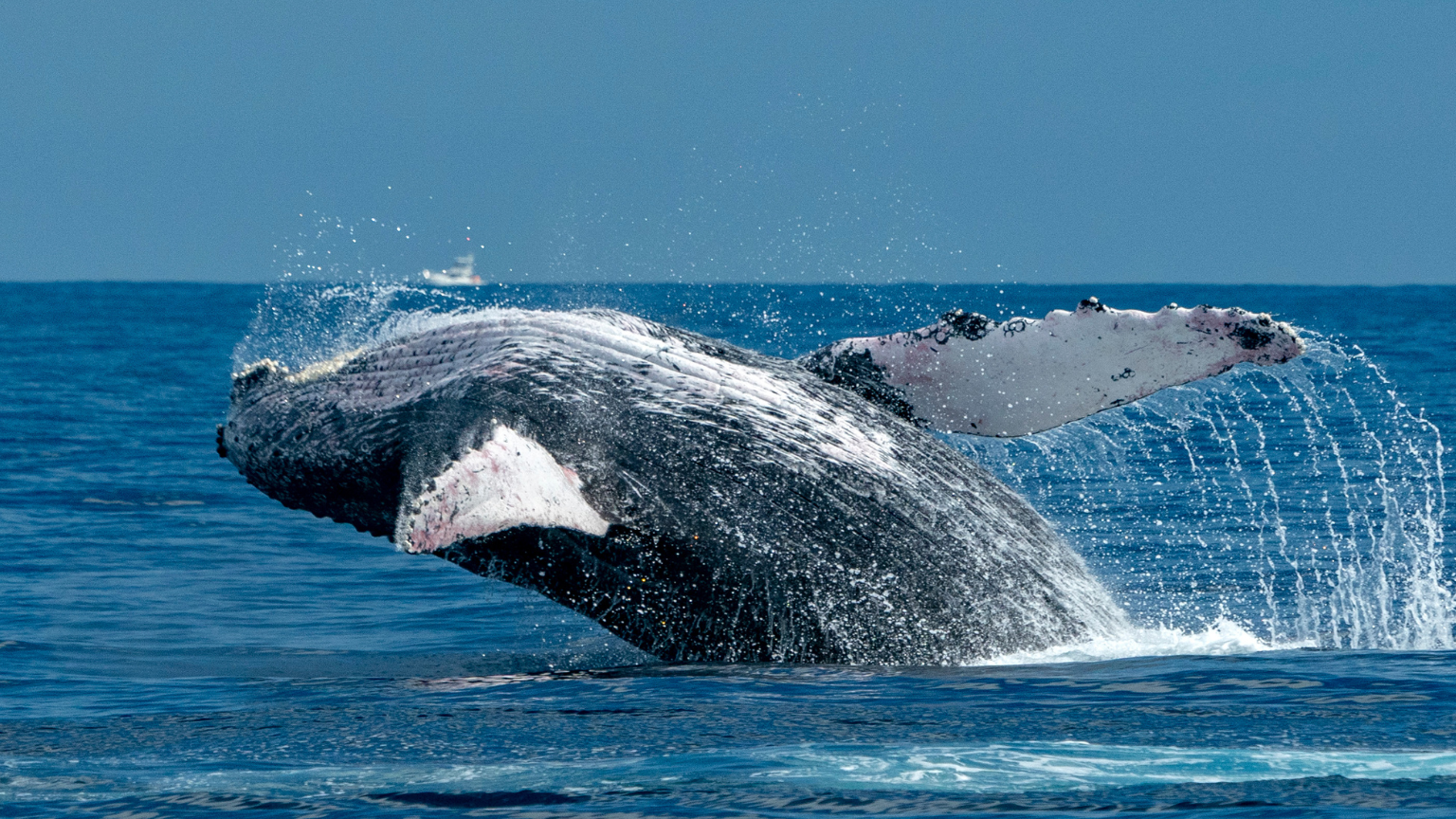
Humpbacks also display shifting migration and feeding spots. Sightings off Vancouver Island and near Campbell River have increased since 2024. Research from Protect our Marine Mammals shows stricter vessel distance rules are in place until May 2026, limiting boats to stay 400 metres away from orcas to reduce disturbance. Despite these measures, whale encounters have risen.
Citizen scientists and researchers from Dalhousie University documented a rare instance of orcas cooperating with dolphins to hunt salmon near the coast. This unexpected behavior, captured on video, points to adaptive strategies as prey availability fluctuates. It marks the first known record of such cross-species hunting collaboration along the British Columbia coast.
What Scientists Say
Marine biologists emphasize the importance of these findings for understanding marine ecosystem changes. Dr. Laura Mills, a key researcher from the Island Packers team, noted, "Orca sightings jumped in 2024, signaling possible shifts in prey distribution and habitat use. These whales show remarkable flexibility but also face new survival challenges."
Genetic studies completed in 2025 further classified transient orca populations around British Columbia. These were split into inner coast groups frequenting nearshore waters and outer coast groups along the open Pacific edge. Such differentiation helps track how whales respond to environmental stresses differently across regions.
Environmental pressures like rising sea temperatures reduce Chinook salmon populations, the favorite orca food source. According to the June 2020 WHALE Report, southern resident orca matrilines spend less time together searching for fewer Chinook salmon, leading to increased ranging offshore and between coastal sites. This affects not only orca feeding but social dynamics.
Professor Lauren Van from Dalhousie University explained, "The collaboration we filmed between orcas and dolphins reveals a surprising level of social complexity. It means these populations might rely on flexible hunting techniques as traditional prey movements change." This work challenges old assumptions about fixed whale behaviors and encourages more adaptive conservation planning.
How to Experience It
Travelers to British Columbia have new chances to spot whales beyond common locations and times. Whale watching tours around Vancouver Island remain top choices. Companies like Island Packers report longer orca sighting seasons and more frequent humpback appearances in 2024 and 2025. Tours often run from spring through fall, with some sightings now extending into winter months.
Eco-tour operators strictly follow vessel distance rules, such as staying at least 400 metres from orcas as per government regulations valid until May 31, 2026. Responsible watching reduces stress on whales and supports ongoing research efforts through citizen observations and photography.
Visitors can also learn about the complex marine environment through local interpretive centers and guided hikes along the Salish Sea coast. Combining whale watching with bear sightings and other wildlife encounters creates a richer understanding of British Columbia’s ecosystems.
For those interested in the science behind these changes, various organizations offer talks and workshops. Protect our Marine Mammals and local marine research institutes welcome public engagement. They promote stewardship by sharing the latest research and encouraging respectful wildlife interaction.
This shift in whale behavior highlights exploration’s evolving role in helping people grasp how climate change impacts ocean life. Watching whales adapt in near real-time connects travelers and scientists to ongoing natural history stories unfolding in one of Canada’s richest marine areas.
These developments remind us that exploration is not just about discovering new places but understanding how familiar environments transform over time. The Salish Sea's shifting whale routes reflect broader changes at ocean scales, urging both caution and curiosity as these marine giants navigate their future.
This article was written by Will and edited with AI assistance.