

Walking through a city provides an unmatched way to truly soak in its atmosphere. From quirky cafes and captivating museums to inviting neighborhoods, American cities that prioritize pedestrian access encourage both residents and visitors to explore on foot. These urban centers focus on walkability by offering well-kept sidewalks, handy amenities, and plenty of parks and green retreats.
New York City, NY: The Ultimate Walkable Metropolis
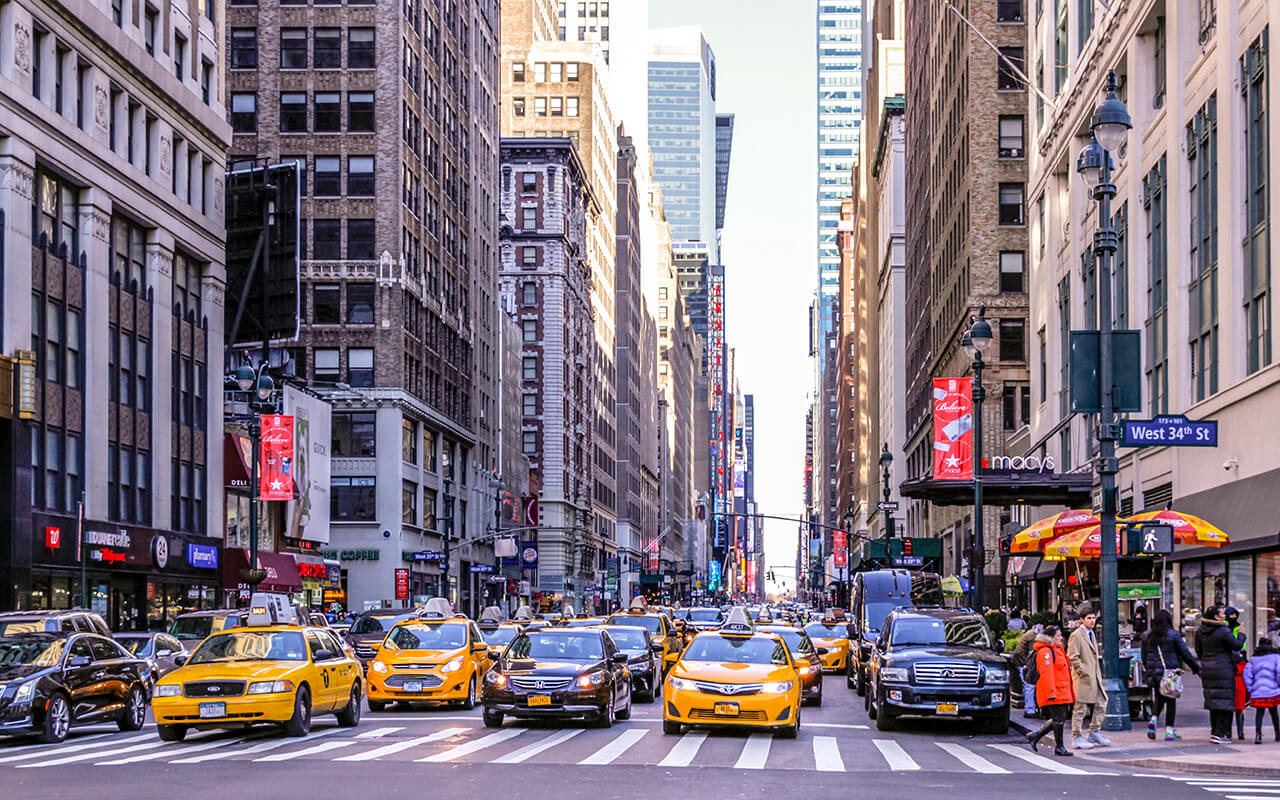
New York City stands out for its exceptional walkability, boasting a dense concentration of attractions spanning Uptown Manhattan down to the Financial District. Each area is packed with conveniences like art galleries, grocery stores, schools, and parks. Its vast public transit network-including over 665 miles of subway rails operating around the clock, along with a comprehensive bus system, public bike options, and well-maintained sidewalks-makes ditching the car a realistic lifestyle for many New Yorkers.
Los Angeles, CA: Walkable Gems Amid the Car Culture
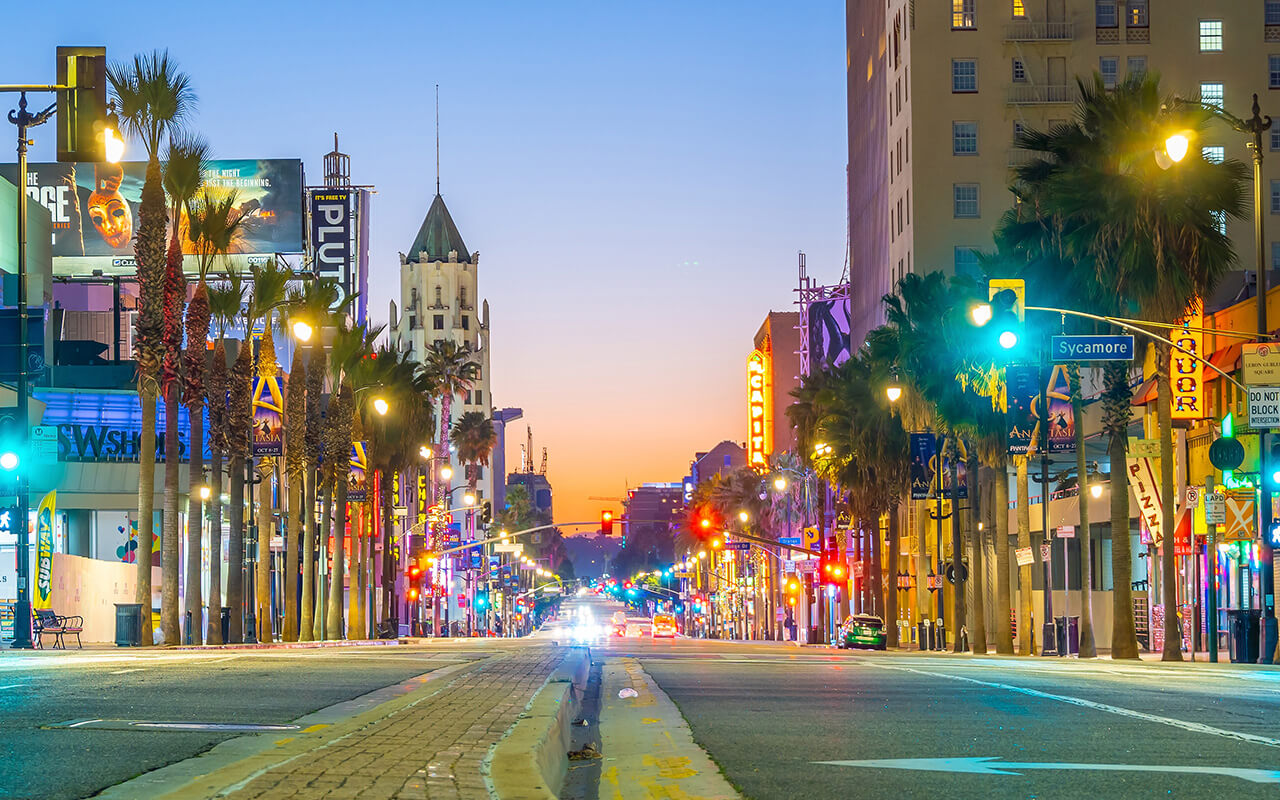
Although LA is famous for its car dependency, it also offers lively walkable pockets. Hollywood invites leisurely strolls along iconic spots like the Walk of Fame, while nearby Larchmont Village blends small-town charm with cozy cafes and unique boutiques. Both neighborhoods make exploring cultural attractions and local favorites on foot a breeze. Plus, with more than $900 million already invested in public transit improvements before the 2028 Olympics, the city is steadily enhancing its pedestrian and transit-friendly infrastructure.
Pittsburgh, PA: A Walker's City with Scenic Hills and History
Pittsburgh’s compact neighborhoods such as Shadyside and Lawrenceville are perfect for walking, featuring a mix of local shops, eateries, and colorful street art. Its hilly landscape adds scenic flair to strolls, while historic districts like the Strip District highlight the city’s rich past. With abundant green spaces including Schenley Park and Point State Park, residents and visitors alike enjoy peaceful and picturesque walking routes throughout the city.
Philadelphia, PA: America’s Most Walkable City of 2023

Named the country’s most walkable city in 2023 by USA Today, Philadelphia’s design owes much to founder William Penn’s grid plan focused on ease of navigation. Neighborhoods such as Rittenhouse Square, Washington Square West, and Center City East stand out as highly pedestrian-friendly. The city’s manageable size and blend of residential with commercial spaces create vibrant communities that invite exploration on foot for both residents and visitors.
Boston, MA: Historic Streets Made for Walking
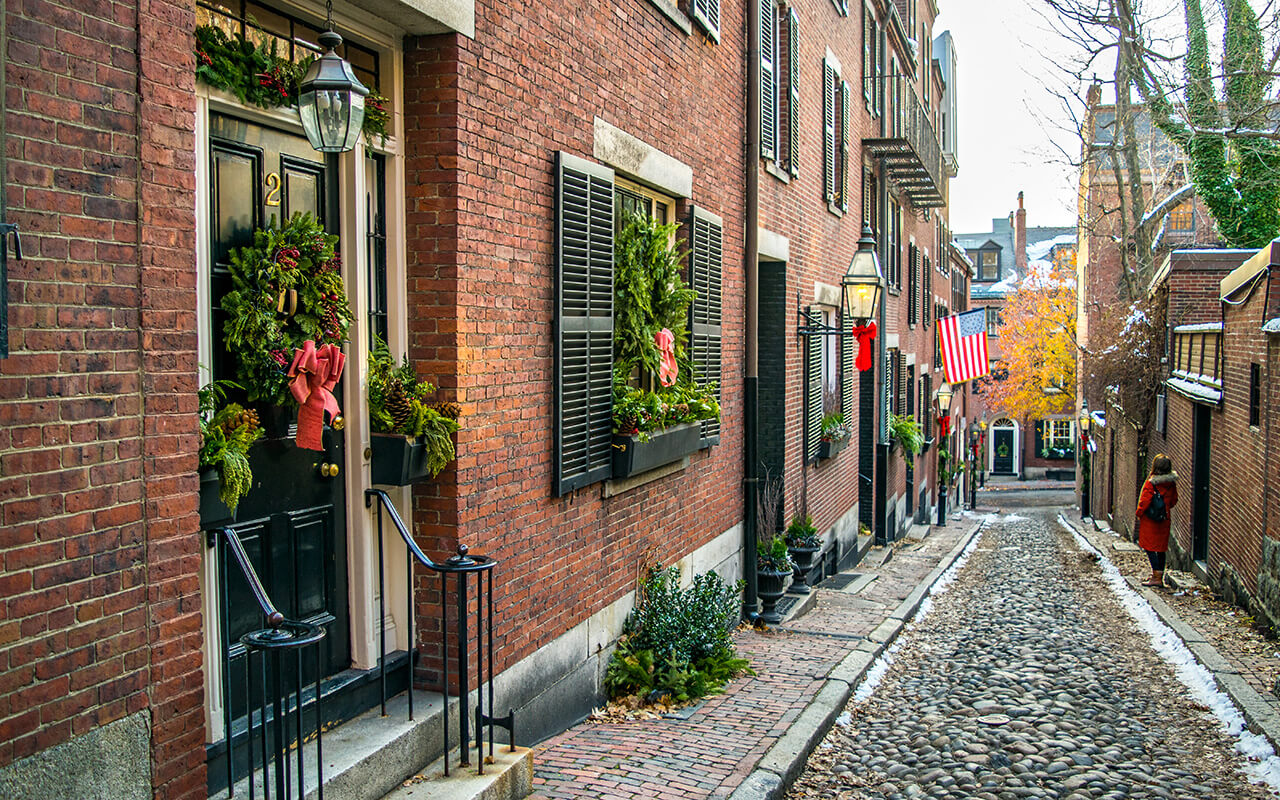
Boston’s compact nature makes it an excellent city for going car-free. Each neighborhood boasts its own vibe-from the historic Freedom Trail and cobbled alleys of Beacon Hill to the lively arts and dining scene in the North End. With accessible public transportation options like buses, trolleys, and the 'T' subway, plus limited parking that discourages driving, the city naturally encourages walking as the preferred way to get around.
Washington, D.C.: A Walk-Friendly Capital with Easy Transit
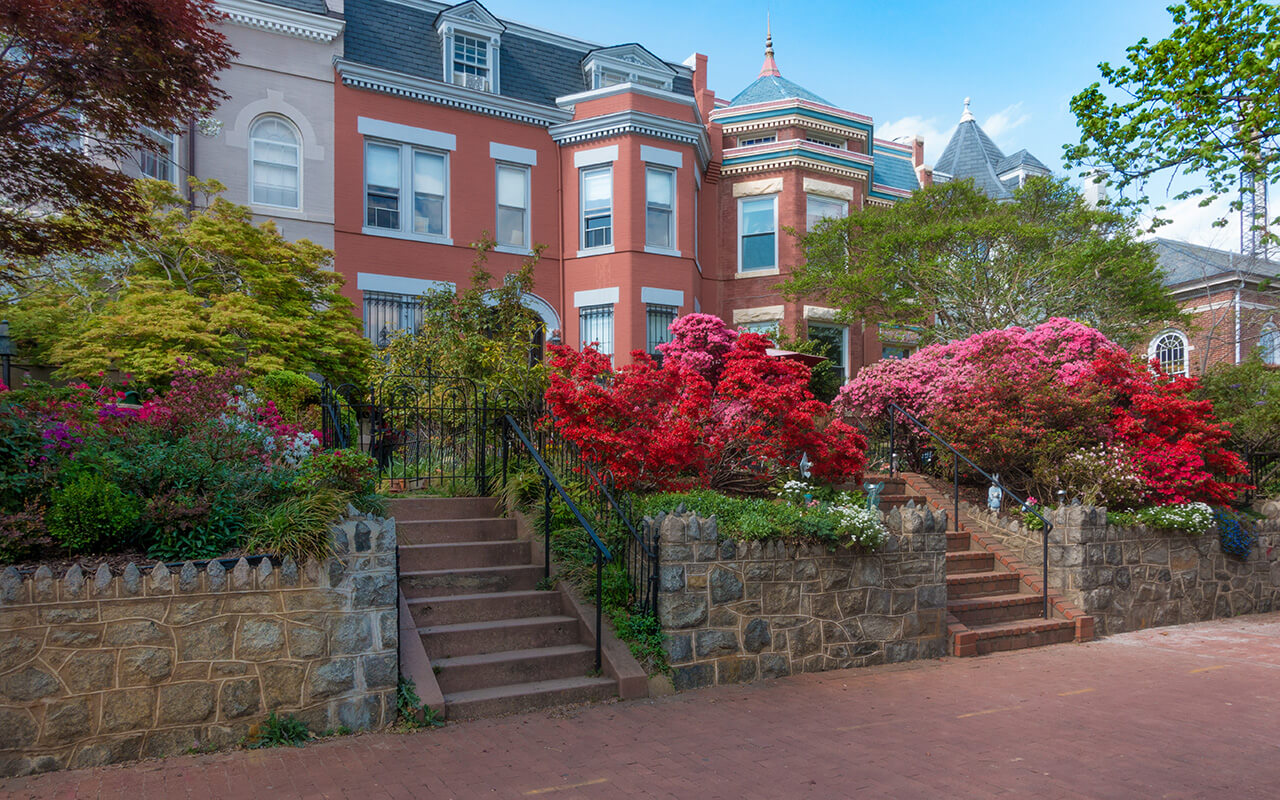
Neighborhoods such as Capitol Hill, Dupont Circle, and Mount Vernon Square are packed with shops, eateries, and parks, all reachable on foot. Washington’s Metrorail system is cleverly designed with a circular central line, making it simple to switch trains and access almost every part of the city and suburbs like Arlington. Combined with bike trails, these features ensure that pedestrians have plenty of options moving around the capital.
Seattle, WA: Walkable Neighborhoods Amid a Car-Centric City
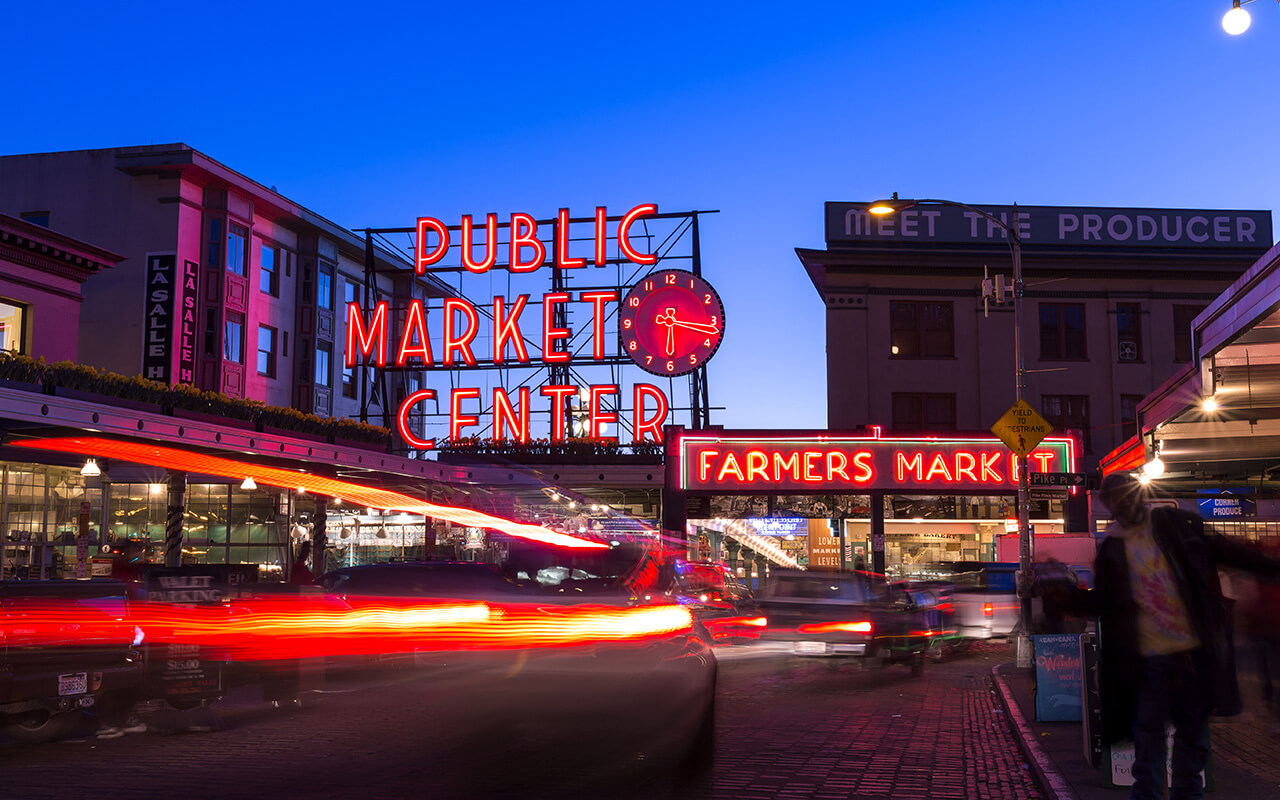
While Seattle is known for being car-dependent overall, it still offers several pedestrian-friendly neighborhoods filled with essential shops and plenty of green areas. Most residents live within a 10-minute walk to a park, perfect for outdoor lovers. Areas like Belltown and the International District provide stunning waterfront views alongside accessible parks, making walking an enjoyable option despite the city’s reliance on cars for longer trips.
Denver, CO: Growing Walkability in Dynamic Districts

Denver is gaining a reputation for walkability, especially in neighborhoods like Lower Downtown (LoDo) and Capitol Hill where dining, shopping, and entertainment spots are all close by. City Park, featuring scenic trails and the Denver Zoo, adds to the pedestrian appeal, while the Cherry Creek Trail offers a beautiful route connecting various city areas, perfect for walkers, joggers, and cyclists alike.
San Francisco, CA: Hills and Walkable Urban Life
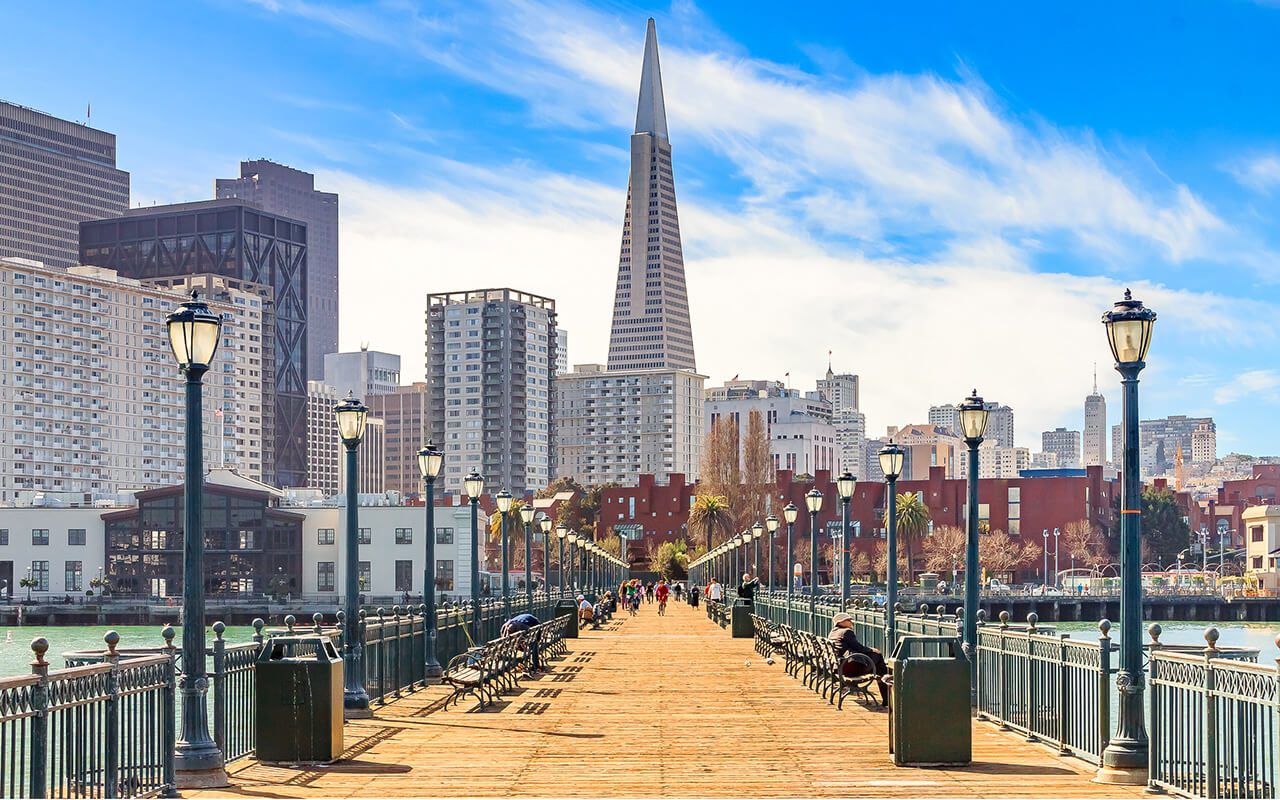
Despite its famously steep hills, San Francisco ranks high on walkability. Its tight-knit neighborhoods are dense with restaurants, grocery stores, and other amenities, all within easy reach. Narrow streets and hilly terrain naturally limit car traffic, making walking a simple and convenient choice. The city also supports pedestrians with wide sidewalks, dedicated walking zones, over 220 public parks, and a robust transit system including buses and historic trolleys.
Portland, OR: A Pedestrian Paradise with Lush Green Spaces

Known for its compact design and excellent public transit, Portland is highly walkable. Neighborhoods blend homes, shops, and eateries closely together, making daily errands and exploring enjoyable on foot. The city’s vast parks-like the famous Forest Park-and well-kept sidewalks further enhance the walking experience, inviting both locals and visitors to take advantage of the pedestrian-friendly environment.
Austin, TX: A Thriving City for Walkers and Outdoor Lovers

Austin shines as a walkable city, with lively areas like Downtown and South Congress filled with music venues, boutiques, and eateries. The pedestrian-friendly Rainey Street Historic District showcases the city’s dedication to accessible infrastructure. Green spaces abound, including Zilker Park’s vast trails and the scenic waterfront path along Lady Bird Lake, making Austin a go-to spot for those who enjoy active street life and nature walks.
Cleveland, OH: Walkable Neighborhoods with Artistic Flair
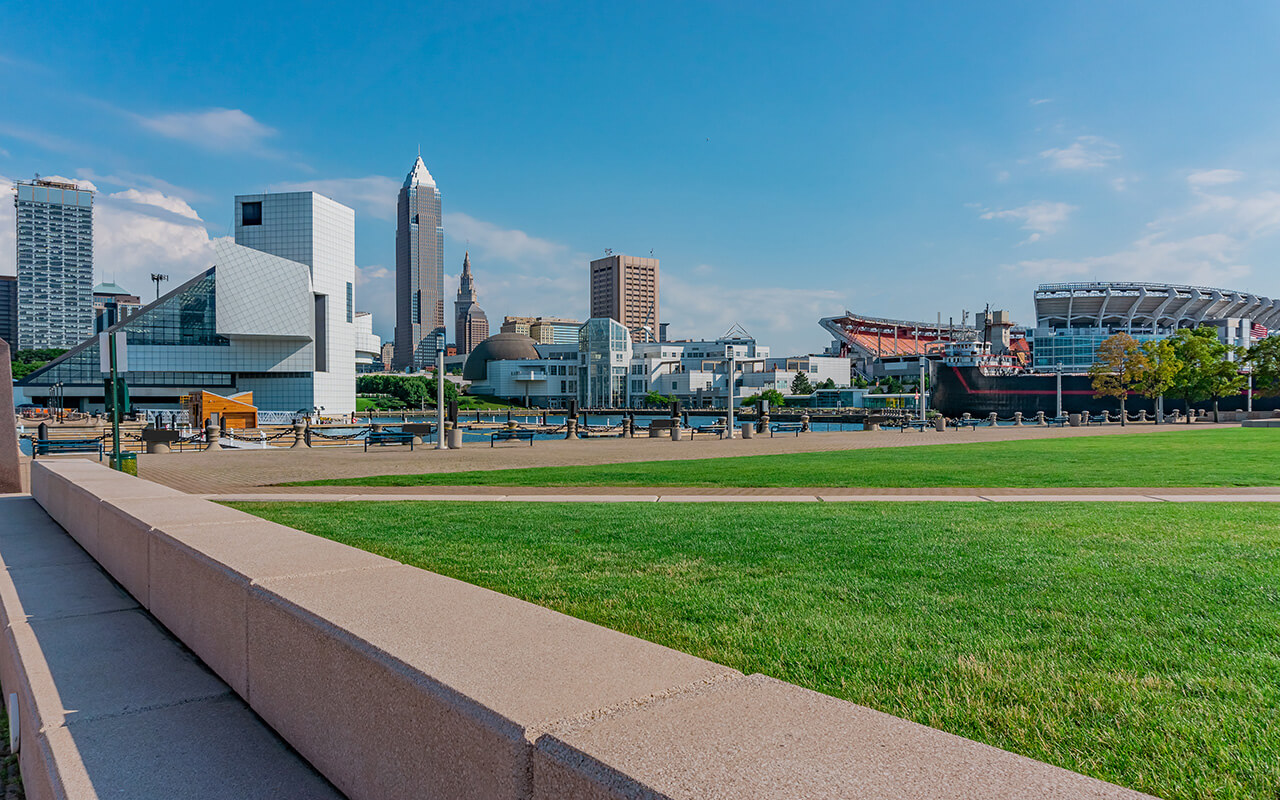
Cleveland offers fantastic walkability, particularly in Ohio City and Tremont, where trendy shops, cafes, and art galleries line bustling streets. Downtown’s pedestrian zones, including the popular East 4th Street, add to the charm. The city’s expansive park system-featuring Cleveland Metroparks and the trails around Edgewater Park-provides serene options for leisurely walks amidst natural beauty.
Houston, TX: Walkable Pockets in a Sprawling City
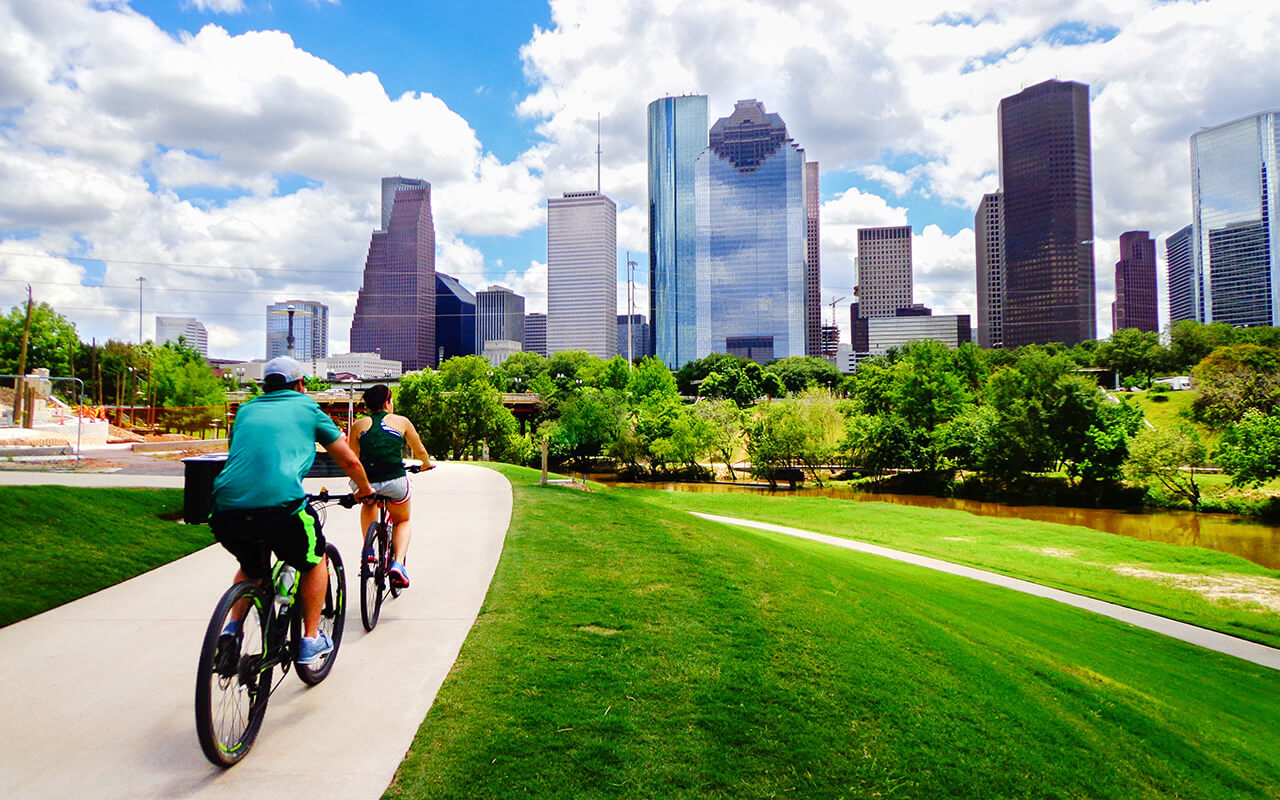
Though Houston is typically known for its spread-out layout, neighborhoods like Midtown and Montrose stand out for their pedestrian-friendliness. Midtown buzzes with nightlife and cultural spots all within easy walking reach, while Montrose impresses with its eclectic mix of shops and dining options. Outdoor lovers can enjoy Buffalo Bayou Park’s scenic trails that are perfect for walking, jogging, or cycling, adding to the city’s growing walkable appeal.
Miami, FL: Walkable Neighborhoods Amid Tropical Warmth
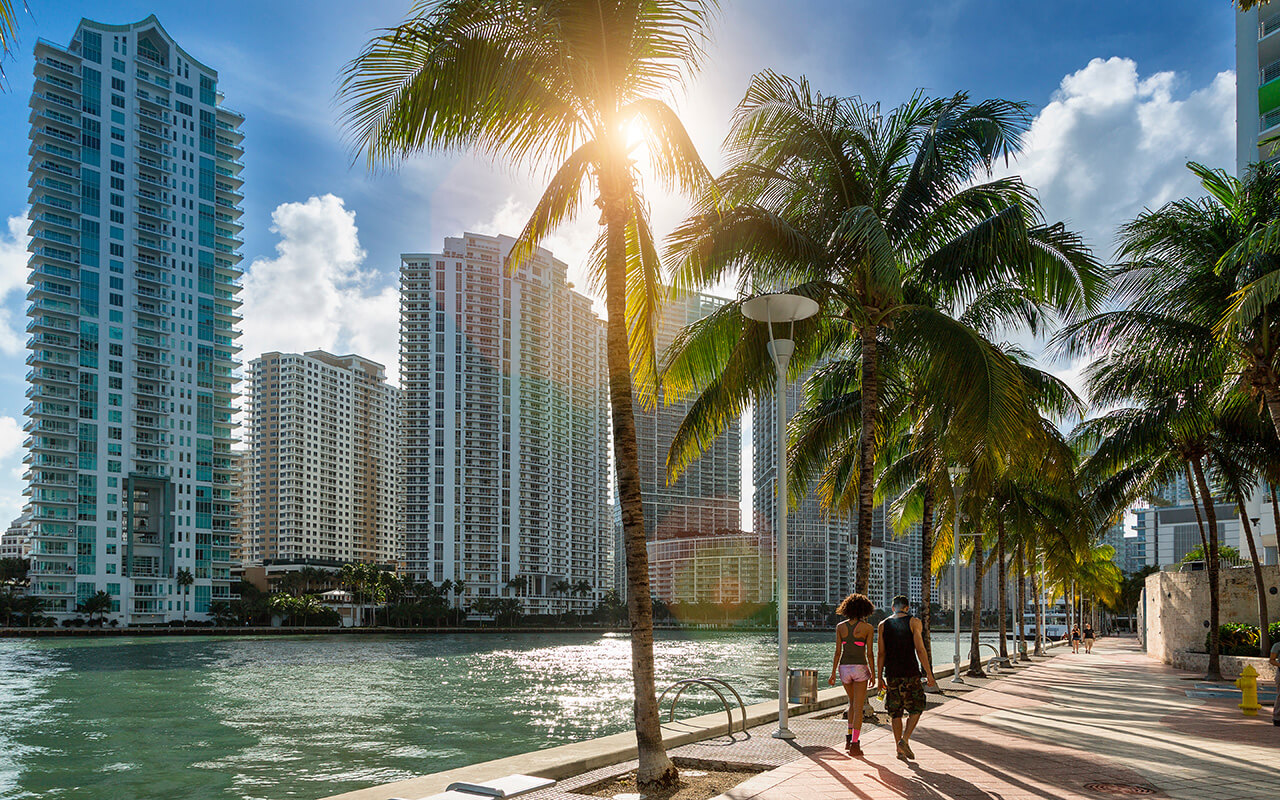
Miami’s humid climate might discourage long walks, but neighborhoods like Coconut Grove, Little Havana, and Brickell are walkable hubs with plenty of local amenities. The city’s expanded Miami-Dade Metrobus routes in 2024 aim to reduce traffic and make getting around easier. Additionally, trails like the Underline, Riverwalk, and Snake Creek Path offer wonderful outdoor routes for walking and biking, letting you enjoy Miami’s natural beauty beyond the bustling downtown.
Minneapolis-St. Paul, MN: A Blend of City Life and Indoor Walkways
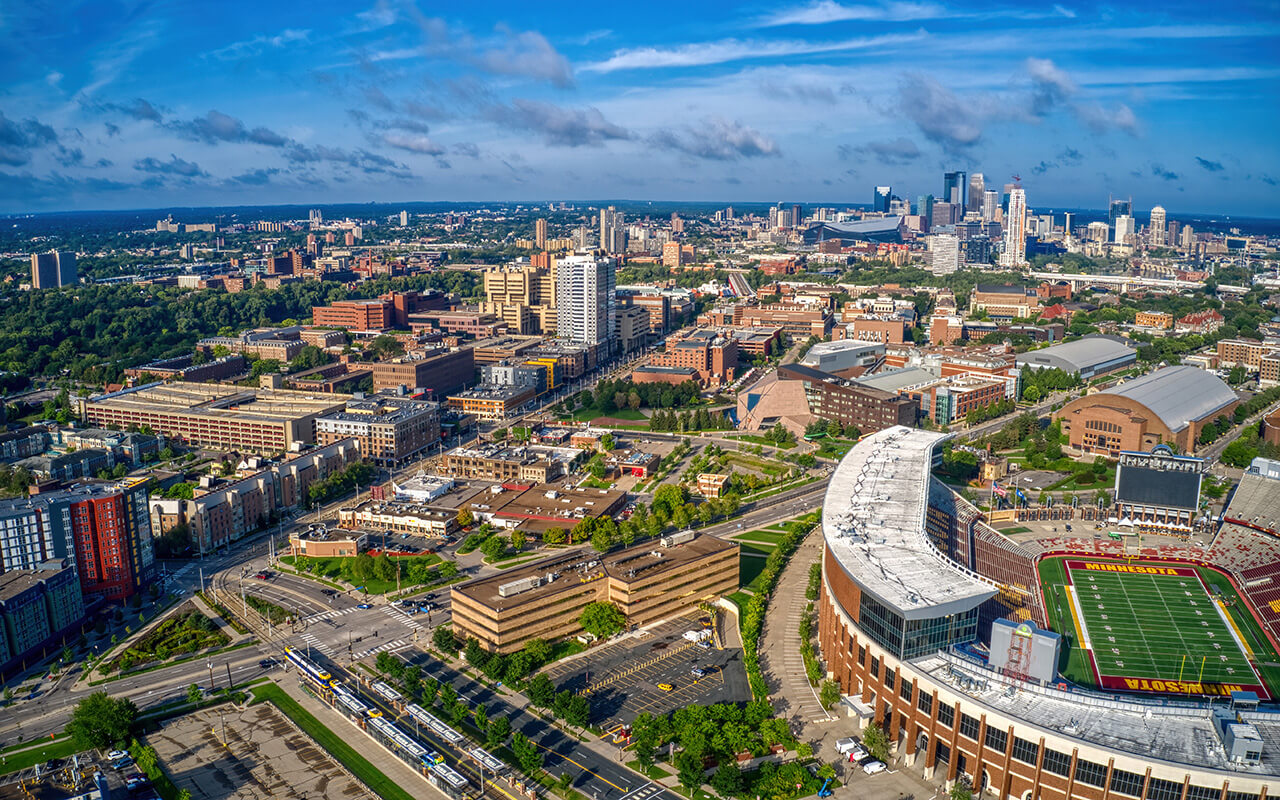
The Twin Cities balance urban excitement with natural spaces well. Uptown and North Loop neighborhoods provide easy walking access to shops, restaurants, and parks. Minnesota’s cold winters are softened by the unique Skyway System-9.5 miles of enclosed, climate-controlled walkways connecting buildings across 80 blocks-allowing pedestrians to enjoy walking year-round, regardless of the weather.
Chicago, IL: Neighborhoods Designed for Walkers
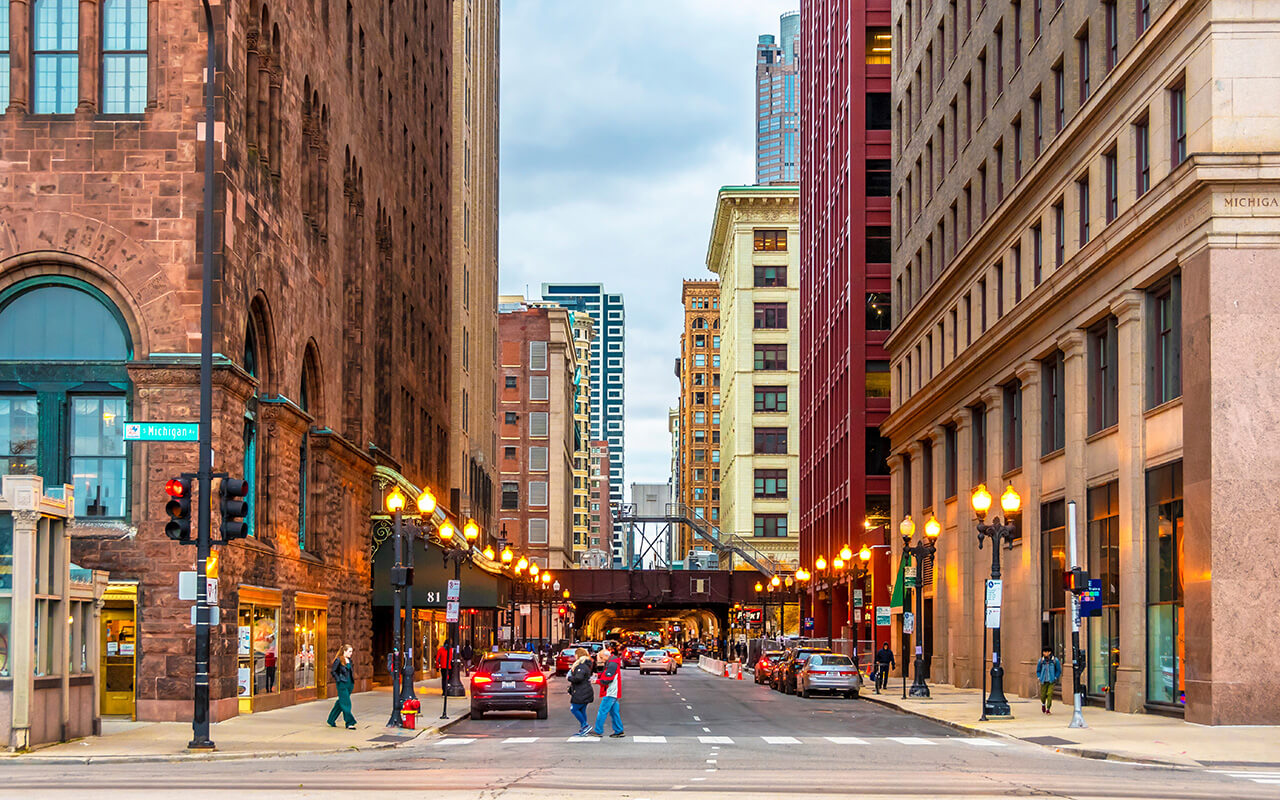
Chicago, known as the 'City of Neighborhoods,' features over 100 unique communities within 77 areas, many of which are highly walkable, especially near Downtown. Well-connected sidewalks link vibrant neighborhoods like Ukrainian Village, Oak Park, and West Loop. The city’s parks and waterfront spaces, including Lincoln Park and the picturesque Bloomington walking trail, offer refreshing spots for summertime strolls before the chilly winters arrive.
Atlanta, GA: Increasingly Walkable Urban Districts
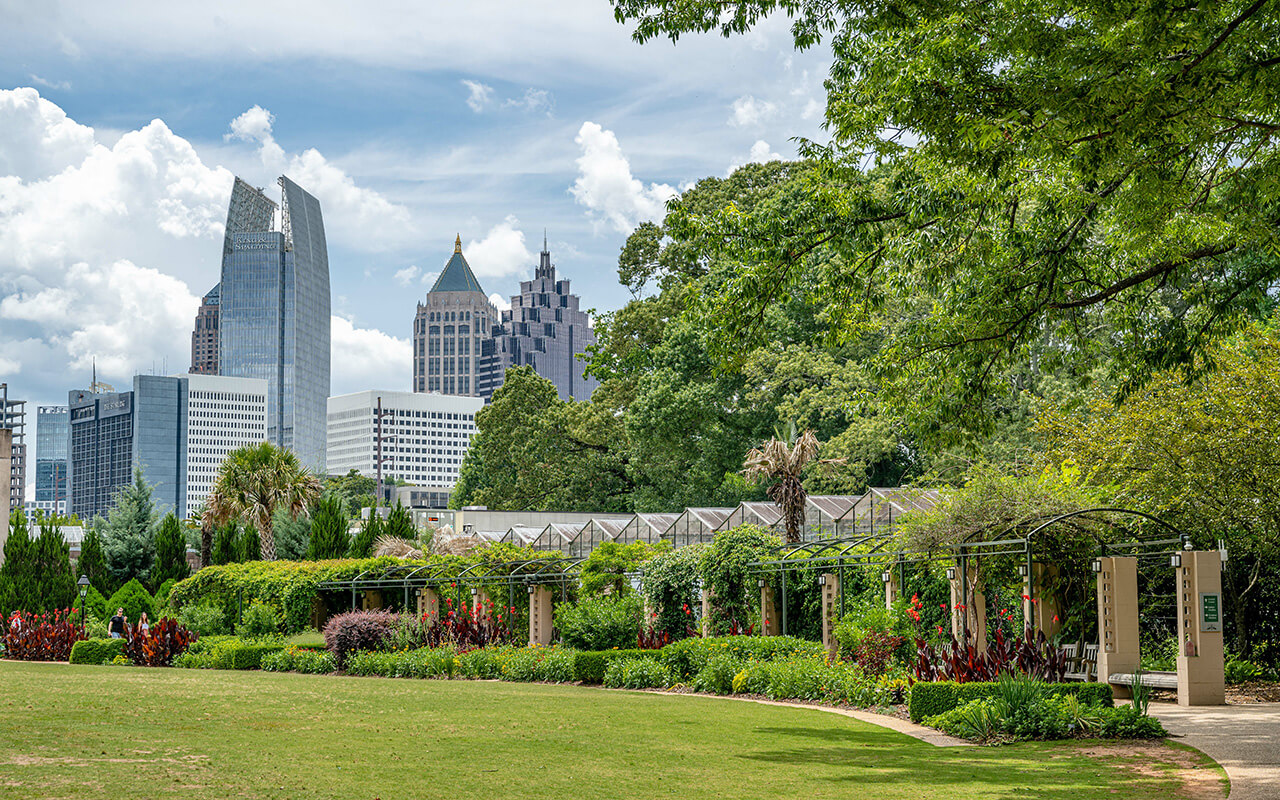
Traditionally auto-focused, Atlanta is making strides with walkable neighborhoods such as Midtown and Virginia-Highland. In these districts, residents can easily walk to parks, shops, and restaurants. Piedmont Park, the city’s largest green space, features extensive trails and anchors Midtown’s pedestrian appeal. Moreover, the BeltLine trail links various neighborhoods, improving pedestrian connectivity and making the city more walk-friendly.
Columbus, OH: A Walkable City Rich with Culture and Greenery
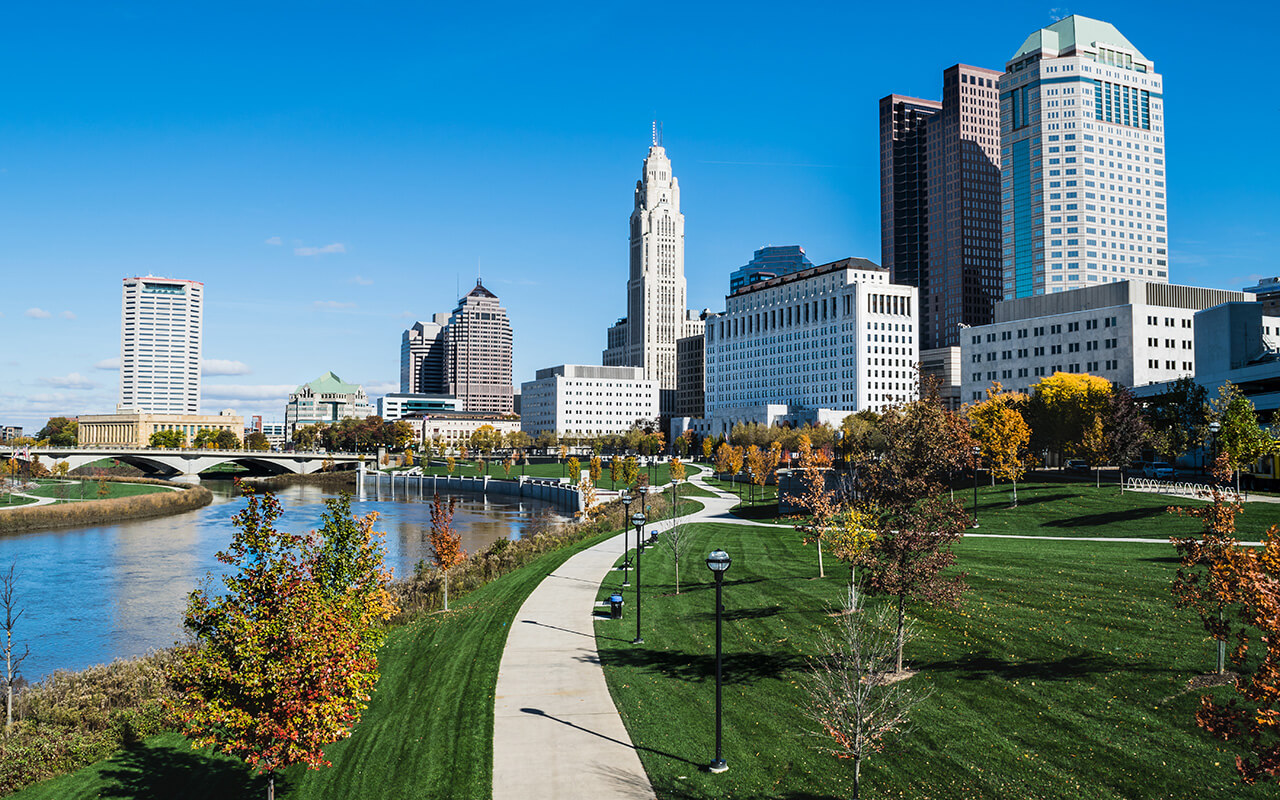
Columbus stands out for its pedestrian-friendly neighborhoods like the Short North and German Village. The Short North is packed with art galleries, trendy shops, and diverse dining all within walking distance, while German Village enchants with its brick-paved streets and historic homes. Outdoor enthusiasts will appreciate the Scioto Mile’s riverfront parks and scenic trails, perfect for either casual strolls or active outings.
Charlotte, NC: Vibrant Walkable Neighborhoods with Green Spaces

Charlotte offers great walkability, especially in neighborhoods like Uptown, boasting impressive skyline views alongside local restaurants and cultural attractions. South End is famous for its energetic brewery scene and public art, connected by the Rail Trail-ideal for walking. The city’s numerous parks, including Freedom Park and Romare Bearden Park, provide beautiful paths that make exploring Charlotte on foot both fun and convenient.
Baltimore, MD: Stroll Through Historic and Scenic Neighborhoods
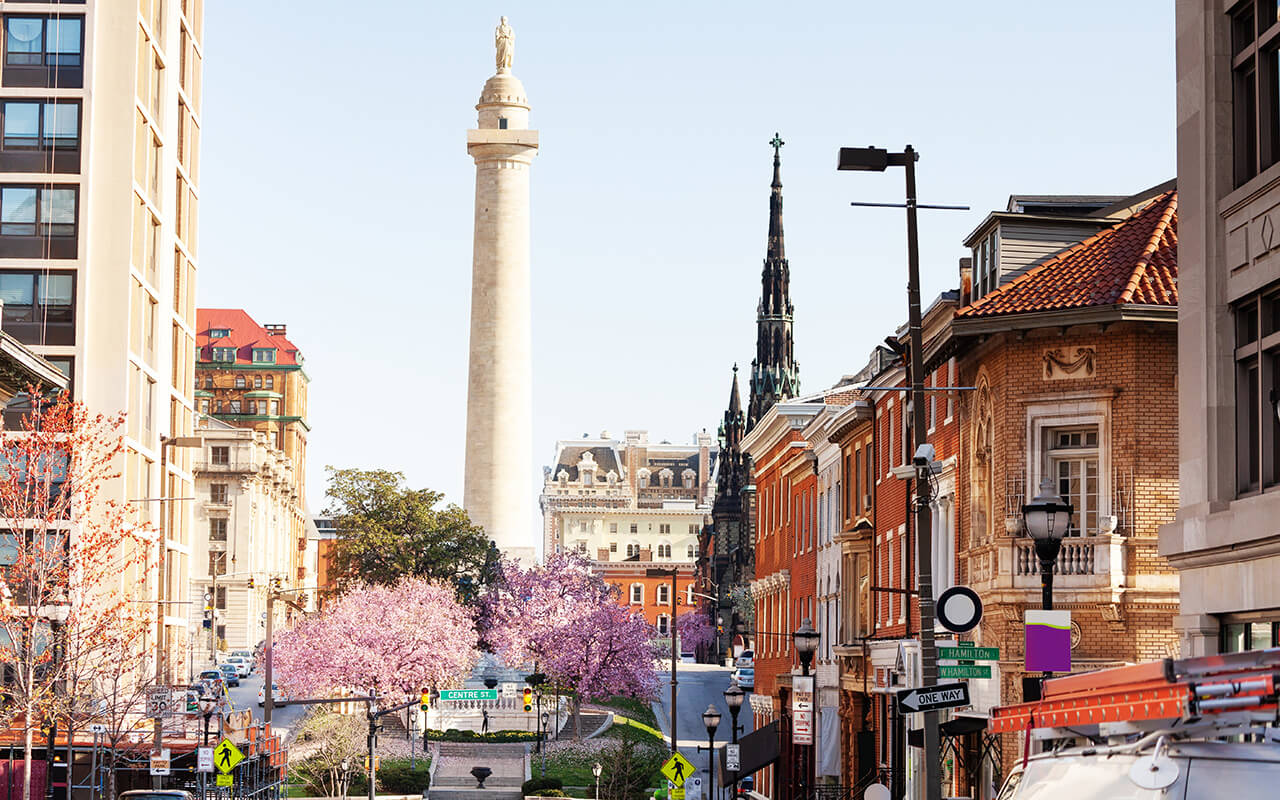
Baltimore delights pedestrians with its varied neighborhoods and lovely parks. Fells Point offers charming waterfront views and cobblestone streets, while Hampden captivates with its unique shops and eateries. The bustling Inner Harbor promenade features attractions like the National Aquarium, and Druid Hill Park provides peaceful trails surrounded by greenery. Baltimore’s compact layout combined with pedestrian-friendly paths makes walking through the city a truly enjoyable experience.
This article was written by Hunter and edited with AI assistance. The Daily Dive travel desk uses AI-assisted visuals and content that were reviewed and approved by our editors prior to publication.