

A Quiet Shift in Where People Go
Vietnam’s tourism map is changing as more visitors look past the biggest names and head for smaller, less commercialized places. According to a recent Agoda report, searches for secondary destinations in Vietnam rose 9% in the first half of 2025 compared with the same period in 2023. The trend points to a growing interest in rural landscapes, slower-paced towns, and authentic cultural encounters. It also opens fresh opportunities for communities outside the country’s top ten destinations. For travelers, that means wider choices and a chance to experience Vietnam with fewer crowds. For the industry, it suggests a broader, more balanced future beyond the standard circuit.
What “Secondary Destinations” Mean in Vietnam
In this context, secondary destinations are places outside Vietnam’s ten most-visited hubs—well-known cities and beach favorites such as Hanoi, Ho Chi Minh City, Da Nang, Hoi An, Ha Long, Nha Trang, Phu Quoc, Vung Tau, Phan Thiet, and Da Lat. These classic stops will always draw large numbers, but more travelers now want the texture of smaller towns and rural regions. They’re chasing local markets, mountain passes, and nature reserves rather than high-rise resorts. The appeal is simple: quieter streets, deeper cultural interactions, and landscapes that feel untouched. As a result, the map of where visitors search, book, and spend is gradually widening.
Four Emerging Regions to Watch
Thanh Hoa
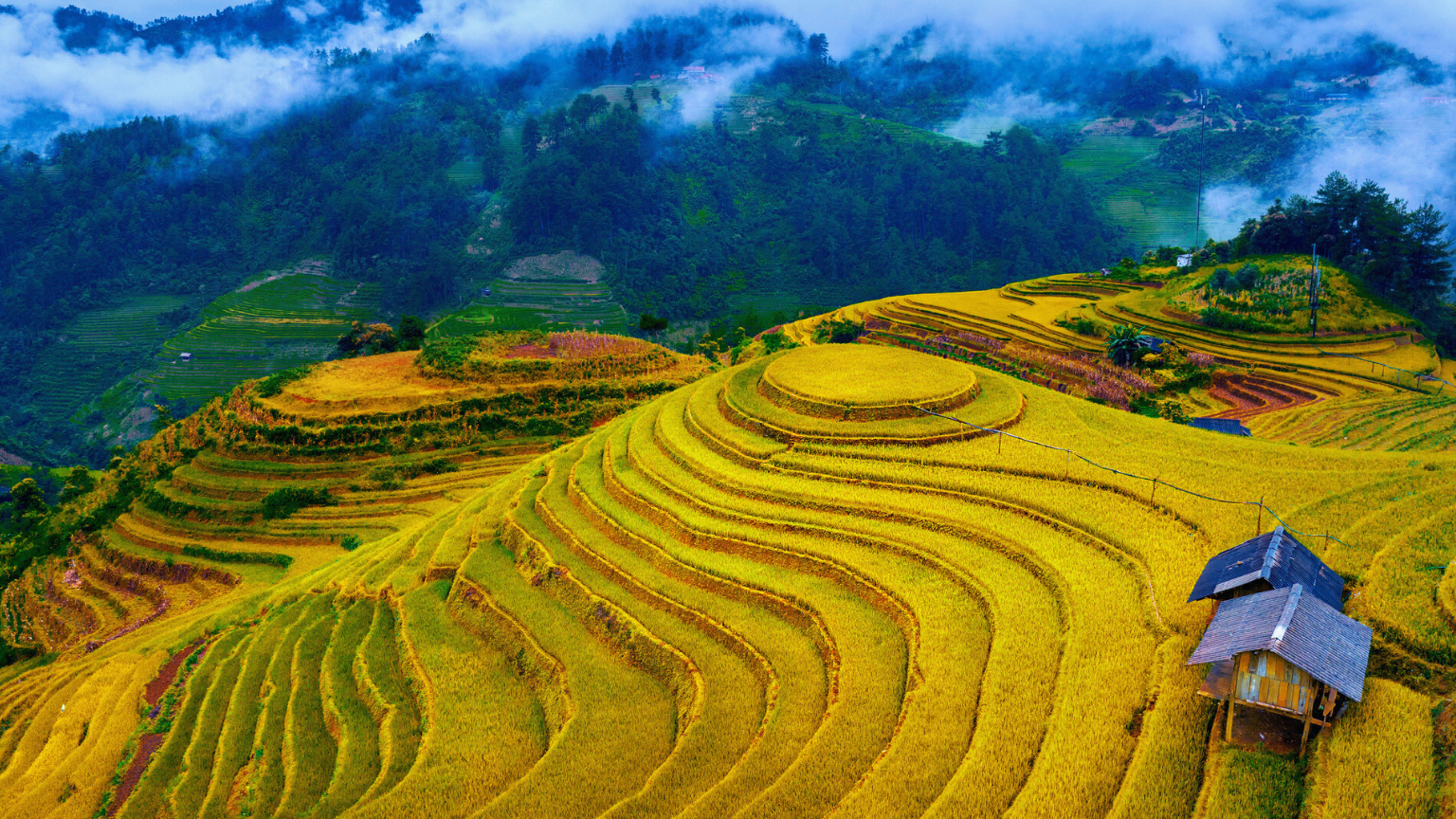
In northern Vietnam, Thanh Hoa blends culture with striking scenery. Pu Luong Nature Reserve anchors the appeal with terraced rice fields, stilt-house villages, and forested trails. Beyond nature, the province’s historic sites and nearby heritage landscapes make an easy alternative to more crowded northern icons. Visitors come for the slower rhythm and stay for the views that shift with every bend in the valley. It’s an accessible gateway to rural life without losing basic comforts.
Nghe An
A mix of beaches and biodiversity defines Nghe An. Cua Lo Beach offers broad sands and sunrise strolls, while Pu Mat National Park draws nature lovers with rich wildlife and forest treks. The province’s mosaic of ethnic cultures adds festivals, food, and crafts to the itinerary. Travelers can pair time by the sea with day trips inland for waterfalls and cool mountain air. It’s a balanced option for those who want both culture and nature.
Ha Giang
Often called Vietnam’s last great frontier, Ha Giang rewards the adventurous. The Dong Van Karst Plateau delivers switchback roads, sheer limestone cliffs, and valleys etched with stone walls. Markets bustle with H’mong, Tay, and Dzao communities, and each bend reveals a new panorama of peaks and fields. Motorbike loops and guided drives make the terrain accessible while keeping the sense of discovery intact. For travelers who want wild beauty and vivid culture, this is a standout.
Tam Dao
Just 70 kilometers from Hanoi, Tam Dao offers a cool-climate retreat in the clouds. Colonial-era villas, misty forests, and hillside cafes set a calm mood far from the city rush. Hiking paths weave through dense greenery, and viewpoints open to rolling ridges. It’s an easy add-on to a northern itinerary and a welcome reset during warmer months. Many visitors use it as a gentle first step into Vietnam’s highlands.
Why Travelers Are Branching Out
Better Access and Infrastructure
New highways, improved roads, and a denser network of domestic flights have made smaller provinces easier to reach. Upgrades to hotels, homestays, and visitor services mean you can go off the main trail without sacrificing basics. The result: more confidence to explore beyond big-name hubs.
Cultural Tourism With Depth
Local authorities and community groups are spotlighting heritage—markets, crafts, music, and seasonal festivals—to draw visitors into everyday life. Guided experiences are increasingly designed around respectful interaction, helping travelers understand traditions rather than just observe them. That approach sets secondary destinations apart from busier city centers.
A Push for Authenticity—and Space
Many visitors want quieter streets, slower meals, and time to talk with people who live there. Smaller destinations offer that breathing room. Fewer crowds also mean better photos, less waiting, and more meaningful moments—whether at a mountain market or a village rice harvest.
Opportunities—and What to Watch
A Boost for Local Economies
As attention shifts, money follows. Family-run homestays, market vendors, outfitters, and guides all benefit from a steadier stream of guests. Tourism can fund conservation projects, keep traditional crafts alive, and create jobs that encourage young people to stay local.
Sustainability Has to Lead
Growth brings pressure. Fragile ecosystems, narrow roads, and heritage sites can strain under sudden popularity. Responsible travel—small-group tours, community-led itineraries, waste reduction, and fair wages—helps keep destinations resilient. With clear planning and community involvement, regions can welcome more visitors without losing what makes them special.
The Road Ahead
Vietnam’s best-known destinations will remain popular, but the future is wider than a handful of big names. As infrastructure improves and cultural programming expands, secondary regions will take a larger share of the spotlight. Travelers will benefit from richer choices and more varied experiences, while local communities gain steady, sustainable income. The shift toward lesser-known places doesn’t replace the classics—it rounds out the story of Vietnam, adding new chapters in valleys, villages, forests, and quiet hill towns.
Tips for Planning a Crowd-Light Vietnam Trip
- Mix your itinerary. Pair one or two marquee cities with a secondary province for balance.
- Travel in shoulder seasons. You’ll often find gentler weather and fewer crowds.
- Book local. Choose community-led tours, homestays, and guides to deepen your experience and keep money in the region.
- Go light and low-impact. Refill water bottles, respect local customs, and stick to marked trails.
- Leave time to wander. The best moments often happen between the “must-sees”—at a morning market, on a village path, or over tea with a new friend.
Bottom line: Vietnam’s rising interest in lesser-known destinations reflects an appetite for authenticity, space, and meaningful connection. If you’re ready to look beyond the usual stops, the country is full of places where the welcome is warm, the scenery is fresh, and the pace invites you to stay a little longer.
Follow us on MSN for all your travel and lifestyle tips.
This article was written by Hunter and edited with AI Assistance