

Venice, with its iconic waterways and historic charm, sets a high bar for picturesque beauty. But, it's not the only European city where water and culture intertwine in a mesmerizing dance. Across Europe, there are hidden gems where rivers flow through ancient towns, creating postcard-perfect scenes and offering unique experiences away from the crowds. Let's glide through some of Europe's most captivating river towns that might just give Venice a run for its money.
1. Annecy, France (Known as the "Venice of the Alps")

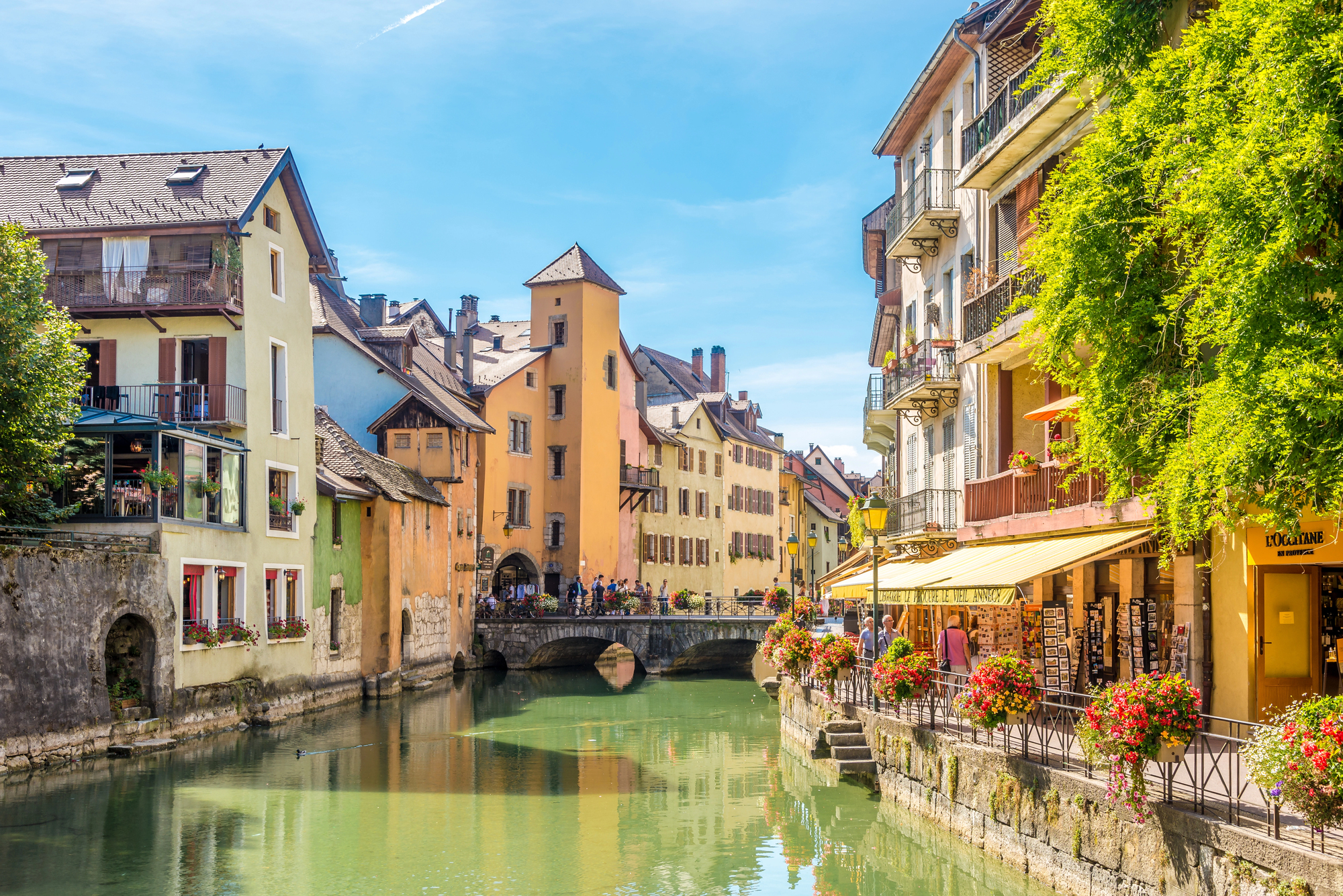
Annecy, nestled in the French Alps, boasts a stunning old town threaded by small canals and streams that flow into its pristine lake. The pastel-colored houses and floral-decked bridges make the town look like it's sprung out from a storybook. In the heart of the town, the Palais de l’Isle, a 12th-century castle-turned-prison, now serves as a fascinating museum. Visitors can enjoy boat rides on the lake or stroll along the canals, basking in the town's peaceful ambiance. Annecy's blend of scenic beauty and historic charm indeed rivals that of Venice, offering a serene escape into nature.
2. Bruges, Belgium (Where swans glide on canals)

Bruges is often hailed as the Venice of the North, thanks to its well-preserved medieval buildings and a network of canals that add to its fairy-tale atmosphere. The cobblestone streets and historic market squares are lined with chocolate shops and cozy cafes, inviting visitors to slow down and soak in the charm. The town's Belfry towers over the market square, offering panoramic views of the city and its canals. Swans are a common sight, adding an extra layer of enchantment to the waterways. Bruges is a feast for the senses, with its blend of history, architecture, and gastronomy.
3. Cochem, Germany (A castle overlooking the Moselle River)

Cochem captivates visitors with its postcard-worthy scenery, featuring a majestic castle perched high above the Moselle River. The Reichsburg Castle, dating back over a thousand years, offers guided tours that provide a glimpse into the medieval past. The town itself is a maze of narrow streets, wine taverns, and half-timbered houses, embodying the quintessential German fairytale town. Boat tours on the Moselle offer stunning views of the vineyard-clad hillsides. Cochem's combination of natural beauty, historical depth, and wine culture creates a riveting experience comparable to Venice's allure.
4. Ghent, Belgium (A vibrant blend of water and culture)

Ghent's medieval architecture, reflecting in the waters of its canals, tells stories of a rich past where waterways were vital trade routes. Today, those same canals are lined with bustling cafes, contemporary art spaces, and lively markets. The Gravensteen, a 12th-century castle in the heart of the city, offers a dramatic backdrop to the gentle flow of the river. Ghent's charm lies in its ability to balance its historical heritage with a vibrant cultural scene. It's a city where tradition and modernity coexist seamlessly, making it a compelling alternative to Venice.
5. Cesky Krumlov, Czech Republic (A UNESCO World Heritage site)

This enchanting town, with its Bohemian Castle set against the curve of the Vltava River, seems untouched by time. Cesky Krumlov's winding streets lead to hidden gardens, quaint shops, and riverside cafes. The castle, with its Baroque gardens and intricate architecture, offers breathtaking views of the town and river below. The Vltava River is perfect for leisurely rafting, offering a unique perspective on the town's beauty. Cesky Krumlov's historic charm and natural beauty make it a worthy contender for those seeking the magic of Venice away from the throngs of tourists.
6. Porto, Portugal (Famous for its wine and river)

Porto, where the Douro River meets the Atlantic Ocean, is celebrated for its rich history, port wine, and stunning riverside landscapes. The Ribeira District's colorful, tiled buildings cascade down to the riverbank, offering enchanting views and cozy eateries. Wine enthusiasts can explore the famous port wine cellars across the river in Vila Nova de Gaia. The Dom Luís I Bridge, an iconic double-deck metal arch bridge, provides spectacular views of the city and river. Porto's blend of cultural heritage, culinary delights, and scenic beauty presents a compelling European river town experience.
7. Strasbourg, France (Where France meets Germany)

Strasbourg sits on the border of France and Germany, and its architecture, culture, and cuisine reflect this blend beautifully. The Ill River encircles the Grand Île, the city's historic center and a UNESCO World Heritage site, making it perfect for boat tours that offer views of half-timbered houses and the towering Notre-Dame Cathedral. Petite France, the most picturesque district, is brimming with charming canals, flower-laden balconies, and traditional Alsatian eateries. Strasbourg's famous Christmas market adds an extra layer of charm in the winter months. This city, where two cultures merge, offers a unique experience that rivals the charm of Venice.
8. Stockholm, Sweden (Spread across 14 islands)

The capital city of Sweden, Stockholm, is known as the Venice of the North because it sprawls across 14 islands, all connected by over 50 bridges. The city's waterways and green spaces blend seamlessly with historic sites and modern Scandinavian design. Gamla Stan, the old town, is a maze of medieval streets, royal palaces, and the majestic Stockholm Cathedral. The city's archipelago can be explored by ferry, offering stunning views of the Baltic Sea. Stockholm's unique geographical setting and rich cultural tapestry make it a fascinating alternative to Venice.
9. Utrecht, Netherlands (With its unique wharf system)

Utrecht's centuries-old canals are unique, featuring lower-level quays that allow visitors to walk along the water's edge or dine at waterfront cafes. This Dutch city combines its medieval charm with a lively, youthful vibe, thanks to its large student population. The Dom Tower, standing tall above the city, offers panoramic views that are especially breathtaking at sunset. Utrecht's Museum Quarter is packed with art and history, while the canals themselves host a variety of boat tours. This blend of history, culture, and innovation provides a refreshing take on the European river town, making Utrecht a hidden gem worth visiting.
10. Ljubljana, Slovenia (A capital with a green heart)

Ljubljana, Slovenia's capital, is celebrated for its green spaces, vibrant cultural scene, and river that snakes through the city center. The Ljubljanica River, with its picturesque bridges and riverside cafes, is the lifeblood of the city, offering a peaceful yet lively atmosphere. Ljubljana Castle, perched on a hill above the city, provides history lovers with a glimpse into the past, as well as panoramic views. The city's commitment to sustainability is evident in its car-free city center, making it ideal for exploring on foot or by bike. Ljubljana's charm, green initiatives, and bustling river life make it an enchanting European river town that stands on its own against Venice.
This article was written by a human and edited with AI Assistance