

Venice is beautiful, but it is also crowded, pricey, and increasingly fragile. If you want canals, history, and waterfront charm without the shoulder to shoulder sidewalks, Europe is full of places that deliver atmosphere with room to breathe. These fifteen towns pair old world architecture with sea breezes, river views, and easy day trips. You will find small harbors lined with cafes, quiet bridges made for sunset photos, and family owned restaurants that still know their regulars by name. Trains and ferries make most of these spots simple to reach, and many are perfect bases for a long weekend. Bring good shoes, a flexible plan, and a promise to explore kindly.
Treviso, Italy

If you want Venetian canals without the crush, start in Treviso. The Sile and Botteniga rivers braid through town, slipping under flower lined bridges and old brick walls. Frescoed palazzi rise over narrow streets that feel local and lived in, with cicchetti bars pouring spritzes to people who actually work nearby. Piazza dei Signori anchors the historic center and becomes your natural meeting point between gelato breaks. You can cycle the flat Sile River path past waterwheels and herons, or take a short train ride to the Prosecco hills for winery tastings. Venice is 30 to 40 minutes by rail, but most visitors discover there is no need to leave.
Chioggia, Italy

Chioggia is the Venetian lagoon’s salty little sibling, a fishing town where laundry flaps over canals and market stalls brim with the morning catch. Corso del Popolo runs straight through town, ending at a harbor filled with colorful boats and wooden masts. Climb the bell tower of the Church of San Andrea for a rooftop view of bridges and working waterfront. Lunch is simple and perfect here, from grilled sardines to creamy risotto di go served in family run trattorie. Rent a bike and ride the narrow spit to Sottomarina for a wide beach and sea air. It is Venice flavor without the velvet rope.
Rovinj, Croatia

Rovinj curves around a rocky peninsula, its pastel houses rising to a hilltop church that points to open water. The old town lanes are polished smooth from centuries of footsteps and end in stone steps that drop straight into the Adriatic. In the morning, boats unload octopus and anchovies at a tiny market before disappearing back into the coves. You can swim from town ladders, rent a bike to explore Golden Cape forest park, or hop a boat to the quiet islands scattered just offshore. Evenings are made for seafood pastas, crisp white Malvazija, and sunsets that light the bell tower in warm orange. It feels like Italy, but with Croatian soul.
Šibenik, Croatia

Šibenik is all stone and light, layered with steep alleys and fortresses that stare down a sparkling bay. The Cathedral of St James wears a crown of carved heads and faces, a masterpiece you can study up close as you circle the exterior. Hike or e bike between the four hilltop forts for views that stretch from the islands to the river mouth. Krka National Park sits inland with boardwalk trails and turquoise waterfalls that turn a hot day into a swim day. Cafes line the waterfront promenade in the evening, and the breeze carries the smell of grilled fish from every direction. It is hard to understand why more people have not found it yet.
Piran, Slovenia

Piran is a tiny peninsula town where Venetian lions still watch from marble facades. Tartini Square opens like a shell to the harbor, surrounded by pastel buildings and a ring of terraces perfect for an afternoon coffee. Climb to the hilltop church of St George for a panoramic look at the Adriatic meeting the Julian Alps. The walkable seawall doubles as a swimming deck in summer, where locals slip into clear, calm water between conversations. Day trips to the Škocjan or Postojna caves and the salt pans of Sečovlje add variety without long drives. Piran has Venice’s elegance with Slovenia’s easygoing rhythm.
Perast, Montenegro

Perast sits on the most photogenic bend of the Bay of Kotor, a line of stone palaces and churches pressed between mountains and water. Two island chapels float just offshore, both reachable by quick boat rides that feel like time travel. The village has no real beach, but stone quays become sun decks, and swimming ladders dot the promenade. Late afternoons bring a glassy calm to the bay, and dinner tables edge right up to the water with plates of grilled sea bass and black risotto. Kotor is twenty minutes away if you want a busier evening, but Perast rewards slow, quiet mornings. It is the rare place that looks exactly like the postcard.
Nafplio, Greece

Nafplio is a seaside dream with Venetian fortresses and neoclassical squares that glow at golden hour. The Palamidi Fortress towers above town, reached by a long staircase or a lazy drive that ends in a sweeping view of rooftops and sea. Bourtzi Castle sits on an island in the harbor like a chess piece you can visit by boat. Narrow lanes lead to tavernas draped in bougainvillea where you will be steered toward grilled octopus and fresh tomatoes. Arvanitia and Karathona beaches offer clear water within walking or biking distance of the center. It is an easy base for Mycenae and Epidaurus, yet still feels like a real Greek town.
Monemvasia, Greece

Monemvasia hides behind a cliff like a medieval secret, a walled town reached by a causeway that slips into another century. Stone alleys twist beneath arches and over doorsteps where potted herbs scent the air. Climb to the upper town for a windswept church and views of cobalt water on both sides of the rock. Tiny wine bars pour local malvasia while restaurants plate fried whitebait and lemon potatoes with mountain herbs. Swimming platforms lie just beyond the gate for a cooling dip after a hot wander. Come for one night and you will wish you booked three.
Aveiro, Portugal

Aveiro calls itself the Venice of Portugal, but it is friendlier and easier on the wallet. Bright moliceiro boats glide the canals past art nouveau facades and tiled townhouses. Try ovos moles, a local egg yolk sweet, and pair it with a coffee under a striped awning near the fish market. A short bus or bike ride takes you to Costa Nova where candy stripe beach houses line a boardwalk like a row of sweets. Salt pans sparkle on the town’s edge, and flamingos sometimes feed in shallow pools. Trains from Porto take less than an hour, making Aveiro a perfect day trip that deserves an overnight.
Tavira, Portugal

Tavira stretches along the Gilão River with a Roman bridge, white chapels, and tiled mansions that catch the afternoon sun. Ferries shuttle to Ilha de Tavira where long beaches and dunes spread out in every direction. The castle garden offers a quiet lookout over terracotta roofs and stork nests perched on bell towers. Evenings are for fresh catch at riverside grills, live fado in tiny venues, and a slow walk for gelado on the square. Ria Formosa Natural Park sits next door with calm waters for kayaking among islands and birds. It is the Algarve at half speed, and that is the point.
Girona, Spain

Girona’s old quarter climbs to a cathedral terrace where the city opens at your feet. Medieval walls circle the center, and you can walk them at sunset for a view over tiled roofs and cypress trees. Narrow lanes hide arcades, bakeries, and a preserved Jewish quarter that rewards unhurried wandering. The Onyar River reflects a row of cheerful houses and bridges that connect to modern cafes and wine bars. Cyclists base here to ride quiet roads into the Pyrenees, while food lovers make pilgrimages for creative Catalan cooking. It is a small city with a big appetite for life.
Cadaqués, Spain

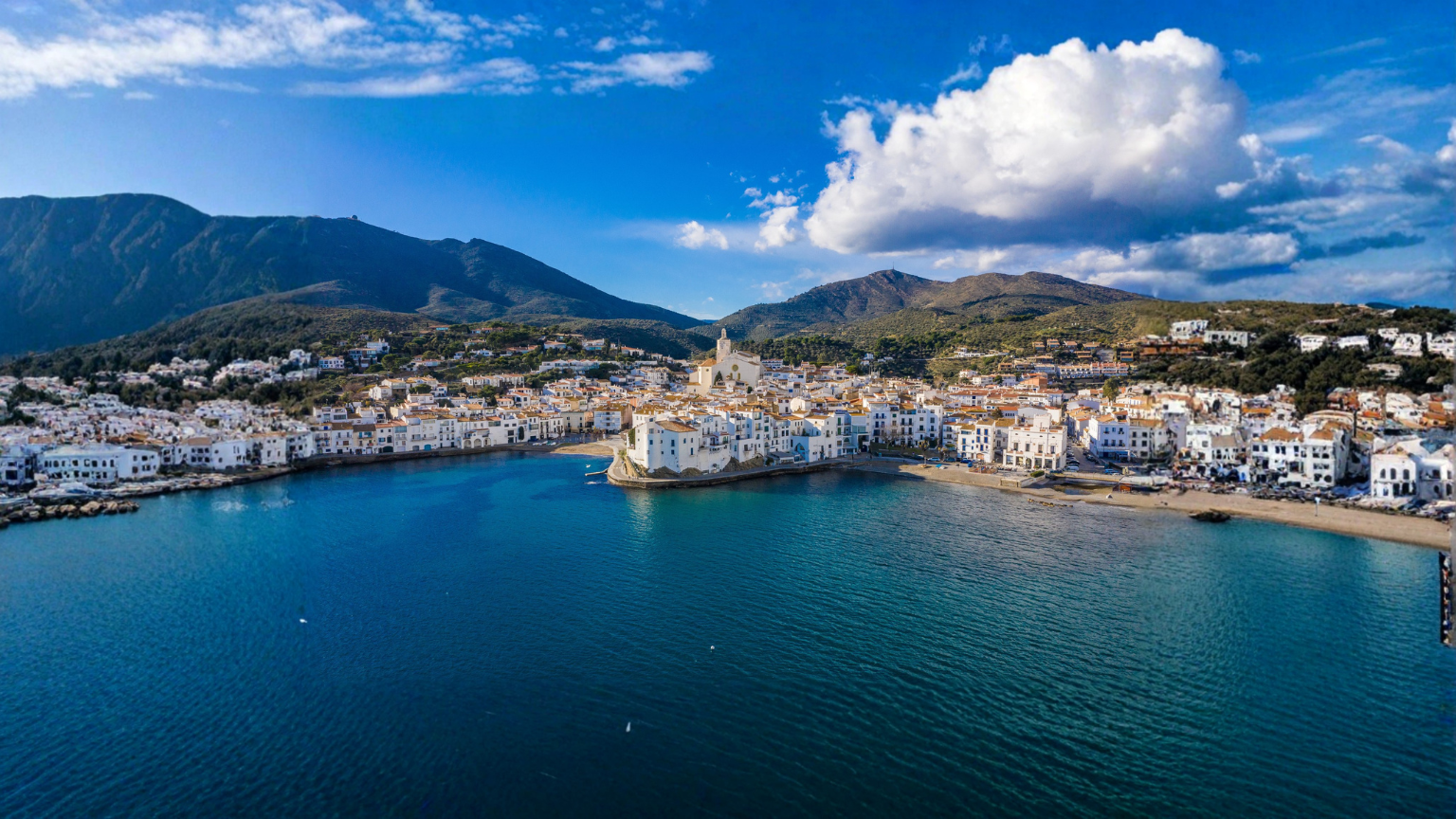
Cadaqués is a whitewashed cove on the Costa Brava where fishing boats bob beside a simple waterfront church. The streets are paved with gray slate that shines after a sea splash, and bougainvillea explodes over stone walls. A coastal path leads through coves that invite swims in clear, pebbly bays. Cap de Creus Natural Park begins just beyond town, full of lunar rock formations and wind bent shrubs that frame wild Mediterranean views. Salvador Dalí’s house museum sits in nearby Portlligat, dripping with stories and surreal details. Evenings smell like grilled sardines and anise from little bars tucked into corners.
Delft, Netherlands

Delft is all calm canals and gabled rooftops, a university town that stays lively without tipping into chaos. Market days fill the main square beneath the New Church tower, where you can climb the spiral staircase for a view of red roofs and water. Workshops still paint blue and white pottery by hand, and you can watch artisans before picking up a piece to take home. The Prinsenhof Museum tells the story of the Dutch Revolt inside a quiet cloister. Cafes spill onto bridges with cyclists gliding past like a metronome. It is Amsterdam energy, scaled to a human weekend.
Leiden, Netherlands

Leiden is a canal laced city wrapped around one of Europe’s oldest universities. Windmills still guard the ramparts, and barges slip under low bridges lined with geraniums. Museums punch above their weight here, from world class antiquities to intimate art collections set in old mansions. The Saturday market along the water is a feast of cheese, herring, fruit, and flowers. Boat rentals let you trace the city’s ring of moats at your own pace. Trains from Amsterdam or The Hague make it effortless to drop in and slow down.
Kuldīga, Latvia

Kuldīga is a Baltic surprise where a broad waterfall rolls over red stone and timber houses lean into cobbled lanes. The Venta Rapid claims Europe’s widest waterfall, more a graceful curtain than a drop, and locals gather along the banks in warm weather. Wooden bridges and clay rooflines look unchanged from old photos, and cafes serve rye bread, herring, and honey cakes that taste like a countryside holiday. Summer brings outdoor cinema and small festivals that feel community made. Cycle paths trace the river through meadows and quiet forest. It is gentle, pretty, and blissfully unhurried.
This article was written by Hunter and edited with AI Assistance