
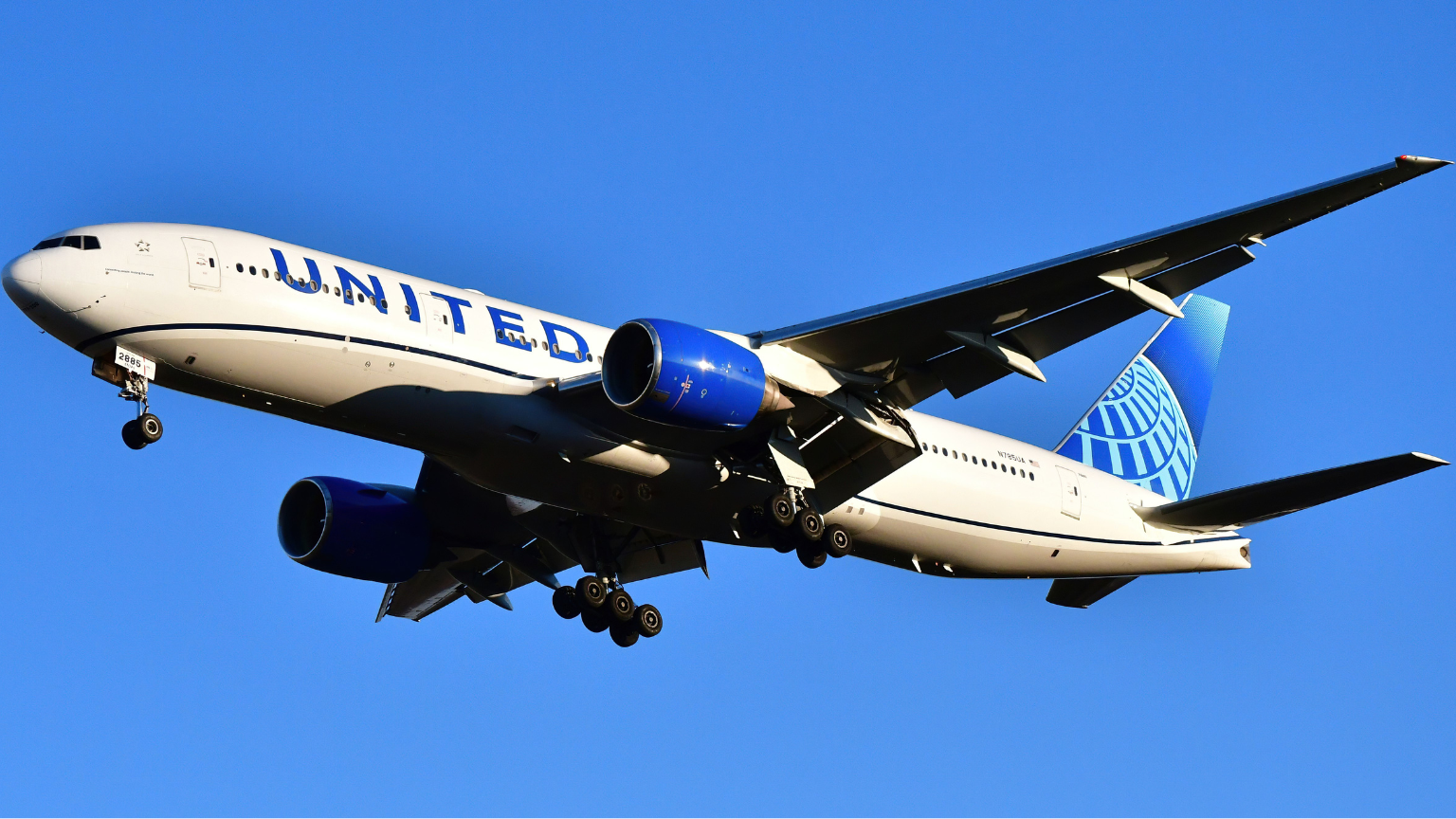

The fight for dominance at Chicago’s O'Hare International Airport is heating up, and it is getting louder by the week. United Airlines is working to protect its lead, while American Airlines is pushing hard to rebuild its presence after a slower post pandemic recovery. In the short term, this kind of head to head expansion usually costs airlines money because they are adding flights, matching routes, and fighting for customers at the same time. But for consumers, the dynamic is often a win. More competition typically means more seats, more nonstop options, and more pricing pressure that can pull fares down. If you fly in or through Chicago, the next several months could bring more choices than you have seen in years.
Why This Airline Rivalry Matters to Your Wallet
Travel deal expert Scott Keyes summed up the basic rule of airfare: when airlines compete directly, passengers tend to benefit. His point is simple. Cheap flights are not just about distance or city size. Competition is often the biggest driver, because airlines have to fight harder to earn bookings. That is exactly what is happening now in Chicago, as both carriers expand schedules and try to win loyalty across the Midwest.
How the Battle Escalated Over the Past Month
American ramped up its O’Hare flying last summer, but the rivalry has intensified recently as the carrier aims to return to pre pandemic volume. In late December, American announced that its spring break flying from Chicago would be up about 30% on peak days. Not long after, during a January 21 earnings call, Scott Kirby said United would respond by adding more flights at O’Hare.
United followed through a week later by announcing five regional routes that American already served. Kirby even framed the moment as a firm stance for the year ahead, signaling that United intends to defend its position aggressively rather than quietly give up share.
What United and American Are Planning for Summer at O’Hare
United says it could operate as many as 750 flights on peak days at O’Hare this summer. That would be a sizable jump from last summer and also above what the airline previously planned. Meanwhile, Robert Isom said American expects to average roughly 500 to 550 departures per day at O’Hare this summer, describing it as a major increase compared with the airline’s schedule from a couple of summers ago.
For travelers, the practical takeaway is more lift and more flexibility. United plans not only new routes, but also more frequencies and larger aircraft on dozens of existing routes. American is also layering in service increases to many destinations, on top of the new routes it has announced over the past year.
More Routes, More Frequencies, and Better Connectivity
When airlines add this much capacity in the same place, it usually shows up in a few traveler friendly ways. You can get more nonstop choices, more departure times that fit real schedules, and better backup options when something goes wrong. That matters not just for Chicago flyers, but also for travelers across the broader Midwest who connect through O’Hare.
A clear example is Erie. American announced plans in mid December to launch daily service from Chicago starting in May. The very next day, United answered with plans to fly the same route three times a day starting in June. That kind of move is classic hub warfare, and it often leads to lower fares and more convenient timing for passengers.
The Premium Cabin Arms Race Is Heating Up Too
This is not just a battle for basic economy travelers. The rivalry is also playing out at the front of the plane, where airlines fight hardest for high value customers. American has been trying to close the gap with premium flyers in Chicago, while United is reinforcing its advantage with newer aircraft and more premium seating options.
For example, American introduced its Flagship Suite on a Boeing 787-9 Dreamliner flying from Chicago to London. United, meanwhile, has deployed many of its modern Airbus A321neo aircraft at O’Hare, which feature a larger premium footprint than older narrowbodies, including more first class seats and more extra legroom economy seating. For travelers, that can mean a better chance at upgrades, more premium inventory, and sometimes more competitive pricing in higher cabins.
The Short Term Cost for Airlines Could Be Real
Big capacity battles usually dent profits in the near term, and both airlines seem to acknowledge that reality. United estimates it made substantial profit at O’Hare last year, but leadership has suggested it would have been higher without American’s build up beginning in late spring. United also argues that American is losing significant money at O’Hare while rebuilding.
American has not provided a direct number for O’Hare profitability, but its leadership has emphasized that Chicago remains strategically important and is expected to improve over time. In other words, American appears willing to absorb short term pain for long term network strength and market relevance.
Why American Keeps Fighting Even Without the Lead
Even if United holds the advantage today, several analysts argue that American has strong reasons to keep investing in Chicago. Travel industry writer Gary Leff notes that co branded credit card revenue is a major factor, especially in a huge business market like Chicago. That money does not always show up cleanly when you isolate a single hub’s profit and loss, but it can be a massive incentive to maintain a strong local presence.
There is also the reality of long term investment. American has spent decades building at O’Hare, and walking away from an asset that large would be difficult. And from a network perspective, Chicago fills a gap that matters. American is strong across the South with hubs like Dallas/Fort Worth International Airport and key hubs in Charlotte and Phoenix, but Chicago plays a unique role as its major northern midcontinent connecting point.
Can American Ever Catch United at O’Hare
Most observers do not expect American to overtake United in Chicago anytime soon. Aviation writer Brett Snyder has argued that Chicago is critical for American to compete effectively across regions like the upper Midwest and beyond, especially when connections to the Northeast matter. Still, the big question is not whether American becomes number one. The more realistic question is whether American can thrive sustainably in second place while maintaining enough scale to offer strong connectivity and keep customers from defecting.
What Travelers Should Watch for Next
For passengers, the “win” in a hub fight usually shows up in three areas: lower fares, more schedule options, and better nonstop access to smaller markets. Over the next few months, expect a steady stream of route announcements, frequency increases, and aircraft swaps as both airlines try to outmaneuver each other. If you are booking spring break or summer travel through Chicago, it is worth comparing both carriers and checking multiple dates and times. When airlines flood a market with seats, the best deals often appear quietly, then disappear fast once demand catches up.
Follow us on MSN for all your travel and lifestyle tips.
This article was written by Hunter and edited with AI Assistance