
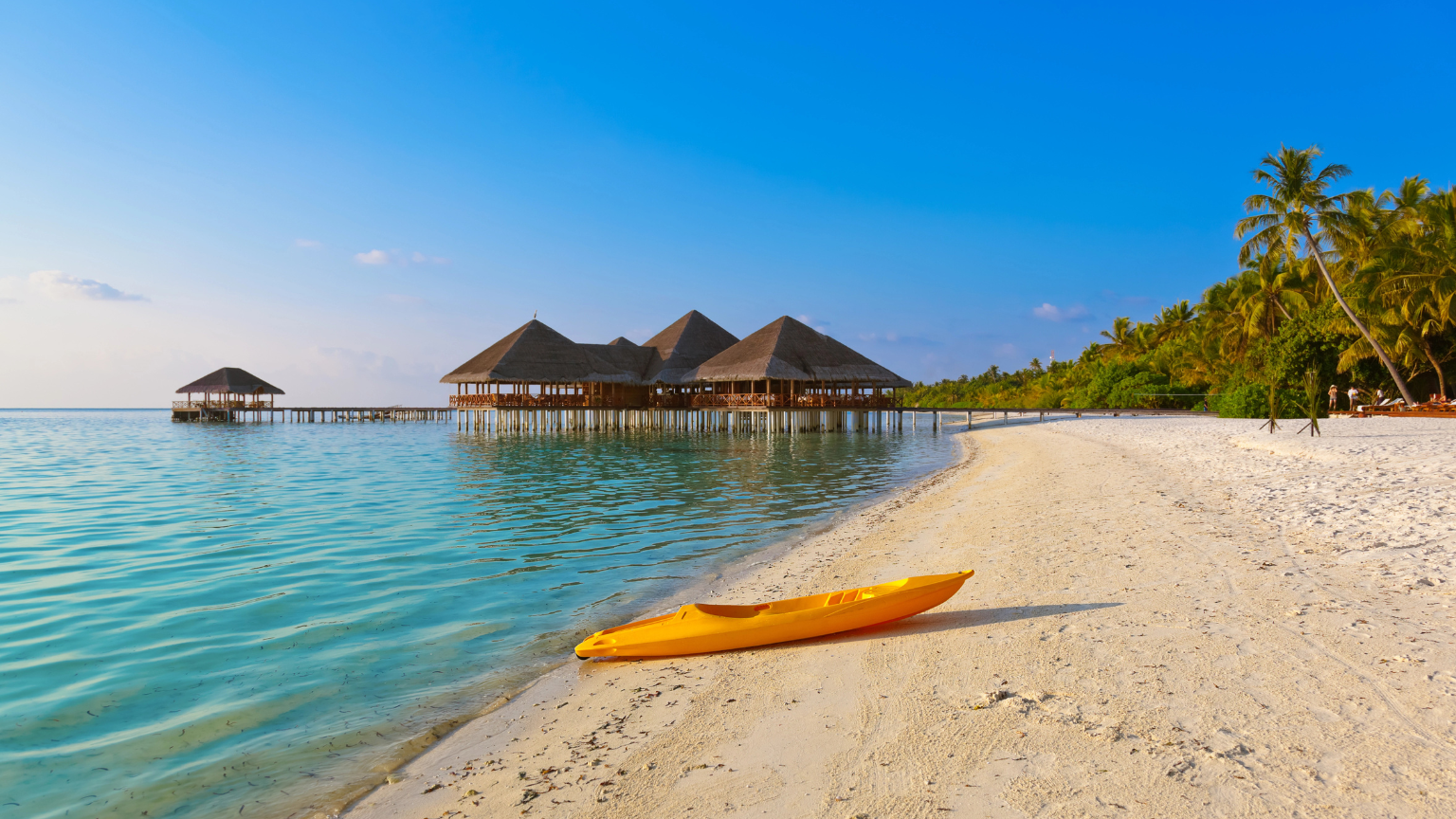

The U.S. Department of State has refreshed its travel advisories for the Maldives and Equatorial Guinea, urging Americans to exercise increased caution in both destinations. The overall advisory level did not change—each remains at Level 2—but officials expanded the guidance on risks, especially for Equatorial Guinea, and reiterated terrorism concerns for the Maldives. The update encourages travelers to stay alert, plan ahead, and keep a low profile while abroad.
Why This Matters
The Maldives remains one of the world’s most sought-after beach escapes, drawing more than two million visitors in 2024—up about nine percent from the prior year. While its tourism industry is robust and growing, authorities have disrupted multiple planned attacks since 2017, and there was a knife attack on a politician in the Hulhumalé area of Malé in 2022. American travelers consistently rank among the islands’ top visitor groups, so even modest changes to the advisory are noteworthy. Equatorial Guinea, meanwhile, poses different challenges tied to law enforcement practices, crime, and limited medical care that travelers should understand before they go.
What Changed
On October 7, 2025, the State Department reaffirmed Level 2 advisories for both countries but expanded the Equatorial Guinea summary to highlight the risk of arbitrary enforcement of local laws. For the Maldives, officials kept the same level and indicators while updating language that underscores the ongoing threat of terrorism and the potential for attacks without warning in areas frequented by visitors.
Equatorial Guinea: Key Cautions
- Law enforcement: Travelers may face unpredictable application of local laws, which can lead to harassment or detention. Know the rules, carry proper identification, and avoid confrontations.
- Crime and response: Petty crime is common, and police may lack the resources to respond effectively, even in more serious cases. Keep valuables secured and move with awareness in crowded spaces.
- Medical limitations: Trauma and ambulance services are inadequate, and even minor health issues can require medical evacuation at your expense. Bring enough prescription medication for your entire stay and confirm your coverage for emergency evacuation.
- Personal security: Maintain a low profile, avoid displays of wealth, and monitor local developments throughout your trip.
Maldives: Key Cautions
- Terrorism risk: Authorities warn that extremist groups could strike with little or no warning, potentially targeting tourist areas, transport hubs, markets, shopping centers, and government facilities. Stay alert in crowded places and follow local guidance.
- Remote islands: Response times can be slower on out-island resorts and smaller atolls. Confirm how to reach on-site medical staff, know your nearest clinic or hospital, and understand evacuation options if needed.
- Everyday readiness: Keep your hotel informed of your plans, review emergency procedures, and consider avoiding large public gatherings when possible.
Smart Prep Before You Go
- Enroll in STEP: Sign up for the Smart Traveler Enrollment Program to receive security updates and help the Embassy contact you in an emergency.
- Insurance with medevac: Choose travel insurance that explicitly covers medical evacuation and treatment abroad.
- Health planning: Pack a full supply of prescriptions and key essentials; replacements can be costly or hard to find.
- Situational awareness: Share itineraries with a trusted contact, keep photocopies of important documents, and maintain a low profile in public.
How the Advisory System Works
The State Department uses four levels:
Level 1: Exercise normal precautions
Level 2: Exercise increased caution
Level 3: Reconsider travel
Level 4: Do not travel
Advisories at Levels 1 and 2 are typically reviewed every 12 months, while Levels 3 and 4 are reviewed every six months. Updates can occur sooner if conditions change significantly. The guidance is designed for U.S. citizens and lawful permanent residents, with the Department emphasizing that the safety of Americans abroad is its top priority.
Follow us on MSN for all your travel and lifestyle tips.
This article was written by Hunter and edited with AI Assistance