
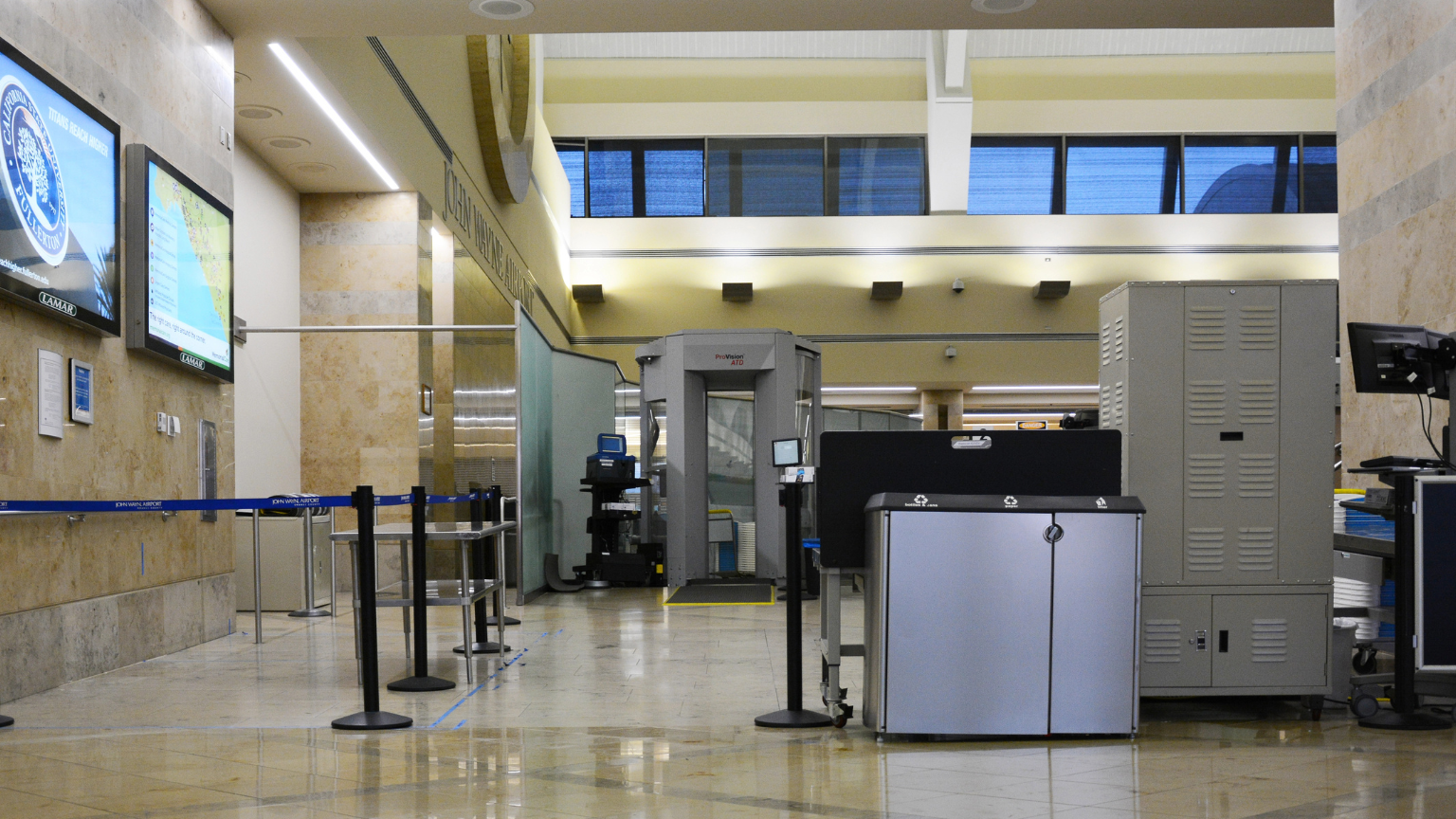

On January 15, 2026, the Transportation Security Administration (TSA) announced an expansion of touchless identification technology to 50 new airports across the United States. This initiative aims to streamline the security screening process for travelers. The new technology will allow passengers to verify their identities without physical checks. As more travelers resume flying, the TSA's approach focuses on efficiency and safety. By reducing contact points, the TSA hopes to enhance the overall travel experience.
This move comes in response to growing demand for safer travel solutions. In the wake of increased health concerns, many travelers seek contactless options. The TSA's decision reflects a broader trend in the travel industry toward technology that minimizes person-to-person interaction.
How Touchless ID Technology Works
Touchless ID technology uses advanced biometric recognition methods, including facial recognition and other secure identification techniques. Passengers will simply approach a designated camera system as they enter the security area. The system will scan their faces to confirm identity against previously stored data. This process reduces wait times and enhances the overall efficiency of security checks.
The TSA has partnered with various technology firms to implement this system effectively. New equipment has been installed in airports to accommodate the changes. Officials expect the system to be fully operational by the summer of 2026. The goal is to create a smoother experience for travelers while maintaining stringent security measures.
Impact on Travelers and Airports
The expansion of touchless technology is set to significantly impact both travelers and airport operations. For passengers, this innovation means shorter security lines and less time spent at checkpoints. The convenience factor cannot be overstated, especially during peak travel seasons when airports tend to be crowded.
Airports also stand to benefit from the implementation of touchless ID. With faster processing times, facilities can accommodate larger volumes of travelers without compromising security. This efficiency can lead to improved customer satisfaction and potentially boost airport revenue as well.
However, the expansion also raises questions about data privacy. Travelers may be concerned about how their biometric data is collected and used. The TSA assures the public that stringent protections will be in place to safeguard personal information. All data will be encrypted and used solely for identity verification purposes.
This expansion aligns with the TSA's commitment to enhancing security protocols while adapting to the changing travel landscape. By embracing technological advancements, the agency aims to stay ahead of evolving needs.
As the travel industry continues to recover and grow post-pandemic, advancements like touchless ID technology will play a crucial role in shaping the future of air travel. The TSA's proactive measures demonstrate a commitment to improving customer experience and operational efficiency in airports nationwide.
This article was written by Will and edited with AI assistance.