

Quick Take
After years of planning and several delays, the European Union’s Entry Exit System will begin rolling out on October 12. The program does not change who can visit or how long you can stay, but it will track when non EU travelers enter and leave the Schengen Area by collecting biometric data. Think of it as the EU’s version of the systems used in places like the United States. Here is how it works, where you will see it, and what it means for your next trip.
What Is EES?
The Entry Exit System is a new border control program for non EU citizens traveling into the Schengen Area, which includes most EU countries plus Switzerland, Iceland, and Norway. Cyprus and Ireland are not part of Schengen. When you cross an external Schengen border, the system will register your arrival and departure using your biometrics. The goal is twofold. It strengthens security and helps authorities enforce the rule that most visitors can spend 90 days within any 180 day period in the bloc.
How It Works at the Border
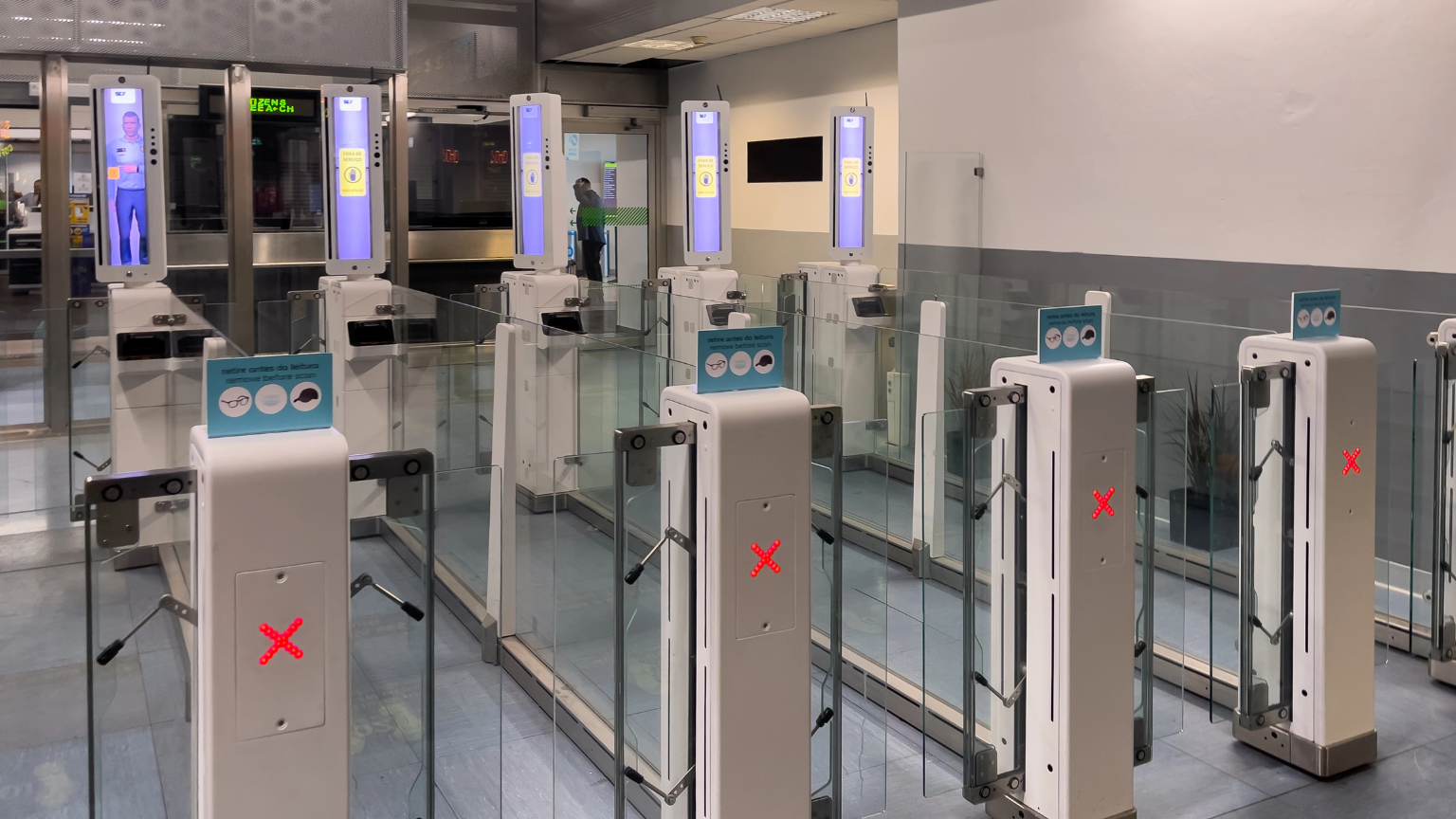
Your first encounter will take a few extra minutes. You will create a record at a staffed desk or a self service kiosk by providing a facial photo and fingerprints, along with your passport details. Many airports, ports, and land crossings have already installed kiosks to speed up first time registration. On future trips, border officers will verify your face and fingerprints against the database. If you hold a biometric passport and the crossing has e gates, you may be able to use them once your record exists.
Where and When You Will See It
The EU is staggering the rollout to avoid bottlenecks. Each member state can choose which airports, seaports, and land crossings activate first. The only hard requirements are adoption targets. By day 30, countries should be registering at least 10 percent of travelers. By day 90, that rises to 35 percent. By day 150, it should reach 50 percent, and by day 180—which falls on April 9—all external Schengen border points are expected to register every traveler. At least one crossing in every member state will be live from October 12.
What Data Is Collected
Expect to provide fingerprints and a live facial photo at your first enrollment. The system will also store your passport information, your entry and exit dates, and the border points you used. If you were ever refused entry, that refusal appears in the record. Officers may ask where you plan to stay and whether you have sufficient funds for your trip.
Will There Be Delays
Authorities designed the phased approach to reduce lines, and self service kiosks should help. Even so, you should plan for some initial delays in the early months, especially at busy hubs or during holiday periods. Build extra time into connections and arrive early for departures when crossing into Schengen.
Are Passport Stamps Ending
Not immediately. While EES ramps up over the first six months, officers will still stamp passports to ensure all crossings can track your days consistently. Once the system is fully effective around April 9, stamping should phase out at external Schengen borders.
If You Are Refused Entry
A refusal will be recorded in EES and will be visible at future border checks. This does not permanently bar you from returning, but it does create a record that officers will see and review.
Do You Need To Enroll Again
Your EES record remains active for three years from your last trip. Each new visit refreshes the clock. If you do not return within three years, you will go through the full enrollment again on your next entry. Data handling follows strict EU rules on privacy and retention.
What If You Get a New Passport
You do not need to start over. Your existing biometric record stays in place and is linked to your new passport number when you next cross.
Who Is Exempt
EU citizens and legal residents of EU countries do not enroll because their biometrics were already captured during residency or ID issuance. The system also has specific exemptions detailed by the EU for certain categories of travelers and officials. Children under 12 do not provide fingerprints but still complete the rest of the process.
Do UK Travelers Need To Register
Yes. Since Brexit, most British citizens are considered third country nationals and will use EES unless they are legal residents in an EU member state or covered by the Withdrawal Agreement.
Understanding the 90 180 Rule
You can spend up to 90 days within any 180 day period in the Schengen Area. The rule is rolling, not calendar based. If you struggle with the math, use a day counter before you travel to avoid overstaying. Penalties for exceeding the limit can include fines, deportation, or temporary bans from the bloc.
What About ETIAS
ETIAS is the EU’s upcoming pre travel authorization, similar to the US ESTA. It is scheduled to launch toward the end of next year with an information campaign beginning about six months in advance. ETIAS is separate from EES. When it starts, many non EU travelers will complete ETIAS before travel and then pass through EES at the border.
Practical Tips To Travel Smoothly
Arrive a little earlier than usual for flights that enter the Schengen Area, especially through the first half year of rollout. Keep your passport handy and remove hats and glasses for the photo at kiosks. Confirm your first night’s address and have it ready to show. If you plan multiple Schengen entries on one trip, track your days against the 90 180 rule as you go. Finally, allow a wider cushion for tight connections until lines settle into a normal rhythm.
Follow us on MSN for all your travel and lifestyle tips.
This article was written by Hunter and edited with AI Assistance