
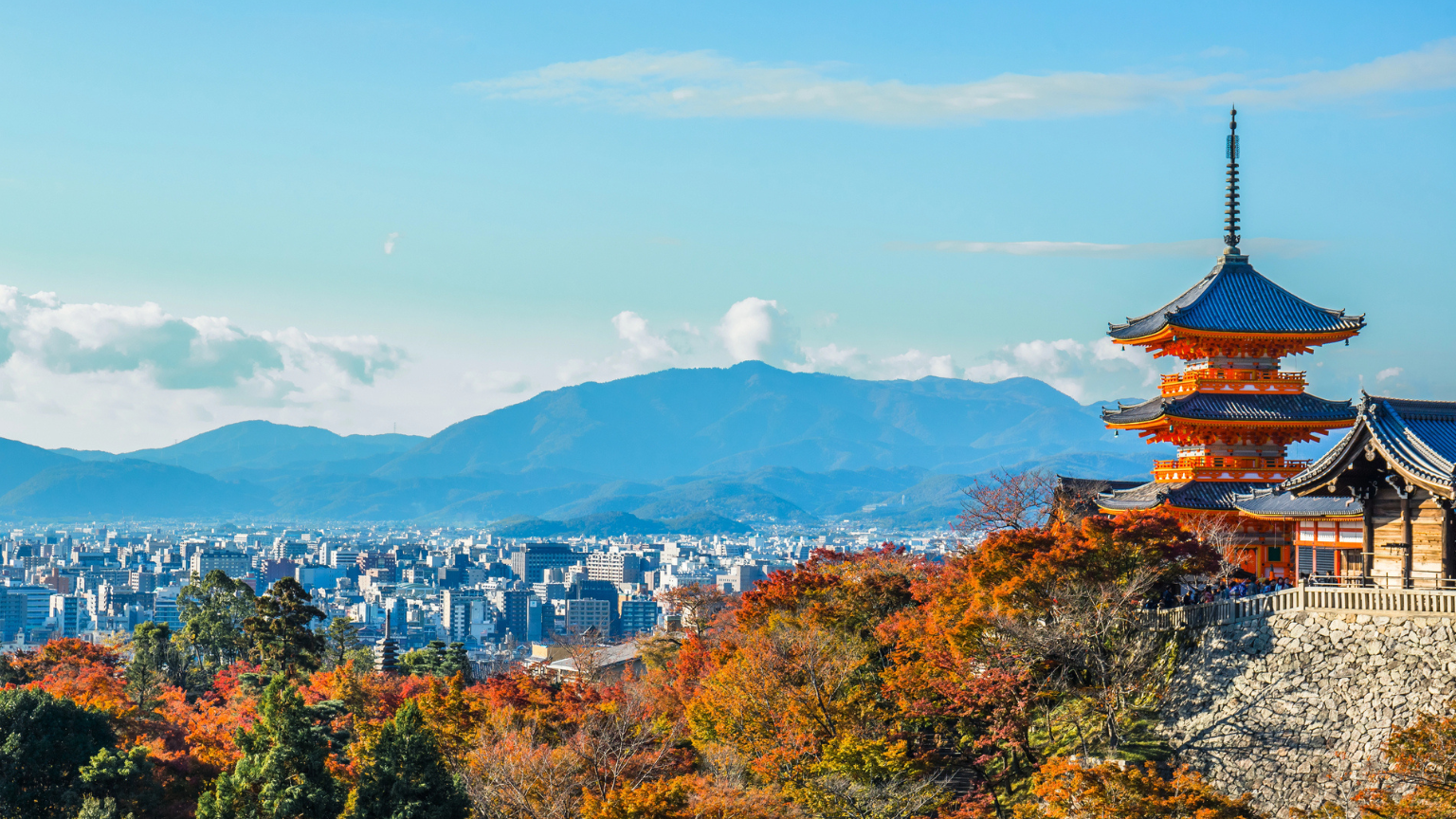

Kyoto is taking a bold step to manage crowding and protect its heritage. Beginning in March 2026, the city will introduce Japan’s highest accommodation tax, adding a nightly charge to hotel, ryokan, and guesthouse stays across the city. Officials say the extra revenue will support crowd control, preserve cultural sites, and ease pressure on local services. Visitors should expect higher nightly costs, especially at luxury properties.
When the new fees start
The policy is set to begin in March 2026 and will apply to most paid short-term stays in Kyoto. It is a citywide update, so travelers will see it across hotel categories, from budget rooms to five star suites. The tax is charged per person, per night, which means costs rise with both party size and length of stay.
How much you will pay
Kyoto is moving to a tiered system based on the type of stay and nightly rate.
- Luxury stays: Up to ¥10,000 per person, per night, which is about $65.
- Mid range stays: A jump from ¥500 to ¥1,000 per person, per night, roughly $3.30 to $6.50.
- Budget stays: An increase from ¥200 to ¥400 per person, per night, about $1.30 to $2.60.
These new levels are far higher than current rates and are designed to more than double Kyoto’s tourism tax revenue.
Why Kyoto is raising fees
City leaders say the updated tax helps visitors share in the cost of caring for the places they come to see. Funds will go to managing crowds, maintaining cultural landmarks, and supporting infrastructure that strains under record visitation. Officials argue that steady funding is essential if Kyoto is to protect historic lanes, shrines, and gardens while welcoming millions of guests each year.
Overtourism flashpoints
Residents have voiced growing frustration during peak seasons. Narrow streets clog with tour groups taking photos, and popular districts like Gion have struggled with trespassing and aggressive photography around traditional tea houses. Local authorities have tried to set clearer rules and step up enforcement, but those efforts have had mixed results. The new tax aims to fund practical measures on the ground and reduce friction between visitors and neighborhoods.
Will the tax change behavior
The goal is not to turn tourists away, but to raise resources for better management and encourage more mindful travel. Kyoto’s leaders believe a small added cost on budget stays and a larger fee at luxury properties will help pay for crowd control, staffing, signage, and preservation work. Critics counter that the increases may still fall short if visitor numbers keep rising.
The bigger picture in Japan
Japan welcomed more than 35 million international visitors in 2024 and has an official target of 60 million by 2030. Other iconic sites are also facing pressure, including Mount Fuji, where authorities have explored tighter controls to handle surging foot traffic. Kyoto’s move fits a national trend of popular destinations updating rules, fees, and visitor flows to protect the experience for both locals and travelers.
What it means for your budget
Plan for a higher total price than the listed room rate. Because the tax is per person, per night, it adds up quickly on longer trips or with families and groups. Luxury travelers will feel the biggest change, but even budget and mid range stays will see noticeable increases compared to current norms.
Tips for a smoother visit
- Book early to compare total costs that include the tax, especially for peak cherry blossom and fall foliage seasons.
- Stay central to reduce transit time and help ease pressure on busy corridors.
- Travel off peak when possible. Weekdays and shoulder seasons offer more breathing room and better rates.
- Be a good guest by respecting neighborhood rules, asking before taking photos of people, and keeping noise down on residential streets.
- Support preservation by visiting smaller temples and museums that rely on admissions and donations.
Bottom line
Kyoto is not closing its doors. It is asking visitors to contribute more so the city can handle modern travel demand while protecting what makes it special. If Kyoto is on your list for 2026, budget for the new tax, plan your trip with care, and you will still find the timeless charm that draws people back year after year.
Follow us on MSN for all your travel and lifestyle tips.
This article was written by Hunter and edited with AI Assistance