
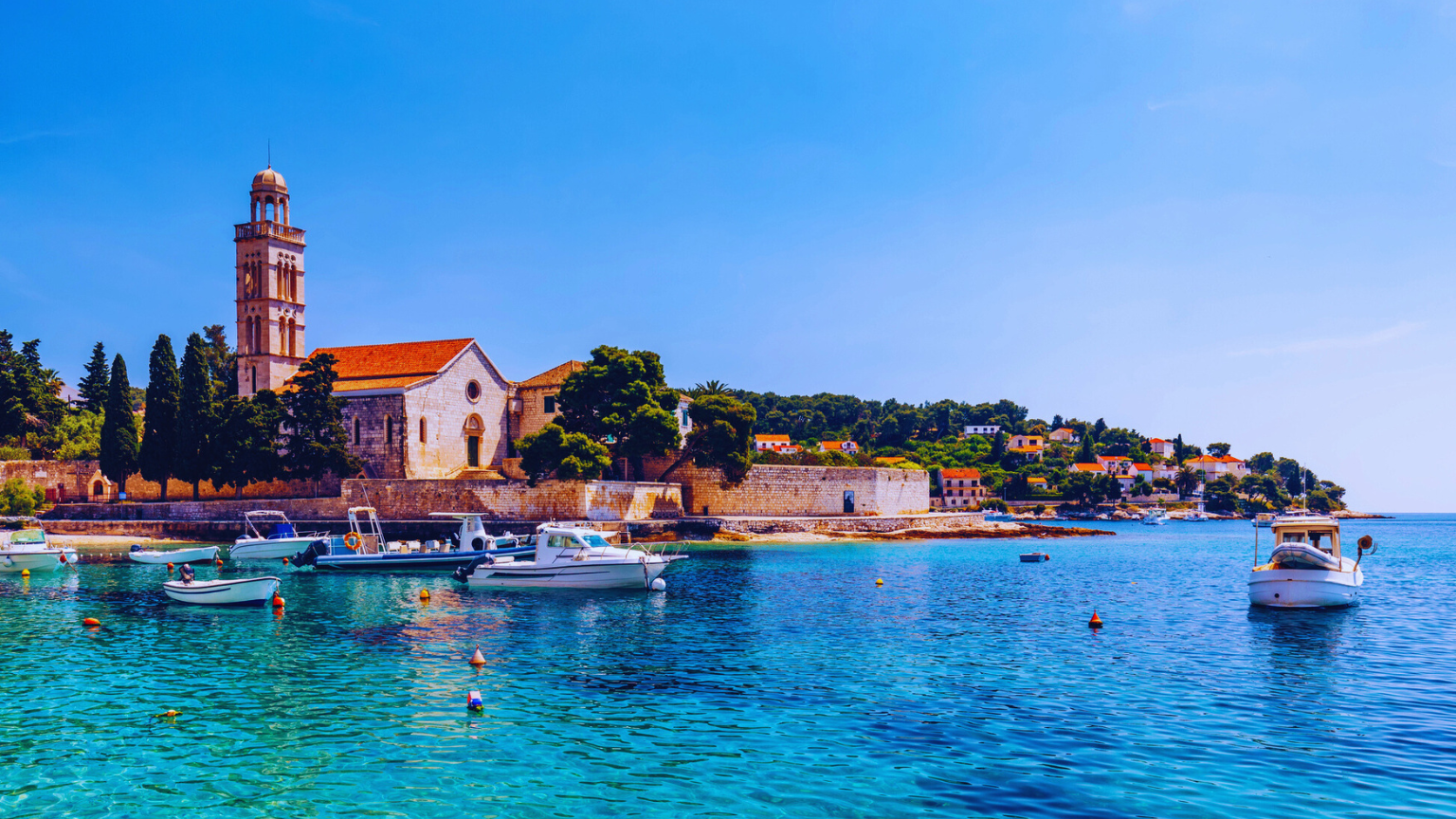

Croatia, a country where the sea sparkles brighter than a diamond, offers a mix of charming old towns, stunning beaches, and lush national parks. It's a place where history meets natural beauty, creating a perfect backdrop for any traveler looking for both relaxation and adventure. Here's a rundown of the top 10 must-visit spots that promise unforgettable experiences and breathtaking views.
1. Dubrovnik (The Pearl of the Adriatic)

Walking along the ancient city walls of Dubrovnik, one can't help but feel transported to another era. This UNESCO World Heritage site, known as the Pearl of the Adriatic, boasts stunning views of the sparkling Adriatic Sea. Strolling through its limestone streets, you'll encounter a blend of Renaissance, Gothic, and Baroque architecture, with the Sponza Palace and the Rector's Palace as highlights. Don't miss the chance to ride the cable car up to Mount Srđ for an unforgettable panorama of the city and its surroundings. Dubrovnik's blend of historical allure and natural beauty makes it a top destination for travelers worldwide.
2. Plitvice Lakes National Park (A Waterfall Wonderland)

Plitvice Lakes National Park is a surreal display of nature's artistry, featuring a series of cascading lakes and waterfalls. The vivid blue-green waters of the lakes are separated by natural dams of moss and algae, creating a stunning contrast against the dense greenery of the surrounding forests. Wooden walkways allow visitors to meander through this UNESCO World Heritage site, offering up-close views of the waterfalls and the local wildlife. Regardless of the season, Plitvice provides a unique beauty, from the lush greens of summer to the icy spectacles of winter. It's a must-visit for nature lovers and those seeking a peaceful retreat from the bustling city life.
3. Hvar (Sunshine and Lavender Fields)

Hvar is not just Croatia's sunniest spot; it's a picturesque island that blends vibrant nightlife with quaint Mediterranean charm. Its fields of lavender, ancient olive trees, and vineyards add a unique aroma to the air, creating a sensory experience unlike any other. The island's main town, also named Hvar, is famous for its 13th-century walls, a hilltop fortress, and a main square that ranks among the largest and most beautiful in Croatia. The Pakleni Islands, a short boat ride away, offer secluded beaches and crystal-clear waters perfect for diving and snorkeling. Whether it's exploring cultural sites or enjoying the natural beauty, Hvar is a versatile destination that caters to all.
4. Split (A City Built Within a Palace)

Split, a city that grew out of the ruins of Diocletian's Palace, is a remarkable blend of historic and modern life. The palace, built for the Roman emperor Diocletian in the 4th century AD, now houses shops, restaurants, and even some residences within its ancient walls. Walking through the historic center, you'll find yourself amidst Roman temples, Gothic churches, and Renaissance palaces. The Riva, Split's vibrant waterfront promenade, is the perfect place to soak in the lively atmosphere and enjoy a cup of coffee with a view. Split's unique setting, combining centuries of history and a buzzing urban vibe, makes it an essential stop in Croatia.
5. Korčula (The Birthplace of Marco Polo)

Korčula, often referred to as “Little Dubrovnik” due to its medieval squares, churches, and houses, is believed to be the birthplace of the explorer Marco Polo. The island's old town is a mesmerizing maze of cobbled streets that radiate out from the central square, designed this way to protect its inhabitants from strong winds. Visitors can explore the Marco Polo Museum, which provides a fascinating glimpse into the explorer's life and travels. The island is also known for its white wines, which are some of the best in Croatia. Korčula's blend of history, culture, and natural beauty makes it a captivating destination for any traveler.
6. Rovinj (A Postcard-Perfect Fishing Port)

Rovinj remains one of the last true Mediterranean fishing ports, with its colorful houses perched right on the edge of the sea and boats bobbing in the harbor. Walking through its narrow streets filled with galleries, shops, and cafes, you feel a unique blend of Italian and Croatian cultures, a legacy of its past under Venetian rule. The town's centerpiece is the St. Euphemia Church, standing tall on a hill and offering panoramic views of the sea and surrounding islands. Exploring the rugged coastline, you'll find hidden coves and beaches, as well as the nearby Lim Bay, a protected natural reserve. Rovinj's picturesque setting and laid-back atmosphere make it a favorite among travelers seeking both beauty and tranquility.
7. Zadar (A Symphony of Sun and Sea)

Zadar, with its unique Sea Organ and Sun Salutation, offers a blend of ancient history and modern innovation. The Sea Organ, an architectural marvel, creates music powered by the waves, while the Sun Salutation uses solar power to create a stunning light show at night. The old town is a treasure trove of Roman ruins, medieval architecture, and cosmopolitan cafes. Zadar's sunsets are legendary, famously admired by Alfred Hitchcock, and are best enjoyed on the waterfront promenade. This city provides a perfect harmony of natural wonders and historical sights, making it an unforgettable stop on any Croatian tour.
8. Krka National Park (A Journey Through River Canyons)

Krka National Park is renowned for its series of seven stunning waterfalls, including the famous Skradinski Buk, one of Croatia's most famous sights. The park's unique ecosystems are home to a diverse range of flora and fauna, including over 200 bird species, making it a paradise for nature enthusiasts. Visitors can enjoy boat tours that navigate through the park's river canyons, offering spectacular views of the waterfalls and surrounding landscapes. The park also offers educational trails and the opportunity to swim in certain areas, providing a refreshing escape during the hot summer months. Krka's natural beauty and ecological diversity offer an immersive experience into Croatia's wilderness.
9. Pula (An Amphitheater from Ancient Rome)

Pula, a seafront city on the tip of Croatia's Istrian Peninsula, is home to one of the world's best-preserved Roman amphitheaters. This ancient colosseum, which once hosted gladiator fights, now serves as a unique venue for concerts and film festivals. Beyond the amphitheater, Pula is dotted with Roman ruins, including the Temple of Augustus and the Arch of the Sergii. The city's vibrant market offers a glimpse into local life, providing fresh seafood, truffles, and Istrian wines. Pula's rich history, combined with its lively cultural scene, makes it a fascinating city to explore.
10. Mljet National Park (An Island Oasis)

Mljet National Park, located on the island of Mljet, is a serene haven of dense forests, clear lakes, and a secluded monastery on a tiny isle. The park's two saltwater lakes, Veliko and Malo Jezero, are perfect for kayaking, swimming, and cycling around their shores. The Benedictine Monastery on the Isle of St. Mary is a highlight, reachable by a short boat trip and offering a peaceful retreat. Mljet is also known for its wines, goat cheese, and olives, adding a delicious local flavor to any visit. This national park is a paradise for those seeking tranquility amidst Croatia's natural beauty, making it an ideal spot for relaxation and adventure.
This article was written by Hunter and edited with AI Assistance