
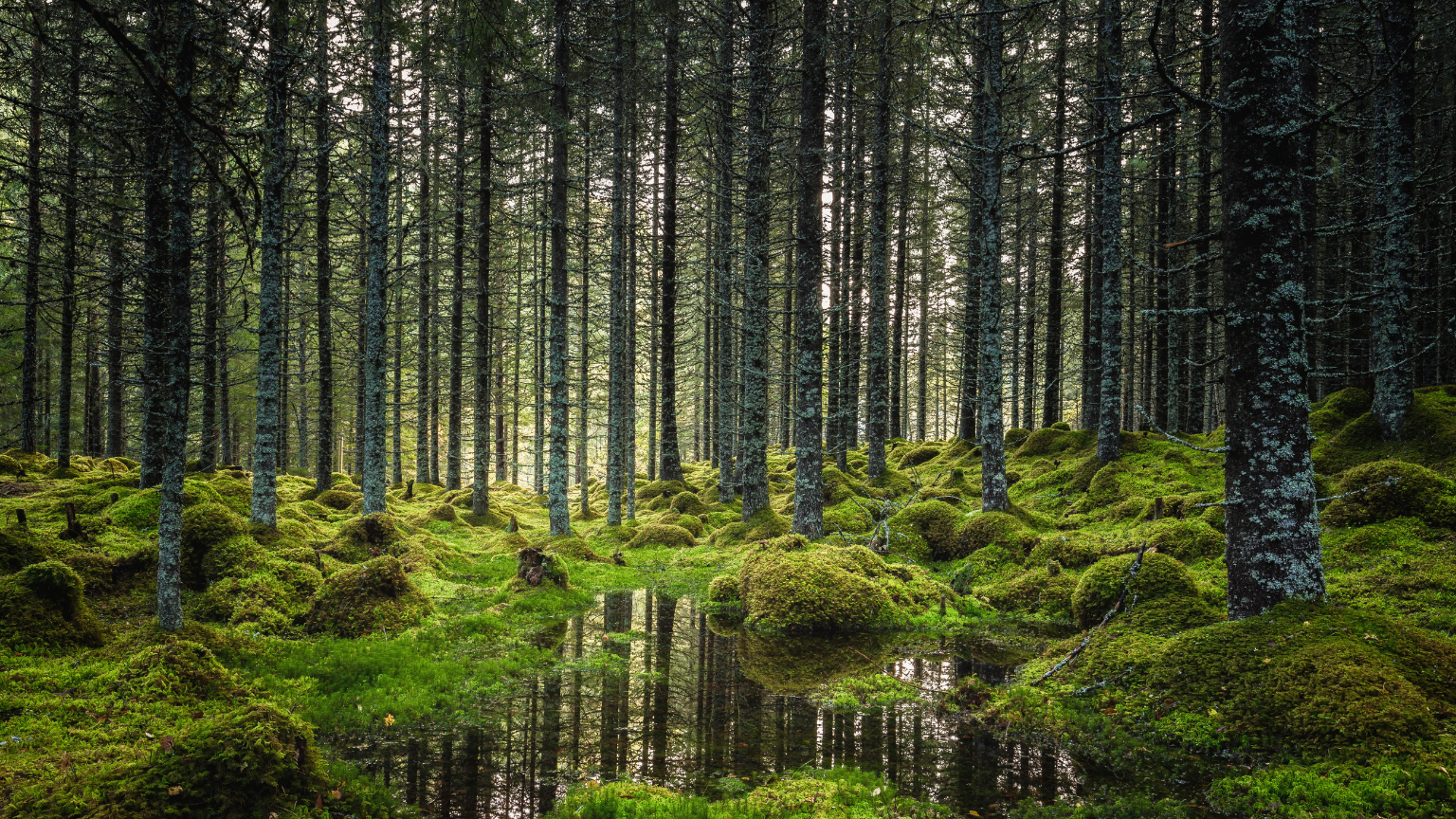

If you want to feel very small in the best possible way, stand beneath a tree that was already old when your history books begin. These ancient groves are living archives of droughts, fires, migrations, and starry nights no one wrote down. You do not need to be a botanist to be moved by heavy cones, resin on warm air, and the slow hush that settles when wind climbs a canopy a hundred feet above you. Each forest below pairs wow factor with simple ways to visit, from boardwalks and loop trails to quiet river cruises and scenic drives. Go softly, stay on paths, and treat every trunk like a museum treasure. The oldest stories here are still being told in rings you cannot see.
Ancient Bristlecone Pine Forest, California, USA

High in the White Mountains above 10,000 feet, the bristlecone pines hold court on dry slopes where almost nothing else survives. Methuselah, one of the oldest known non-clonal trees on Earth, grows here along the Schulman Grove trails, and the woods look like sculpture gardens shaped by wind and time. The short Discovery Trail and the longer Methuselah Loop show gnarled trunks, honey colored sapwood, and views across Owens Valley to the Sierra crest. Start in the morning for cooler air and sharper light on twisted branches. Pack layers, water, and respect for the altitude, since the trailheads sit higher than many mountain passes. There are no services at the groves beyond a small visitor center, which keeps the silence intact.
Sequoia and Kings Canyon National Parks, California, USA

Giant sequoias are not the oldest trees here, but they are among the most massive and many have lived two millennia or more. The General Sherman Tree is the headline, yet the Congress Trail and the quieter Big Stump and Redwood Mountain groves deliver the same sense of time with more space to breathe. In winter, snowy paths make cathedral quiet walks and the cinnamon bark glows against white. Summer brings shaded benches and ranger talks that connect fire ecology and the trees’ thick insulating bark. Elevation changes quickly, so plan short strolls and one long wander instead of a race. Every visit feels like stepping into a stone church built of living wood.
Alerce Costero National Park, Chile

South of Valdivia, cool rain drifts through a forest of alerce, a Patagonian cousin of redwoods known to live for several thousand years. Trails near the Alerce Milenario sector wind through ferns and moss to stout trunks that look carved from copper. Guides help you find the oldest giants without leaving any trace on fragile soils. Bring a rain jacket and accept the mist, which makes the green feel endless and the bark shine. Pair the hike with a stop at nearby coastal lookouts where the Pacific hammers basalt cliffs. The best days end with hot soup and a good map on the table as you trace what you just walked.
Waipoua Forest, Northland, New Zealand

Waipoua shelters kauri trees that rise like pillars from a dim green floor, including Tāne Mahuta, the Lord of the Forest, whose age is measured in many centuries and possibly more than two thousand years. Boardwalks keep feet off kauri roots and let you float through air that smells like resin and rain. Visit early or late to hear birdsong roll through the canopy and to see the trunks catch low light. Continue to Te Matua Ngāhere and the Four Sisters for different shapes and personalities within the same grove. Clean your shoes at the hygiene stations before and after, since kauri dieback is a real threat. The forest teaches patience, and the road back south will feel lighter after a slow hour here.
Yakushima, Kagoshima Prefecture, Japan

Off southern Kyushu, Yakushima’s mountains pull moisture from the sky and feed cedar forests that have endured for thousands of years. Jōmon Sugi is the famous elder, reached by a full-day hike that rewards those who love moss, mist, and the sound of water on wood. For an easier taste, the Shiratani Unsuikyo ravine offers half-day loops with hanging roots, stone steps, and cedar trunks big enough to shelter a picnic in light rain. Local inns serve simple dinners that taste like island gardens and the sea. Buses make the trailheads manageable without a car, especially on weekdays. When clouds lift, the green turns luminous and every branch looks painted.
Fulufjället National Park, Dalarna, Sweden

Fulufjället’s windswept plateau hides Old Tjikko, a Norway spruce whose root system has persisted for nearly ten thousand years through clonal regeneration. You will not find a giant trunk, and that is the point. Long life here is a story of patience, not size. Waymarked paths lead past heath, lichen fields, and the thunder of Njupeskär waterfall, one of Sweden’s highest. Bring a wind layer even in summer and listen for the way sound carries over open ground. The visitor center explains how ice and time created this calm landscape. The reward is a clear mind and the knowledge that longevity has many shapes.
Fishlake National Forest, Utah, USA

Meet Pando, a trembling aspen colony that spreads over more than a hundred acres and is often cited as the heaviest and one of the oldest living organisms on the planet. Every tree you see is a stem of the same root system, which likely predates most modern nations by a vast margin. A short loop near Fish Lake lets you walk within the golden shimmer of leaves in fall. The scene is gentler than the numbers suggest, with picnic tables, birdsong, and a breeze that makes the canopy quiver like water. Visit in late September or early October for the full gold effect on calm days. The idea that one being can look like a forest never leaves you.
Cedars of God, Bsharri, Lebanon

On a ridge above the Qadisha Valley stands a compact grove of Lebanese cedars venerated in scripture and in history. Many trunks are centuries old, some far older, with wide arms that seem to hold up the sky. A boardwalk lets you circle the grove without disturbing soil, and carved wooden signs share names and stories attached to individual trees. Snow dusts the branches in winter and cools summer afternoons to a perfect walking temperature. Combine the grove with the valley monasteries for a day that blends nature and culture. If you arrive right after dawn, the light makes halos around every needle.
Białowieża Forest, Poland and Belarus

This is Europe’s last large lowland primeval forest, a mosaic of oaks, limes, hornbeams, and spruces that fell and regrew long before borders shifted. The Strict Reserve is guided access only, which protects centuries-old stands and lets you hear what a wild forest sounds like when dead wood is left to become life again. The Tsar Oaks and ancient linden avenues lie outside the reserve on marked paths you can walk at your own pace. Bring binoculars for woodpeckers and a patient eye for bison in the meadows at dawn. Overnight in Białowieża village and plan a morning start for the quietest trails. The feeling here is not spectacle but continuity.
Hyrcanian Forests, Iran and Azerbaijan

Along the southern Caspian shores, humid air feeds a belt of broadleaf forests older than many written histories. Persian ironwood, beech, and yew stand in layered shade, and misty mornings make the leaves shine like lacquer. Trails near towns such as Ramsar and Sari give easy access, while protected zones require permits or guides who know the quietest valleys. Spring and autumn are ideal for color, birds, and comfortable temperatures. Stop at roadside stalls for mulberries and tea and treat the forest like a guesthouse whose rules you gladly follow. The Hyrcanian belt shows how a great forest can thread through modern life without losing its soul.
Hoh Rain Forest, Olympic National Park, Washington, USA

The Hoh shows what happens when rain does not know when to stop and life gets decades to build on life. Sitka spruce and western hemlock grow thick with moss, while maples hold green curtains that shift in slow breezes. The Hall of Mosses and the Spruce Nature Trail are short loops that still feel like deep time, even on busy days. Go early or late for the softest sound and the best chances to hear elk step across a gravel bar. Bring a rain shell and celebrate drizzle, since the greens glow brightest when the air is wet. The river braids through stones that have seen hundreds of winters roll by.
Takayna and the Huon Pines, Tasmania, Australia

Northwest Tasmania holds takayna, one of the largest temperate rainforests in the Southern Hemisphere, and rivers where huon pines lean over water like old storytellers. Huon wood smells sweet and trees can live for two thousand years or more, growing patiently along banks that mirror every branch. Easy boardwalks and short tracks near the Pieman and Gordon Rivers turn a day into a string of quiet encounters with age. River cruises glide past reflections so perfect you will check which way is up. Weather changes quickly, but moody skies make the forest feel even more timeless. This is a place to whisper and to listen.
Conguillío National Park, Araucanía, Chile

Volcanic cones rise over lakes ringed with araucaria, the monkey puzzle tree that looks both prehistoric and perfectly at home. Many araucaria live a thousand years or more, their branches stacking like candelabras against blue mountain air. The Sendero de los Carpinteros and the Sierra Nevada trail both deliver old growth in a few easy miles with condor shadows overhead on clear days. Lago Conguillío’s shores are perfect for a picnic with snow on the volcano and needles underfoot. Visit in late summer or early autumn for stable weather and wide views. The line between geology and biology blurs in the best way here.
Ancient Caledonian Forest, Glen Affric, Scotland

Glen Affric protects one of the finest remnants of Scotland’s original pinewoods, where Scots pine, birch, and rowan stitch ancient patterns across lochs and hills. Paths from the Dog Falls car park and the Affric River circuit give effortless access to scent, birdsong, and the soft glow of lichens on bark. Winter brings hoar frost that turns every twig into glass. In spring the forest smells like resin and rain, and cuckoos call from the edges. Stay in Cannich or a nearby cottage and plan a sunrise visit for mirror calm water. The old pines write their age in stillness rather than size.
Nikkō Cedar Avenue and Forest Temples, Tochigi Prefecture, Japan

Nikkō’s cedar avenues and temple woods blend culture and longevity into one long breath. The towering sugi along approaches to Tōshōgū and Rinnoji are centuries old and meet overhead like a vaulted nave. Boardwalks and stone paths make slow walking easy and the moss stays bright even on dry days. Pair the temples with Lake Chuzenji’s lakeside path for a full day of shade and water. Weekdays in spring and autumn bring crisp air and soft light for photos that capture texture, not just scale. When the wind shifts, the cedar scent is a memory you will carry home.
This article was written by Hunter and edited with AI Assistance