

What happened this week
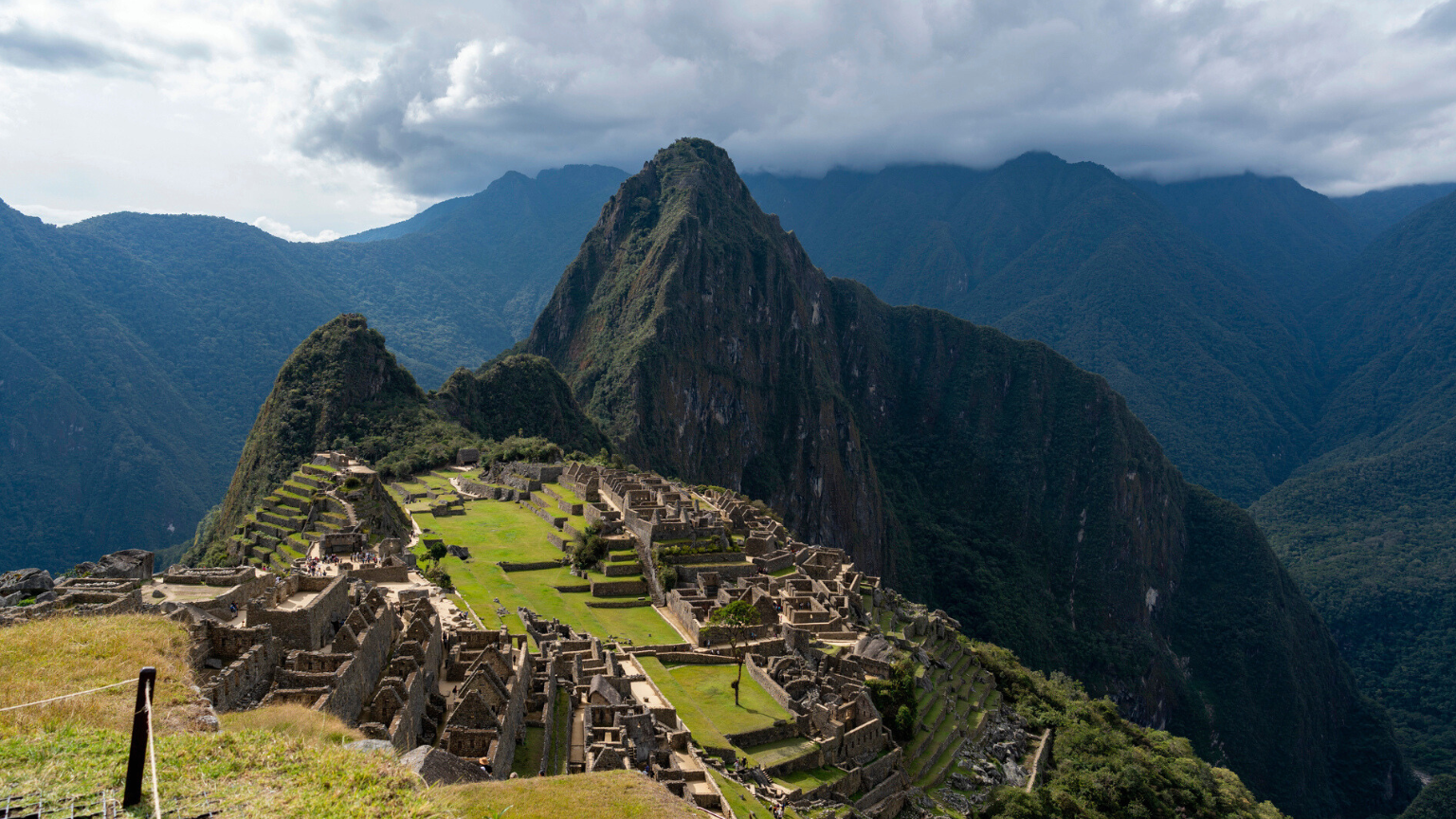
Protests in Aguas Calientes, the gateway town for Machu Picchu, disrupted transport to Peru’s most visited archaeological site and forced authorities to evacuate visitors. Over a thousand travelers were moved out of the area after demonstrators blocked access routes. Peru’s tourism minister said more than 900 tourists were left stranded at one point inside the sanctuary and its immediate surroundings before evacuations ramped up. On September 15, officials coordinated the departure of about 1,400 people, with additional movements continuing as conditions allowed. No serious injuries were reported, but the situation created long delays and uncertainty for those trying to reach or leave the site.
Why residents are protesting
The demonstrations began after the long standing concession for Consettur, a private bus operator that connects Aguas Calientes with the Machu Picchu citadel, expired. Service was then reassigned to a company from a neighboring district. Local groups say they were not adequately consulted and worry that revenue will shift away from businesses based in Aguas Calientes. Protesters have called for more transparency in the decision making process and for solutions that keep tourism spending within the host community. Their actions focused on transport chokepoints to make their concerns heard.
How train service was affected
PeruRail suspended service to and from Aguas Calientes on September 14, citing rocks placed on the tracks and ongoing demonstrations along the railway. The closure affected the main route many travelers use to access Machu Picchu. According to the company, trains were expected to resume the afternoon of September 17, once authorities confirmed that safety and operating conditions had been restored along the line. Even with service restored, travelers should expect crowds, modified timetables, and limited ticket availability while the system clears the backlog.
Current safety guidance for visitors
The U.S. Embassy in Peru issued an alert on September 16 warning that travelers could face sudden changes in access to Machu Picchu and nearby services. The Embassy advised that visitors may need to combine two to three hours of hiking with bus or other road transport to exit the area if rail operations are interrupted again. Travelers were urged to carry enough food, water, and essential medications for the entire journey and to be prepared for delays without advance notice. Local authorities and rail operators continue to monitor conditions and may adjust operations day by day.
Could disruptions continue
Experts who track security and logistics in the region note that protests around Machu Picchu can last for weeks. During nationwide unrest in 2023, demonstrations stranded more than 400 travelers and prompted a temporary closure of the site. In this case, analysts expect a shorter timeline because the dispute centers on a specific transport concession. A fresh agreement or interim arrangement could reduce tensions, but a full return to normal operations may take several days while agencies work through crowding and rescheduled trips.
If you are already in the area
Stay in close contact with your hotel, tour operator, or guide, since they receive operational updates and can secure spots on evacuation buses or trains. Keep your phone charged and carry extra battery power. Pack snacks, water, sun protection, and rain gear in a day bag in case you need to hike part of the route. Follow instructions from police, park staff, and railway personnel at stations and checkpoints. Do not attempt to bypass blockades or walk along the tracks. If you have a timed entry to Machu Picchu, be ready for last minute changes and keep all receipts and ticket confirmations for rebooking.
Planning a visit in the next few days
Check the latest status from your airline, PeruRail, and your tour provider before traveling to Cusco or Aguas Calientes. Build flexibility into your itinerary with an extra night in the Sacred Valley or Cusco so you have buffer time. Consider purchasing travel insurance that covers trip interruption and extra lodging. Book early trains in the morning when service tends to stabilize first, and plan your return from Aguas Calientes with enough margin to meet flights out of Cusco. If you prefer to wait, look for alternate dates later in the month once rail operations have run several days without disruption.
Respecting local communities while you travel
Machu Picchu’s success relies on coordination between residents, transport operators, and visitors. Support local businesses when possible, follow queueing systems for buses and trains, and respect any temporary caps on entry or capacity. Keep noise down near residential areas, dispose of trash properly, and avoid blocking narrow streets when crowds build. Traveling with a licensed guide helps you move efficiently and understand on the ground conditions, which can change quickly in a small town with limited transport corridors.
The bottom line
Protests in Aguas Calientes temporarily halted rail service to Machu Picchu and led to the evacuation of more than a thousand travelers, with hundreds stranded before operations could resume. PeruRail expected trains to run again by the afternoon of September 17, but visitors should still plan for crowds and schedule changes while the system resets. If you are heading to Machu Picchu soon, monitor updates daily, pack essentials, and keep your plans flexible. With a little extra preparation and patience, you can navigate the disruptions and still enjoy one of the world’s most remarkable archaeological sites.
Follow us on MSN for all your travel and lifestyle tips.
This article was written by Hunter and edited with AI Assistance