
For nature lovers eager to explore the outdoors, America’s vast parks and wilderness areas offer endless opportunities for adventure. Yet, not all of these beautiful locations are suited for novices or casual visitors. Some iconic spots harbor hidden dangers that demand preparation and respect. Here’s a rundown of some of the toughest and riskiest places to camp and hike across the country.
Canyonlands National Park: Expansive Desert Warnings
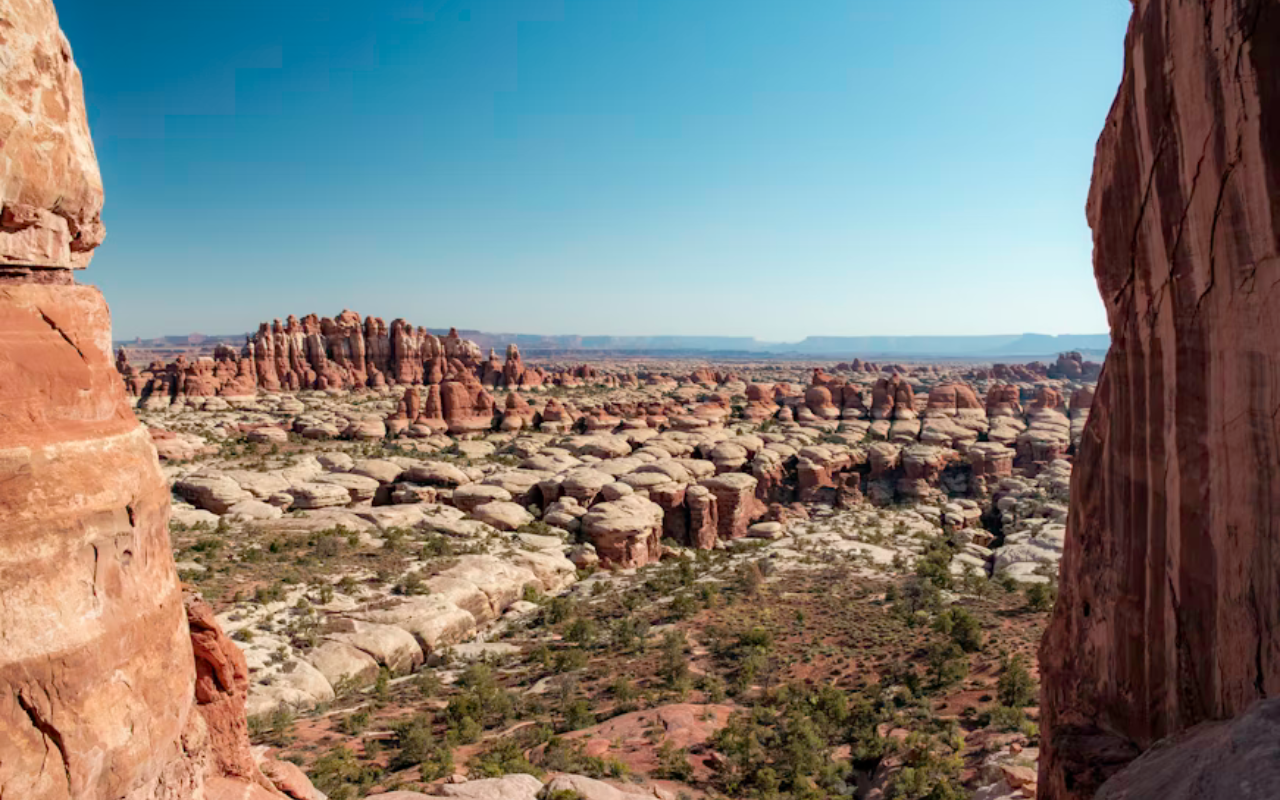
If you’re heading to Utah’s Canyonlands National Park, recall your outdoor survival lessons. This vast park is split into four separate desert regions located hours apart, with no convenient spots to restock supplies. Carry ample water and essentials for your entire journey because resources are scarce, and you won’t find places to refuel or regroup easily during your exploration.
Great Smoky Mountains: Challenging Roads and Water Hazards
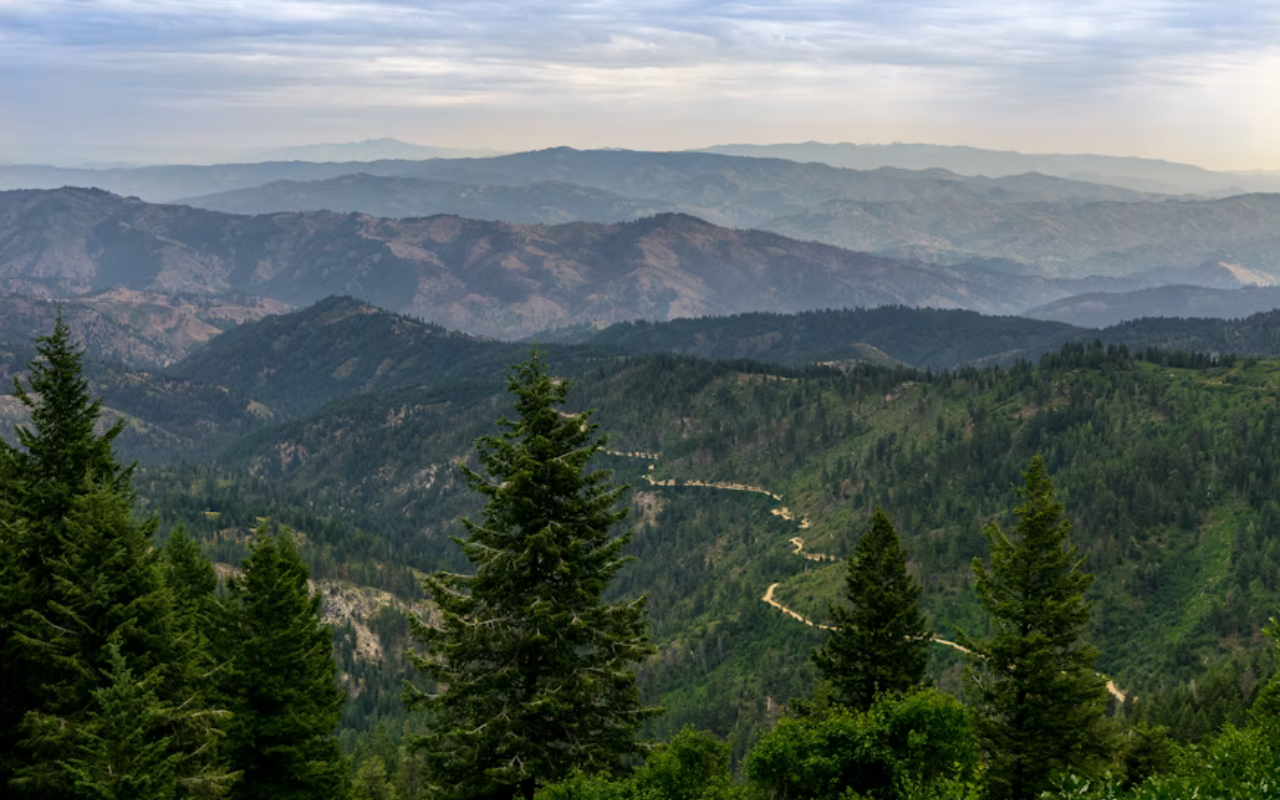
Straddling Tennessee and North Carolina, Great Smoky Mountains National Park draws avid hikers with the Appalachian Trail and abundant outdoor opportunities. However, the winding, steep roads around the park are notorious for accidents involving vehicles and motorcycles. On top of road dangers, the many rivers and streams can pose drowning threats, so take caution both on land and near water.
Big Bend National Park: A Dangerous Desert Adventure
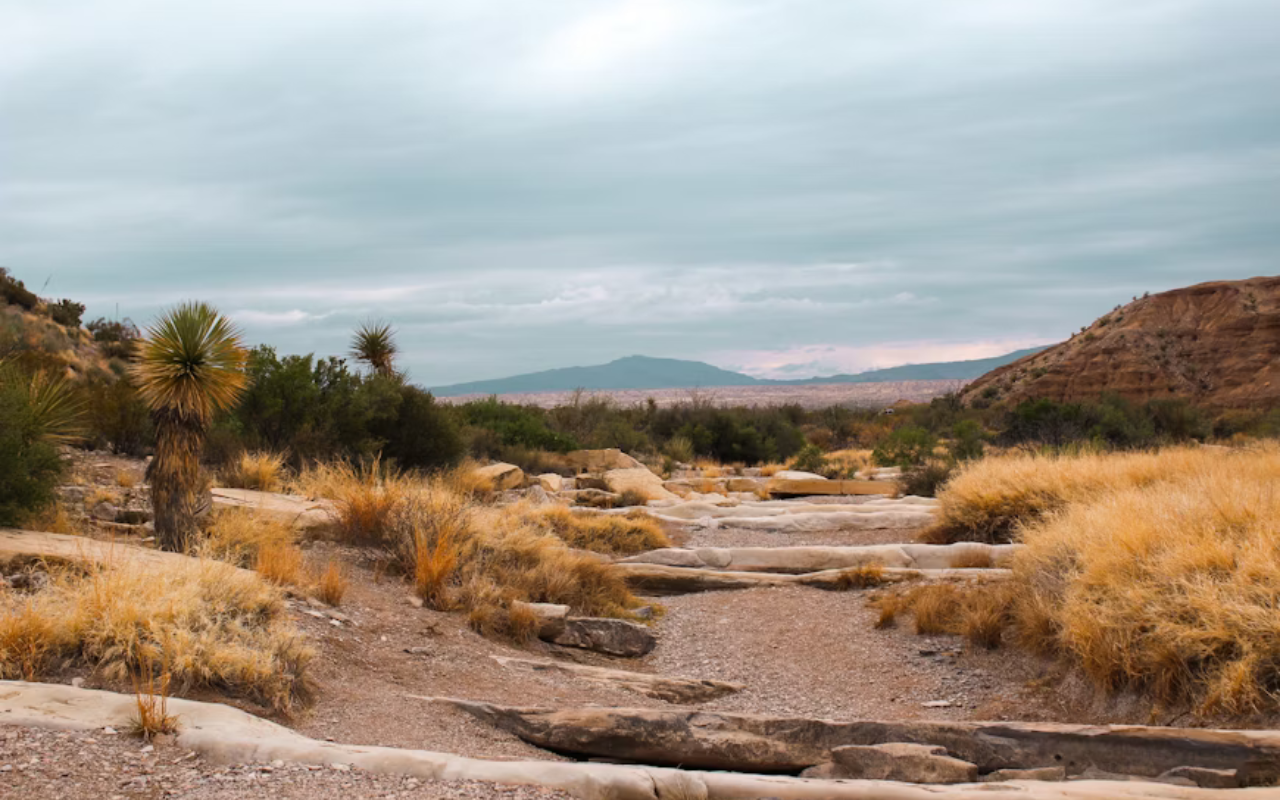
Texas’ Big Bend National Park, with its Chihuahuan Desert, scenic Chisos Mountains, and Santa Elena Canyon, attracts visitors year-round due to its rich biodiversity. But beware: over the past two decades, more than 25 visitors have lost their lives here, mostly due to the harsh desert heat. The park’s remote setting also makes rescue efforts difficult, so proper preparation is absolutely essential.
Guadalupe Mountains: Harsh Terrain and Isolation
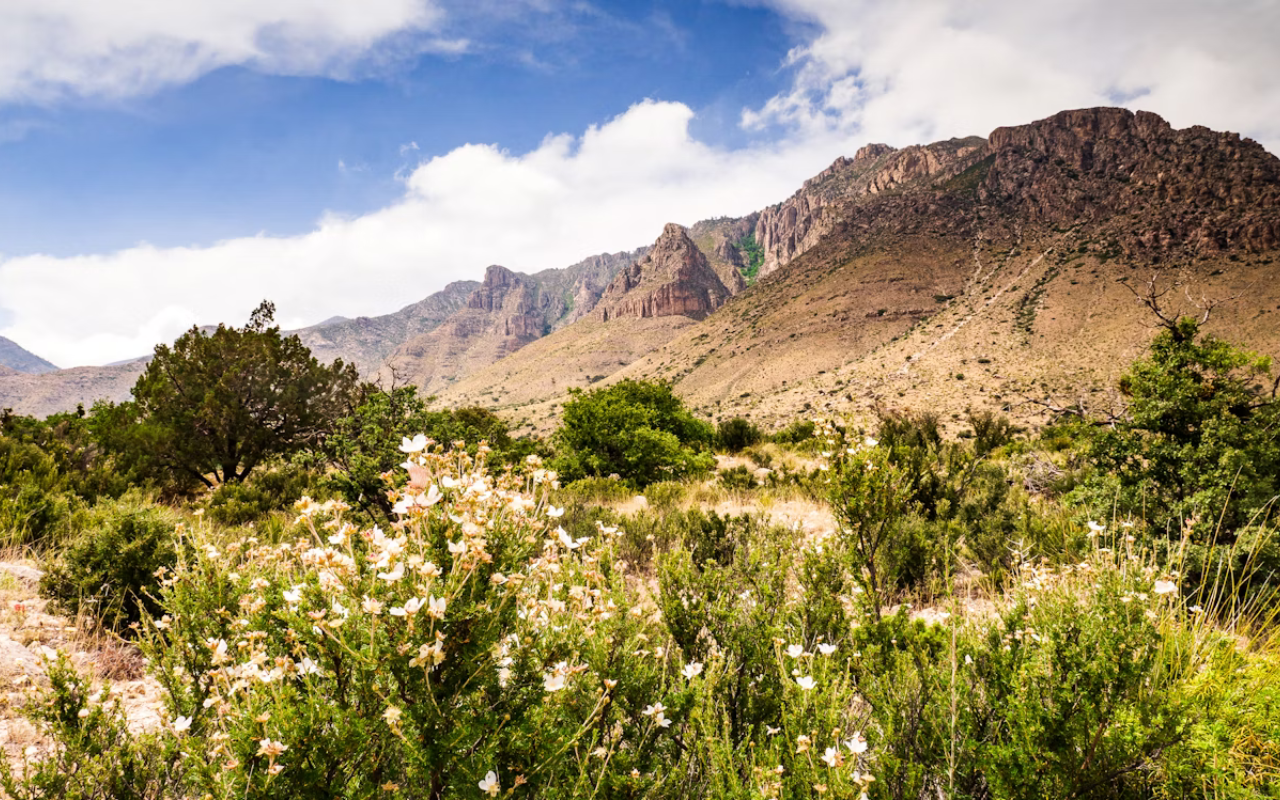
Near El Paso, the Guadalupe Mountains present a challenging landscape for hikers and campers. This remote park features white sand dunes, desert expanses, and striking rock formations, but its tough terrain and limited emergency access mean you must bring extra supplies and safety gear. Without proper gear and planning, exploring this area can quickly become risky.
Death Valley: Extreme Heat and Venomous Creatures
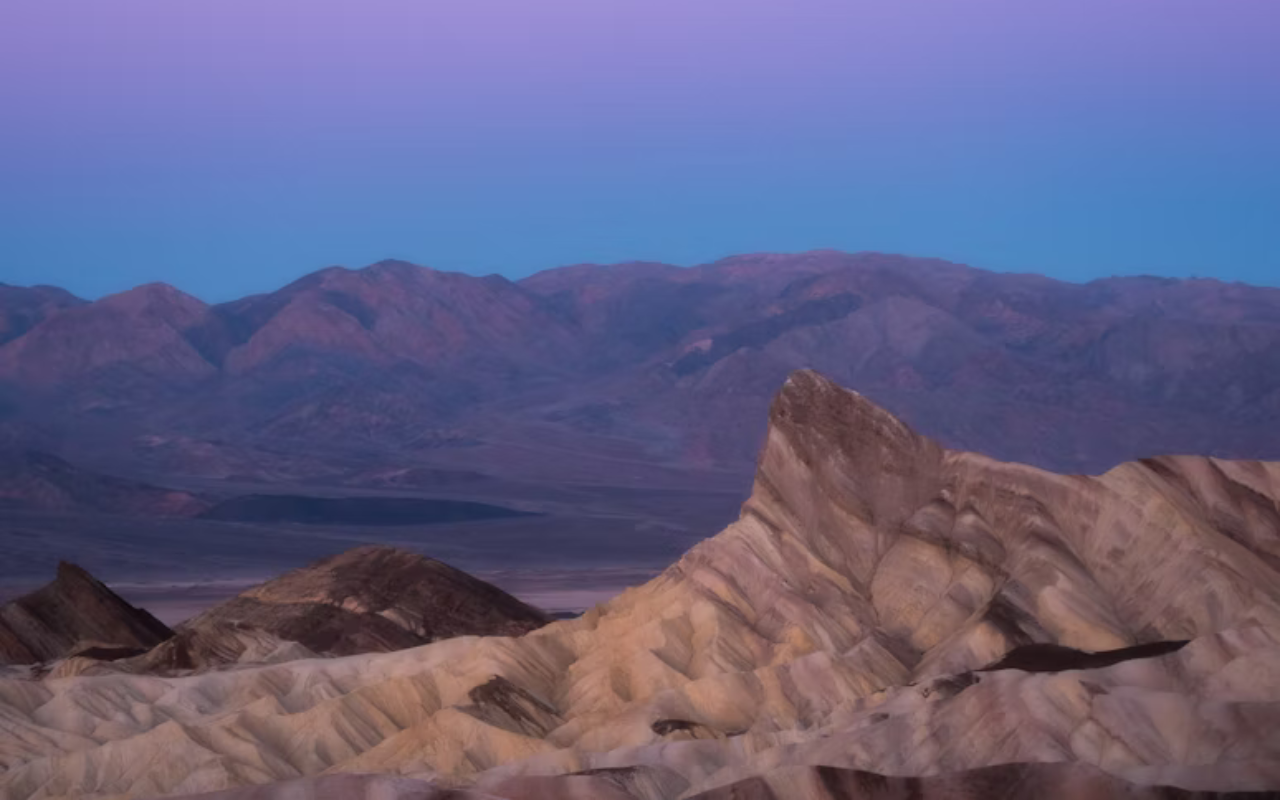
Death Valley’s dramatic scenery includes America’s lowest point, vibrant landscapes, and eerie ghost towns. Yet, visitors often underestimate the brutal heat waves that strike the area. Additionally, dangerous wildlife like rattlesnakes and black widow spiders inhabit the valley, making it vital to be cautious and well-prepared during your visit.
Grand Teton: Majestic Peaks with Mountain Wildlife Risks
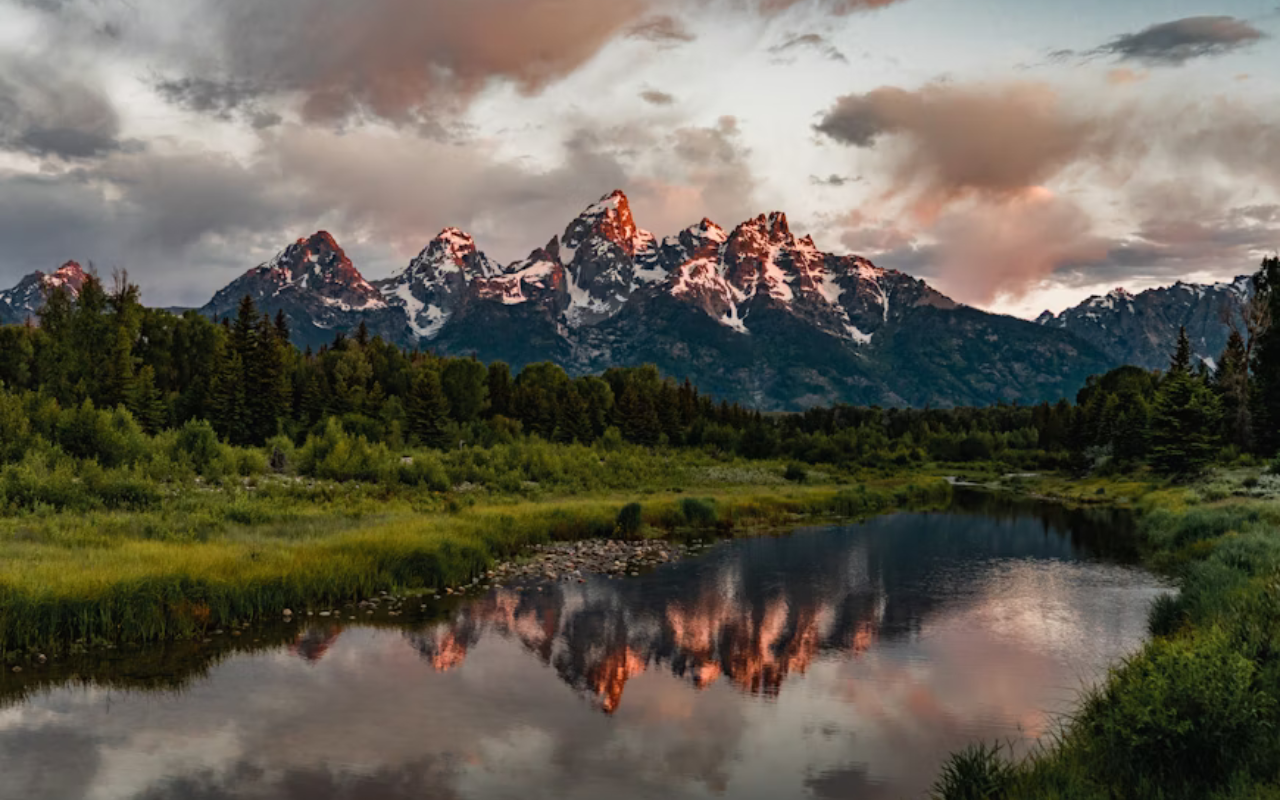
Wyoming’s Grand Teton National Park is famous for its breathtaking mountains and ancient wildlife species. However, the park is home to potentially dangerous animals such as black bears, grizzlies, and moose. To avoid unsafe encounters, it’s crucial to store your food securely and stay vigilant while hiking or camping in this stunning but wild environment.
Everglades National Park: Beware the Waterborne Predators
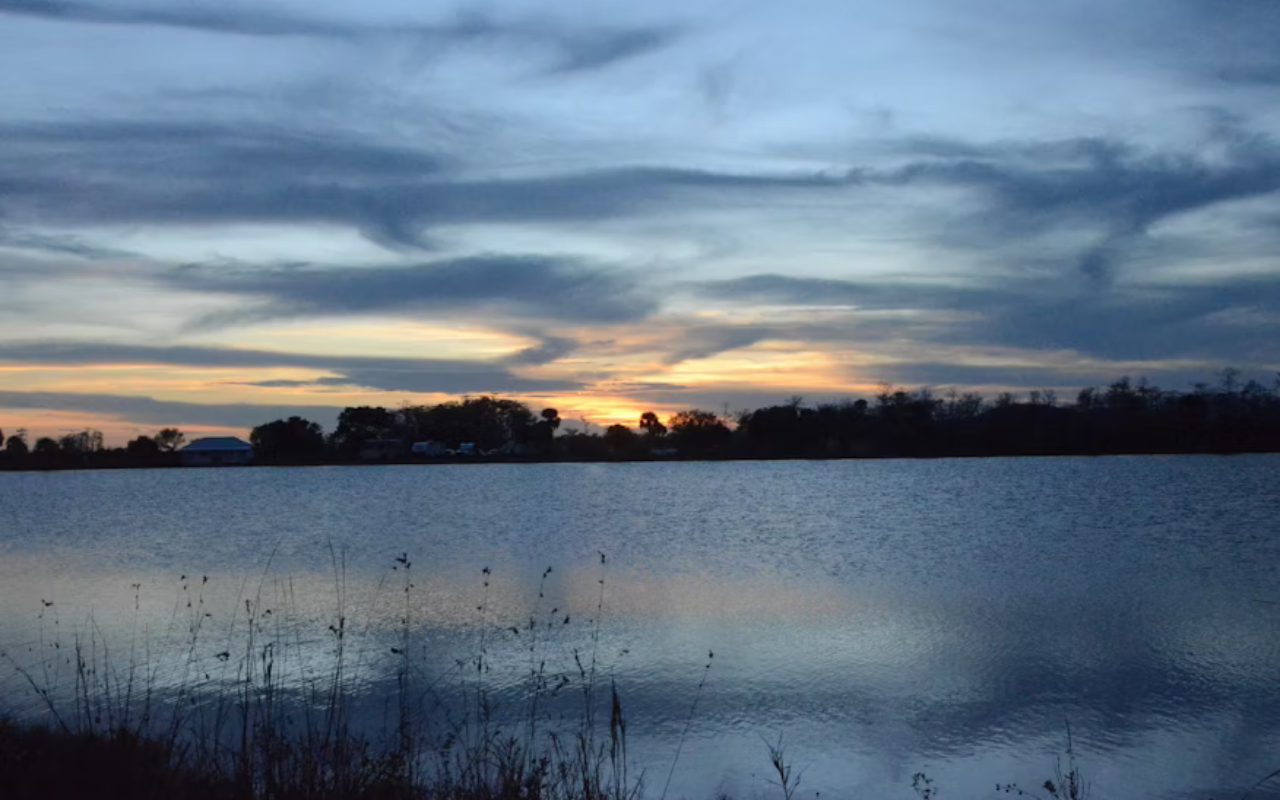
As a UNESCO World Heritage Site, the Everglades offer unique wetland ecosystems that thrill outdoor fans. However, this habitat also supports several dangerous creatures like crocodiles, alligators, venomous snakes, and poisonous insects. If you lack experience with such environments, it’s best to avoid camping here due to the life-threatening risks.
Maroon Bells: Beautiful but Perilous Colorado Peaks
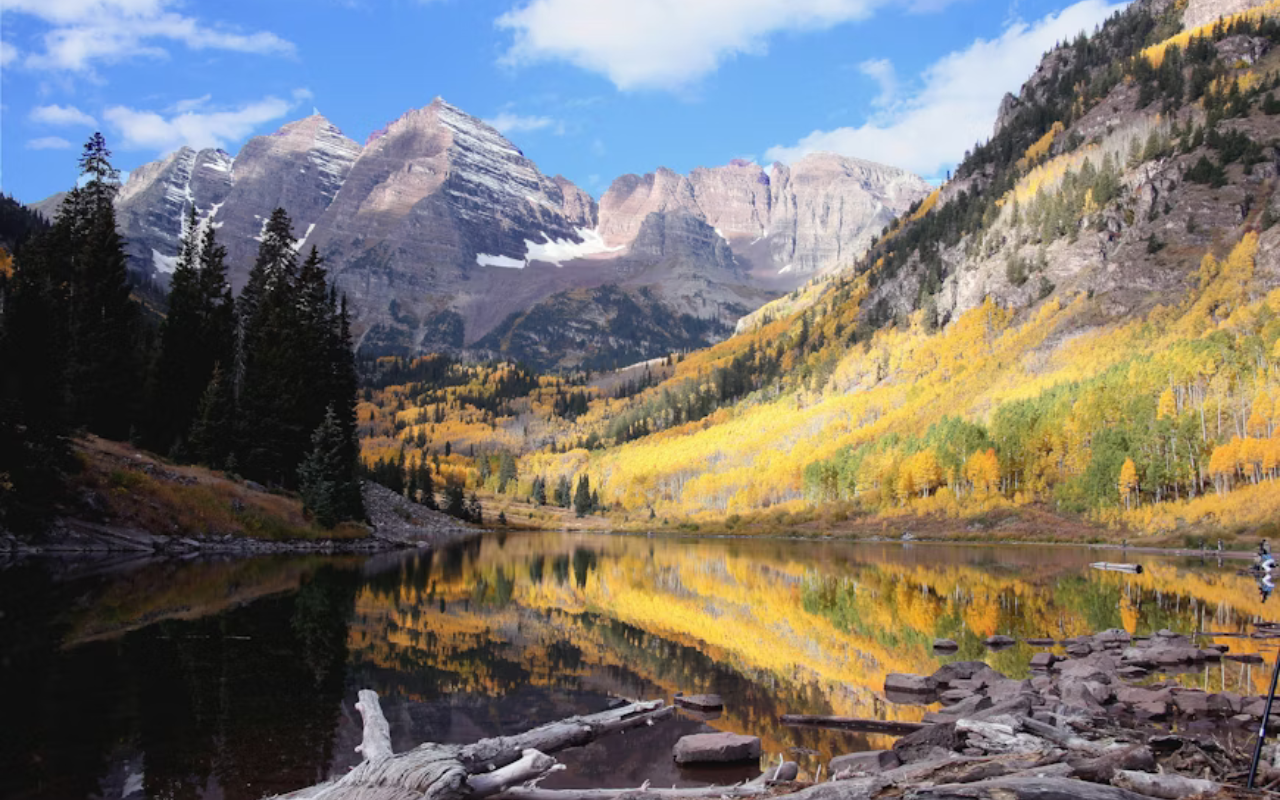
Colorado’s Maroon Bells, iconic twin peaks with a picturesque lake, are a favorite for hiking and camping. Despite their allure, these mountains have earned the nickname “Deadly Bells” after claiming the lives of at least ten people this century. Rescue teams are frequently deployed, often due to hikers slipping on loose gravel, so exercise extreme caution when exploring.
Grand Canyon National Park: High Crime and Hazardous Risks
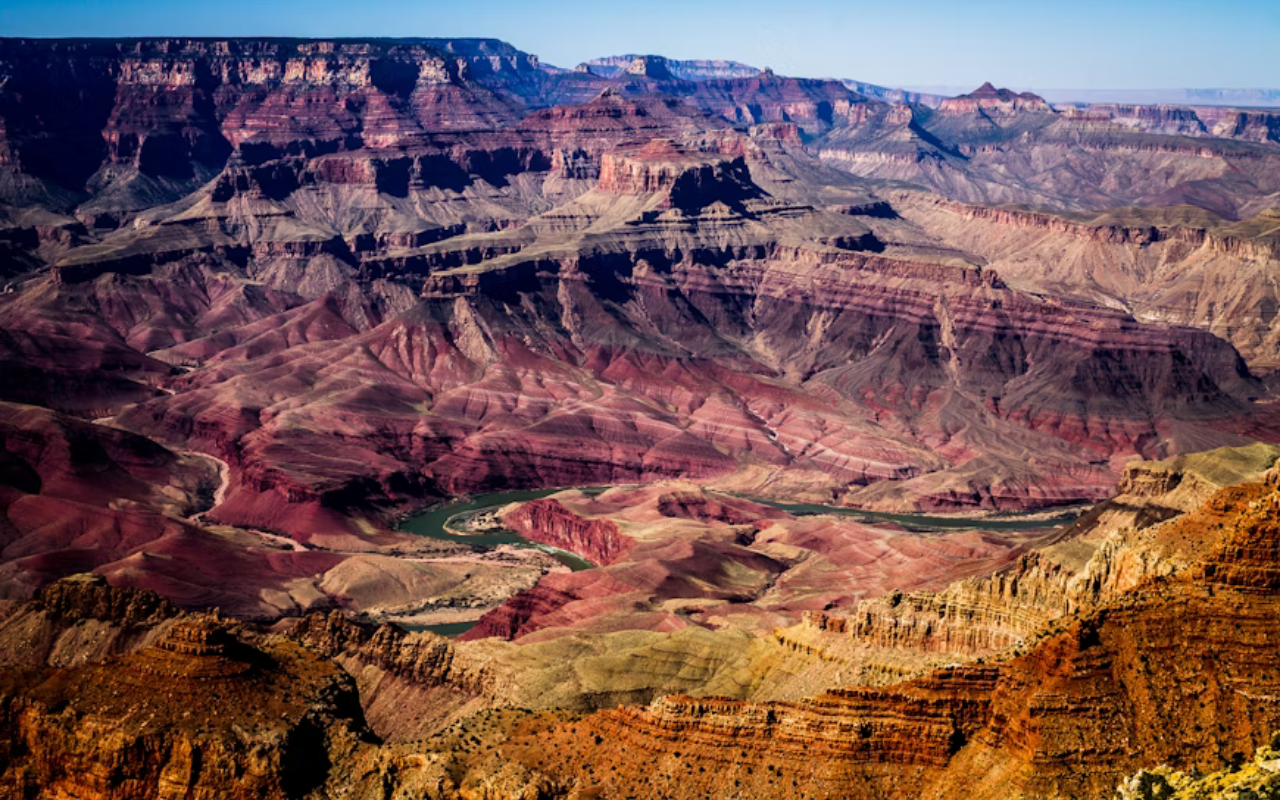
While breathtaking, Grand Canyon National Park has a troubling side with elevated rates of theft and violent crime. Furthermore, visitors sometimes take extreme chances to capture dramatic photos, risking fatal falls. Remember, no snapshot is worth endangering your life in this spectacular but unforgiving location.
Olympic National Park: Stunning Beauty with Hidden Dangers
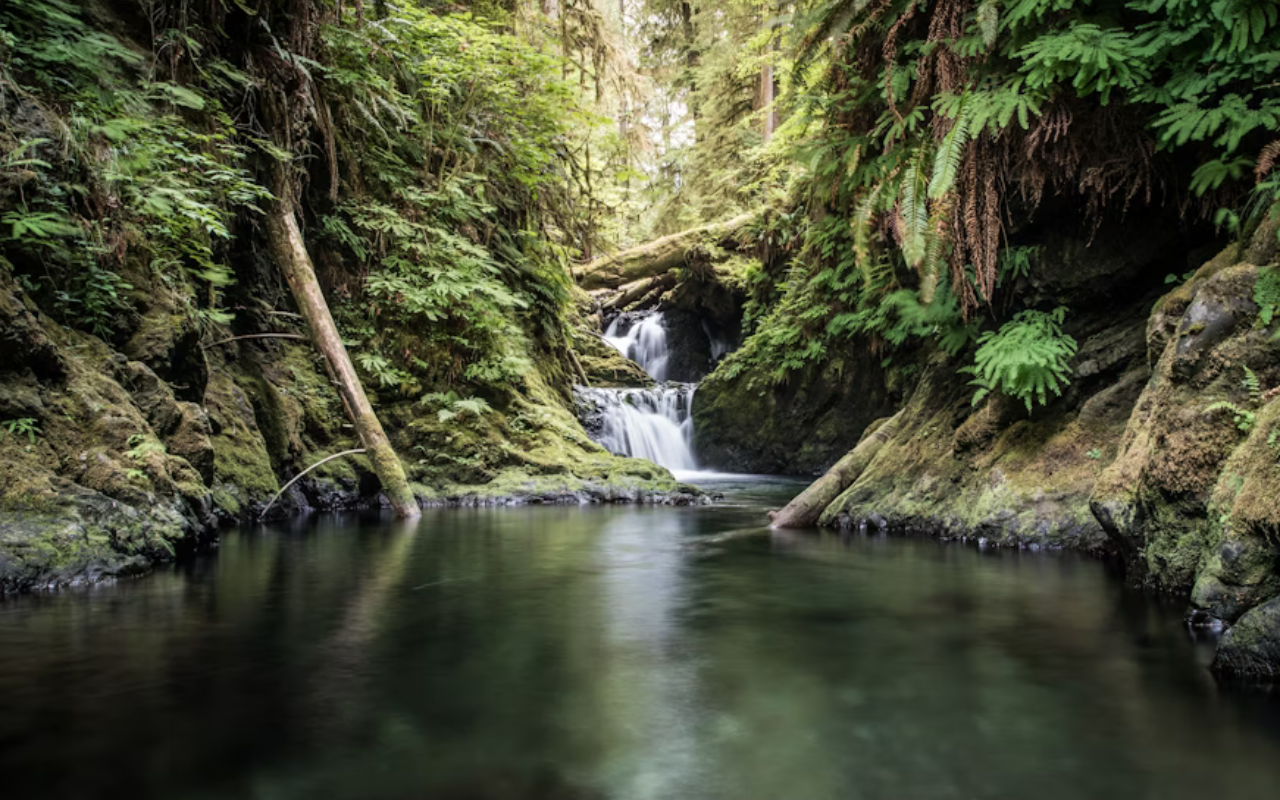
Olympic National Park showcases diverse environments-mountains, rainforests, and coastlines-each with unique hazards. Sudden mountain weather shifts, getting lost in dense forests, and unpredictable tidal changes along the coast can quickly turn dangerous. Additionally, unstable ground and erosion pose risks, especially if you venture off-trail or travel after dark.
Mount Rainier: Awe-Inspiring Volcano with Risks
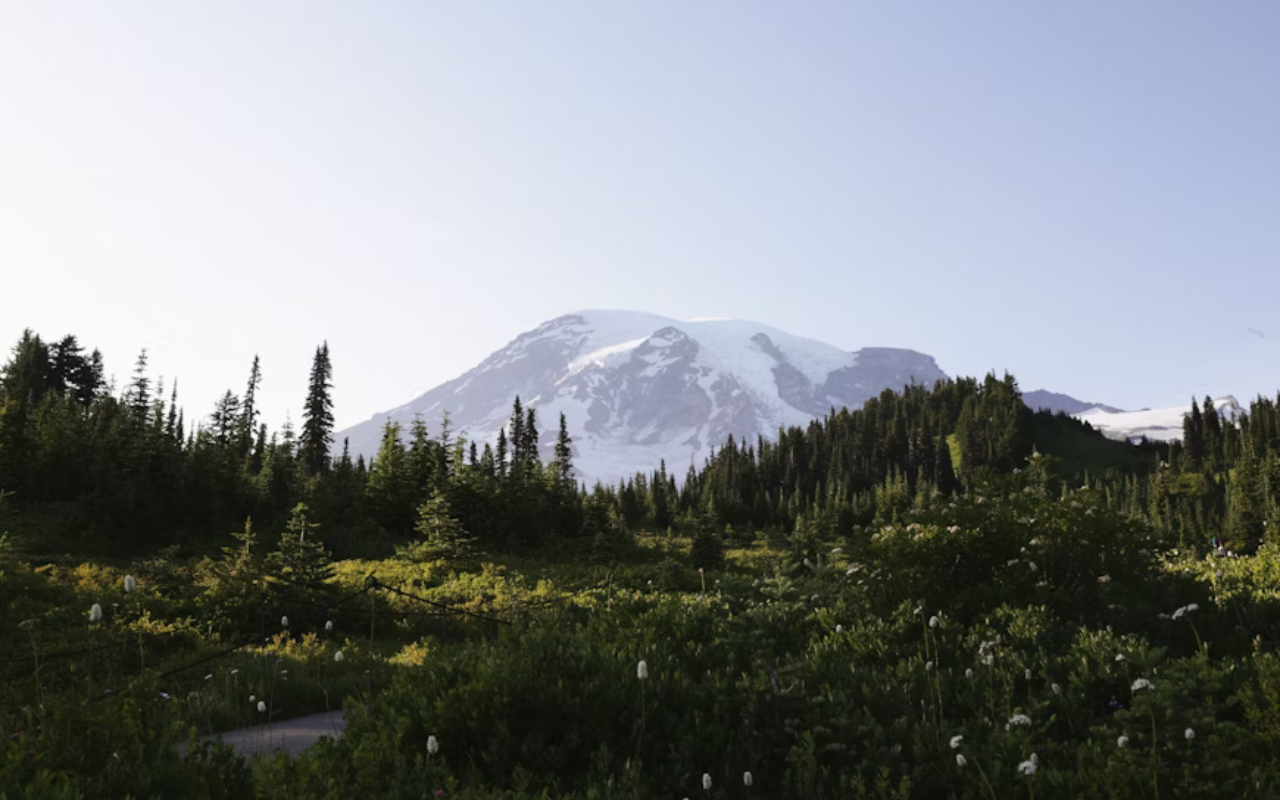
Mount Rainier National Park is a spectacular sight, boasting the nation's most heavily glaciated volcano and vibrant wildflowers. However, this volcano is overdue for an eruption, which could devastate surrounding areas. The climb itself is challenging, demanding strong preparation and caution, as the terrain can be treacherous for hikers and campers alike.
Rocky Mountain National Park: Sudden Weather and Tick Danger
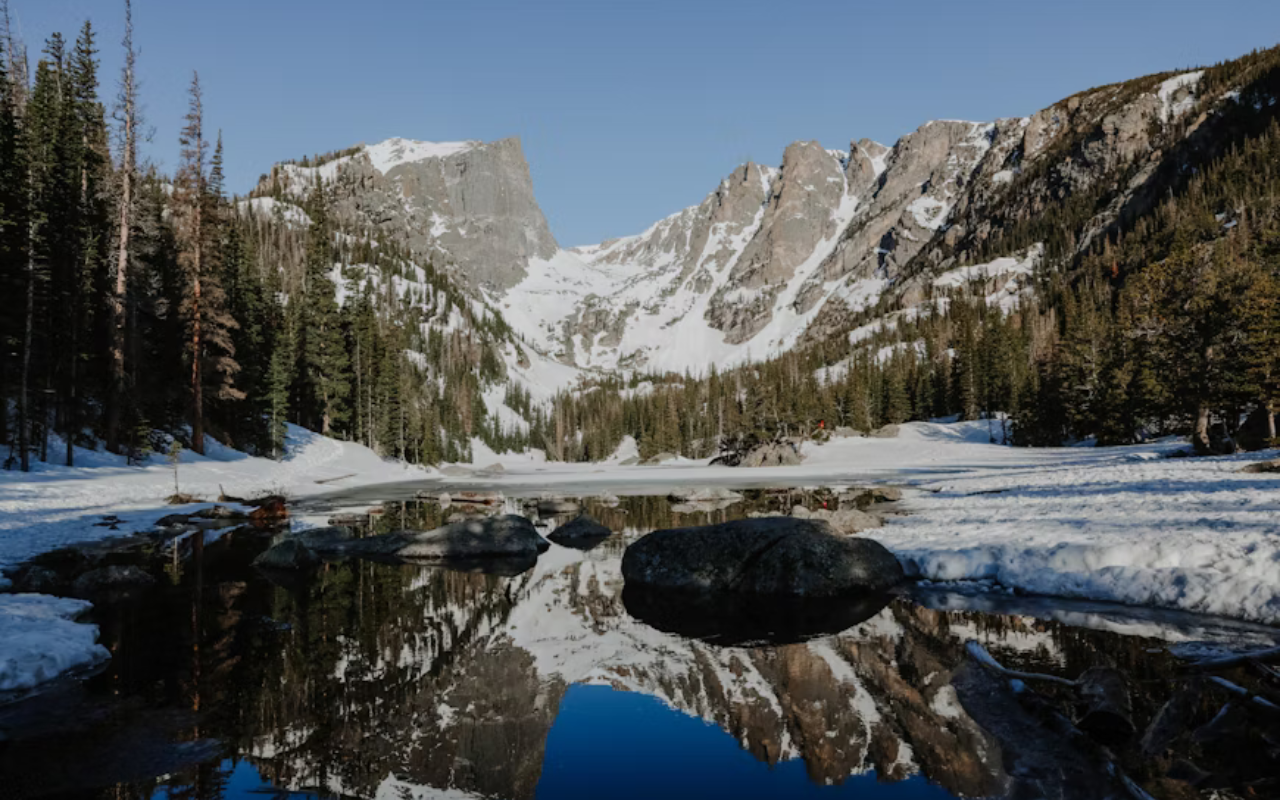
Colorado’s Rocky Mountain National Park offers stunning views and diverse wildlife, but visitors should be aware of rapidly changing weather that can bring sudden cold snaps or floods. Plus, ticks are common and can transmit Rocky Mountain Spotted Fever, a serious illness. Checking weather forecasts and using insect repellent are musts before heading out.
North Coyote Buttes: The Perilous Journey to The Wave
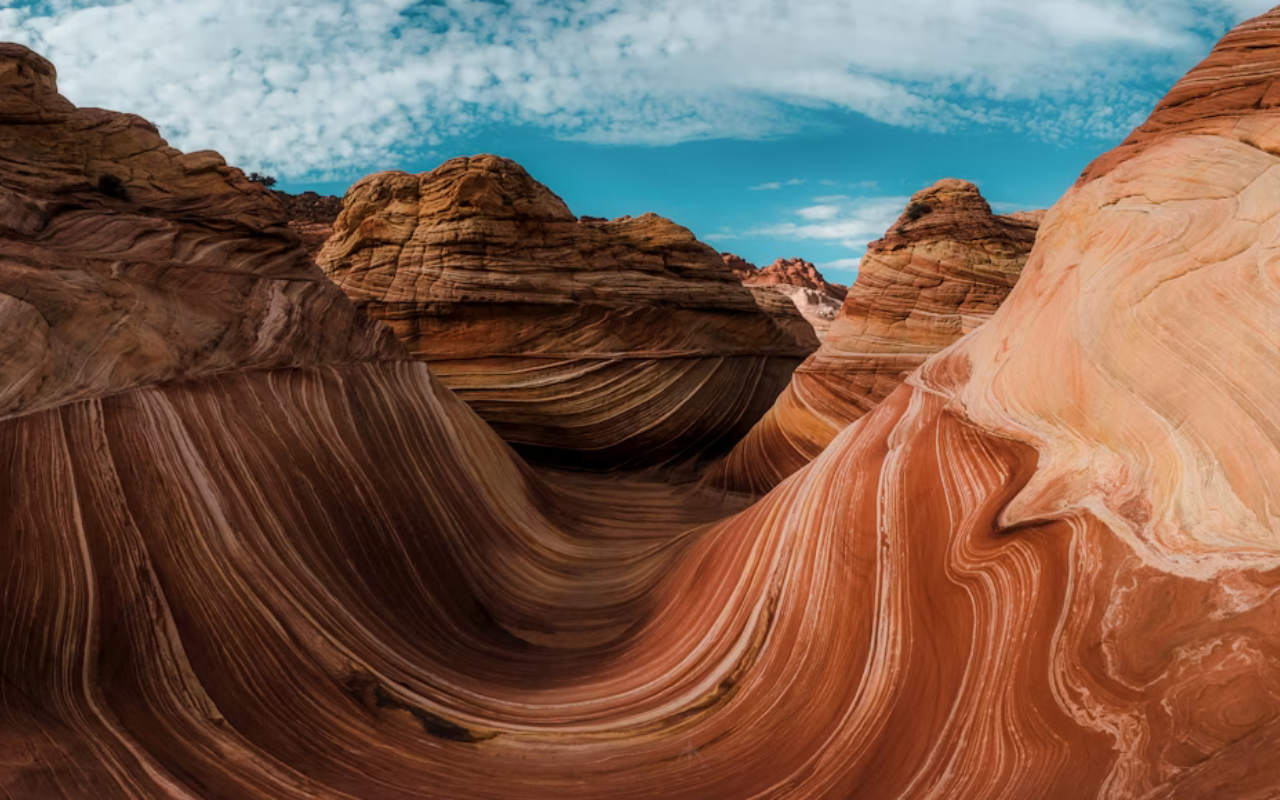
The Wave, a striking sandstone formation in the Vermilion Cliffs Wilderness, is a coveted destination with access strictly limited to protect both nature and visitors. Reaching it requires a grueling six-mile trek with minimal and unclear signage, which has led to multiple fatalities from people losing their way. Only well-prepared and experienced hikers should attempt this challenging hike.
Yosemite National Park: Hidden Hazards Amidst the Beauty
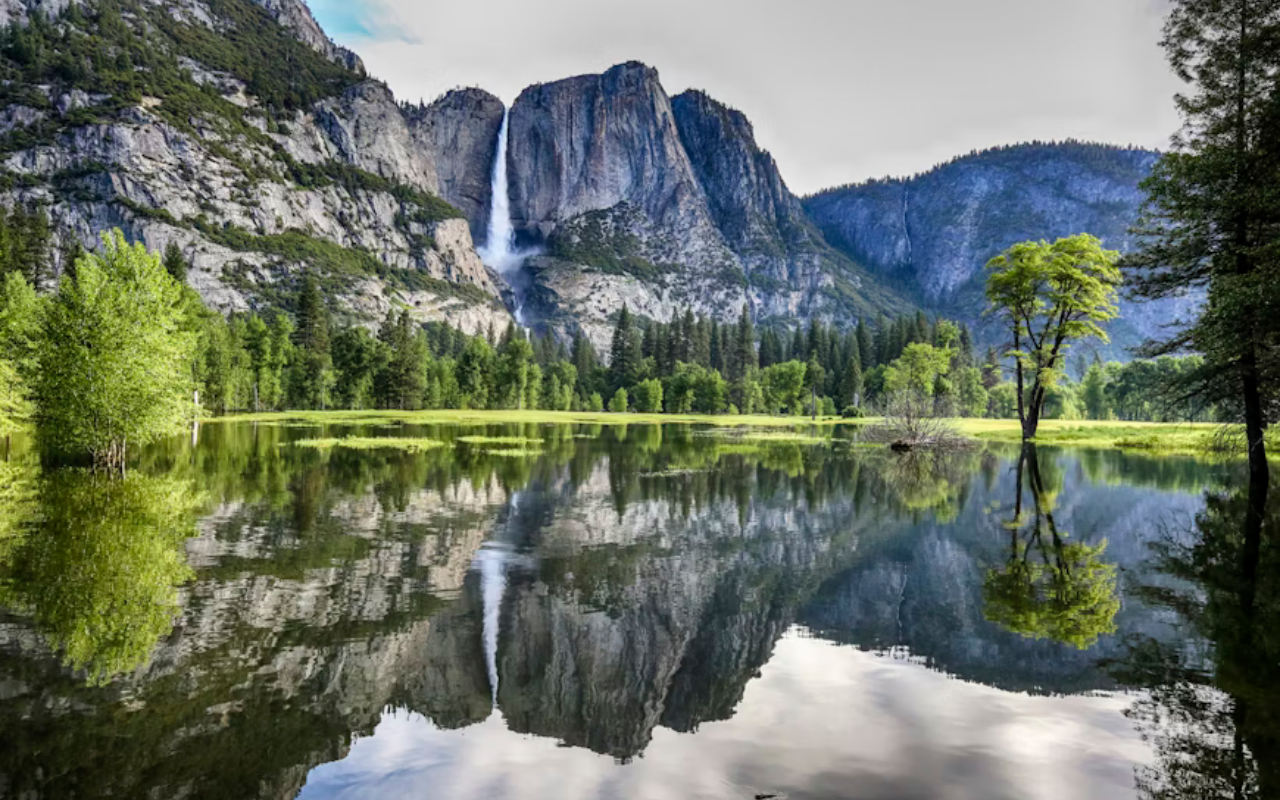
Yosemite’s world-renowned redwoods and granite cliffs attract many visitors, but the park holds dangers beneath its scenic surface. Swift river currents can make rock hopping risky, trails can be unstable, and some areas have sudden drop-offs. Getting lost is also a real threat, even for seasoned hikers, so always stick to marked paths and travel during daylight.
Yellowstone: Unique Geothermal Features with Physical Challenges
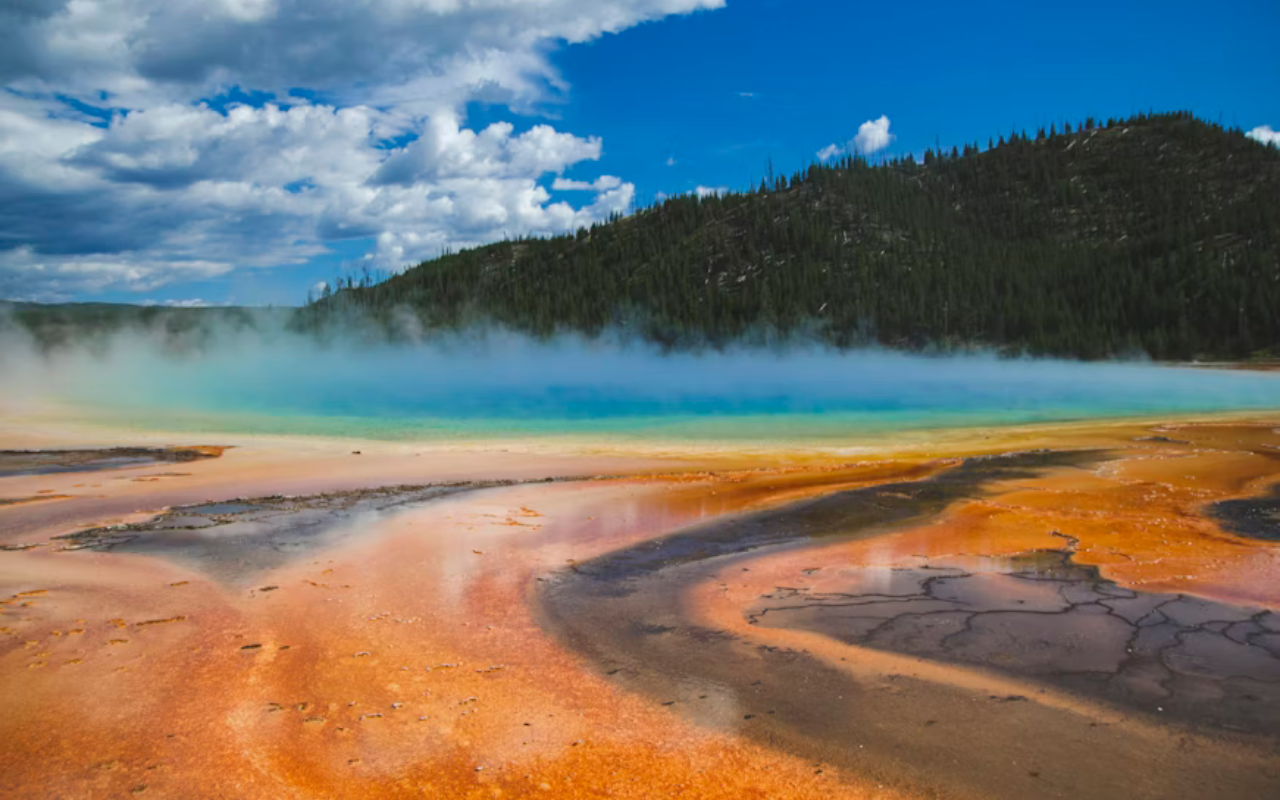
Yellowstone National Park spans over 2.2 million acres across three states, famous for its hot springs and the Grand Prismatic Spring. Despite its otherworldly beauty, the terrain can be physically demanding, and visitors face dangers such as dehydration, heat stroke, and exhaustion. Wildlife encounters can also be hazardous, reinforcing the need for thorough preparation.
Shenandoah National Park: Beautiful but Bear Territory
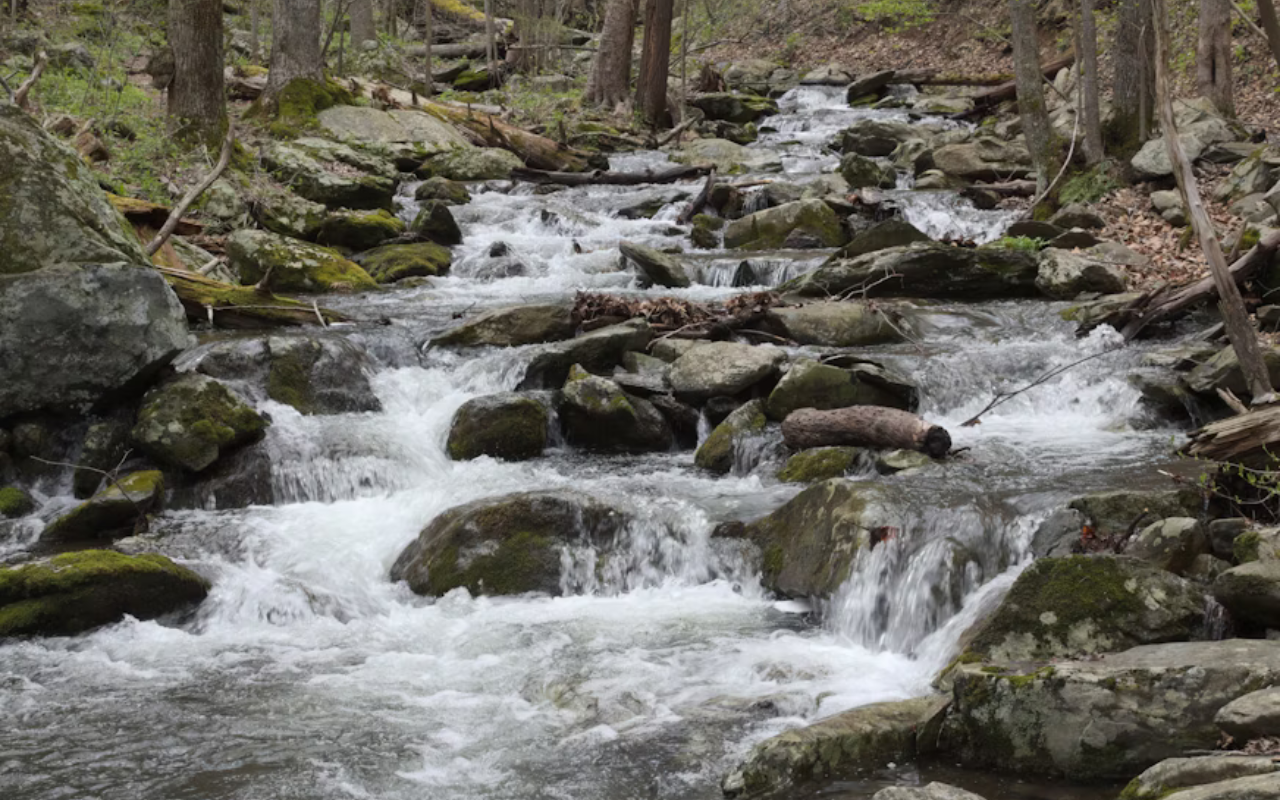
Virginia’s Shenandoah National Park offers stunning mountain views and waterfalls, attracting nature lovers. However, the park is home to black bears that are often drawn to human food and trash. Campers especially face risks of bear encounters that may escalate, so proper food storage and caution are essential to staying safe here.
Denali National Park: Untamed Wilderness and Predator Threats
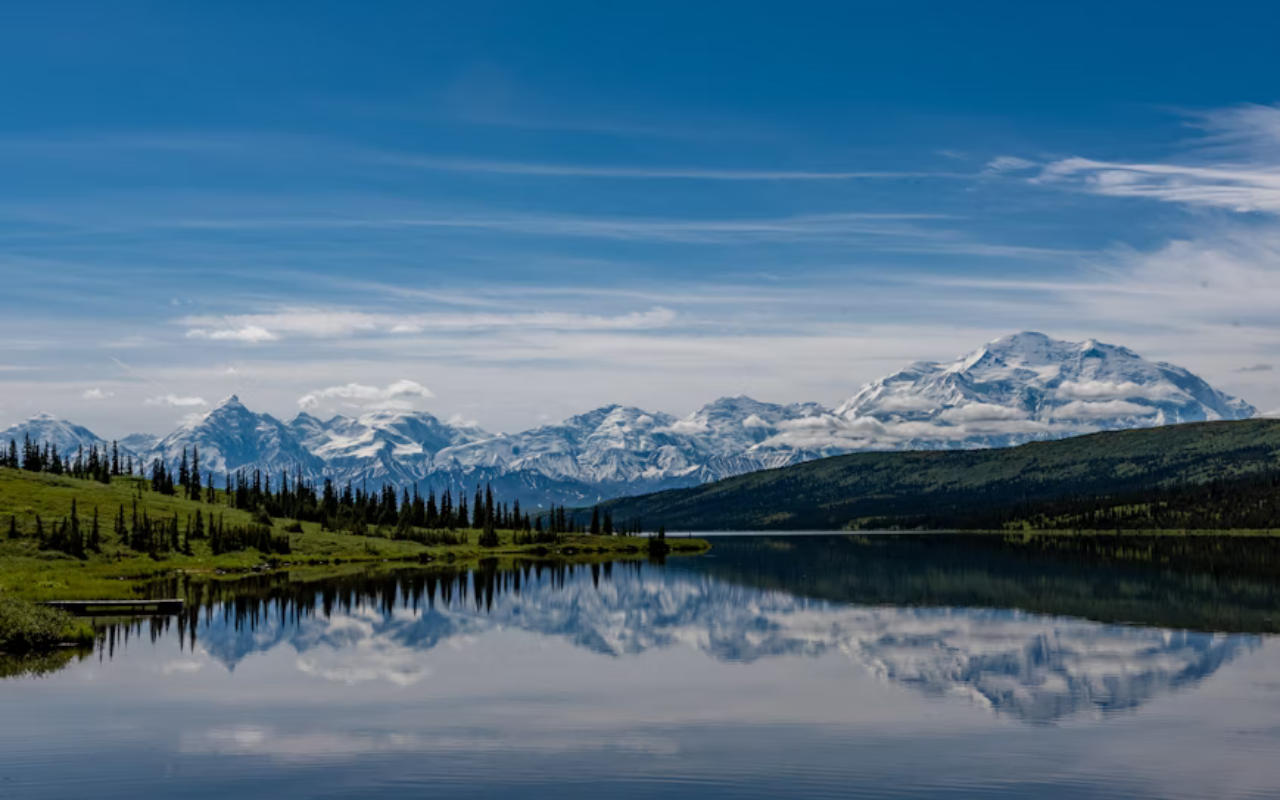
Alaska’s Denali National Park is a breathtaking wilderness with towering peaks and pristine landscapes. It’s also trail-less, increasing the risk of getting lost without a clear path. Adventurers face serious risks from wildlife like moose, wolves, and bears, as well as the challenging climb to the highest peak in the U.S., making it a destination suited only for highly experienced visitors.
Zion National Park: Stunning Views Amid Weather Perils
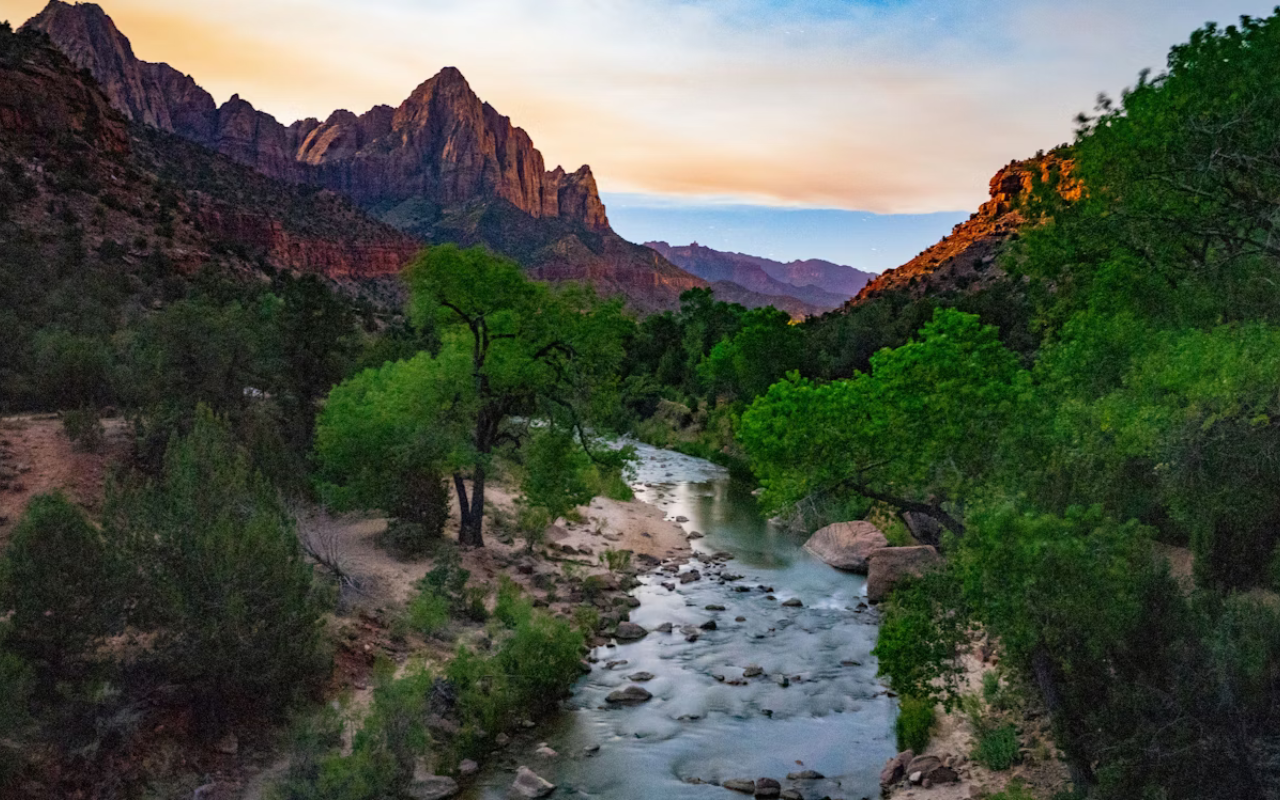
Zion National Park in Utah is famous for its dramatic canyons and popular hikes like Virgin River Narrows. However, visitors must be wary of seasonal dangers: flash floods during rainy periods and extreme heat during dry months can cause dehydration and heat exhaustion. Proper planning around weather conditions is critical to a safe visit.
Glacier National Park: Cold Weather and Wildlife Concerns
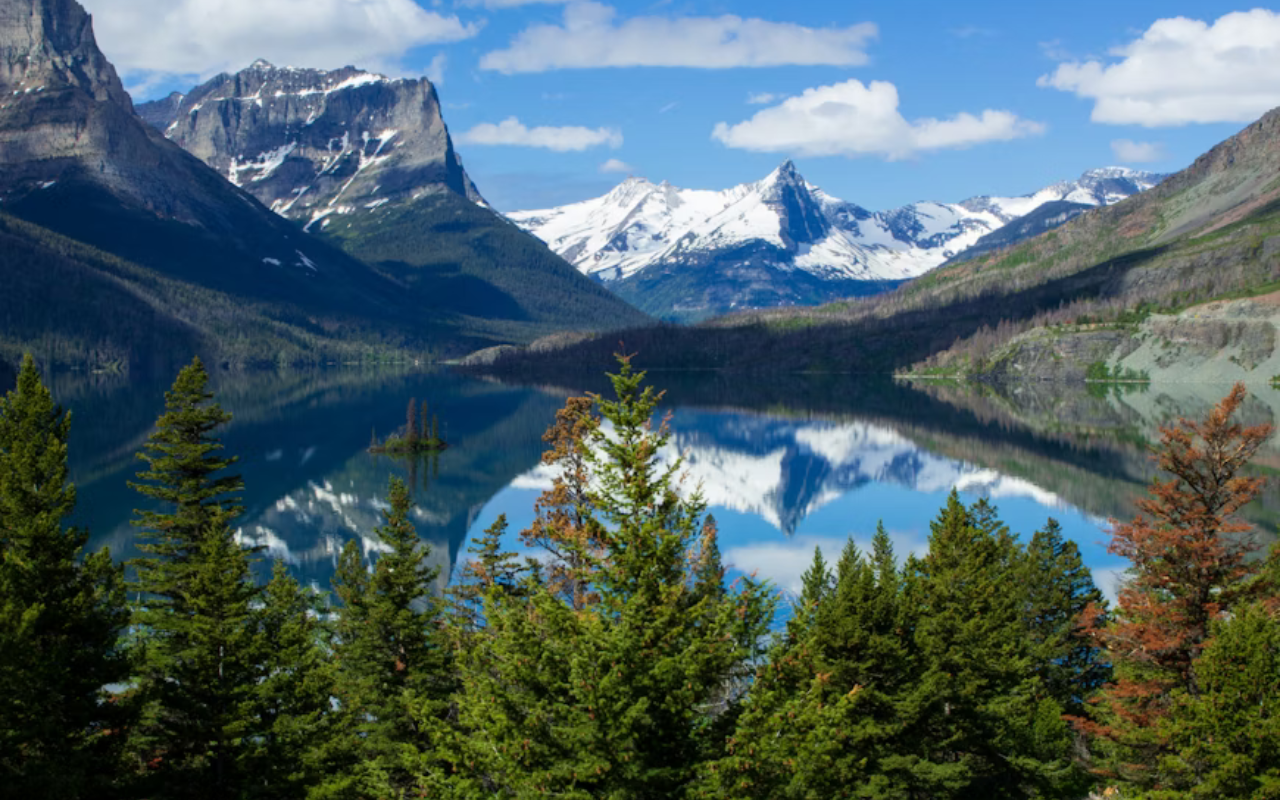
Montana’s Glacier National Park captivates with its stunning glaciers, forests, and lakes, but it also challenges visitors with frigid temperatures and unpredictable weather. Additionally, the presence of bears and wolves presents serious threats, with fatal bear encounters occurring annually. Awareness and caution are vital when exploring this wilderness.
Virgin Islands National Park: Tropical Beauty with Hidden Dangers

St. John’s Virgin Islands National Park is a tropical haven for snorkeling, diving, and hiking. Yet, along with spectacular coral reefs, visitors must be cautious of poisonous plants and marine animals. The proximity to large bodies of water also raises the risk of accidental drownings, so staying vigilant around the water is essential.
This article was written by Hunter and edited with AI assistance. The Daily Dive travel desk uses AI-assisted visuals and content that were reviewed and approved by our editors prior to publication.