
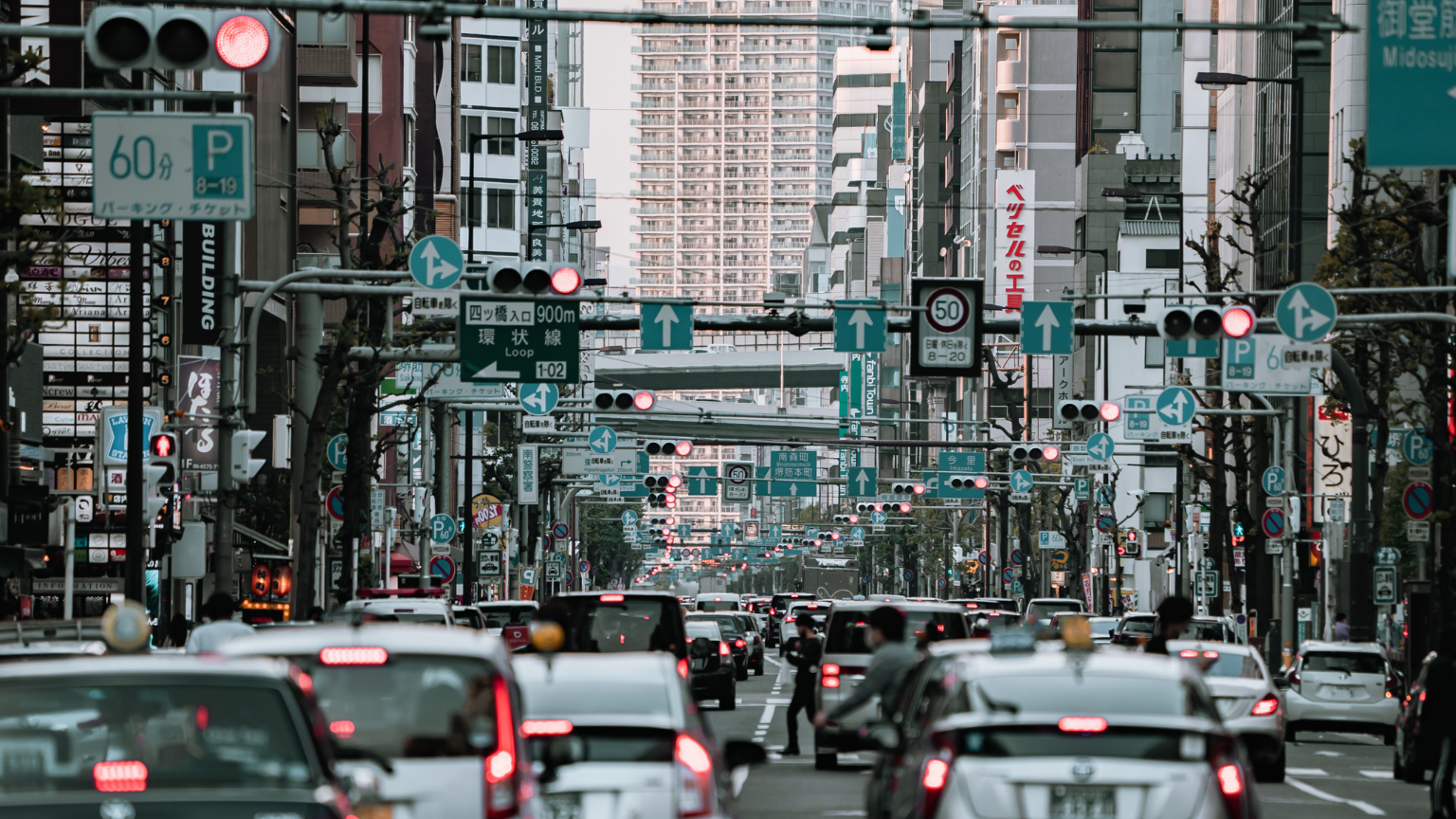

Driving in a new city can be an adventure, but in some places, it's more of a challenge than you might bargain for. Traffic laws, road signs, and local driving habits vary greatly around the globe, making some cities notorious for their driving difficulties, especially for foreigners. If you're planning to get behind the wheel in an unfamiliar land, here are some places where you might want to think twice.
1. Bangkok, Thailand (A maze of traffic jams)

In Bangkok, the traffic can be so dense it feels like the cars are part of a never-ending parade. The city's streets are a labyrinth of congestion, where rush hour seems to take up the whole day. For foreigners, the combination of the Thai alphabet on street signs and the seemingly chaotic driving habits can be overwhelming. Motorbikes zip through tiny gaps between cars, making it a heart-pounding experience for those not accustomed to such daring maneuvers. Even with a GPS, navigating Bangkok's bustling roads is a test of patience and skill.
2. Rome, Italy (Scooters everywhere!)

Rome's historic charm doesn't extend to its driving conditions. The city is infamous for its narrow, winding streets that suddenly end without warning, and the locals' love for scooters adds to the chaos. These scooters often dart in and out of traffic, creating a nerve-wracking game of cat and mouse for any foreigner behind the wheel. Parking is another nightmare, with spaces being as rare as a peaceful drive through the city. If you're not used to aggressive driving styles, Rome's roads can be a real test of nerves.
3. Paris, France (Beware of the roundabouts)

Driving in Paris is not for the faint-hearted, especially when approaching the infamous roundabouts. The city's most notorious is the Étoile, which surrounds the Arc de Triomphe and where the usual traffic rules seem to be ignored. With cars entering and exiting from all directions, it's a whirlpool of vehicles that can disorient even the most experienced drivers. Add to this the aggressive driving style of locals, and navigating Paris by car can quickly become a daunting task. Foreign drivers often find the city's historic beauty is best enjoyed from the backseat of a taxi.
4. Mumbai, India (Honk, honk, and honk again)

Mumbai's roads are a cacophony of horns, a constant reminder of the city's bustling energy. Here, honking is not just a way to express frustration but a necessary tool for navigating the crowded streets. The concept of personal space doesn't apply, with vehicles of all sizes squeezing into the smallest gaps. Traffic rules seem more like guidelines, often ignored in the rush of daily commutes. For foreigners, the unpredictability of Mumbai's traffic, combined with the relentless noise, makes driving here an unforgettable experience, but perhaps not for the right reasons.
5. Beijing, China (A test of patience)

Beijing's traffic is legendary, with gridlocks stretching for miles and lasting hours. The sheer volume of cars on the road, combined with aggressive driving practices, makes for a challenging driving experience. Cyclists and pedestrians weaving through traffic add another layer of complexity to the mix. Foreign drivers might find the road signs and directions challenging to follow, not to mention the pollution that can reduce visibility on bad days. Driving in Beijing requires a zen-like patience and a keen sense of awareness to navigate its congested streets.
6. Moscow, Russia (Winter driving on steroids)

Driving in Moscow presents a unique set of challenges, particularly during the harsh Russian winter. The snow and ice transform the roads into slippery hazards, demanding skillful driving and a good set of winter tires. Traffic can be unpredictable, with sudden jams occurring at odd hours. The local driving style is assertive, to say the least, with a liberal interpretation of traffic rules. Foreigners might find driving in Moscow an adrenaline-pumping experience, especially when navigating its icy streets in the dead of winter.
7. Manila, Philippines (A symphony of chaos)

Manila's traffic is a puzzle that even locals find hard to solve. The city's roads are a jumble of jeepneys, tricycles, and cars, all competing for space in a seemingly unregulated ballet. Traffic signals are more suggestions than commands, creating a free-for-all environment that can intimidate foreign drivers. The concept of lanes is fluid, with vehicles often creating their own paths through the congestion. Driving in Manila requires a go-with-the-flow attitude and a sharp eye for the unexpected.
8. Istanbul, Turkey (Two continents, one massive traffic headache)

Istanbul's position as a bridge between Europe and Asia adds an extra layer of intrigue to its driving experience. The city is notorious for its heavy traffic and complex road network, which can confuse even the most GPS-savvy drivers. The Bosphorus Strait, while beautiful, is a bottleneck that exacerbates the city's traffic woes, especially during rush hour. Local driving habits can seem aggressive to newcomers, and finding parking is often a quest in itself. Navigating Istanbul's bustling streets offers a unique challenge, blending historical allure with modern-day traffic chaos.
9. Lagos, Nigeria (Endless traffic jams)

Lagos takes traffic jams to a new level, with commutes that can last several hours, especially during the rainy season. The city's roads are overwhelmed by the sheer number of vehicles, leading to gridlock situations where progress is measured in inches rather than miles. Drivers here must be vigilant, as the roadways are shared with pedestrians, street vendors, and the occasional livestock. Traffic regulations exist but are often overlooked in the daily rush, creating a driving environment that requires constant attention. For those unaccustomed to such conditions, driving in Lagos can be an exercise in endurance and patience.
10. Mexico City, Mexico (Altitude and attitude)

Mexico City combines high altitude with high intensity when it comes to driving. The city's elevation at over 2,000 meters can affect both drivers and vehicles, with thinner air impacting engine performance and potentially driver alertness. Traffic is dense, and the local driving style can be described as spirited, with a liberal interpretation of traffic laws. Pollution levels can also reduce visibility and affect air quality, adding another layer of challenge. Navigating this bustling metropolis requires a cool head and a keen eye, as the vibrancy of Mexico City extends to its roads.
This article was written by a human and edited with AI Assistance