

Every traveler has that one city that just did not live up to the hype. In 2024 and 2025, a wave of new rankings, review analyses, and perception studies have tried to put numbers to that feeling. They look at things like crime rates, visitor disappointment, tourist density, prices, noise, air quality, and how welcome people say they felt when they arrived. The result is a handful of big name destinations that keep popping up at the bottom of satisfaction charts, even as planes full of visitors continue to land every day.
Las Vegas, United States

Las Vegas tops at least one 2025 ranking of “least welcoming” tourist cities, thanks to a mix of sheer crowd volume, high prices, and sensory overload. Visitors talk about being excited for the lights and casinos, only to feel drained after hours of bright screens, loud music, and endless walking through giant resorts. Overtourism is a real issue, with certain weekends and events turning the Strip into a slow moving wall of people. Add in expensive resort fees, marked up drinks, and pricey shows, and it is easy to see why some travelers leave feeling they were more milked than entertained. At the same time, the city can be fun if you manage expectations, pick off peak dates, and mix in quieter neighborhoods off the Strip. The key in 2025 is treating Vegas as a very specific kind of destination rather than a general all purpose getaway.
San Francisco, United States

San Francisco still has incredible views, iconic hills, and one of the most famous bridges in the world, but many visitors say the experience on the ground can be tougher than expected. Recent data sets that compare crime, noise, air quality, and tourism pressure put the city near the top of “most stressful” lists for travelers. High housing costs and visible homelessness contribute to a sense of tension that some tourists are not ready for when they arrive expecting nothing but cable cars and sourdough. The weather can also surprise people with chilly winds and fog in the middle of summer while they are paying premium hotel rates. None of this erases the city’s culture, food, and waterfront scenery, but it does mean you need to plan carefully. Choosing central but safe neighborhoods, budgeting generously, and being realistic about what you will see on the streets makes the experience feel more honest and less like a rude awakening.
New York City, United States

New York appears on lists of both the world’s best and the world’s most tiring cities, sometimes at the same time. A recent study ranked it among the least welcoming destinations based on noise levels, meal prices, and overall stress. Times Square, in particular, regularly shows up in polls of the world’s worst tourist traps, with reviews complaining about crowds, cost, and underwhelming atmosphere once the initial wow factor fades. For many visitors, the pace, honking, and constant motion are exciting on day one and exhausting by day three. It does not help that anything from a basic hotel room to a casual sit down meal can feel shockingly expensive compared with back home. Yet there is a reason people keep coming. If you spread out your must see list, focus on neighborhoods beyond Midtown, and embrace parks and quieter corners between big sights, you are more likely to fall for the city instead of resenting it.
London, United Kingdom

London has an amazing mix of history, theater, museums, and food, but it also earns a spot near the top of 2025’s least welcoming city rankings. One of the biggest complaints is cost. Visitors and residents alike feel the pinch of expensive public transport, high hotel rates, and restaurant bills that climb quickly once you factor in service and drinks. For many travelers, especially those arriving from countries with weaker currencies, the prices create constant low level stress. Crowded summer streets around major attractions add to the sense of being rushed and packed in. Still, London has plenty of free museums and huge parks where you can catch your breath and give your wallet a break. Traveling outside peak dates, staying in less trendy parts of town with good transport links, and eating in local pubs or markets rather than tourist zones makes the city feel far more manageable.
Los Angeles, United States

Los Angeles often ends up on lists of cities that visitors find harder to love than they expected. Recent research that looked at environmental factors places it high on the “least welcoming” scale because of air pollution and the difficulty of getting around without a car. Travelers who picture a smooth coastal city break are often surprised by the distances between neighborhoods and the time spent in traffic. Smoggy days can make hikes and outdoor sightseeing less pleasant, especially in the hot months. At the same time, hotel and rental car costs have climbed, so you may feel like you are paying a lot just to sit in congestion. That said, if you treat LA as a cluster of small cities rather than one walkable center, it can be great. Picking a home base close to what you actually want to see, using trains where they work, and planning beach and canyon time early in the day before the haze settles in can dramatically improve your visit.
San Diego, United States

San Diego has a laid back image, but new data on noise, air quality, and tourism pressure suggests the experience is not quite as relaxed as the marketing implies. In rankings of over touristed destinations that visitors often grow to dislike, San Diego earns a spot because of loud nightlife areas, heavy traffic on key routes, and rising prices along the waterfront. Travelers who come for beaches and mild weather sometimes find that getting to those beaches at peak times involves long lines of cars and difficulty finding parking. Hotel rates near the water and popular areas like Gaslamp Quarter or La Jolla have climbed sharply in recent years. Even so, this is a city where a little strategy goes a long way. Choosing quieter neighborhoods, visiting major attractions on weekdays, and relying on ride shares or transit where possible lets you enjoy the coast and tacos without feeling like the city is working against you.
Portland, United States

Portland is known for its coffee, craft beer, and quirky personality, but it also ranks among the “least welcoming” cities in recent analyses that combine crime data and visitor experience. Residents and visitors report concerns about property crime and safety in certain areas, especially at night. Headlines about protests, homelessness, and rising costs have also shifted the city’s reputation from sleepy and cool to complicated and uneven. Travelers who arrive expecting nothing but cozy bookstores and food trucks can be shaken by seeing tents under bridges or encountering tense situations downtown. That said, many neighborhoods still deliver the relaxed, creative vibe people come for, with great parks and a strong independent food scene. If you visit, it pays to stay in well reviewed areas, ask locals which streets to avoid after dark, and focus on day time exploring in parks, gardens, and nearby nature.
Milan, Italy

Milan is Italy’s fashion and finance capital, and decades of glossy magazine spreads have built up some very high expectations. A recent study on over tourism and visitor frustration put Milan high on its “cities tourists hate most” list, citing a combination of crowding and crime. When major events or busy seasons hit, the area around the Duomo and central shopping streets can feel packed shoulder to shoulder. At the same time, pickpocketing and petty theft are concerns that leave some travelers feeling on edge rather than inspired. Hotel and restaurant prices near the center have risen with demand, and many visitors say their budget did not stretch as far as they hoped. Still, Milan can be rewarding if you look beyond the obvious stops. Exploring residential neighborhoods, scheduling big sights early in the day, and basing yourself slightly away from the very center gives you more space to see why locals love the city, even if the stats suggest visitors have mixed feelings.
Zurich, Switzerland

Zurich is spotless and safe, regularly scoring well on quality of life indexes, yet it also lands near the top of recent rankings of cities that visitors find unwelcoming. The main culprit is price. Studies that weigh up restaurant costs, hotel rates, and general spending show that Zurich’s affordability score is extremely low. Travelers sometimes arrive without fully grasping how quickly small daily purchases can add up, from transit tickets to coffee and snacks. The city does not have the obvious blockbuster sights of some European capitals, so if you are not into museums or lakeside strolls, you might start to question what you are paying for. On the flip side, if you plan your budget carefully and lean on free or low cost activities like walking the lakefront, hiking nearby trails, and exploring old town lanes, Zurich can feel much more pleasant. The data simply suggests you should avoid coming here on a shoestring and expecting big city energy at bargain prices.
Paris, France

Paris might be the most polarizing city in the world right now. In 2025, it appears in multiple surveys as both one of the best and one of the most disliked destinations. A recent travel perception study labeled it the world’s “unfriendliest” city, with readers complaining about brusque service and a chilly welcome in some cafés and shops. Another 2025 analysis of stressful travel destinations ranked Paris number one, pointing to extremely high tourist density and noise levels as major pressure points. At the same time, it remains one of the most visited cities on the planet, packed with people who absolutely adore it. For many disappointed visitors, the problem is not that Paris is overrated, but that they expected a romantic daydream and got a crowded global capital. Choosing lesser known neighborhoods, booking time slots for major sights, and learning a few basic French phrases can dramatically change your experience. Paris can still be magical, but it rarely matches the flawless fantasy that social media sells.
Barcelona, Spain

Barcelona is one of the most visited cities in Europe, and that is exactly why it shows up on so many lists of over loved, under enjoyed destinations. Surveys of travelers in 2024 and 2025 call it one of the least welcoming cities in the world because of heavy pickpocketing around hotspots like Las Ramblas and the Sagrada Família. Locals have also staged very visible anti tourism protests, frustrated by short term rentals, rising costs, and streets that feel more like theme parks than neighborhoods. Visitors who arrive in peak season can find themselves shuffling through crowded alleys, waiting in long queues, and constantly guarding their bags. Yet the city is still full of beauty if you know where to look. Planning visits in shoulder seasons, staying away from the most saturated central streets, and exploring residential areas or nearby coastal towns can give you a much more relaxed version of Barcelona than the data suggests.
Marrakesh, Morocco

Marrakesh is a city people tend to either love deeply or struggle with from the moment they arrive. In a recent reader survey on city friendliness, it ranked as one of the least welcoming, mainly because of how intense the souks and central square can feel. Travelers frequently mention feeling overwhelmed by aggressive sales tactics, persistent offers of help that turn into demands for payment, and a general sense that everyone wants something from them. For some, that high energy haggling is part of the fun. For others, especially first time visitors, it can feel exhausting and even hostile. Heat, noise, and traffic add another layer of stress if you are not used to North African cities. Marrakesh can still be an incredible gateway to Morocco’s culture, design, and food if you manage your expectations. Booking a calm riad, hiring an official guide for your first day in the medina, and scheduling quiet time in gardens or hammams helps balance out the intensity highlighted in the surveys.
Bangkok, Thailand

Bangkok is one of the most visited cities in the world, drawing tens of millions of travelers each year, yet it also tops recent lists of “most overrated” destinations. Data analysts who dug into online reviews found that a higher than average share of visitors left disappointed, especially around heavily touristed areas like Khaosan Road. Many first timers are surprised by the heat, traffic, and sheer chaos of certain districts, especially if they are staying in nightlife focused neighborhoods. Street scams, pushy tuk tuk drivers, and tourist trap bars can make parts of the city feel more transactional than authentic. At the same time, other surveys praise Bangkok as welcoming and friendly, which shows how sharply opinions are divided. If you choose your base carefully, explore local markets rather than only backpacker strips, and build in time on the river or in parks, you are more likely to see the side of Bangkok that regulars love. The data simply warns against assuming every corner of the city matches the dreamy photos.
Tokyo, Japan

Tokyo appears in a surprising place in the newer data sets. On one hand it is often ranked among the world’s friendliest and highest quality cities, where locals go out of their way to help lost visitors. On the other hand, in the same “overrated cities” analysis that targeted Bangkok and Toronto, Tokyo landed near the top for visitor disappointment. Some travelers arrive expecting nonstop neon and sci fi energy everywhere, only to find quiet neighborhoods, confusing address systems, and a language barrier that can make simple tasks feel complicated. The city is also not cheap once you factor in hotel costs in central areas and repeated train journeys across its vast sprawl. For people who come with a narrow anime or pop culture image in mind, the real Tokyo, with its calm residential districts and subtle experiences, can feel underwhelming at first. If you give it time, slow down, and lean into everyday rituals like convenience store snacks, neighborhood temples, and local izakaya, the charm reveals itself and those “overrated” labels start to feel unfair.
Toronto, Canada

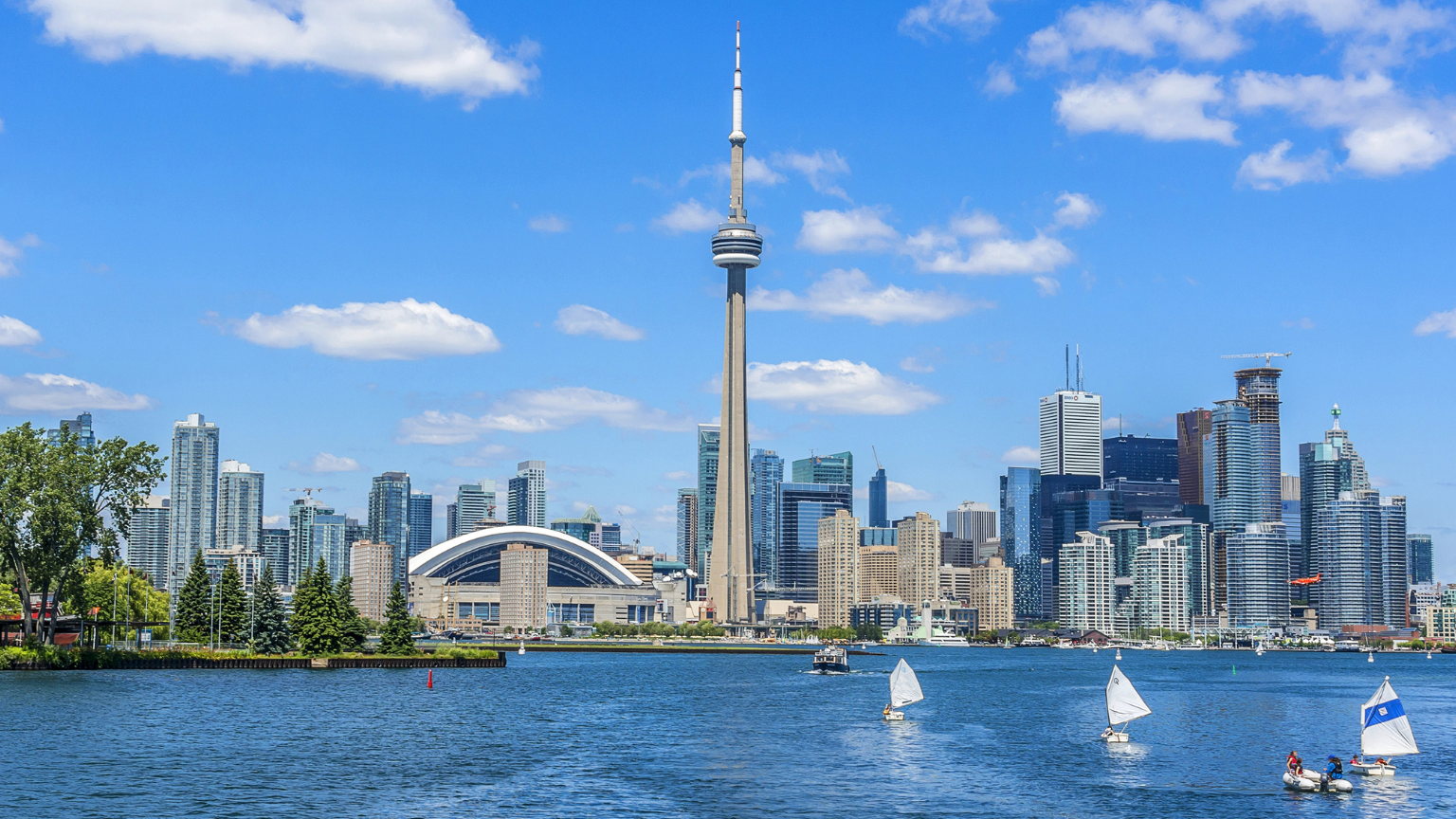
Toronto is Canada’s largest city and a major hub for business and culture, yet it frequently appears in lists of the world’s most overrated destinations. Review based studies show a noticeable share of visitors leaving with lukewarm impressions, saying that the city felt expensive for what it offered. Downtown can come across as generic to some travelers, with glass towers and busy streets that lack the old world charm of European cities or the dramatic scenery of Canada’s national parks. Hotel and restaurant prices, especially near major venues and along the waterfront, can surprise those who assumed Canada would be cheaper than big American cities. At the same time, Toronto has a wonderfully diverse food scene, strong neighborhoods, and lake views that shine in good weather. The trick is to treat it as a city of communities rather than expecting one big postcard moment. Exploring districts like Kensington Market, Queen West, or Scarborough’s food spots can flip your impression from “overrated” to quietly impressive.
This article was written by Hunter and edited with AI Assistance