

Let us get this out of the way first. “Paranoid” here is not a medical diagnosis. It is that everyday tension you can feel in certain cities where people double check the door lock, scan the subway car, side eye cameras, or refresh the news a little too often. In 2025, with surveillance tech everywhere, housing costs spiking, politics running hot, and climate and crime stories constantly in the feed, some places carry a noticeably wired energy. They are still fascinating and absolutely worth visiting, but you can sense how hard locals work to stay alert. If you go, it helps to understand the mood you are walking into.
Hong Kong

Hong Kong is one of the most visually stunning cities in the world, with mountains, neon, harbor views, and a skyline that still feels surreal. At street level, though, you can feel how the political climate of the past several years has changed the way residents move, talk, and trust. Surveillance cameras are common, and many locals are careful about what they share online or say in public spaces. The security presence around key areas, government buildings, and transit hubs is something visitors notice quickly. Add a dense urban fabric, rising living costs, and concerns about freedoms and identity, and you get a city where vigilance has become a daily habit. It remains an incredible destination for food, hiking, and culture, but it no longer feels carefree.
Mexico City, Mexico

Mexico City is enormous, energetic, and endlessly interesting, with world class museums, a serious dining scene, leafy neighborhoods, and deep history on almost every block. Yet residents live with a constant awareness of crime, traffic, pollution, and corruption, and that shapes how they move through the city. Many people are careful with phones on the street, avoid certain areas at night, and keep mental lists of safe taxis and routes. A vast network of security cameras and police patrols adds to the sense that you are always being watched, even as it attempts to calm fears. Earthquake drills, political protests, and periodic headlines about violence all contribute to a background hum of anxiety. For visitors, it is a city to approach with respect and street smarts, and if you pay attention, you will feel how much locals love it while also staying constantly on guard.
London, United Kingdom

London blends royal pageantry with very modern nerves. It is one of the most surveilled major cities on earth, and residents know the cameras are part of daily life, from buses and high streets to Tube platforms. Rising living costs, crowded housing, and constant conversations about crime on public transport and bike theft add another layer of low level tension. Major stations often have visible armed police, and reminders of past attacks linger in the physical security design around landmarks. Politically, the city lives at the center of national arguments about migration, policing, and protest rights, and that keeps everyone tuned in and opinionated. London is still brilliant, creative, and global, but you can feel its residents juggling joy and wariness at the same time.
New York City, USA

New York has always run a little anxious, and in 2025 that edge has not gone anywhere. Residents deal with packed subways, rising rents, shifting crime narratives, and a news cycle that never slows down. People watch their bags, avoid certain subway cars, and instinctively scan who is around them, especially late at night. Police, cameras, and security checks at major buildings and events are part of the scenery, and they are both reassuring and exhausting. Social media amplifies every incident in the five boroughs, which sometimes makes perception feel worse than the broader trends. For travelers, it is still one of the greatest cities on the planet, but you will immediately sense why New Yorkers walk fast, talk fast, and always seem three steps ahead of the next problem.
Tokyo, Japan

Tokyo is famously safe in many measurable ways, but that does not mean residents feel relaxed. The city is disciplined and meticulous, and that culture of order comes with its own kind of quiet tension. People pay close attention to etiquette, noise, germs, punctuality, and social expectations, and they notice when others do not. Disaster preparedness is part of life, from earthquake drills at schools to reinforced buildings and practiced announcements on trains. The density of commuters, packed rush hour carriages, and intense work culture all contribute to a sense of constant pressure. As a visitor you will likely feel incredibly secure, but beneath the calm surface you are in a city wired to anticipate what might go wrong and to correct it before it does.
Moscow, Russia

Moscow’s monumental beauty and grand boulevards sit alongside a heavy awareness of power, control, and scrutiny. Residents are used to seeing police, military personnel, and cameras in central areas, and political discussions with strangers are often cautious. State media, legislation, and recent history reinforce a feeling that it is safer not to stand out too much in public. Foreign tensions and sanctions make people think twice about money, jobs, and travel, feeding a sense of uncertainty about the future. Yet parks, cafes, and nightlife are still full, and locals know how to carve out normalcy inside a system they do not fully trust. To an outsider, the city can feel both magnificent and guarded at the same time.
Tel Aviv, Israel

Tel Aviv is lively, beachy, and creative, but it lives with a permanent security mindset. Residents grow up with siren drills, reserve duty, bag checks at malls and train stations, and news about regional tensions that can flare overnight. Security guards and metal detectors at everyday venues are normal, not remarkable. People check phones not only for social updates but for alerts, and they know where shelters and safe rooms are without having to think about it. Even in moments when the city feels like one long sunset party on the promenade, that underlying readiness never fully disappears. Visitors feel both the warmth and the weight of a place that expects sudden change.
Jerusalem

Jerusalem compresses thousands of years of history, three major religions, and modern politics into one compact, emotionally charged city. The visible security presence around Old City gates, religious sites, and transit hubs is high, and locals are used to checkpoints, questions, and bag searches. Different neighborhoods can feel like different worlds, and residents know exactly which streets, tensions, and patterns to watch. Protests, clashes, and diplomatic developments are not abstract headlines here, they are lived realities that shape how people move at certain times. The spiritual and cultural richness is undeniable, but so is the sense of fragility and hyper awareness. As a visitor, you will feel that people love this city fiercely while also bracing for its next difficult day.
Seoul, South Korea

Seoul is fast, bright, and efficient, but there is a constant quiet tension beneath the surface. The city sits within range of North Korean artillery, and although residents rarely panic, they grow up with that fact as background noise. Occasional missile tests or political statements trigger alerts and news flurries that everyone has learned to absorb. At the same time, work culture is intense, academic pressure is high, and social expectations are strict, all of which contribute to elevated stress. CCTV is widespread, police are visible in busy districts, and safety campaigns are frequent. For visitors, Seoul feels exciting and safe, yet it is worth remembering how much pressure locals carry while keeping everything running so smoothly.
Paris, France

Paris is as cinematic as ever, but daily life in 2025 is shaped by security screenings, bag checks, protests, and a heavy awareness of recent history. Major museums, stations, and shopping areas often require metal detectors, and military patrols can be seen near symbolic landmarks. Residents are used to transport strikes, political marches, and sudden demonstrations that can turn certain streets tense very quickly. A series of attacks in past years left a lasting imprint on public space design and on local instincts. Add housing costs, debates over migration and policing, and climate worries during severe heatwaves, and it is easy to understand why Parisians can feel on edge. For travelers, the city is still beautiful, but it is layered with a seriousness that does not always show in the postcards.
Los Angeles, USA

Los Angeles mixes endless sun, creative ambition, and a constant low level hum of worry. Residents talk about crime, wildfires, street encampments, traffic violence, earthquakes, and the rising cost of simply existing in the region. People think about evacuation routes, insurance, air quality, and where it is safe to park or refuel late at night. Neighborhoods can feel like separate planets, and locals are very tuned in to which areas feel safe, which feel risky, and what time of day it is. Climate change has sharpened anxieties with smoky summers and extreme heat becoming more familiar than anyone would like. LA is still glamorous, fun, and wildly diverse, but it teaches you to keep one eye on the horizon.
São Paulo, Brazil

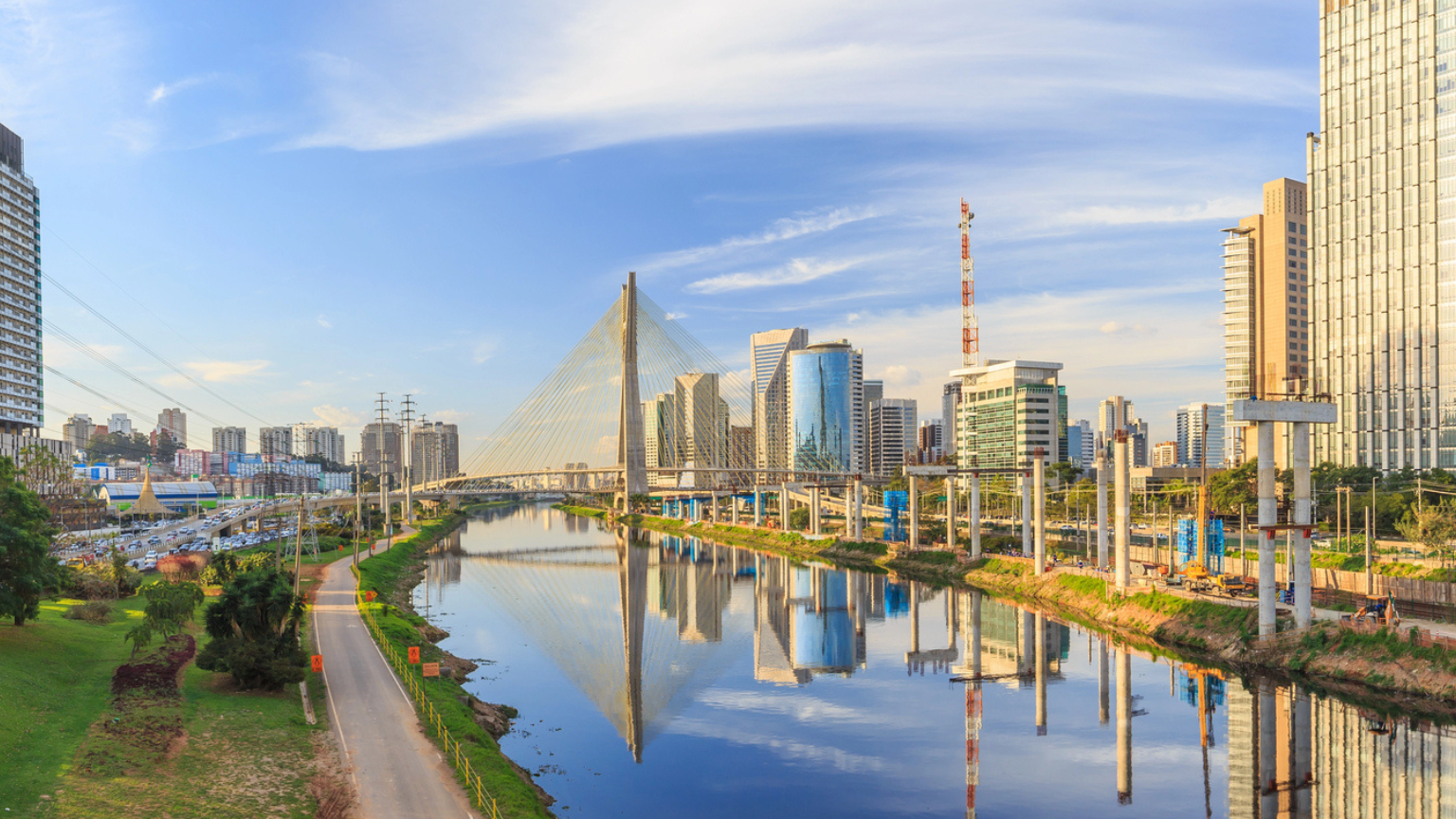
São Paulo is a colossal, fascinating city where people are both tough and hyper alert. Traffic, pollution, and visible inequality are part of the daily landscape, and many residents grow up learning a detailed personal safety routine. They watch bags in traffic, avoid flashing phones at intersections, use specific taxi apps, and are careful about which streets they cross at night. Gated buildings, private security, and high walls are common, reinforcing a sense that safety is something you must actively construct. Economic swings and political tension only add more uncertainty to the mix. For visitors, there is incredible food, nightlife, and culture, but also a need to pay close attention and follow local advice closely.
Istanbul, Türkiye

Istanbul is one of the most mesmerizing cities on earth, stretched between continents, mosques, and markets, yet it runs on a current of unease. Residents are used to occasional protests, heavy policing in symbolic areas, and political shifts that can change the tone of public life quickly. High inflation in recent years has hit savings and everyday costs hard, fueling frustration and anxiety. Security checks are standard at shopping centers and transport hubs, which becomes routine but never entirely invisible. Social media and news channels are watched closely, since external events can ripple into domestic debates. Travelers still find warmth, hospitality, and beauty along the Bosphorus, but it is clear that no one here takes stability for granted.
Kyiv, Ukraine

Kyiv in 2025 is living through circumstances no other city on this list fully matches. Residents balance daily routines, commutes, and coffees with the reality of an ongoing war, air raid alerts, blackouts, and uncertainty about tomorrow. Many people have personal connections to the front or to destroyed towns, which means the news is never just news. Shelters, generators, and contingency plans are part of normal life. At the same time, there is an incredible resilience and determination that shapes the atmosphere as much as the anxiety does. Visitors who come on work, aid, or reporting trips encounter a population that is hyper aware of risk, but also fiercely attached to its city and its future.
Singapore

Singapore looks controlled and calm, and in many ways it is, but that control creates its own form of tension. The city state is famously strict on laws that other places barely enforce, which means residents and visitors learn quickly what not to do in public. Surveillance systems, orderly transport, and efficient enforcement keep crime low, yet also remind everyone that they are always visible. High academic and professional expectations, long working hours, and the cost of private housing add another layer of stress for locals. Conversations about privacy, pressure, and freedom have become more common, especially among younger Singaporeans. For travelers, it feels clean, safe, and seamless, but beneath that polished surface is a population that understands those things do not come without trade offs.
This article was written by Hunter and edited with AI Assistance