
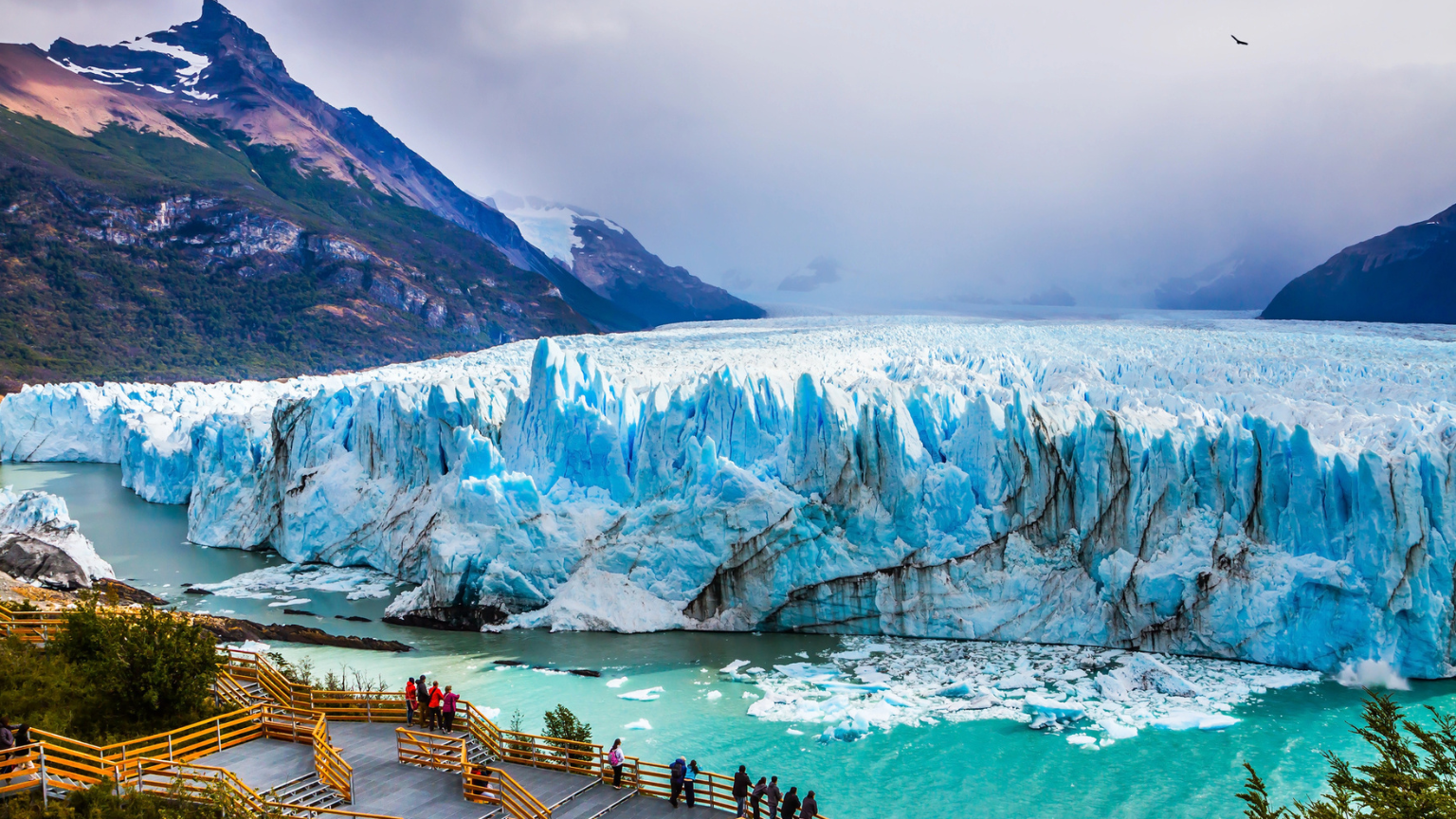

Patagonia remains one of the world's top destinations for outdoor lovers. With recent updates to trekking routes and new local experiences emerging, the region offers fresh ways to explore. From towering granite peaks to quiet villages, Patagonia promises adventure and authentic moments on each trip.
Its unique mix of glaciers, rainforests, and steppe lands creates a landscape unlike any other. Travelers can hike famous trails like the W Trek in Torres del Paine, then unwind in lesser-known settlements rich with local culture. This guide covers when to visit, where to stay, what to do, and how to navigate Patagonia’s vast terrain.
When to Visit
Patagonia’s high season runs December through February, the southern hemisphere summer months. These weeks bring the best weather for trekking and outdoor activities. Temperatures generally range from 50 to 68 degrees Fahrenheit, with long daylight hours stretching up to 17 hours in peak summer.
Spring (October and November) and early autumn (March and April) offer cooler weather but fewer crowds. These shoulder seasons suit travelers looking to avoid the busiest trails while still enjoying mild conditions. Winter months bring snow and harsher weather but allow access to quieter, scenic spots for those equipped for cold conditions.
Several events add cultural flavor. The Fiesta Nacional del Lago in Bariloche happens in late January. It showcases Patagonian music and traditions near the lakeside. In Chile, the Torres del Paine International Marathon in November attracts adventure runners to race across iconic landscapes.
Where to Stay
Patagonia’s lodging options range from rustic hostels to luxury lodges. In Chile, Puerto Natales acts as the main gateway to Torres del Paine National Park. Travelers often stay at Hotel Costaustralis, offering budget-friendly rooms with easy access to tour operators. For upscale comfort, Explora Patagonia Hotel inside the park combines wilderness access with refined services starting at around $470 per night.
In Argentine Patagonia, El Calafate is the hub for visiting Los Glaciares National Park and Perito Moreno Glacier. Hotel Kosten Aike provides mid-range rooms close to town with views of the steppe. For a boutique option, La Cantera Boutique Hotel offers refined decor and an on-site spa.
For visitors seeking local flavor, small guesthouses and estancias (ranches) outside these hubs provide authentic Patagonian hospitality. Estancia Cristina near Upsala Glacier allows guests to stay in a historic estancia setting with horseback riding and boat tours included as part of the package tours.
What to Do
The W Trek in Torres del Paine remains Patagonia’s star attraction. This five-day hike passes through Puente Norte, the base of the Towers, and scenic valleys with views of glaciers. Guided treks now run about $1,200 for a small group, including gear and meals. Self-guided hikers should reserve campsites several months ahead, thanks to updated park regulations in 2024 limiting daily visitor numbers to protect trails.
Besides the W, the Fitz Roy Massif near El Chaltén offers classic treks that combine mountain vistas with glacier views. The Laguna de los Tres trail is a highlight, rewarding hikers with close views of Mount Fitz Roy. Day hikes from El Chaltén range from 3 to 10 hours, accommodating various skill levels.
For less-trodden paths, exploring the Chilean coast offers rainforests and fjords. Day tours from Puerto Natales into Bernardo O’Higgins National Park reveal secluded glaciers and wild terrain with far fewer visitors.
Locally operated kayak trips on Grey Lake provide close encounters with icebergs and the Grey Glacier wall. Wildlife watching is excellent throughout Patagonia, with guanacos, Andean condors, and even elusive pumas spotted along trails and shores.
Where to Eat
Patagonian cuisine focuses on lamb, trout, and locally foraged berries and mushrooms. In Puerto Natales, the restaurant Mesita Grande serves fusion dishes such as crispy lamb with native herbs and smoky smoked trout using Patagonian techniques. Prices average $20–$30 per main dish.
El Calafate’s La Zaina features regional ingredients with hearty stews and grilled meats. The ambient dining room and frequent live folk music add to its appeal. For a gourmet experience, visit Alto Calafate Hotel restaurant, where menus change seasonally and locally sourced game takes center stage.
Visitors should try the classic Chilean dish pastel de choclo, a corn pie, and Argentine empanadas made fresh in local bakeries. Coffee shops in El Chaltén, like Café El Relincho, offer good places to rest after hikes with artisan breads and excellent espresso.
Getting Around
Transportation can be challenging since Patagonia covers vast distances. Most international visitors arrive via flights to Punta Arenas, Chile, or El Calafate, Argentina. From there, regional buses and shuttles connect towns and national parks. Bus companies like Buses Pacheco in Argentina and Buses Fernandez in Chile offer frequent routes.
Car rentals provide the most flexibility for exploring remote spots. Rentals start at around $70 daily but require planning, as some roads are gravel or dirt. Guided tours and private transfers remain popular to avoid the logistical hurdles.
Within national parks, shuttle services and guided transfers help hikers reach trailheads. Booking tours that combine transport, guides, and accommodation simplifies travel and ensures up-to-date information on regulations and weather.
Patagonia’s infrastructure is steadily improving, but visitors should prepare for occasional connectivity issues and limited fuel stations outside major settlements.
Overall, Patagonia offers a well-balanced experience. Iconic hiking routes like the W Trek remain must-do adventures. Meanwhile, guesthouses, estancias, and coastal trips provide opportunities to discover the region's lesser-known charms. With careful planning and local insight, travelers can craft a trip that blends challenge, relaxation, and unique cultural touches.
This article was written by Will and edited with AI assistance.