

For years, the story of American relocation sounded the same. People left high cost coastal cities for big booming metros in the Sunbelt and called it an upgrade. In 2025, the picture is more nuanced. Recent moving and work–life balance reports show Americans chasing something more specific than square footage or salary. They want shorter commutes, easier access to nature, communities that still feel human sized, and the freedom to actually log off at a reasonable hour.
That shift is sending people to some unexpected corners of the map. Think historic river towns just inland from the beach, mountain foothill cities, and Midwestern metros where park access and remote work quietly outrank nightlife. These places are not immune to growth pains or rising prices, but they are becoming strong magnets for people who are tired of feeling squeezed between rent, traffic, and burnout.
Below are some of the most surprising spots attracting Americans who want a better balance between work and life in 2025.
Conway, South Carolina: Small Town Pace Near a Big Beach

If you had to name the hottest relocation spot in the country a few years ago, Conway probably would not have made your list. Yet this historic river town just inland from Myrtle Beach has become one of the most in demand places to move in 2025. Recent moving trend data shows far more people trying to move in than out, drawn by a mix of affordability, charm, and location.
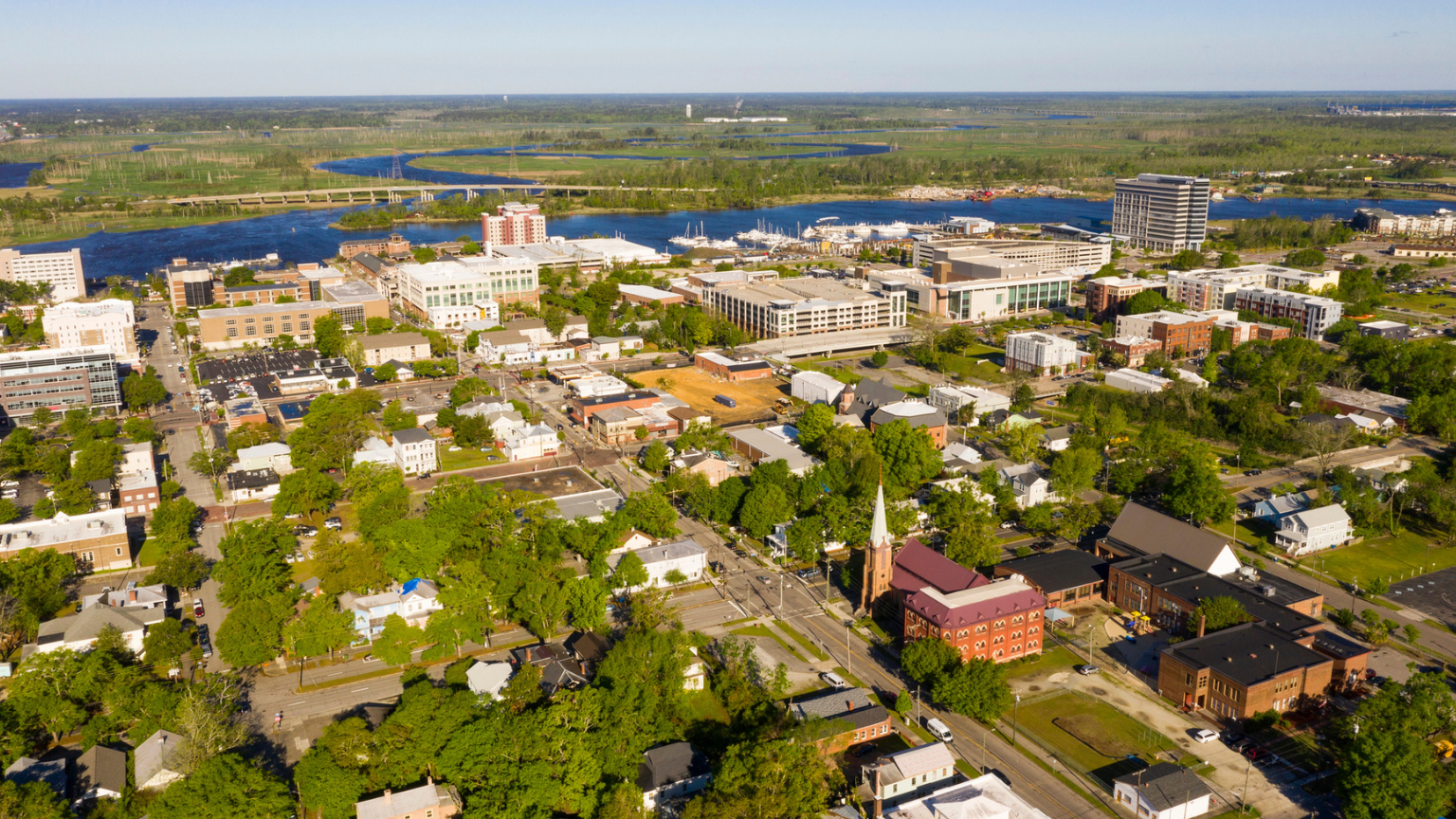
Conway sits on the Waccamaw River, with oak lined streets, brick storefronts, and a walkable downtown that looks more like a movie set than a generic suburb. Housing costs are still noticeably lower than in many coastal markets, which means people who were priced out of major metros can actually buy a home without sacrificing proximity to the ocean. For remote workers, it offers the best of both worlds. You can log on from a quiet porch, then be at the beach or on the river after work without fighting big city traffic.
Locals describe Conway as the kind of place where you recognize faces at the coffee shop and seasonal festivals still feel like community events rather than tourist performances. The tradeoff is that you will not find every big city amenity, but many newcomers see that as part of the appeal. Life runs on a smaller scale, which is exactly what they are looking for.
Myrtle Beach–Wilmington, Carolinas: Living Where Others Vacation

Right behind Conway is the broader Myrtle Beach and Wilmington corridor, which has been topping lists of U.S. cities with the most move ins for several years in a row. This stretch of the Carolina coast is attracting everyone from remote workers to retirees who want to live somewhere that feels like vacation most days, not just two weeks a year.
What makes this area stand out is that it combines warm weather, beach access, and lower everyday costs than many famous coastal cities. People moving in often talk about trading long commutes and snow shovels for morning walks on the sand and an easy drive to the grocery store. Instead of sitting in traffic after work, they might be in the water, on a bike trail, or out on a boat before the sun sets.
Of course, coastal living has its downsides, including hurricane risk and busy summers. But in terms of day to day balance, many new residents feel like the math works in their favor. They can still work for employers based in larger cities while living in a place where the line between weekday and weekend feels softer.
Greenville, South Carolina: Foothills City With a Walkable Core

Greenville has quietly evolved from an industrial town into one of the most appealing small cities in the Southeast. It regularly shows up in moving trend reports as a high demand destination, especially for families and remote professionals. The formula is simple but powerful. A revitalized downtown with independent restaurants and a riverfront park, short drive times, and fast access to the Blue Ridge foothills for hiking and weekend escapes.
People who relocate to Greenville often talk about reclaiming hours of their lives. Commutes that used to be an hour or more shrink to 15 or 20 minutes. School, work, parks, and grocery stores tend to cluster in reachable pockets, which means less time stuck in the car and more time actually doing things. For remote or hybrid workers, the local airport and highway connections make it easy to pop to Atlanta or Charlotte without living in those bigger metros full time.
Greenville is not immune to growth challenges. Housing prices have climbed as its reputation has spread, and traffic has picked up in popular corridors. Even so, compared with many other booming cities, it still offers a gentler pace and the feeling that your free time is not being constantly eaten by logistics.
Ocala, Florida: A Calmer Florida Option

Florida has long been a magnet for movers, but the spotlight usually falls on big metros or famous beach towns. Ocala is a quieter story that keeps getting louder in moving data. Situated in north central Florida, it is known for its horse farms, rolling pastureland, and nearby springs rather than high rise condos.
People heading to Ocala are often looking for Florida’s sunshine without the chaos and cost of major metro areas. The city offers a lower cost of living than many coastal regions, along with easy access to outdoor activities like kayaking, hiking, and riding. You can still reach Orlando or Tampa in a couple of hours, but you are not waking up in heavy traffic every morning.
This balance is especially attractive to remote workers and semi retired residents. They can enjoy warm winters and plenty of recreation without feeling like they are locked into a nonstop tourist zone. The tradeoff is a quieter nightlife and fewer big city cultural venues, but for many people the extra breathing room is worth it.
Knoxville, Tennessee: Gateway to the Mountains

Knoxville has been climbing the lists of top move to cities and is increasingly showing up in forecasts as a major draw for 2026 as well. Its appeal is pretty straightforward. It sits on the doorstep of Great Smoky Mountains National Park, but it is still a functioning city with a university, jobs, and a lively downtown.
For people burned out on large metros, Knoxville offers a middle ground. You can live in a neighborhood where you know your neighbors, still have access to decent healthcare and education, and reach mountain trails in less than an hour. The cost of living is generally lower than in many coastal cities, and property taxes are relatively manageable, which makes long term planning feel less stressful.
Remote workers in particular are drawn to the idea that they can shut their laptop and be on a lake, river, or trail before the evening news comes on. That kind of daily access to nature tends to translate into better balance, especially for people who felt trapped in heavy traffic and dense urban cores before they moved.
Boise, Idaho: Outdoors First, Office Second

Boise has been on relocation radars for several years now, and it continues to attract movers who rank quality of life higher than big city prestige. It is a state capital with a surprisingly strong job market, but what really sets it apart is how easy it is to be outside. The city backs right up to the foothills, and riverfront paths cut through town, making evening bike rides or weekend hikes feel like a normal part of life rather than a special trip.
People moving to Boise often come from larger western cities where prices, traffic, and wildfire smoke have made daily life more stressful. In Boise, commute times tend to be shorter, and local neighborhoods still feel manageable in scale. You are close enough to enjoy restaurants, breweries, and cultural events, but you do not have to give up access to open space.
Growth has pushed housing costs higher than they were a decade ago, and long time residents are quick to point that out. Even so, many newcomers still see Boise as a better balance than their previous city. They get four seasons, outdoor access built into the urban fabric, and enough economic opportunity to make staying long term feel realistic.
Madison, Wisconsin: Short Commutes and Long Weekends

Madison shows up again and again in rankings of U.S. cities with the best work–life balance. It is a university town and a state capital wrapped around a chain of lakes, with bike paths, parks, and water access woven into everyday life. For many residents, the city’s layout does half the work of building balance for them.
Average commute times are relatively short, and a large share of people bike, walk, or take public transport to get around. That means less time in the car and more time for hobbies, family, or just doing nothing at home. The city has a strong job market in education, government, healthcare, and tech, so people can often change roles or employers without moving to another state.
Madison is not cheap compared with some smaller Midwestern towns, and winters can be long and cold. But if your idea of a good life includes easy access to parks, a lively food and arts scene, and plenty of ways to stay active after work, it has become a top choice. Many people who move here say that after a few months, they simply feel like they have their evenings and weekends back.
Minneapolis and St. Paul, Minnesota: Big City Amenities, Balanced Rhythm

The Twin Cities are another surprise in the work–life balance conversation. They have the population and cultural depth of a major metro, yet multiple 2025 studies rank them at or near the top for balance, thanks to a mix of reasonable work hours, high park access, and strong social infrastructure.
A huge share of residents live within a short walk of a park or trail, and the area’s lakes and riverfront paths make it easy to fit movement into daily routines. Commute times are moderate for a metro of this size, and remote and hybrid work are common, which gives many professionals more control over how they structure their days.
Winters are no joke, but the cities lean into it with outdoor festivals, skating rinks, and well maintained trail networks. For people who can handle the cold, the tradeoff is a metro that feels both dynamic and liveable. You get concerts, museums, and sports teams without the same level of cost and congestion seen in some coastal hubs.
Omaha and Lincoln, Nebraska: Quiet Powerhouses for Steady Lives

Nebraska rarely tops glossy “best places” lists, but cities like Omaha and Lincoln keep showing up in work–life balance rankings. They offer solid job markets, especially in finance, logistics, healthcare, and education, paired with shorter commutes and more attainable housing than many big name metros.
People moving here often talk about wanting a more predictable daily rhythm. You can live within a reasonable distance of your job, school, and usual errands without sacrificing hours of your day to traffic. Parks and green spaces are easy to reach, and youth sports, community events, and local festivals are still a big part of social life.
These cities may not feel as exciting as coastal hotspots, but that is exactly the point for many families and professionals. They offer the kind of stable, middle of the country lifestyle where you can plan ahead, save money, and still take a walk after dinner instead of collapsing after a long commute.
Why These Places Stand Out in 2025

Looking at all of these destinations together, the pattern is clear. Americans are not simply chasing the lowest cost of living or the flashiest skyline. They are picking places where it is realistically possible to do good work and still have the time and energy to enjoy their lives.
In 2025, that often means mid sized cities and smaller towns that blend decent job prospects with a slower pace, easier access to nature, and communities where everyday life feels a little less frantic. The Southeast and Mountain West are big winners in this shift, but the Midwest is quietly thriving too, thanks to cities that treat livability as a serious priority.
No place is perfect, and every emerging hotspot has growing pains. But if you feel like your current city is asking you to give up too much for too little in return, these surprising destinations show that there are other ways to structure a life. The next chapter of work–life balance in America may not be written in the biggest cities, but in the places where it is finally possible to breathe again.
This article was written by Hunter and edited with AI Assistance