
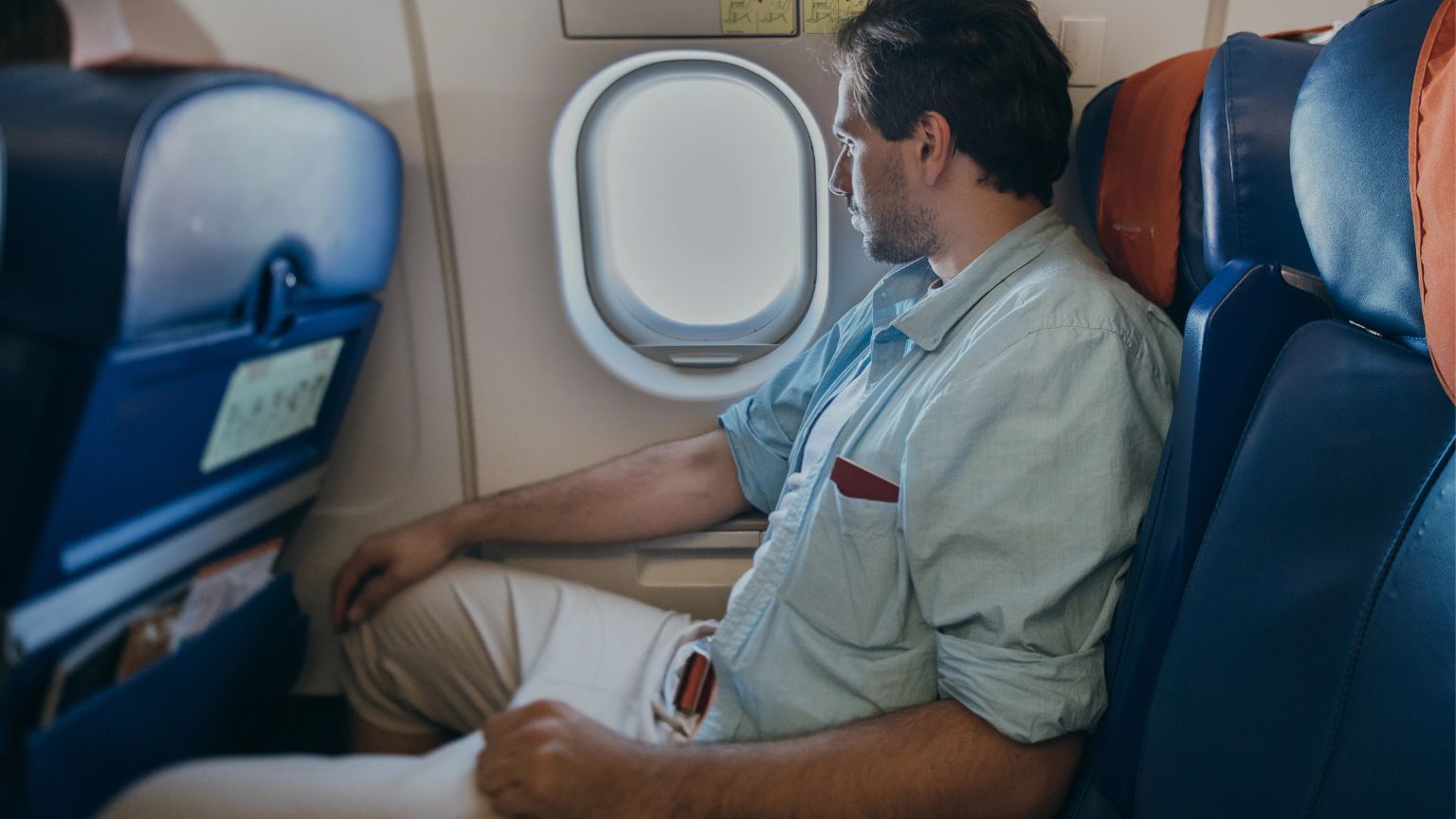

Solo travel has exploded over the last few years. It is flexible, simple to plan, and often cheaper than splitting costs with a group. Lately there is a twist. Several reports show that some major U.S. airlines have begun pricing certain fares higher when a traveler books only one seat. Pair bookings often see a lower price for the exact same flight and cabin. The pattern is not on every route, and it does not happen on every airline. It is showing up often enough to matter when you shop.
What People Are Seeing In Real Searches
Flight deal trackers and travel editors started comparing prices by party size. The same route on the same day would price one seat at a higher figure. When they changed the search to two travelers, the per person price would drop. A few examples stand out. One American Airlines morning flight from Charlotte to Fort Myers priced at about four hundred twenty dollars for one person but around two hundred seventy dollars per person for two travelers. A short United hop from Chicago to Peoria showed a price near two hundred sixty nine dollars for a solo traveler and about one hundred eighty one dollars each when buying two. Another search returned two hundred six dollars for one person, then one hundred fifty four dollars per person when the party size changed to two. These are not one offs. Analysts have found many similar cases on domestic routes.
This pattern appears most often on one way fares within the United States. It shows up less on round trips and long haul international flights. Some reports suggest it is more common on short routes where there is little or no low cost competition. Other carriers like Southwest, Alaska, and JetBlue have not shown the same solo penalty in the spot checks that have been published.
Why Would This Happen
Airlines adjust fares based on demand, timing, and what they believe each customer segment will pay. For years they used weekend stay rules and weekday return patterns to tell a likely business trip from a vacation. Setting a higher price for a single seat can be a new version of that logic. A solo traveler flying one way on a weekday looks a lot like a business traveler. Business travelers are less price sensitive. The system may show them a higher fare and offer a lower fare when it sees a pair, which often reads as leisure.
There is also a technical piece called fare buckets. Each flight has a limited number of seats in each price tier. Sometimes a search for one seat will target a higher bucket than a search for two seats. This is unusual, since the reverse used to be more common, but recent tests show the solo seat getting the higher fare. Analysts have also noticed that when a return includes a Saturday night, the solo difference often disappears. That suggests the old weekend stay rule is still doing work behind the scenes.
Which Airlines And How Widespread
Reports point to American, United, and Delta as the main carriers where this has been spotted. The practice has not been consistent across every route. Some airlines pulled back after early coverage. Others paused and then seemed to resume on a smaller set of routes. One analysis of summer pricing found the solo upcharge on a significant share of American routes, and on a smaller slice at United, while Delta showed fewer cases after public scrutiny. The exact mix changes week by week as airlines test and retest their revenue settings.
How Solo Travelers Can Avoid Paying More
There are simple steps that help you catch and avoid a solo price bump.
- Search for one traveler and then repeat the same search for two travelers. Compare the per person price.
- If the two person price is lower, try putting two travelers in your cart. If the site will not let you complete the booking for one person at the lower rate, take a screenshot and call the airline. Some agents can match what the system shows.
- Check rival airlines. Southwest, Alaska, and JetBlue have not shown this pattern in recent tests.
- Try a round trip search if you only need a one way. If it is cheaper, you can still fly only the first leg. Be sure the fare rules allow it and do not check bags to avoid problems on the unused return.
- Book with the 24 hour free cancellation window in mind. Most U.S. airlines honor this rule for bookings made at least seven days before departure. If you spot a better setup within a day, cancel and rebook.
- Use points. Award pricing can be less sensitive to these tests and might save money on short domestic routes.
Bottom Line
There is growing evidence that some airlines are charging higher fares to solo travelers on select domestic flights. It is not universal, but it is common enough that every solo flyer should do a two traveler check before buying. This is less about discounts for couples and more about a hidden filter that treats one seat as a higher value sale. With a couple of smart searches and a willingness to call when the website will not play along, solo travelers can avoid the penalty and keep their trips on budget.
This article was written by Will and edited with AI assistance.