
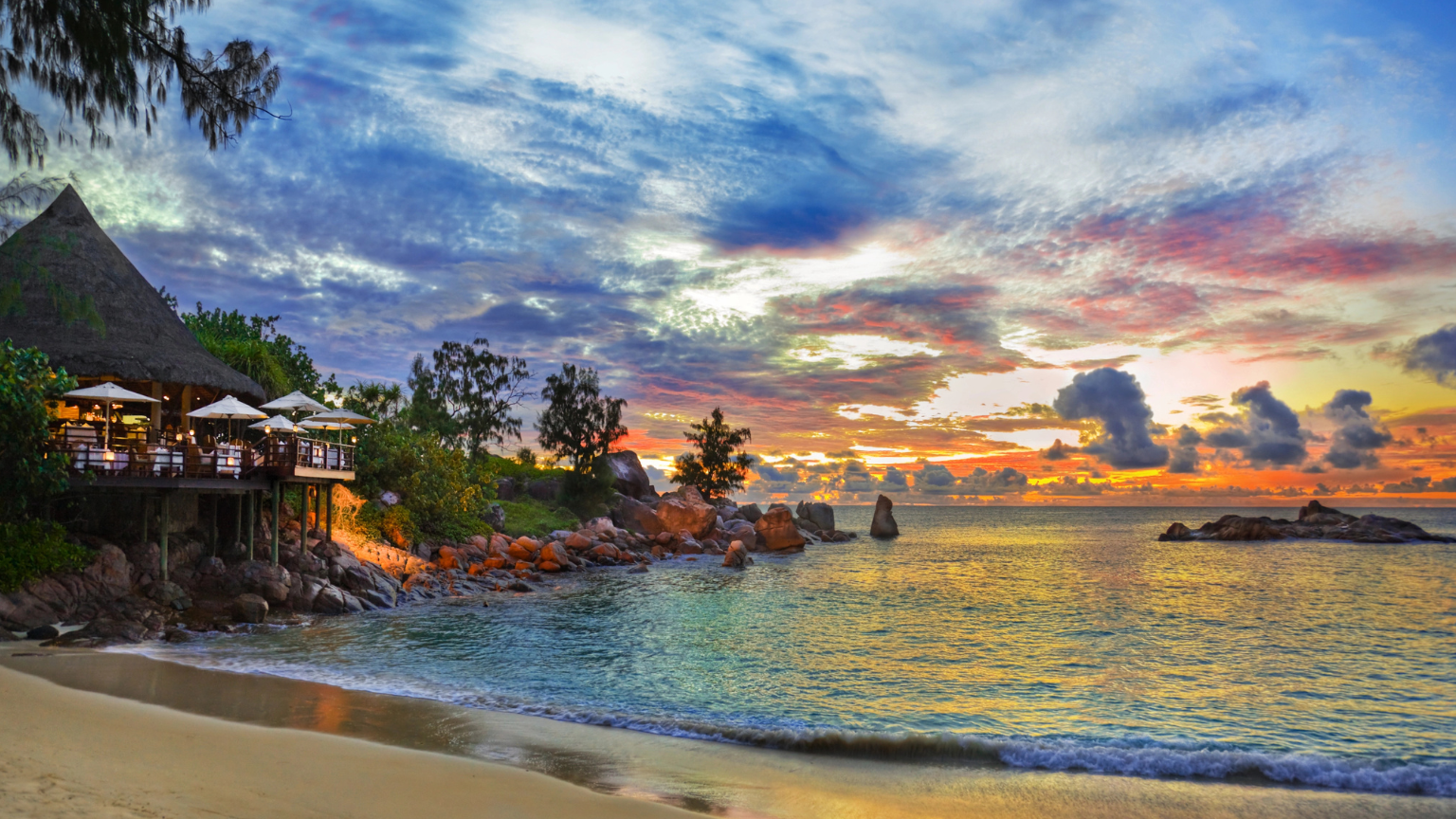

Stepping into an American beach town on a sunny day feels like walking into a screensaver. The water glows in shades of turquoise, palm trees sway, and pastel cottages line the streets with bikes leaning casually against white picket fences. For visitors, it is pure escape. Long brunches, lazy afternoons on the sand, and golden hour photos that look perfect on social media. What most travelers never see is the other side of that postcard view, the side locals live with long after the suitcases roll out of town.
Behind the ice cream shops and beachfront condos, many of America’s prettiest beach towns are struggling under the weight of their own popularity. Housing costs explode, traffic clogs every narrow road, and the local culture slowly gets pushed aside to make room for whatever sells. The same places that feel like paradise for a week can feel very different if you are the one trying to pay rent, keep a business open year round, or raise a family there.
This does not mean you should stop visiting beach towns altogether. Travel keeps small coastal communities alive and can do a lot of good when it is handled thoughtfully. It simply means there is more happening beneath the surface than most visitors realize. Understanding those hidden costs makes you a more respectful guest and helps protect the places you love to return to.
The Postcard Image vs. Everyday Reality
Most travelers arrive in beach towns in their best mood. They are off work, freshly checked into a rental or hotel, and ready to relax. Everything around them is built to keep that feeling going. Storefronts are painted in cheerful colors, street signs point to scenic overlooks and sunset spots, and local businesses are eager to make a good impression on guests who may only be in town for a few days.
Locals experience the same streets very differently. That charming boardwalk may be impossible to walk on during peak season because of shoulder to shoulder crowds. The picturesque main street may be lined with shops that no longer sell anything residents actually need, replaced by souvenir stands and cocktail bars. The quiet cottage neighborhood just beyond the beach may have turned into a rotating cast of short term rentals, with new strangers and cars every weekend.
From a visitor’s perspective, the town looks busy and thriving. From a resident’s perspective, it can feel like their home has turned into a theme park that never quite closes. The disconnect between how visitors see a place and how locals live with it is one of the biggest hidden costs of paradise.
When Paradise Gets Too Expensive for Locals
One of the clearest signs that a beach town is under pressure is the price of housing. Once a place becomes known for its perfect shoreline or picture ready pier, outside investors usually follow. Vacation rentals multiply, second homes become more common, and new high end condos rise wherever there is a glimpse of water. Property values climb, which sounds like a win at first, but the ripple effects can be brutal for people who live and work there year round.
Long term rentals vanish as landlords realize it is far more profitable to rent nightly or weekly to tourists. Young families and workers who grew up in town suddenly find there is nothing they can afford close by. Teachers, restaurant staff, and nurses end up commuting from farther inland, sometimes driving an hour or more each way just to keep their jobs. In extreme cases, locals are forced to move away entirely while new luxury homes sit empty for most of the year.
Visitors see the charming houses and the polished storefronts. They rarely see the reality that many of the people pouring their coffee, rescuing them in the surf, or cleaning their hotel rooms cannot dream of owning or even renting in the same community. When a town is too expensive for the people who make it function, that paradise comes at a very high price.
Tourist Town by Day, Working Town by Night

During the day, a busy beach town can feel like a carnival. Street musicians perform on corners, lines form outside trendy brunch spots, and surf shops blast music onto the sidewalk. At night, once the last families and day trippers head back to their rentals, a different rhythm takes over. Cleaners scrub down short term rentals, delivery trucks restock bars and restaurants for the next wave of visitors, and workers finish late shifts only to fight their way out through traffic.
In many of these towns, the tourism season stretches beyond summer. Spring break, festival weekends, school holidays, and year round warm weather mean there is always another busy wave coming. Those steady crowds can be great for business, but they also create a nonstop demand for service workers who rarely receive the same level of comfort they help provide.
From the outside, visitors see a place that never sleeps, a town that always has one more meal, one more drink, or one more activity ready to go. What they do not see is how draining it can be for the people behind the bar or at the front desk to maintain that energy month after month. For them, this is not vacation. It is work that pays the bills, but it often comes with long hours, low wages, and very little time to enjoy the place so many others are flying in to see.
Environmental Strain Beneath the Surface
The ocean and the sand are the biggest reason travelers come to beach towns, and they are also the most fragile part of the entire picture. Every additional visitor leaves some kind of footprint behind, even if they are careful. More people on the shore can mean more litter, more sunscreen washing into the water, and more pressure on dunes and sea grass that hold beaches in place during storms.
Infrastructure that supports tourism also puts stress on the environment. Hotels, restaurants, pools, and water parks require enormous amounts of water and energy. Sewage and stormwater systems can be overwhelmed during peak weeks, which increases the risk of pollution reaching the ocean, bays, or nearby marshes. The very views that people come to photograph are easily damaged by overdevelopment and poor planning.
On a calm summer morning, none of this is visible from a beach towel. The water looks clear, and the shoreline seems endless. Yet coastal scientists and local advocates in many towns are working tirelessly behind the scenes to keep erosion in check, monitor water quality, and protect habitats for wildlife. Visitors may not notice, but every full hotel and crowded beach brings new environmental challenges that someone has to manage.
Culture Turned Into a Product
Many beloved beach towns have deep roots that stretch back through fishing communities, shipbuilding, or small port histories. Over time, layers of culture build up. Local festivals, seafood traditions, family run diners, and tiny museums all tell the story of a place. When tourism takes off, that story can get rewritten to suit visitor expectations rather than reality.
Shops begin to stock what sells quickly to tourists, not what reflects local life. Bars and restaurants change their menus to match national trends instead of regional recipes. New developments are built in styles that look like a generic idea of “coastal chic” rather than anything tied to local history. Before long, the town starts to feel less like itself and more like a packaged destination that looks similar to beach towns across the country.
Visitors can easily walk through a downtown filled with cute stores and never realize what used to be there before. Maybe a small grocery store closed and became a boutique. Maybe a local craftsman relocated inland because rent became too high. Culture is not only about what you can see today. It is also about what has been pushed out of sight to make room for what tourists are more likely to buy.
Traffic, Noise, and the Vanishing Off Season
For many coastal communities, there used to be a clear rhythm to the year. Summer was busy, shoulder seasons were quiet, and winter gave everyone a chance to rest and reset. Increasingly, that off season is shrinking. Warmer weather, hybrid work, and a constant stream of travelers looking for deals mean more people are visiting outside traditional peak times.
The result is that traffic jams which once appeared only on holiday weekends now feel like a regular part of life. Narrow coastal roads become clogged, parking turns into a daily battle, and even simple errands can take twice as long as they used to. Noise from bars, nightlife, and late night crowds is no longer limited to just a couple of months. It can stretch across much of the year.
Visitors often notice the busy streets and full restaurants and assume it must be great for the town. In some ways, it is. Businesses rely on that income. Yet the cost is that locals have fewer quiet months to recover. The constant motion can make it hard to enjoy the beach themselves, spend time outside without traffic fumes, or even sleep with windows open on warm nights.
Who Gets Heard When Decisions Are Made
As tourism money flows into a beach town, new voices begin to shape what happens next. Developers, investors, and vacation rental companies may gain more influence in local politics. Advertising campaigns focus on attracting even more visitors, new resorts pitch large projects, and infrastructure is often designed with tourists in mind first.
Long time residents sometimes feel their needs are slipping lower on the priority list. Concerns about overcrowded schools, squeezed hospitals, or a lack of affordable housing can take longer to address. Local fishermen, small shop owners, and seasonal workers may not have the same time or connections to attend public meetings and push back on plans that do not serve the community well.
From the outside, it looks like the town is flourishing because of all the money and attention. Underneath, the question of who gets to decide what kind of town it will be in the future becomes more complicated. When decisions are made mostly through the lens of tourism, the long term health of the community can quietly suffer.
The Emotional Toll on Residents
There is also a human side to the hidden cost of paradise that is easy to overlook. Imagine growing up in a sleepy coastal town where you could ride your bike down the middle of the street and walk to the beach after school. Now imagine watching that same town fill up with traffic, luxury rentals, and visitors who sometimes treat it like a disposable backdrop for a vacation photo.
Some locals feel proud that people from around the world want to see their home. Others feel a sense of loss when they realize they avoid the very parts of town that once meant the most to them because it is simply too crowded or too expensive. There can be frustration when visitors ignore local rules, leave trash behind, or behave in ways they never would in their own neighborhoods.
Most travelers will never see those emotions straight on. They interact with locals in quick, friendly exchanges at restaurants or shops and move on. Yet underneath those smiles, there can be a complicated mix of gratitude for tourism money and grief for the quieter, simpler version of the town that is fading away.
How Travelers Can Be Part of the Solution
The good news is that visitors are not just part of the problem. They can also be a powerful part of the solution. Thoughtful choices add up, especially in towns that depend heavily on tourism. The first step is simply acknowledging that your vacation destination is someone else’s everyday life, with all the pressures that come with that.
You can support local businesses that are open year round instead of only shopping at chain stores or tourist traps. You can book accommodations through locally owned inns or small hotels when possible, rather than only using large platforms that encourage investor owned rentals. Visiting in shoulder seasons spreads out crowds and money more evenly, which gives both workers and infrastructure a break from constant peak demand.
On the environmental side, you can follow local guidelines about dunes, wildlife, and water use, even if no one is watching. Pack out your trash, refill water bottles instead of buying cases of plastic, and avoid disturbing nesting areas or tide pools. Small actions might feel insignificant compared to the size of the ocean, yet they matter more than most people realize.
Most importantly, you can show respect. Drive slowly through neighborhoods, keep noise down late at night, and be patient when restaurants are slammed or staff look tired. A little empathy goes a long way in places where people are working hard to keep things running smoothly for visitors while trying to hold on to a sense of home.
Loving a Place Without Loving It to Death
America’s prettiest beach towns are beautiful for a reason. They have that mix of natural scenery, human charm, and laid back energy that makes people fall in love quickly and come back often. There is nothing wrong with wanting to visit those places, build memories on their shores, or daydream about them when you are far away.
The challenge is making sure that love does not slowly destroy the things that made the town special in the first place. When tourists understand the hidden costs of paradise, they are more likely to support policies, businesses, and behavior that keep beach towns livable for locals and enjoyable for future visitors.
The next time you roll your suitcase down a sunny beachfront street or step onto a wooden pier just before sunset, pause for a moment. Appreciate the beauty you can see and remember there is a whole world behind that view. If you travel with that awareness, you do more than just take a vacation. You help protect the coastal communities that make those vacations possible.
Follow us on MSN for all your travel and lifestyle tips.
This article was written by Hunter and edited with AI Assistance