
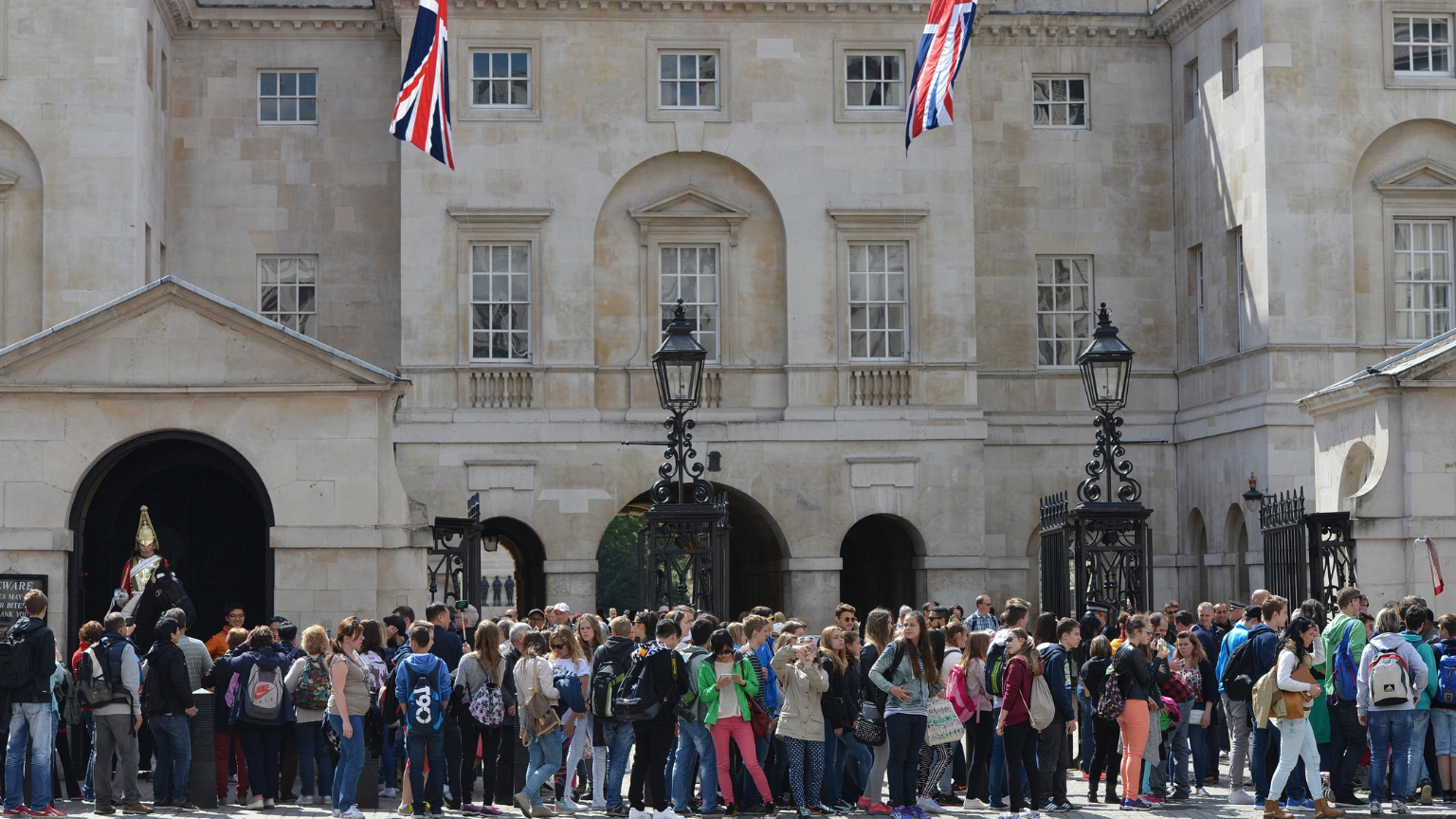

If you have traveled in the last few years, you have probably seen it in real time. One reel goes viral, a viewpoint becomes a “must do,” and suddenly a quiet corner of a city turns into a line that wraps around the block. It is easy to laugh about it when you are the one holding the phone, but for locals, the rise of “Insta famous” landmarks has real consequences. These are not always the biggest attractions, either. Often it is a staircase, a mural, a small café street, a hidden beach, or a single overlook that used to be part of everyday life.
Tourism itself is not the enemy. Most destinations rely on it, and many locals want visitors to enjoy their city. The problem is what happens when a place becomes popular for the photo, not the place. When the goal is content, not connection, the pressure on neighborhoods, services, and daily routines grows fast. Here is what that hidden cost looks like when a landmark goes viral.
When a Neighborhood Becomes a Backdrop
The first shift is subtle. People stop walking through a street like it is a real place and start treating it like a set. Sidewalks clog because everyone needs the same angle. Drivers get stuck behind crowds. Locals dodge tripods on their way to work. Even something as simple as carrying groceries becomes harder when every corner is full of people waiting for a perfect shot.
Over time, the neighborhood loses its normal rhythm. Residents change their routes to avoid crowds. Parents stop taking kids to the park at peak hours. Older locals who used to enjoy a daily walk start staying home. The landmark is still there, but the feeling around it changes.
Local Businesses Get Replaced by Photo Friendly Ones
Viral fame attracts money, and money changes what gets built. Once a spot becomes a social media magnet, landlords raise rents, and businesses that served locals can get pushed out. In their place, you often see souvenir shops, trendy cafés, and quick grab food designed for short visits and fast turnover.
These new businesses are not always bad. Some are great. But they often shift the area away from what locals actually need. A neighborhood that once had a hardware store, a pharmacy, or a small market might suddenly be filled with dessert shops and photo props. Locals begin traveling farther for basic errands, while visitors get more “cute” options and fewer practical ones.
Small Places Struggle With Big Crowds
Cities can sometimes absorb viral tourism with transit, signage, and crowd management. Smaller towns often cannot. When a rural trail, a waterfall viewpoint, or a narrow old town street becomes globally popular, the infrastructure can break quickly. Parking lots overflow, roads get blocked, and emergency vehicles struggle to move through.
In these places, locals feel the impact immediately. Commutes take longer. Deliveries get delayed. Noise increases. And the cost of managing the crowds often falls on small local governments with limited budgets. The place becomes famous, but the community is left holding the responsibility.
The Price of Living Goes Up
When a destination becomes a viral hotspot, travel demand increases, and that can push up prices across the board. Short term rentals multiply. Investors buy properties. Long term housing supply gets squeezed. Rent rises, and locals get priced out of neighborhoods they grew up in.
This is one of the most painful impacts because it does not just change a street or a landmark. It changes who can live there. Teachers, service workers, and young families often get pushed farther out, even though they are the people who keep the city functioning. Visitors may only see a fun photo location, but locals experience the cost in their monthly budget.
Public Spaces Stop Feeling Public
A plaza, a staircase, a viewpoint, or a beach should belong to everyone, but viral fame can change that. When a public space becomes “the spot,” it can start feeling like it belongs to the internet instead of the community. Locals stop using it because it becomes too crowded, too noisy, or too stressful.
You also see new rules appear. Some are necessary, like limiting access to protect fragile environments. Others are reactions to bad behavior, like people climbing on historic structures, blocking entrances, or trespassing for photos. In the worst cases, places that used to be open and free become regulated, fenced, or ticketed. The public space survives, but the community loses easy access to it.
The Environment Takes a Hit
Nature locations go viral especially fast because the photos look unreal. The problem is that many of these places are fragile. Trails erode when too many feet hit them. Plants get crushed as people step off path for a better angle. Wildlife changes behavior because humans are suddenly everywhere. Trash increases. Noise increases.
Even in cities, environmental pressure shows up through more traffic, more waste, and more strain on water and sanitation systems. The landmark might look perfect in photos, but behind the scenes, it may be degrading faster than the community can maintain it.
Local Culture Gets Flattened Into a Trend
When a place becomes popular online, it can get reduced to a single image. That image becomes the “story” people expect. Visitors arrive chasing the exact shot they saw, and they often ignore everything else. The destination becomes a trend instead of a living community with complexity.
This is frustrating for locals because culture is not a costume. A neighborhood is not a theme park. When tourism becomes more about replicating content than understanding place, locals can start feeling like strangers in their own home. The landmark is still there, but the deeper identity gets pushed aside.
The Upside Is Real, But It Needs Boundaries
It is important to say this clearly. Viral tourism can bring money, jobs, and new business opportunities. Some towns have revived their economies because travelers showed up. Some artists and small businesses have found real success. Many locals want tourism to continue.
The issue is balance. When popularity grows faster than infrastructure and rules, the benefits can get concentrated while the costs spread across the community. That is when resentment grows and visitors start getting pushback.
How Travelers Can Do Better Without Ruining the Fun
You do not have to stop taking photos. You just have to travel with awareness.
Visit early or on weekdays when possible. You will get a better experience and you will reduce pressure during peak hours. Keep moving if people live there, especially in narrow streets and residential areas. Do not block doorways, stairs, sidewalks, or driveways. Respect quiet hours and treat the neighborhood like a real place, because it is.
Support businesses that locals actually use, not only the ones designed to be photographed. If you are visiting nature spots, stay on the trail, pack out trash, and do not step into fragile areas for a shot. Most importantly, widen your itinerary. If you came for one famous spot, spend the rest of your day exploring lesser known places nearby. That is often where the trip becomes memorable anyway.
The Bottom Line
“Insta famous” landmarks are not just photos. They are real places that people live near, work around, and depend on. When a destination becomes popular for content, the pressure on daily life can be intense, from housing costs and business turnover to overcrowding and environmental damage. Tourism can still be a good thing, but it needs boundaries and respect to stay sustainable.
The best travelers are not the ones who collect the most viral shots. They are the ones who leave a place better than they found it and who remember that every “must see” location is someone else’s normal life.
Follow us on MSN for all your travel and lifestyle tips.
This article was written by Hunter and edited with AI Assistance