
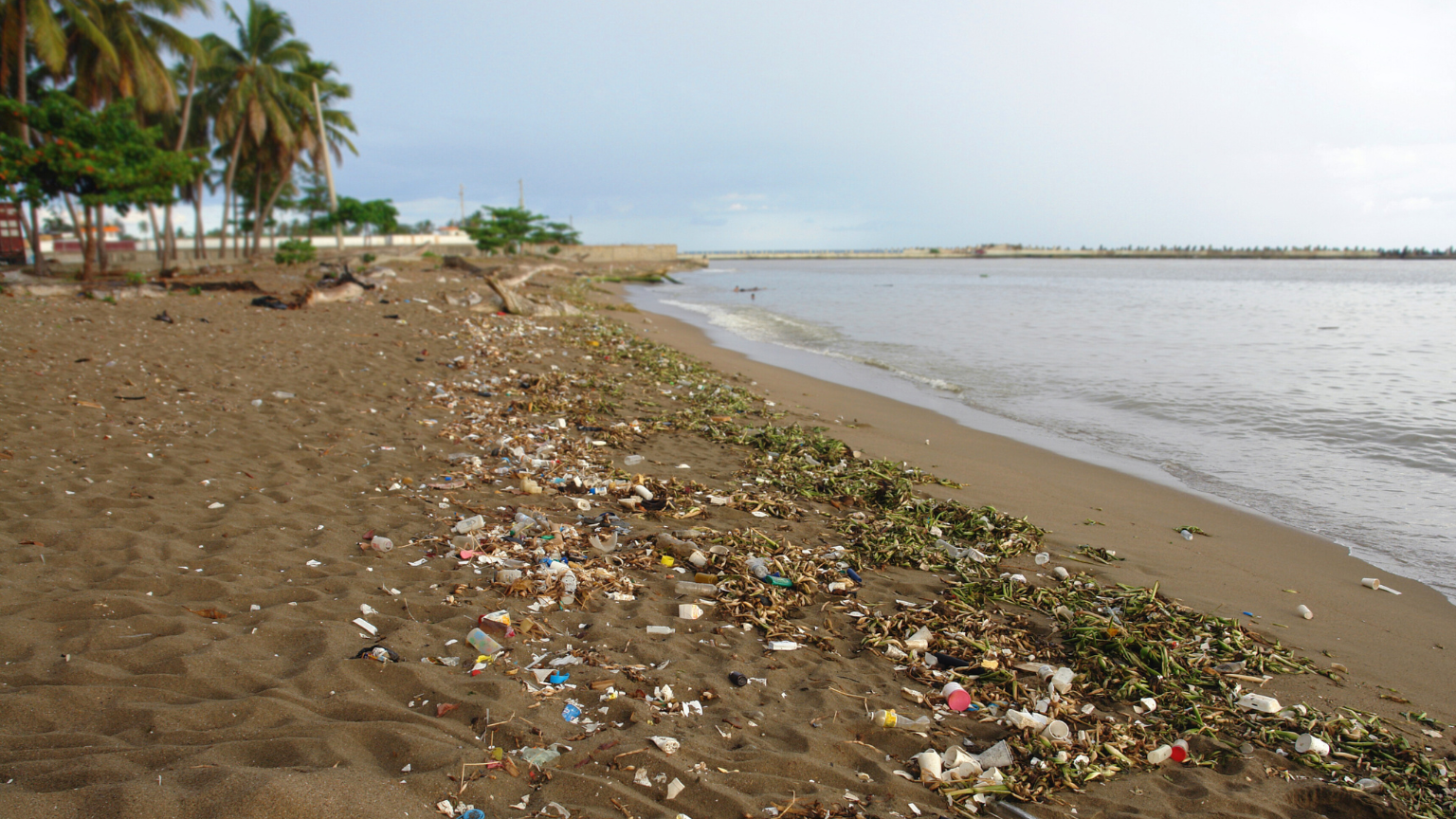

When packing for a beach getaway, visions of golden sands and crystal-clear waters dance in our heads. Yet, not all beaches live up to these dreamy expectations. Some are marred by pollution, overcrowding, and neglect, turning paradise into a less-than-pleasant reality. This list highlights those sandy shores that have travelers wishing they'd packed a hazmat suit instead of a swimsuit.
1. Kamilo Beach, Hawaii (Home to the Great Pacific Garbage Patch’s gifts)

Kamilo Beach, on the Big Island of Hawaii, is far from the postcard-perfect scenes you might imagine. Instead of pristine sands, you'll find a beach littered with plastic and marine debris, courtesy of the Great Pacific Garbage Patch. The currents here act like a conveyor belt, bringing in trash from thousands of miles away. It's a sobering sight that highlights the global issue of ocean pollution. While efforts are being made to clean it, the scale of the problem makes it a less-than-ideal spot for a beach day.
2. Guanabara Bay Beaches, Brazil (Where the Olympics met pollution)

The beaches lining Guanabara Bay in Brazil were thrust into the international spotlight during the 2016 Rio de Janeiro Olympics. Unfortunately, it wasn't their beauty that captured the world's attention, but the shocking levels of pollution. The waters are contaminated with sewage and garbage, making swimming and water sports a health hazard. Despite promises to clean up the bay for the Olympics, the efforts fell short, leaving a lasting stain on the area's reputation. Visitors often leave feeling disappointed and concerned for the local environment.
3. Juhu Beach, India (Bollywood’s backdrop turned trash dump)

Juhu Beach in Mumbai is famous for its stunning sunsets and as a backdrop in numerous Bollywood films. However, the reality of visiting this beach can be quite jarring. The sand is strewn with trash, plastic, and occasionally even medical waste, making it far from the ideal spot for a leisurely stroll. The local authorities struggle to keep up with the pollution, which is exacerbated by the beach's popularity. Despite its fame, it's a place many travelers wish they had skipped.
4. Henderson Island, South Pacific (The world’s most polluted uninhabited island)

Although Henderson Island is a UNESCO World Heritage Site located in the South Pacific, it holds a less prestigious title as the world's most polluted uninhabited island. What should be an untouched paradise is instead covered with the highest density of plastic waste globally. The remoteness of the island hasn't protected it from the deluge of plastic bottles, containers, and other debris carried by ocean currents. It's a stark reminder of humanity's impact on even the most remote natural environments. Sadly, it's more of a site for scientific study than a beach getaway.
5. Doheny State Beach, California (Where urban runoff meets the ocean)

Doheny State Beach in California is notorious for its water quality issues, primarily due to urban runoff. After a rainstorm, the beach often ranks among the most polluted in the state, with advisories warning against swimming. The mix of stormwater, pollutants, and trash that flows into the ocean here can make beach days less than appealing. While there are moments when the beach is clean and welcoming, they are unpredictable. Many visitors leave feeling disillusioned by the experience.
6. Bali’s Kuta Beach (Surfer’s paradise lost to litter)

Kuta Beach in Bali was once a surfer's paradise, known for its beautiful waves and vibrant nightlife. Today, however, it's often criticized for the litter that clutters its sands and waters. Despite efforts to clean up and impose stricter littering penalties, the beach still struggles with pollution, especially during the rainy season when trash is washed ashore. The sight of garbage bobbing in the surf has left many tourists regretting their visit. It's a sharp contrast to the island's otherwise enchanting allure.
7. Sihanoukville, Cambodia (From sleepy town to industrial wasteland)

Once a sleepy coastal town, Sihanoukville in Cambodia has transformed rapidly due to industrial and urban development. The beaches here, particularly Ochheuteal and Serendipity, have suffered greatly. They are now often littered with trash and construction debris, a far cry from their former glory. The rapid development has also led to pollution issues in the water, making swimming less than desirable. Many travelers who remember Sihanoukville's better days are left heartbroken by its current state.
8. Port Phillip Bay, Australia (The beach that’s a no-go after rain)

Port Phillip Bay in Australia is famous for its beautiful coastline and is a popular spot for both locals and tourists. However, following heavy rainfall, the beaches around the bay often become no-go zones. Stormwater runoff carries pollutants and trash into the sea, leading to water quality warnings. The bay's proximity to urban areas means that it's particularly susceptible to this issue. It's disappointing for visitors who find themselves unable to enjoy the water during their stay.
9. Black Sea Beaches, Russia (Oil spills and sewage)

The beaches along the Black Sea in Russia face significant environmental challenges, including oil spills and sewage discharge. These issues have marred the region's natural beauty, making some stretches of coastline uninviting for tourists. The water is often unsafe for swimming, and the sand can be slick with pollution. Efforts to clean up and protect these beaches are ongoing, but progress is slow. Visitors are frequently dismayed by the state of these once-pristine shores.
10. Freedom Island, Philippines (A monument to plastic pollution)

Freedom Island, located in Manila Bay, Philippines, is an important bird sanctuary but also a monument to plastic pollution. The beaches here are covered with a thick layer of plastic waste, ranging from bottles to straws and everything in between. Despite clean-up initiatives and community efforts, the scale of pollution is overwhelming, with new waves of trash arriving regularly. It's a tragic sight that underscores the urgent need for global action on plastic waste. For travelers, it's a powerful, albeit depressing, reminder of the environmental challenges facing our planet.
This article was written by a human and edited with AI Assistance