

Finding a place that matches your values is about daily life, not slogans. For this list I focused on small cities where progressive priorities show up in practical ways, like strong public schools and libraries, safe bike lanes and sidewalks, reliable transit, active local governments, and a visible commitment to parks, arts, and climate resilience. I also considered housing variety, healthcare access, small business vitality, voter participation, and the kinds of community programs that make neighborhoods feel connected. Population sweet spot here is roughly 25,000 to 200,000, big enough to have services yet small enough to keep a human scale. Use these profiles to plan a scouting trip, compare budgets, and pick a place where the way your city runs aligns with the way you want to live.
Ann Arbor, Michigan

Ann Arbor combines a serious public research university with a city government that actually invests in everyday quality of life. You will find protected bike lanes, reliable bus service, and a downtown that stays lively without feeling rowdy. The public library system is beloved and constantly busy with workshops, maker spaces, and author talks. Housing is competitive near campus, but neighborhoods just beyond the core offer townhomes and older houses that trade space for a shorter commute. The food scene leans local, the farmers market is a weekly ritual, and city parks thread through the river corridor so you can kayak after work. Winters are real, yet city services handle them well and life keeps moving.
Boulder, Colorado

Boulder is built for people who want trails before breakfast and serious climate action after lunch. Open space and mountain access are the headliners, but the city also funds excellent libraries, bike infrastructure, and frequent buses. Zoning supports small multifamily options near transit, which helps renters stay close to jobs and parks. The startup ecosystem pairs nicely with a strong sustainability push, so recycling, composting, and electrification are everyday habits. Weekend life revolves around trailheads, farmers markets, and small venues that prioritize local music and film. Housing is pricey, but efficient apartments and in-law suites make it possible to live close to the core without a car.
Burlington, Vermont

Burlington punches above its size with a walkable waterfront, a compact downtown, and a city hall that treats climate resilience like a job to do now. The local grid leans heavily on renewables, and winter plowing keeps sidewalks usable for walkers and bus riders. Housing diversity is improving with accessory dwellings and small apartment buildings that fit the block pattern. Schools and the university draw a steady stream of volunteers, and city events feel like a neighborhood party rather than a tourist show. The bike path along Lake Champlain turns errands into scenic rides and sunsets into a daily ritual. Winters are snowy and beautiful, which just means good boots live by the door.
Ithaca, New York

Ithaca sits at the edge of gorges and lakes with a downtown that works for everyday needs. Transit is reliable for a city this size, and the bus network links campus, neighborhoods, and groceries without drama. Local government has leaned into energy efficiency and building upgrades, and residents follow through with heat pumps and solar on rooftops. Farmers markets and co-ops anchor a food culture that supports small producers year round. Housing covers older houses carved into flats, newer townhomes, and university-adjacent apartments that are walkable to cafés. It is an easy place to live without a car, which keeps budgets stable and routines simple.
Santa Cruz, California

Santa Cruz pairs surf breaks with a strong civic commitment to parks, libraries, and car-light streets. The rail trail and coastal paths make biking an obvious choice for errands and school runs. City programs focus on habitat restoration and wildfire readiness, and neighbors show up to plant trees and clear invasive plants. The downtown library and community centers offer classes, live readings, and homework help that fill every afternoon. Housing is the hard part, yet accessory dwelling units and small infill projects create options in established neighborhoods. If your week includes beach walks and local theater, this city fits like a glove.
Davis, California

Davis is a bike-first college town where protected lanes are the default and drivers expect you on two wheels. The city invests in shaded greenbelts that connect neighborhoods to schools and parks without crossing major roads. The farmers market runs year round and doubles as a social hour with live music and kid zones. Zoning supports smaller apartments and shared housing near downtown, which keeps student demand from overwhelming single-family blocks. City programs emphasize water conservation and heat mitigation with tree planting and cool roofs. If your family thrives on safe routes, good schools, and weekend soccer within walking distance, Davis makes sense.
Eugene, Oregon

Eugene blends river paths, arts programming, and a pragmatic approach to sustainability. You can bike from campus to downtown along car-free paths that stay busy and safe. The Saturday Market and performance venues mean your calendar fills without thinking too hard. The city’s climate goals show up as electric buses, community gardens, and incentives for weatherizing older homes. Neighborhoods offer midsize apartments, small craftsman houses, and cooperative living options that keep costs in check. If you want a city that feels green without being precious, Eugene delivers.
Corvallis, Oregon

Corvallis is smaller than Eugene but just as serious about bikes, parks, and research. The bus system is free within city limits, so students and seniors can move around without cost barriers. Neighborhood associations work closely with city staff, which means crosswalks and curb ramps get fixed instead of discussed forever. Housing trends toward duplexes and small garden apartments, and backyards turn into vegetable patches more often than not. Trails along the river keep people outside year round, and birding spots are minutes from downtown. It is a relaxed, competent place that rewards community-minded living.
Bellingham, Washington

Bellingham sits between mountains and saltwater with a city hall that takes climate and clean water seriously. Waterfront redevelopment adds parks and trails that make daily life feel like a vacation. Bus service is reliable and widely used, and the compact core favors walking to groceries and libraries. Housing includes older craftsman blocks, cottage courts, and new apartments that add density without crushing neighborhood character. Small business support is strong, so bookstores, cafés, and bike shops thrive. On clear days you see snow caps from your porch and remember why you moved.
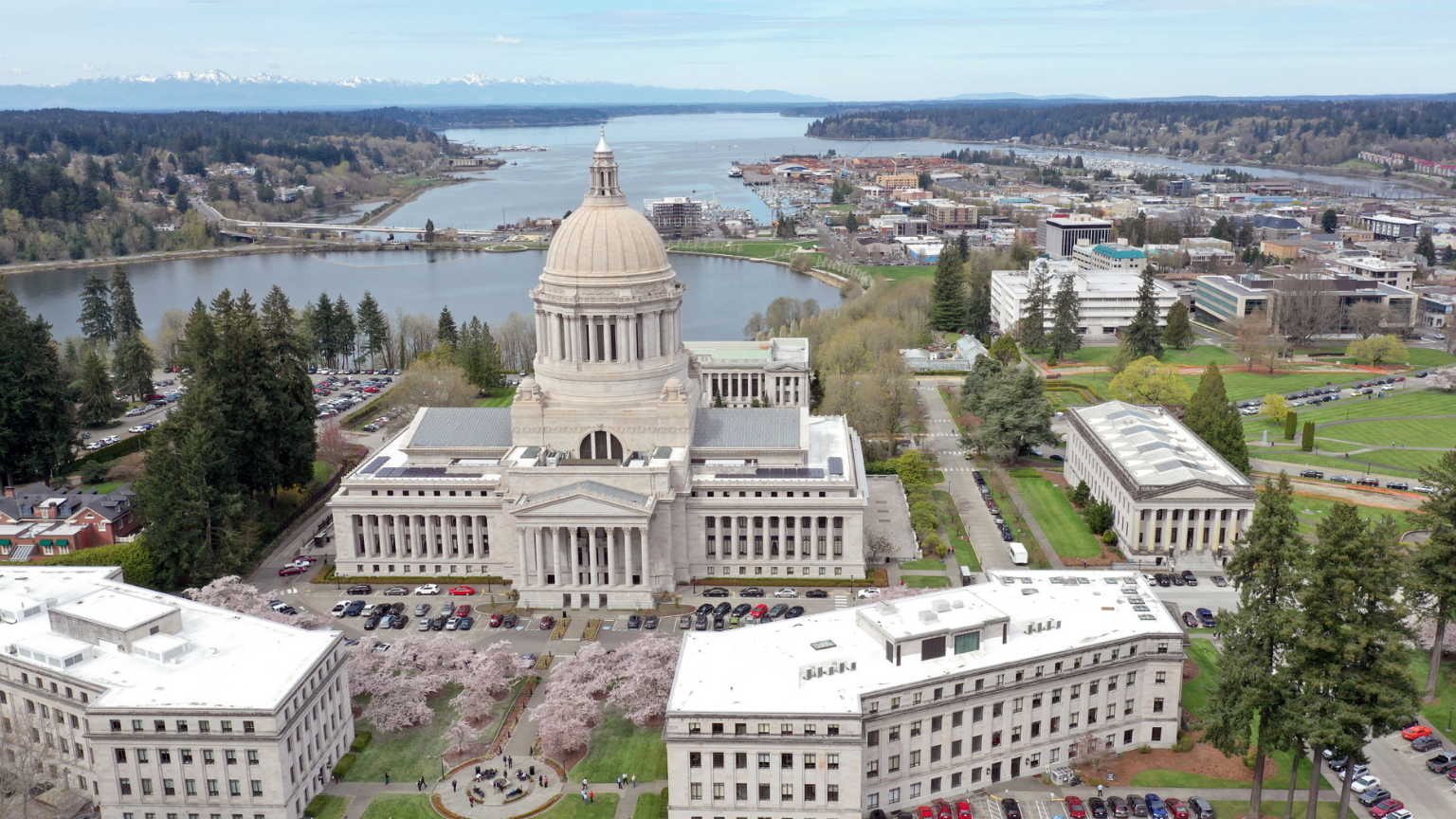
Olympia, Washington

Olympia is the rare state capital that keeps a small-town heart and progressive policies on the ground. The downtown farmers market runs multiple days a week and serves as a community hub. Side streets favor traffic calming and safe routes to schools, which makes family life easier. Housing policy encourages backyard cottages and missing-middle units, expanding choices beyond big single-family homes. Public art and library programming create a steady rhythm of free things to do. Puget Sound trails and shoreline parks give you a calm place to end every day.
Flagstaff, Arizona

Flagstaff is a mountain town with real winters, high desert skies, and a city agenda that centers climate. Transit is consistent and well used by students and winter commuters. Compact neighborhoods near downtown and campus make car-light living possible even with snow on the ground. The city funds wildfire thinning and water projects that protect neighborhoods and trails. Housing is tight, but second units and small condos near bus lines help. If your ideal Saturday includes a hike, a used bookshop, and a local brewery patio, Flagstaff will make you happy.
Tempe, Arizona

Tempe is one of the most walkable and bikeable small cities in the desert. Light rail and streetcar lines stitch together downtown, campus, and neighborhoods, and bike lanes are everywhere you look. The city’s climate plans include shade canopies, heat-resilient landscaping, and water reuse that shows up in parks. Apartments come in all sizes and ages, which helps renters find a fit close to transit. Public art shows up under bridges and along canals, and the library operates like a community center. Nights are lively but manageable, and mornings belong to the lake path.
Santa Fe, New Mexico

Santa Fe runs on art, heritage, and a measured approach to growth. Galleries and museums sit next to pocket parks and cafés, and city code protects the historic fabric while allowing smart infill. Transit reaches popular neighborhoods, and walking is the default in the core. Solar adoption is visible on rooftops, and water-saving rules are simply part of life. Housing covers adobe bungalows, small apartments, and in-law suites that help multi-generational families stay close. Festivals never really stop, and winter light over the mountains makes errands feel poetic.
Fort Collins, Colorado

Fort Collins delivers bike highways, serious beer, and a city staff that treats data like a tool. Bus rapid transit links corridors efficiently, and the downtown grid is easy to cross on foot. Electricity is increasingly renewable, and city programs help homeowners electrify appliances without guesswork. Housing spans townhomes, accessory units, and co-ops that allow a range of budgets to stay in the mix. Parks are spotless and plentiful, and the library network is excellent for families. You can live a full, fun week here without ever sitting in a freeway queue.
Chapel Hill, North Carolina

Chapel Hill offers excellent schools, a vibrant library system, and a free bus network that connects to neighboring Carrboro. Sidewalks and greenways knit neighborhoods together, and weekend farmers markets anchor community life. The town funds tree planting, stormwater upgrades, and safe routes that make walking to school feel normal. Housing is competitive but improving, with townhomes and small apartments near transit hubs. Arts and lectures are part of the daily fabric thanks to campus, and youth sports are organized without feeling intense. You get progressive governance with a neighborly mood.
Carrboro, North Carolina

Carrboro is tiny and mighty, a place where you can bike to everything and the town council listens. The core is dense with small businesses that have survived precisely because locals show up. Side streets have traffic calming and crosswalks that actually slow cars. Zoning allows accessory dwellings and small multifamily buildings, which helps teachers, artists, and service workers stay in town. The arts center, library, and farmers market create a weekly rhythm that feels like a reunion. If you want a walkable life without a car payment, start here.
Charlottesville, Virginia

Charlottesville balances a historic downtown mall with a strong commitment to parks, trails, and public schools. Neighborhoods feel leafy and safe, and bus service connects the core to job centers and groceries. The city invests in affordable housing and energy efficiency, and residents take advantage with weatherization and solar. Local restaurants value ingredients and hospitality, and prices are fair for the quality. Weekends mix youth sports, outdoor concerts, and easy hikes along the Rivanna. It is an easy city to love if you appreciate quiet competence.
Northampton, Massachusetts

Northampton is an arts-forward small city where progressive values show up on the block. The downtown is fully walkable and packed with bookstores, music venues, and cafés that welcome laptops and strollers. Bike paths tie into the regional rail trail, so errands skip the car more often than not. Housing policy supports small apartments and conversions that fit into older neighborhoods. The library is a star, with programming that keeps families busy through winter. You will find a lot of civic engagement and a habit of turning policy ideas into pilot projects.
Amherst, Massachusetts

Amherst is greener than most college towns both in shade and in policy. The town center is compact with sidewalks that stay shoveled and lit. Bus service is frequent, free on key routes, and widely used by students and retirees. Housing includes co-ops, townhomes, and apartments near transit that reduce car dependence. Trails loop through conservation land, which puts birdsong into your morning routine. The library and schools are standouts, and local government listens carefully to residents.
Portland, Maine

Portland packs art, food, and ocean air into a walkable Old Port and a network of distinct neighborhoods. The city invests in stormwater projects and coastal resilience that protect parks and trails. Metro bus service is solid for a city this size, and ferry routes add a maritime twist to commutes. Housing is older but well kept, and small apartment buildings give renters plenty of options near services. Winters are cold but the city plows sidewalks and keeps life moving. Summer is a parade of festivals and patios, and the working waterfront keeps the place honest.
Asheville, North Carolina

Asheville mixes Blue Ridge views with a city government that funds parks, greenways, and arts. The River Arts District anchors creative life with studios, murals, and riverfront paths. Bus routes are reliable for a city this size, and bike lanes keep growing every year. Farmers markets and local food halls make weekly errands feel enjoyable and social. Housing spans historic bungalows, small apartments, and townhomes near trails. Evenings bring live music, outdoor patios, and a calm, walkable downtown.
Athens, Georgia

Athens blends a strong university presence with progressive programs that show up on the block. Sidewalks and bike routes connect neighborhoods to campus, groceries, and parks. The city invests in tree canopy, stormwater improvements, and small business support. Festivals fill the calendar without overwhelming daily life or traffic flow. Housing remains varied, from older homes carved into flats to newer mid-rise apartments. Music, coffee, and bookstores give the core a friendly, lived-in rhythm.
Decatur, Georgia

Decatur proves that small cities can deliver big-city walkability and services. The downtown square is a true civic living room with transit, libraries, and playgrounds. Traffic calming, crosswalks, and bike lanes make family trips on foot feel normal. Zoning allows gentle density, adding townhomes and small apartments near stores and schools. Parks and public art are well maintained and widely used after work. Restaurants emphasize hospitality and local produce, and streets feel safe after dark.
Gainesville, Florida

Gainesville runs on education, health care, and a practical approach to sustainability. Bus service is frequent around the core, and greenways help riders and walkers skip busy roads. Shade trees and park improvements make summer heat more manageable. Housing choices stretch from historic cottages to new apartments near transit lines. Farmers markets, food halls, and food trucks give the city an easy food scene. Evenings feel relaxed, with plenty of free community events across seasons.
Sarasota, Florida

Sarasota balances Gulf beaches with a visible commitment to parks, arts, and preservation. The Legacy Trail draws cyclists and walkers across town without stressful intersections. Flood and storm readiness shows up in drainage projects and coastal planning. Libraries and cultural venues keep programming active for all ages. Housing includes condos, duplexes, and compact neighborhoods with dependable services. Weeknights often end with sunset strolls and outdoor concerts downtown.
Alexandria, Virginia

Alexandria couples Old Town charm with progressive transportation and public space planning. The city keeps sidewalks wide, bike lanes protected, and buses moving on useful routes. Waterfront parks and trails link neighborhoods to transit and cafés. Housing is diverse, with rowhouses, duplexes, and small apartment buildings that fit the street grid. Schools and libraries maintain strong programming throughout the year. Restaurants, farmers markets, and small shops thrive thanks to a steady local base.
Blacksburg, Virginia

Blacksburg feels calm and organized, with transit that makes student and family schedules easy. Traffic calming and crosswalk upgrades support walking and biking to schools and parks. The city invests in trails, tree canopy, and small business storefronts that energize downtown. Housing ranges from townhomes to compact apartments within a short hop of groceries. Community events favor local artists and youth sports without overwhelming weekends. It is a practical mountain town with everyday competence.
Frederick, Maryland

Frederick’s historic core is walkable, well lit, and lined with small businesses that stick. The city’s creekside park and trail system connect neighborhoods to the arts district and libraries. Transit coverage is solid, and regional rail links commuting options. Housing spans rowhouses, upper-story apartments, and new townhome clusters near services. Stormwater and flood projects are easy to spot and well maintained. Weekends bring markets, patio dining, and an easy pace that suits families.
Rockville, Maryland

Rockville is a transit-friendly small city with a steady focus on safety and services. Sidewalks, bike lanes, and crosswalks get real attention in annual budgets. Parks and recreation centers are clean, staffed, and busy after school hours. Housing includes garden apartments, townhomes, and small multifamily buildings near rail. The library system and community events keep evenings lively without stress. City communications are clear, which helps residents feel heard and informed.
Gaithersburg, Maryland

Gaithersburg delivers neighborhood parks, practical transit, and a diverse food scene. The city manages crosswalks and traffic calming around schools with care. Trails and lakes create daily outdoor routines that are easy to keep. Housing choices include townhomes, mid-rise apartments, and duplexes near groceries. Public safety and cleanliness feel dependable in most districts. Weekend festivals feel genuinely local and welcoming to newcomers.
New Haven, Connecticut

New Haven pairs world-class culture with a growing network of bike lanes and bus routes. The city invests in libraries, after-school programs, and park upgrades that residents actually use. Coastal resilience projects and tree planting are visible on neighborhood walks. Housing spans classic triples, townhomes, and modern apartments near transit. The food scene is rich, affordable, and easy to reach without a car. Nights feel lively but manageable, especially around the green.
Norwalk, Connecticut

Norwalk’s waterfront anchors a practical, family-friendly small city. Sidewalks, crosswalks, and traffic-calmed streets support walking to parks and schools. Transit links downtown to neighborhoods and regional rail without much friction. Housing ranges from condos to small-lot homes that keep maintenance simple. Coastal planning and flood projects are part of everyday governance. Restaurants and markets deliver variety without premium prices.
Providence, Rhode Island

Providence sits at a comfortable scale with a strong arts and university backbone. Bike lanes, bus improvements, and riverwalks make moving around straightforward. Park investments and programming show up in heavily used spaces after work. Housing offers triple-deckers, townhomes, and mid-rise apartments near cafés and libraries. The city encourages small business growth with clear permitting and support. Evenings are full of music, theater, and community events that feel accessible.
Nashua, New Hampshire

Nashua blends a tidy downtown with trails and parks that reach into neighborhoods. The city maintains sidewalks, winter plowing, and lighting that support walking year round. Housing includes townhomes, small apartment buildings, and modest single-family options. Local government communicates well about projects, which helps residents plan around works. Public libraries and recreation centers run full calendars for families and seniors. Weekends stay easy with river walks, markets, and short drives to hikes.
Concord, New Hampshire

Concord is a compact capital that delivers clean parks and responsive services. Sidewalks and street trees make daily walks pleasant in all seasons. Transit covers key corridors and links to regional routes. Housing spans older homes, townhomes, and small apartments near the center. Community programming focuses on access and inclusion, from libraries to youth sports. Evenings feel calm, with local restaurants and steady arts programming.
Missoula, Montana

Missoula brings mountain culture, river access, and solid public services together. Trails map the city and make bike commutes normal for many residents. The library is a modern hub for classes, kids, and job resources. Housing includes small bungalows, townhomes, and mid-rise apartments near parks. Conservation and wildfire readiness are visible city priorities. Nights lean toward local music, good beer, and an easy, friendly vibe.
Bozeman, Montana

Bozeman’s growth comes with planning that prioritizes trails, parks, and water. Bike lanes and greenways thread new neighborhoods to schools and groceries. Housing is tight, but townhomes and small apartments near transit are expanding. The city supports energy efficiency and water conservation through incentives residents actually use. Public spaces are well kept and feel safe after dark. Weekends belong to hikes, farmers markets, and a compact, social downtown.
Moscow, Idaho

Moscow is a college town with a neighborly feel and a practical core. Sidewalks and bike routes make campus and downtown easy to reach. The Saturday market anchors a food culture that supports local growers. Housing includes duplexes, small apartments, and older houses converted into flats. City communications are clear and projects move from plan to action. Life feels personal, safe, and balanced across the seasons.
Bend, Oregon

Bend delivers outdoor access with a city hall that takes livability seriously. Trails and roundabouts keep traffic calmer than in many resort towns. The library and recreation centers are well used and well staffed. Housing spans townhomes, accessory dwellings, and mid-rise apartments near services. Water and wildfire planning are visible and pragmatic. Evenings run on patios, local beer, and clear, starry skies.
Longmont, Colorado

Longmont offers Front Range convenience with a small-city heart. The city invests in greenways that connect neighborhoods to parks and schools. Fiber internet, libraries, and maker spaces support remote work and education. Housing choices include townhomes, cottage courts, and apartments near groceries. Energy programs help residents electrify and save on utilities. Community events feel relaxed and genuinely family friendly.
Loveland, Colorado

Loveland mixes lake parks, sculpture walks, and steady public services. Bike lanes and trails link neighborhoods to schools and shopping. Housing includes compact single-family homes, townhomes, and small apartments near transit. City programs encourage water-wise landscaping and efficient appliances. The arts scene is hands-on, with workshops and festivals that welcome all ages. Daily life feels organized, clean, and calm.
Lawrence, Kansas

Lawrence is a college town with progressive policies that show up block by block. Bus routes are frequent and free for many riders, and bike lanes keep expanding. Downtown stays lively with bookstores, music venues, and sidewalk dining. Housing spans older homes split into flats and newer infill near transit. The city invests in trees, parks, and flood management that residents notice. Nights feel social and safe without being loud.
Columbia, Missouri

Columbia pairs a strong university with a practical public realm. Trails cut across town and make bike commutes routine. Bus service is steady on main corridors and easy to use. Housing includes townhomes, duplexes, and small-lot homes near groceries and schools. The library and parks system run robust programs year round. Community life feels inclusive, with a steady pulse of arts and sports.
Iowa City, Iowa

Iowa City values libraries, literacy, and livable streets. The bus network is reliable and well used by students and families. Bike lanes and trails connect neighborhoods to downtown and the river. Housing spans co-ops, duplexes, and mid-rise apartments near services. The city supports small businesses and keeps permitting clear. Evenings feature readings, music, and relaxed cafés that feel welcoming.
Ames, Iowa

Ames is clean, organized, and easy to navigate without a car. Bus service covers key routes with dependable frequency. Trails and greenways link parks and schools in a safe network. Housing offers townhomes, garden apartments, and modest homes near groceries. City utilities are reliable, and bills stay predictable through winter. Life moves at a friendly pace that supports focus and family.
Bloomington, Indiana

Bloomington balances campus energy with thoughtful city planning. Protected bike lanes and crosswalks make walking to class or cafés feel safe. Parks and community centers host constant programming for all ages. Housing includes duplexes, small apartments, and cooperative options near transit. The city pushes energy efficiency and supports small retailers downtown. Music, murals, and markets keep weekends busy without stress.
Champaign, Illinois

Champaign’s grid, parks, and transit make everyday life straightforward. Bike lanes connect campuses to neighborhoods and groceries in minutes. Housing spans townhomes, mid-rises, and small homes near bus lines. The library serves as a real community hub with classes and events. City staff communicate clearly about projects and timelines. Evenings are friendly and casual, with plenty of affordable dining.
Evanston, Illinois

Evanston feels like a coastal town wrapped around a commuter rail spine. Sidewalks are wide, bike lanes protected, and parks well kept along the lake. Zoning supports gentle density, which keeps services within a short walk. Housing runs from vintage flats to new mid-rises near transit. The city invests in climate readiness and shoreline protection. Cafés, bookstores, and small theaters keep nights active and approachable.
Duluth, Minnesota

Duluth delivers Lake Superior views with serious attention to trails and parks. Hillside neighborhoods connect to the waterfront with stairs and greenways. Transit covers the core and keeps winter errands practical. Housing includes craftsman homes, townhomes, and apartments near services. The city plans for storms and ice with visible investments. Evenings end with lake walks, local beer, and crisp, clear air.
Eau Claire, Wisconsin

Eau Claire is tidy, artsy, and organized around its rivers and parks. Bike trails cross the core and make short commutes a pleasure. Housing includes small homes, duplexes, and mid-rise apartments near groceries. The library and arts center keep calendars full through winter. City communications are clear, and projects move forward steadily. It is a friendly, affordable base with a creative streak.
This article was written by Hunter and edited with AI Assistance