

Finding a city that matches your values is about daily life, not slogans. This guide highlights fifty communities where progressive priorities show up in practical ways, from reliable transit and walkable neighborhoods to strong public schools, libraries, and healthcare access. We weighed climate and sustainability efforts, renter and housing supports, small business vitality, arts and nightlife, and civic engagement. Use these profiles to plan a scouting trip, compare budgets, and pick a place where the way your city runs aligns with the way you want to live.
Cambridge, Massachusetts

Cambridge blends world class universities with everyday conveniences that make car free life simple. Red Line stations anchor neighborhoods like Central, Harvard, and Porter Squares where you can walk to groceries, pharmacies, and cafés. The bike network keeps growing and winter maintenance is taken seriously, so riding stays viable most of the year. Public schools, libraries, and parks are well used, and community meetings draw real participation. Food options run from affordable falafel spots to chef driven rooms that still feel neighborhood first. Weekend life swings between river paths, indie cinemas, and concerts that sell out because people actually go.
Somerville, Massachusetts

Somerville stacks dense, friendly blocks with pocket parks and a creative streak that never feels forced. The Green Line extension stitched more stations into everyday life, and buses fill the gaps well. Start with Davis Square, Union Square, or Ball Square for easy commutes and busy sidewalks. Farmers markets, community fridges, and mutual aid groups are visible and active. Triple deckers offer workable rents with roommates, and accessory dwelling units add flexibility for multigenerational households. Nights end at local venues where the crowd is mixed and the staff knows regulars by name.
Burlington, Vermont

Burlington pairs lake views with strong climate action and a downtown that still prioritizes people over traffic. Church Street is fully walkable and lined with bookstores, bakeries, and co ops that anchor daily routines. The city invests in bikes, buses, and winter plowing that keeps sidewalks usable. Local food is not a slogan here, with farm shares and markets that run long past summer. Healthcare access and social services are strong for a small city, and civic turnout is consistently high. Weekends fold in lake paths, ski day trips, and live music that punches above the population.
New York City, New York

New York rewards people who want a dense, transit first lifestyle with endless variety. Start in Jackson Heights for global food and quick access to multiple subway lines, or pick Park Slope and Astoria for family friendly blocks near parks. Car free living is the default and the city’s street dining and bike lanes have become everyday infrastructure. Libraries, schools, and after school programs are numerous and easy to reach by foot. The job market spans every industry, which helps dual career households find workable commutes. Weekends can be cheap if you use parks, museums with free hours, and outer borough food tours.
Providence, Rhode Island

Providence mixes walkable neighborhoods, strong arts energy, and prices that still leave room in a starter budget. Start in Fox Point, Elmwood, or the West End for leafy streets and independent shops. The commuter rail to Boston broadens job options without giving up small city ease. Food is a headline, from bakeries to low key seafood spots that treat service like a craft. Schools and libraries are central to neighborhood life and see heavy family use. The city maintains a steady calendar of festivals and markets that are inclusive without feeling corporate.
Philadelphia, Pennsylvania

Philadelphia delivers big city assets with a neighborhood scale that works for families, students, and remote workers. The subway, trolleys, and regional rail lines keep car ownership optional in Fishtown, Graduate Hospital, West Philly, and East Passyunk. Rowhouses provide space at prices that still compare well to coastal peers. The park system is extensive, and weekend loops through Wissahickon turn into a habit. Healthcare access is excellent and community clinics are widely used. Civic life is vocal, organized, and visible on block corners and school boards.
Pittsburgh, Pennsylvania

Pittsburgh has reinvented itself around universities, healthcare, and robotics while keeping housing relatively accessible. Lawrenceville, Bloomfield, and Squirrel Hill provide walkable blocks with buses that actually run. River trails make running and biking part of daily life, and bridges offer views that never get old. Public libraries rank among the best and host programs that fill quickly. The food scene leans independent and immigrant owned, which keeps prices sensible. It is a generous city that rewards joiners and volunteers.
Washington, D.C.

D.C. is a policy hub that also functions as a livable city with good transit and parks in every quadrant. The Metro and bus network make car free routines feasible in Columbia Heights, Navy Yard, and H Street NE. Schools and libraries are central to community life, and museums are free which changes how weekends feel. The city is serious about bike infrastructure and trail connections into Maryland and Virginia. Jobs in nonprofits, tech policy, media, and government mean dual career couples can both land nearby. Social life is busy but grounded, and neighborhood listservs actually work.
Silver Spring and Takoma Park, Maryland

Just over the line from D.C., these sister cities feel like small towns with big city access. Red Line stations and buses keep commutes smooth, and the Purple Line expansion improves east west movement. Farmers markets, food co ops, and festivals fill the calendar without crowd control issues. Schools and parks are well loved, and sidewalks see heavy use at all hours. Apartment towers, duplexes, and single family homes mix well on the same blocks. The tone is inclusive, chatty, and practical.
Arlington and Alexandria, Virginia

These Potomac side cities make the case for density done right. Metro corridors in Clarendon, Ballston, and Pentagon City put groceries, gyms, and daycare within a ten minute walk. Old Town Alexandria offers cobblestones, waterfront paths, and rowhouses that make evenings feel like a stroll through history. Public spaces are immaculate and staffed, and the bike network is connected to regional trails. Schools, libraries, and rec centers run programs that fill fast because people use them. It is easy to live well without a car and still reach job hubs across the region.
Chapel Hill and Carrboro, North Carolina

These twin towns turn college energy into daily life perks for families and remote workers. Free buses link neighborhoods to downtowns, campuses, and grocery hubs. Trails and greenways connect parks in ways that make bikes and strollers part of the routine. Schools and libraries are strong, and community events lean inclusive and music forward. Housing ranges from modest cottages to townhomes around village centers. The culture is conversational, bookish, and friendly.
Durham, North Carolina

Durham pairs a serious food scene with research jobs and neighborhoods that keep their porch culture. Ninth Street, Trinity Park, and Old North Durham offer walkable blocks and easy bus lines. The American Tobacco Trail supports cyclists and runners year round. Public schools and magnet programs draw families who stay for years. Health systems make care straightforward, and community clinics are active partners. On weekends, baseball games, art fairs, and free concerts crowd the calendar in a good way.
Asheville, North Carolina

Asheville is a blue dot in the mountains where outdoor culture and progressive policies meet. West Asheville and North Asheville balance quiet streets with coffee and groceries a few minutes away. The river arts district anchors a steady rotation of markets and studio walks. Trails on the Blue Ridge Parkway turn weekday evenings into quick hikes. Food co ops and farmers markets are central to the shopping routine. Visitors come and go, but neighborhoods feel neighborly and engaged.
Ann Arbor, Michigan

Ann Arbor is collegiate and highly functional, with bikes, buses, and sidewalks doing real work every day. Kerrytown and Old West Side are first stops for walkability and access to markets and libraries. Parks and playgrounds are abundant and well kept. The food scene is heavy on bakeries, delis, and Middle Eastern staples that fit a student and family budget. Healthcare access is excellent and specialists are close at hand. The civic culture is polite, policy minded, and turnout focused.
Madison, Wisconsin

Madison’s lakefronts, bike paths, and green policies make daily life feel thoughtful and active. The isthmus neighborhoods keep errands close and transit frequent. Farmers markets are legendary and set the pace for weekend mornings. Winters are real, but plowing is serious and people keep moving. Libraries, schools, and community centers host programs that book up because residents show up. It is a city where meetings are well attended and parks are well loved.
Minneapolis and Saint Paul, Minnesota

The Twin Cities are built for four season living with trails, transit, and a robust arts ecosystem. Start in Longfellow, Northeast, or Highland Park for blocks with groceries, clinics, and cafés nearby. The river and chain of lakes offer skating, running, and biking that does not stop in winter. Schools and park systems are deeply resourced and community sports are affordable. Healthcare is top tier and easy to access. The tone is neighborly, organized, and steady.
Chicago, Illinois

Chicago gives you the most complete transit city in the Midwest with a neighborhood flavor that changes every few stops. Lincoln Square, Andersonville, and Hyde Park are reliable bases with strong schools and libraries. CTA trains and buses keep routines car optional and Metra broadens job access. Parks and lakefront paths pull you outside in every season. Food options are vast and include plenty of affordable favorites. It is a big city where block clubs and school councils still matter.
Denver and Boulder, Colorado

Front Range living pairs climate action and transit improvements with real outdoor access. In Denver, start in Capitol Hill, Wash Park, or Highlands for walkable blocks and bus lines you will actually use. Boulder leans bike heavy, with separated paths and trailheads at the edge of town. School choice and library programming are strong in both cities. Healthcare is excellent, and weekend escapes to the foothills are simple. You get fresh air, growing transit, and a culture that takes sustainability seriously.
Santa Fe, New Mexico

Santa Fe weaves arts, food, and public health into a compact, breathable city. Rail Trail and Acequia paths support daily walks and runs, and buses are improving every year. Adobe neighborhoods hold their shape with local shops and small groceries embedded on corners. Clinics and hospitals are well regarded for a city this size, and social services are visible. Galleries are approachable and community minded, and markets are full of regional produce. Nights end early with stars overhead and mornings start with chile and coffee.
Austin, Texas

Austin stays a progressive island with a growing transit spine and dense, walkable pockets. Hyde Park, Mueller, and South Lamar offer access to groceries, parks, and schools without long drives. Bike lanes and urban trails convert commutes into exercise for many residents. The tech and creative job base supports remote and hybrid arrangements. Food trucks and neighborhood restaurants keep prices manageable if you are savvy. Music, parks, and community events are abundant and inclusive.
San Francisco, California

San Francisco rewards a car free lifestyle with dense neighborhoods, frequent transit, and world class parks. Start in the Richmond or Sunset for quieter streets near the ocean, or pick Noe Valley and Hayes Valley for village vibes with great food. Muni, BART, and Caltrain make regional commutes workable without a car. Libraries, community centers, and rec fields are heavily used and well maintained. Healthcare access is excellent, and specialty clinics are close to transit. Weekends flow from Golden Gate Park and the Presidio to ferry rides and farmers markets that anchor routines.
Oakland and Berkeley, California

Oakland and Berkeley pair lively arts and food with serious transit and bike networks. Rockridge, Temescal, Grand Lake, and Lake Merritt give you walkable blocks and BART within minutes. Berkeley’s Northbrae and Elmwood feel like small towns with bookstores, cheese shops, and parks. Farmers markets and co ops make cooking at home a pleasure. Public schools, libraries, and community events see real turnout and volunteering is easy to plug into. You can live well without a car and still reach jobs across the Bay.
Sacramento and Davis, California

Sacramento’s Midtown and East Sacramento offer tree lined streets, bike lanes, and a growing rail network. The city’s parks and American River trail make cycling and running an everyday habit. Davis adds a top tier bike culture, farmers markets, and a college town rhythm that is welcoming and practical. Housing is more attainable than the coasts, and yards for gardens are common. State jobs, healthcare, and education create a steady employment base. Weekends mean river walks, wine country day trips, and long patio dinners.
Santa Cruz, California

Santa Cruz blends ocean air with a progressive civic spirit and a very real outdoor routine. The Westside puts you near cliffs, bike paths, and a growing cluster of cafés and breweries. UC Santa Cruz brings energy and a strong bus network that runs well for a city this size. Groceries include co ops and farm stands with local produce year round. Healthcare access is solid and referrals to Bay Area specialists are straightforward. Expect early mornings on the coast, redwood hikes, and quiet nights under clear stars.
Santa Barbara, California

Santa Barbara is compact, coastal, and designed for walking and biking between neighborhoods. The downtown corridor connects to beaches and trailheads without long drives. Healthcare and schools are strong for a small city, and community events fill a well kept calendar. Housing skews condo and small homes near the core, with rentals that favor long stays. Food is farm forward and markets make it easy to cook fresh at home. The pace is calm and the civic tone is environmentally minded and engaged.
San Luis Obispo, California

San Luis Obispo keeps a college town’s energy with a grown up quality of life. The compact downtown ties together groceries, clinics, and trails within minutes. Bike paths and open space mean daily hikes and rides are realistic before or after work. Housing includes townhomes and small single family homes with enough yard for herbs and fruit trees. Community programs are well used and libraries and parks are spotless. Weekends stretch from farmers markets to coastal towns that sit a short drive away.
Portland, Oregon

Portland builds daily routines around bikes, buses, and light rail with neighborhoods that feel like small villages. Sellwood, Irvington, and Multnomah Village are reliable starts with parks and grocery options nearby. Food carts and independent restaurants keep budgets workable. The city invests in green infrastructure and it shows up in clean streets and tree canopy. Healthcare is strong and clinics are easy to reach without a car. Rivers, trails, and Mount Tabor park keep you outside year round.
Eugene and Corvallis, Oregon

Eugene and Corvallis deliver bike first living, strong public libraries, and active school communities. Both cities feature compact cores where errands happen on foot. University life brings music, lectures, and sports that are affordable and fun. Farmers markets and co ops anchor a fresh food routine. Housing is attainable compared with coastal peers and yards for gardens are common. Trails and rivers keep weekends simple and healthy.
Bend, Oregon

Bend is an outdoor engine with progressive services and a high quality hospital system for its size. The Old Mill and downtown districts are walkable and peppered with cafés and gear shops. Trails lace the city and the Deschutes River path turns exercise into a habit. Remote and hybrid work are common and co working spaces are friendly. Winters are active rather than harsh thanks to nearby mountains. Community events, bike culture, and conservation groups are visible and welcoming.
Seattle, Washington

Seattle rewards transit users and cyclists with expanding light rail and serious trail systems. Ballard, Capitol Hill, Green Lake, and Columbia City offer village centers with groceries, libraries, and clinics. Tech and healthcare jobs are plentiful and hybrid schedules are common. Parks and water access are everywhere, from paddle boarding on Lake Union to sunset at Golden Gardens. Schools and rec programs fill quickly because families use them. The culture is polite, future minded, and outdoors oriented.
Tacoma, Washington

Tacoma’s revitalized core mixes museums, waterfront walks, and neighborhoods with classic homes. Proctor and North Slope deliver walkability with small town feel. Sounder rail and express buses connect to Seattle jobs without owning two cars. Housing is more accessible, and yards and workshops are realistic. Public schools and libraries are engaged and community events are genuinely local. Trails, Point Defiance Park, and the waterfront keep weekends active.
Bellingham, Washington

Bellingham is a college town that embraces bikes, bays, and mountains. Fairhaven and Columbia neighborhoods are walkable and full of cafés and small groceries. Kayaking, trail running, and ski day trips are part of regular life. The food scene favors local farms and fish, and markets are a weekly ritual. Healthcare access is good for a small city and referrals to Seattle are straightforward. The civic tone is neighborly and environmentally focused.
Olympia, Washington

Olympia layers state government stability with a creative, cooperative community. The downtown core and Eastside neighborhoods make car light life easy. Food co ops, farmers markets, and community gardens are part of the fabric. Capitol Lake paths and forested parks keep you outdoors in every season. Schools and libraries host programs that regularly fill up. It is a compact capital with a practical, progressive rhythm.
Redmond and Kirkland, Washington

Redmond and Kirkland combine tech corridors with lakefront parks and connected trails. The growing light rail spine and bus network make non car commutes realistic. Neighborhoods are tidy, with pocket parks and safe routes to schools. Healthcare is top notch and clinics are close to residential areas. Waterfront paths and community centers see constant use. You get suburban calm with urban access and services that work.
Santa Monica and Culver City, California

Santa Monica and Culver City are walkable, transit served, and full of parks and schools. The E Line connects to job hubs across Los Angeles and buses fill in the grid well. Bike lanes and beach paths make car free weekends a default. Housing ranges from courtyard apartments to small homes near good groceries and clinics. Arts and after school programs are abundant and well attended. Evenings end with a short walk and mornings start with sunshine and coffee.
Pasadena and South Pasadena, California

Pasadena and South Pasadena deliver leafy streets, Gold Line rail, and a strong public school and library culture. Old Town and Mission Street serve daily needs without freeway drives. Clinics and hospitals are excellent and easy to reach. Housing includes bungalows and townhomes with yards that actually get used. Parks and arroyo trails add quick access to nature. The feel is civic minded, organized, and family friendly.
Long Beach, California

Long Beach offers ocean air, bike boulevards, and a livable density near transit. Belmont Shore and Bixby Knolls pair walkability with independent shops and cafés. The Blue Line and buses make regional commuting feasible. Parks and waterfront paths keep you outside and the aquarium and libraries anchor family routines. Healthcare access is broad and clinics are neighborhood based. The community is diverse, engaged, and welcoming.
San Diego Urban Core, California

San Diego’s urban neighborhoods make car light life possible with sunshine as a bonus. North Park, Hillcrest, and University Heights are packed with groceries, clinics, and parks. Bus and trolley lines cover most errands and beach access is a short ride. Healthcare is excellent and specialty care is close by. Food ranges from taco shops to thoughtful neighborhood restaurants that know their regulars. Trails, canyons, and bay walks keep evenings active.
Tempe, Arizona

Tempe builds daily life around light rail, bike lanes, and a compact downtown. Maple Ash and University Park make errands easy on foot. The job mix spans education, tech, and healthcare with transit access to Phoenix. Town lake paths and nearby trails reward a before work run. Housing includes apartments and townhomes that work for roommates or families. The civic tone is inclusive, organized, and forward looking.
Tucson, Arizona

Tucson pairs desert beauty with a progressive spirit and a strong arts scene. University and Sam Hughes neighborhoods are walkable with shade trees and local cafés. Bike boulevards connect the grid and the loop trail circles the city for long rides. Healthcare is reliable and clinics are accessible across town. Food tilts toward regional Mexican with great produce markets. Nights are starry and mornings belong to the mountains.
Albuquerque, New Mexico

Albuquerque offers mountain views, big sky, and a growing bus rapid transit spine. Nob Hill and the UNM area are compact and full of daily essentials. Trails along the Bosque and foothills keep outdoor time easy to reach. Healthcare options are broad for the region and specialists are close by. Cost of living stays manageable compared with coastal peers. Community events mix indigenous, Hispanic, and modern influences in a welcoming way.
Honolulu, Hawaii

Honolulu supports a dense, walkable life with year round outdoor routines. Kakaʻako and Mō‘ili‘ili put you near beaches, groceries, clinics, and bus lines. Biki bike share and TheBus make car ownership optional for many residents. Food ranges from plate lunch to Japanese and Korean favorites with farmers markets in every district. Healthcare is excellent with major hospitals close to the core. Evenings end with ocean air and mornings start on the sand or on a ridge trail.
New Orleans, Louisiana

New Orleans layers historic neighborhoods with a strong mutual aid and civic culture. Uptown, the Marigny, and Mid City let you walk to groceries, cafés, and streetcar lines. Libraries and small parks are community hubs and music is an everyday amenity. Healthcare has improved with new facilities in the core. Food is neighborhood driven and budgets can be kept with savvy shopping. The city values culture, neighbors, and participation.
Decatur, Georgia

Decatur delivers walkable schools, MARTA rail, and a downtown that functions like a village. Parks and playgrounds are spread across neighborhoods and host steady programming. Libraries and city services are top notch for a small city. Food is independent and family friendly with patios that fill quickly. Housing includes cottages and townhomes within an easy stroll of daily needs. The tone is inclusive, bookish, and organized.
Athens, Georgia

Athens pairs a major university with a compact, livable core. Boulevard and Five Points are leafy and close to shops and clinics. Bus routes keep students and families moving without long drives. The music and arts scene is authentic and accessible. Farmers markets and co ops keep kitchens stocked with local produce. Trails and parks make outdoor time a daily habit.
Miami Urban Core, Florida

Miami’s core neighborhoods can be very livable without a car when you pick the right pocket. The Roads, Coral Gables, Shenandoah, and Coconut Grove offer sidewalks, shade, and quick access to groceries and clinics. Metrorail, Metromover, and buses connect to job hubs. Healthcare is extensive and specialty care is close. Food spans Latin America and the Caribbean at every price point. Evenings revolve around parks, bay walks, and neighborhood patios.
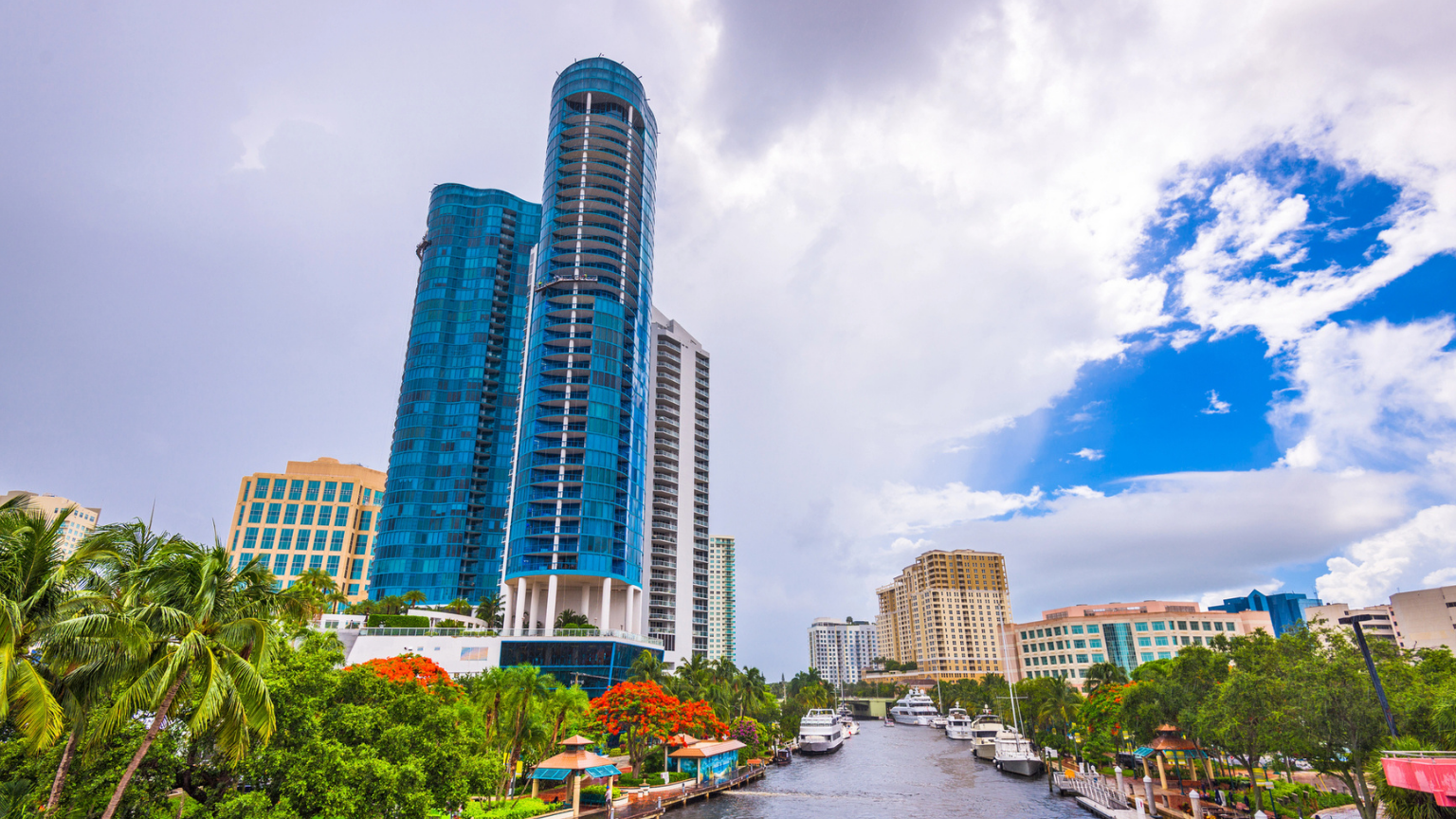
Fort Lauderdale and Wilton Manors, Florida

Fort Lauderdale and Wilton Manors offer dense, walkable blocks with strong community services. The Brightline train and local buses connect to regional jobs without freeway stress. Parks and canals are daily backdrops for runs and paddles. Healthcare access is broad and clinics are close to residential areas. Food and nightlife range from casual to polished while staying neighborhood centered. The civic tone is welcoming and engaged.
Portland, Maine

Portland, Maine delivers a compact peninsula city with serious food and a working waterfront. The Old Port and West End are walkable and full of daily essentials. Ferries, buses, and bike lanes make car light life realistic. Healthcare is excellent for a small city and hospitals are centrally located. Winters are real, but plowing and sidewalk care keep routines intact. Weekends revolve around trails, islands, and markets loaded with local produce and seafood.
New Haven, Connecticut

New Haven balances a collegiate pulse with neighborhoods that function well day to day. East Rock and Wooster Square provide walkability, parks, and great pizza within a few blocks. Trains to New York and Hartford broaden job options. Libraries, museums, and clinics are easy to reach without a car. Farmers markets and small groceries support a fresh food routine. The civic culture is active, inclusive, and focused on public spaces.
Jersey City and Hoboken, New Jersey

Jersey City and Hoboken deliver dense, transit first living with PATH trains and ferries to Manhattan. Neighborhood high streets carry groceries, clinics, and schools within a short walk. Parks and waterfront promenades are busy from dawn to dusk. Housing spans brownstones, condos, and family sized rentals. Community events and libraries are well used and well funded. You get urban energy with a smaller city feel.
This article was written by Hunter and edited with AI Assistance