

“Overpriced” is not just about high rent. It is about how far a paycheck stretches after housing, utilities, groceries, transportation, taxes, insurance, and the little costs that stack up. For this list, I looked at rent-to-income ratios, typical home prices relative to local wages, average hotel and restaurant tabs, commuter costs, insurance premiums, and common add-ons like parking, HOA dues, and resort fees. I also weighed volatility from tourism demand, short-term rental pressure, and the cost of services like childcare and pet care. These cities deliver great amenities, but they make you pay for them. If you are considering a move, use these notes to test your monthly stack before you sign a lease.
New York, New York

New York dazzles, but the rent-to-income squeeze is relentless. Even far from Midtown, one-bedroom prices and broker fees chew through savings. Groceries and takeout run high, and tipping culture pushes meal costs past your mental budget. Commuting by subway is affordable, yet many buildings add pet rent, amenity fees, and steep application charges. Car owners face street cleaning roulette, pricey garages, and soaring insurance. You get world-class everything, but you will pay world-class premiums for every convenience.
San Francisco, California

San Francisco’s housing market remains unforgiving relative to median salaries outside tech. Older rent-controlled units are rare, and newer buildings add amenity and parking fees that balloon monthly costs. Groceries, coffee, and services carry a noticeable premium, and car insurance stays high. Childcare and dog care can rival a second rent. Transit covers the core, yet many neighborhoods still require rideshares, which adds up. The payoff is access to jobs and nature, but the basic cost of living is among the nation’s steepest.
San Jose, California

San Jose’s price-to-income ratio stays stretched even with strong paychecks. Townhomes and condos come with HOA dues that can rival utilities. Family costs are heavy, from daycare to youth activities and sports leagues. Restaurant checks are routinely higher than nearby suburbs, and parking adds another line item. Auto insurance, gas, and long commutes push transportation into budget-busting territory. You gain sunshine and jobs, but every category feels marked up.
Los Angeles, California

Los Angeles blends dream weather with everyday sticker shock. Rents climb fastest in walkable pockets, and parking is rarely included, so garages and permits pile on. The sprawl nudges you into car ownership, and insurance, gas, and maintenance inflate the monthly stack. Dining is excellent, yet service fees and 18 percent default tips push totals higher. Utilities surge during heat waves, and many buildings pass along garbage or pest fees. You can live a great life here, but you need relentless budget discipline.
Miami, Florida

Miami’s boom keeps rents elevated, especially near transit and the water. Insurance for homeowners and renters has jumped, and some buildings require large association reserves that show up in dues. Dining and nightlife are premium priced, with automatic service fees now common. Rideshares surge during events and storms, and parking costs spike in beach districts. Short-term rental pressure keeps hotel rates high for visiting friends and family. Sunshine is free, yet everything else is not.
Honolulu, Hawaii

Paradise pricing is real in Honolulu. Housing costs are steep and space is scarce, so storage, parking, and pet fees are routine. Groceries and household goods ship in, which lifts prices across the board. Electricity rates are among the highest, and cooling even a small apartment adds up. Restaurants are memorable but rarely cheap, and resort areas push prices higher. The ocean is priceless, yet a modest lifestyle still demands a generous budget.
Boston, Massachusetts

Boston mixes elite universities with elite pricing. Rent and condo fees are high, and parking is either impossible or very expensive. Heating costs in winter bump utilities, while older buildings can be drafty and inefficient. Transit is useful but aging, and many residents still rely on rideshares and commuter rail. Childcare is tough to find and priced accordingly. It is a brilliant city to learn and work, but the monthly outlay can stun newcomers.
Washington, DC

DC salaries look strong, but rent-to-income math still runs hot in popular neighborhoods. Newer buildings layer on package fees, pet rent, and amenity charges. Dining and groceries trend expensive, and service fees are standard at many restaurants. Commuter costs vary wildly if you mix Metro, rideshares, and parking. Childcare waitlists encourage pricier private options. The city’s walkability and museums are a dream, though your budget will feel the grind.
Seattle, Washington

Seattle’s tech wages mask a high baseline for everyone else. Rents stay sticky even in shoulder neighborhoods, and parking pushes totals higher. Groceries, coffee, and utilities reflect a premium coastal market. Childcare is competitive and costly, and pet care services are not far behind. Rainy months increase rideshare use, and insurance runs high for many drivers. The nature access is exceptional, but the monthly stack remains unforgiving.
San Diego, California

San Diego charges for the sunshine in rent, HOA dues, and insurance. Beach and trolley-adjacent areas command a premium, with parking and pet fees common. Utilities spike in summer heat, and water rates nudge higher for lawns or gardens. Dining is excellent but carries resort-town pricing in popular districts. Hotel rates for visiting family are rarely cheap, which affects holiday plans. It is easy living, just not cheap living.
Oakland, California

Oakland’s rents are lower than San Francisco’s, but not low enough to offset regional prices. Parking and insurance costs can surprise newcomers who expected relief. Groceries, daycare, and services mirror Bay Area premiums. Many buildings pass along garbage, pest, and amenity fees that raise effective rent. Commutes to the Peninsula add time and tolls. Culture and weather are fantastic, while the budget remains tight.
Austin, Texas

Austin’s surge left prices well ahead of many local salaries. Rent premiums persist around the core and near greenbelts, and parking is not always included. Utilities climb in summer, and internet plus amenity fees inflate effective monthly costs. Restaurant checks climbed quickly during the boom and never really came back down. Event surges raise rideshare prices and hotel rates for visiting friends. Live music is plentiful, but you pay touring-city prices for day-to-day life.
Denver, Colorado

Denver remains popular, and the housing market shows it. Rents stay high near transit and parks, with HOA dues common even for small condos. Utilities rise with heat or cold snaps, and car insurance and parking are pricier than many expect. Dining out feels closer to coastal pricing now, and weekend ski trips add real costs. Pet rent and deposits are standard in many buildings. It is easy to be outdoorsy here, just not inexpensive.
Scottsdale, Arizona

Scottsdale leans luxury, and prices follow suit. Rents and mortgage payments are high relative to nearby Phoenix, especially near the trailheads. Resort fees make staycations costly, and restaurant bills include surcharges that add up. Summer heat pushes electricity usage skyward, and water bills follow. Short-term rental demand keeps prices firm in tourist seasons. The result is a polished lifestyle with a premium price tag.
Nashville, Tennessee

Nashville’s popularity pushed housing costs beyond pre-boom wages. Central neighborhoods command coastal-level rents, with parking and pet fees stacked on top. Tourism drives higher restaurant prices and weekend surge pricing for rideshares. Short-term rentals constrain supply and keep hotel rates high for visitors. Utilities and internet are not cheap for older homes with less insulation. Music City is fun, but living costs reflect its fame.
Portland, Oregon

Portland pairs strong amenities with a rising cost base. Rents remain elevated in walkable districts, and parking is not guaranteed. Groceries and dining have crept up, and service fees are now common. Utilities swing with heat waves and cold snaps, and older homes can be costly to weatherize. Childcare spots are scarce and costly. The city’s parks and food scene are stellar, but the monthly math is tight.
Boulder, Colorado

Boulder’s housing scarcity drives some of the country’s highest rent-to-income ratios. Even small condos carry hefty HOA dues, and single-family homes are out of reach for many. Restaurant and grocery prices track with a boutique mountain market. Utilities are manageable, yet parking, pet care, and outdoor gear costs climb fast. Tourists keep weekend prices high for everything from coffee to hotel rooms. Trails are free, but access to them costs more than in comparable towns.
Park City, Utah

Park City is a resort town through and through, which means resort pricing year round. Seasonal surges inflate grocery and dining costs, and service fees are standard. Rentals command high premiums near lifts and trails, and even shoulder-season rates feel steep. HOA dues and special assessments can be frequent in mountain buildings. Utilities spike during winter, and parking adds up around the core. It is an enviable lifestyle if your budget can handle the lift tickets and the rent.
Jackson, Wyoming

Jackson’s beauty comes with a limited housing supply and sky-high demand. Long waitlists and premium rents define many neighborhoods. Groceries and services cost more because of distance and seasonality. HOA and resort-adjacent fees raise the baseline for owners. Hospitality surges push dining and rideshare prices higher on weekends. Living close to the Tetons is magical, yet it remains one of America’s most expensive small towns.
Key West, Florida

Island living in Key West means imports and premium pricing. Rentals are scarce and small, with pet and parking fees common. Groceries, electricity, and water are more expensive than mainland norms. Restaurant checks run high, and service surcharges are routine in tourist zones. Hotel prices for visiting friends are steep year round. You get ocean breezes and sunsets on repeat, but a tight budget will feel stressed.
Naples, Florida

Naples markets a luxury lifestyle and bills accordingly. Rents and mortgages are high, and HOA dues can be substantial in gated communities. Dining prices skew upscale, and service fees are common in season. Insurance and storm hardening add hidden costs to ownership. Parking in prime areas is scarce and pricey. Beach days are wonderful, but the monthly outlay is anything but casual.
Aspen, Colorado

Aspen is the definition of a high-cost mountain market. Rentals are limited and expensive, and seasonal workers compete for space. Groceries, dining, and entertainment follow luxury pricing. HOA dues, assessments, and parking pass fees are normal around the core. Winter utilities and gear costs hit hard. The scenery is unmatched, and so are the bills.
Vail, Colorado

Vail’s resort economy sets a permanent premium on everyday life. Housing costs are high, including small condos with significant dues. Restaurant checks mirror vacation-town expectations, and service charges are standard. Parking is a constant line item, even for locals. Utilities rise in winter, and seasonal surges raise prices across the board. Great skiing, expensive everything else.
Santa Barbara, California

Santa Barbara’s coastal charm comes with a steep entry fee. Rents are high across the board, and parking is seldom included. Dining and groceries are premium priced, especially near the waterfront. Utilities rise with summer heat, and water rates require careful use. Hotel prices for visiting family never really dip. It is a dream address, just not a bargain one.
Santa Monica, California

Santa Monica layers beach-town perks onto big-city pricing. Apartments near transit and the promenade command significant rent, plus parking and pet fees. Restaurant checks run high, with service charges standard in many spots. Utilities and internet are not cheap, and older buildings add maintenance frustrations. Visitors keep hotel prices elevated for guest stays. You can live car-light, but you will not live low-cost.
Berkeley, California

Berkeley’s mix of campus energy and boutique neighborhoods keeps rents elevated. Older homes require upgrades that show up in utility bills. Groceries and restaurants come with Bay Area premiums. Parking and insurance costs surprise many transplants. Childcare and pet care are scarce and expensive. The intellectual life is vibrant, but your budget will feel the strain.
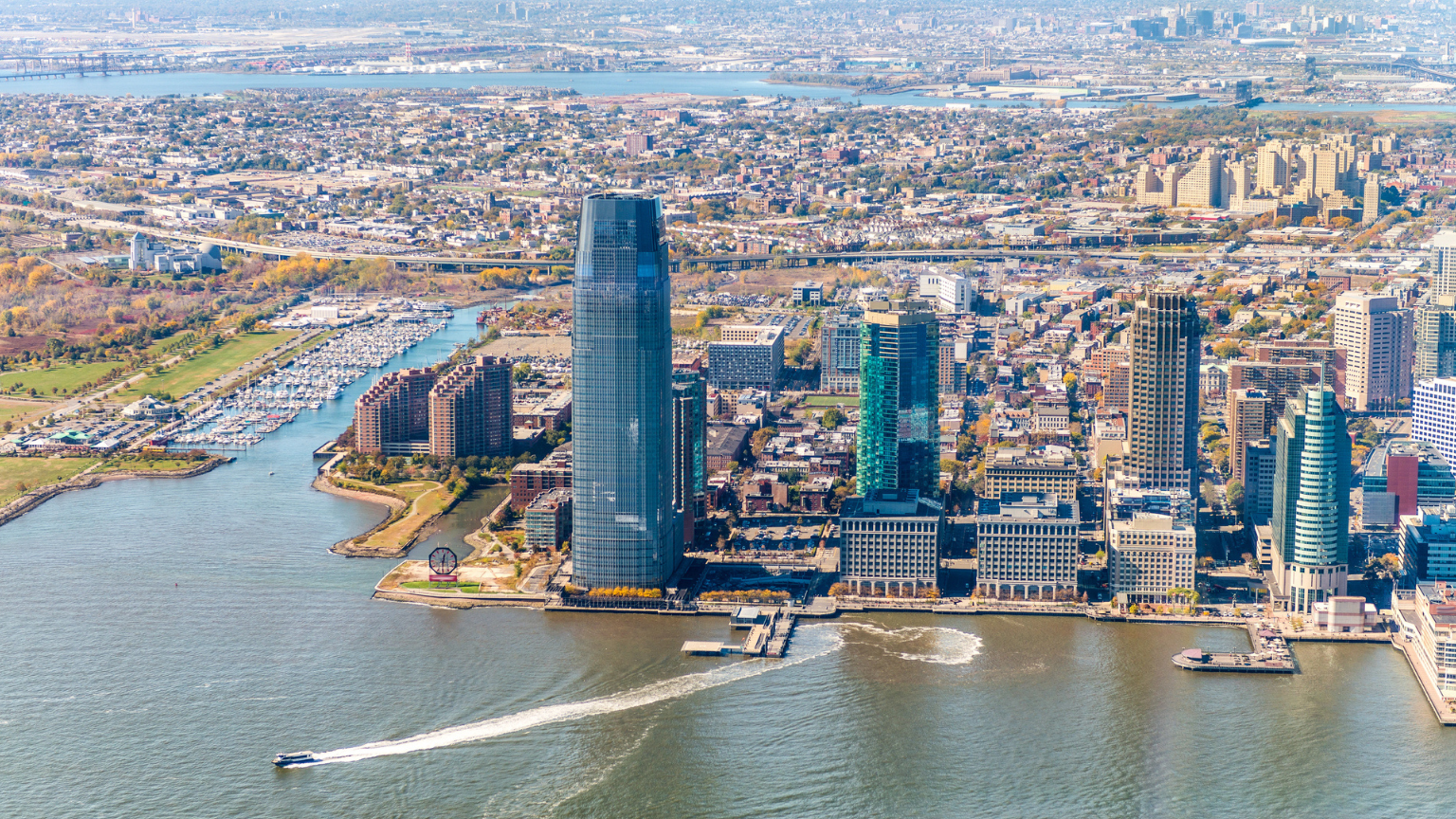
Jersey City, New Jersey

Jersey City offers Manhattan access at a discount that is shrinking fast. Rents in PATH-adjacent buildings are high, with amenity and package fees common. Groceries and dining track New York prices more than New Jersey norms. Parking is limited and runs expensive if you need a car. Property taxes and HOA dues can be hefty for owners. The skyline views are spectacular, and the monthly bills reflect them.
Charleston, South Carolina

Charleston’s popularity pushed rents and restaurant prices well past regional averages. Historic charm means older buildings with higher utility costs and occasional maintenance surprises. Tourism keeps hotel rates high for visiting family and friends. Parking in the core is limited and pricey. Insurance costs have trended upward across coastal South Carolina. It is lovely to stroll, but it is not light on the wallet.
Palo Alto, California

Palo Alto represents the high-water mark for housing costs relative to space. Even modest homes carry staggering price tags, and condos still face strong HOA dues. Dining, services, and childcare mirror tech-market wages. Parking, insurance, and basic errands add a quiet premium. The upside is world-class schools and parks. The downside is that almost nothing here is priced for the median household.
Cambridge, Massachusetts

Cambridge blends academic excellence with a persistent affordability gap. Rents stay high near transit and campuses, and parking is scarce. Groceries and dining trend expensive, with service charges now common. Heating costs add winter pressure to budgets. Childcare and after-school programs face heavy demand and high prices. It is an inspiring place to live, but you will budget like a New Yorker.
This article was written by Hunter and edited with AI Assistance