

Quality of life is not a vibe. It is the sum of dozens of small wins that you can measure, like shorter commutes, safer streets, cleaner air, more park space, calmer housing costs, and reliable buses that actually show up. For this list, I looked at 2025 improvements across a practical scorecard: housing supply growth and rent stabilization, new miles of bikeways and trails, transit frequency upgrades, park and library investments, small-business openings, healthcare access points, and year-over-year shifts in jobs and wages. The cities below posted noticeable gains across several of those categories at once, not just one headline project. Read each mini-profile as a quick pulse check you can use to plan a move, negotiate a remote-work setup, or just pick your next scouting weekend.
Austin, Texas

Austin spent 2025 adding housing faster than in recent years, which helped cool rent spikes in several central neighborhoods. Transit frequency increased on core routes, making car-light living easier near the MetroRapid corridors. The city extended shade and heat-mitigation projects at busy bus stops, a small change that makes summer commuting far more humane. You can feel the difference on the trail network too, with fresh connections that link east-side neighborhoods to the river. New urgent-care and primary-care clinics improved access on the south and north ends of town. Add in a steady job market and you get a year where the basics became more predictable.
Tampa, Florida

Tampa leaned into pragmatic wins, from synchronized signals on key arterials to added water-taxi and ferry runs that eased pressure downtown. Housing starts ticked up and rent growth flattened in several districts, which took stress off first-time renters. The Riverwalk expanded with new pocket parks, so more neighborhoods have a shaded place to unwind. Bus headways improved on weekend routes serving the airport and beaches, which cut rideshare bills. Street lighting upgrades in residential zones made night walks feel safer. The result was a city that simply functioned better week to week.
Raleigh, North Carolina

Raleigh’s 2025 felt organized. Frequent bus service expanded along the New Bern and Capital corridors, and bike-lane gaps closed around key schools. Starter-home inventory improved on the fringes, which slowed the annual rent climb. Parks added shade structures and water access points, and library branches extended evening hours. Tech and life-sciences kept hiring, so wages held up for young professionals. Quality-of-life gains showed up as shorter trips, cooler walks, and fewer housing search headaches.
Columbus, Ohio

Columbus tuned the daily details that matter. Bus reliability improved on CMAX and major east-west lines, and the trail network gained new links that make grocery runs possible by bike. Housing approvals rose, particularly for infill townhomes and small apartments, which eased competition in popular areas. The city invested in tree-canopy and stormwater upgrades that reduced heat and flooding on older streets. Public-safety outreach and lighting projects helped cut late-night problem spots. It was a year of many small moves that collectively made life smoother.
Kansas City, Missouri

Kansas City’s streetcar extension energized new blocks with walkable amenities and ground-floor retail. Entry-level listings increased and rent growth slowed, giving first-timers more breathing room. Bus frequency improved on north-south spines, making crosstown commutes reliable without a car. Pocket parks and splash pads opened in several neighborhoods, which families noticed immediately in summer. Restaurant and small-business openings outpaced closures, keeping the core lively at night. You felt the gains in your calendar and your budget.
Pittsburgh, Pennsylvania

Pittsburgh kept pushing practical upgrades. The busways ran more reliably with better real-time info, and protected bike lanes connected several missing links into the Bluff and Strip District. Housing rehab grants and energy-efficiency incentives helped older homes run cooler and cheaper. Riverfront trails added lighting and seating, extending their usability into fall nights. Job growth in tech and healthcare offset softness in other sectors, keeping wages steady. The city’s small but steady changes made everyday life more comfortable.
Milwaukee, Wisconsin

Milwaukee delivered measurable wins on affordability and access. Rent growth cooled near the core while new duplex and small-apartment projects added real options for renters. The Hop streetcar extended hours and frequency, and buses improved late-evening coverage on key routes. Lakefront and river trails saw resurfacing and better wayfinding, which drew daily riders beyond weekend crowds. Neighborhood clinics and mental-health access points expanded, shrinking wait times. Together, those shifts translated into calmer commutes and lower monthly surprises.
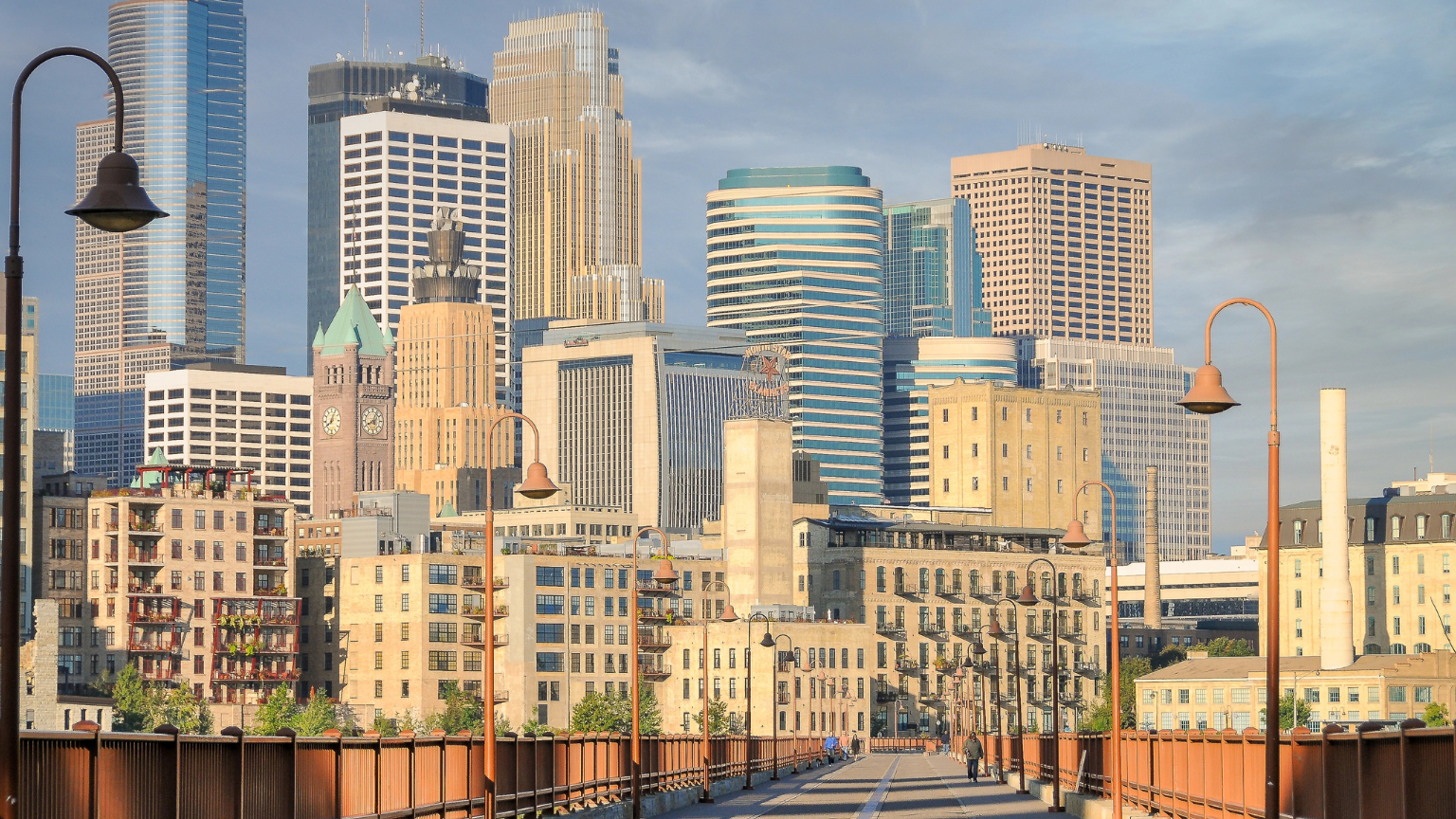
Minneapolis, Minnesota

Minneapolis focused on safety and mobility. Protected intersections and fresh bikeway miles made school-day travel easier, and bus priority lanes cut travel time on busy corridors. Housing supply increased through accessory-dwelling and small-plex projects, tempering rent pressure. Rec centers and libraries extended hours, keeping youth programs busy through winter. Parks added shade and water features that helped during summer heat waves. The city felt more navigable and more family-friendly in daily practice.
Denver, Colorado

Denver posted quality-of-life gains where it counts: reliability and access. Bus and light-rail operations stabilized with better headways on commuter corridors, and new bike connections stitched neighborhoods to stations. Housing approvals accelerated in several station-area districts, which eased rent competition. Cooling centers, splash pads, and shade projects expanded in parks that lacked them, improving resilience during heat. Trail and greenway repairs made daily bike commutes smoother. As a package, it meant fewer delays and more affordable choices.
Omaha, Nebraska

Omaha’s 2025 was quietly excellent. The ORBT corridor saw frequency and stop-amenity upgrades that made bus use feel simple. Permit reforms nudged more entry-level housing into the pipeline, and rents steadied in older neighborhoods. Parks gained lighting, restrooms, and resurfaced paths, boosting evening use. Healthcare access widened with new urgent-care nodes and pharmacy hours. Commutes stayed short and predictable, which is its own quality-of-life dividend.
Greenville, South Carolina

Greenville kept building on momentum with trail extensions that reached more neighborhoods and schools. Mixed-income housing approvals rose, helping to stabilize rents near the core. Downtown streets added shade, trees, and crosswalk upgrades, which made summer errands easier on foot. Small-business openings in food and services outpaced closures, keeping everyday essentials close by. Weekend transit service improved enough to matter for service-sector workers. The net effect was a city that felt both busier and easier to use.
Boise, Idaho

Boise balanced growth with tangible livability gains. The greenbelt saw maintenance and wayfinding upgrades, and new pocket parks popped up in fast-growing areas. Transit frequency increased on the most-used routes, shortening waits in peak hours. Entry-level housing supply improved with townhome and small-lot projects, moderating rent increases. Heat-mitigation work added shade and cool-pavement pilots on popular blocks. Those low-drama improvements made day-to-day life more comfortable.
Richmond, Virginia

Richmond’s Bus Rapid Transit corridor expanded its usefulness with better headways and new feeder routes. Housing added in Northside and Southside softened rent pressure around the core. The city accelerated crosswalk and traffic-calming projects near schools, boosting walkability. James River Park System upgrades brought more lighting, seating, and access points to the water. Library branches and rec centers extended evening hours with busy programs. It was a year where the city worked a little better in every direction.
Albuquerque, New Mexico

Albuquerque invested in shade, trails, and safety—three things that matter in the desert. Bus priority on key corridors trimmed commute time, and bike boulevards gained fresh markings and traffic calming. Housing approvals ticked up, with attainable townhomes helping new buyers and renters alike. Parks received lighting and cooling amenities that extended their season. Primary-care and urgent-care access improved on both the west side and the International District. Those changes added up to cooler walks and shorter trips.
Jacksonville, Florida

Jacksonville’s quality-of-life story in 2025 was about reliability and access. The city added frequency on crosstown bus routes and improved weekend service to beach corridors. Housing starts increased, and several neighborhoods saw rent growth moderate. Riverwalk segments connected with better lighting and seating, drawing daily users beyond tourists. New clinics and expanded pharmacy hours filled gaps in healthcare access. With steadier commutes and more attainable housing, life simply got easier.
Charlotte, North Carolina

Charlotte’s 2025 gains showed up in everyday routines. The city increased bus frequency on key crosstown routes and expanded the Lynx network’s feeder service, which shortened door to door trips for many workers. Sidewalk and crosswalk upgrades along South Boulevard and Freedom Drive made walking safer, especially near schools. Housing approvals rose for townhomes and small apartments, easing rent pressure in several neighborhoods. The greenway system added new links that connect South End to neighborhoods without hugging busy arterials. Add steady job growth in banking and tech, and life felt more predictable and less commute heavy.
Durham, North Carolina

Durham leaned into practical fixes that residents felt immediately. Frequent bus service expanded on the Holloway and Fayetteville corridors, and stop amenities improved with shade and lighting. Missing links in the American Tobacco Trail were closed, giving more neighborhoods a safe bike route to downtown. The city permitted more accessory dwelling units and small multiplexes, which helped soften rents around Duke and the medical district. Library branches extended evening hours and added more youth programming, giving families reliable after school options. Put together, the changes made daily errands faster and evenings calmer.
Madison, Wisconsin

Madison had a quietly excellent year for quality of life. The city added more protected bike lanes downtown and closed several gaps leading to campus and the isthmus. Metro Transit improved headways on core routes and added accurate real time signage at busy stops. Starter home inventory ticked up in near east neighborhoods, and rent growth cooled slightly around student heavy areas. Lakeshore parks received lighting, restrooms, and shoreline repairs that extended their season. Winter plowing of bike paths stayed strong, which kept car free commutes viable in cold months.
St. Paul, Minnesota

St. Paul focused on safety, street design, and transit reliability. Protected intersections and traffic calming near schools showed measurable reductions in crashes. The city improved frequency on key bus lines that connect to the Green Line, shrinking wait times on transfers. Trail resurfacing along the Mississippi River corridor made year round cycling more comfortable. Housing approvals rose in neighborhood nodes, adding small apartments and keeping rents steadier. Recreation centers expanded programming and evening hours, giving kids and seniors more low cost options.
Portland, Maine

Portland paired coastal charm with tangible upgrades. Metro buses increased peak frequency on routes serving the peninsula and Back Cove, making car light living more practical. New crosswalks, curb ramps, and sidewalk repairs along Congress and Commercial improved accessibility. Housing approvals for small buildings and conversions climbed, helping moderate rent growth near the Old Port. The city invested in stormwater and coastal resilience projects that reduce flooding after heavy rain. Parks added shade and seating, turning quick lunch breaks into actual breaks.
Providence, Rhode Island

Providence translated plans into visible wins. Bike lanes downtown were connected into a more coherent network, and traffic calming around schools made walking safer. RIPTA improved evening frequencies on high demand routes, which cut rideshare costs for service workers. The city permitted gentle density in several neighborhoods, which helped slow rent increases. Riverfront parks saw lighting and pathway improvements that extended useful hours into the shoulder seasons. Small business openings outpaced closures, keeping daily amenities close to home.
Hartford, Connecticut

Hartford made practical strides that residents noticed. CTfastrak service reliability improved, and several bus stops now have better shelters, lighting, and real time information. The city resurfaced multi use trails and added wayfinding that finally links parks into an understandable loop. Housing rehab grants brought older homes up to efficient standards, reducing winter bills. Downtown saw a net gain in cafes and daily services, so quick errands no longer require a car. Public library branches extended hours, supporting students and job seekers after work.
Worcester, Massachusetts

Worcester’s quality of life improved through steady, unflashy work. Sidewalk repairs and new crosswalks downtown and near Clark University made walking smoother and safer. WRTA expanded evening service on busy lines, shrinking gaps after 7 p.m. Housing approvals rose for small multifamily buildings, which eased rent pressure near the core. Park upgrades added lighting, restrooms, and playground fixes that families used right away. The city’s arts and food scenes grew without overwhelming traffic, keeping nights lively and manageable.
Detroit, Michigan

Detroit’s 2025 was about reliability and access. DDOT improved on time performance and added shelters on major routes like Woodward and Gratiot. The Joe Louis Greenway added more segments, creating safe, car free links between neighborhoods. Housing rehab funds and weatherization programs lowered utility bills in older homes. Grocery access improved in several districts with new markets and extended hours. Job growth in mobility and advanced manufacturing kept wages steady, and commute times remained short for most workers.
Phoenix, Arizona

Phoenix tackled heat and movement in equal measure. Dozens of bus stops gained shade canopies, benches, and lighting, which dramatically improved midday comfort. The city filled key bike network gaps and added traffic calming near schools on the west side. Housing permits for missing middle projects increased near light rail, which helped moderate rent growth around stations. New cooling centers, splash pads, and tree planting projects expanded in neighborhoods with limited shade. Together, those changes made summers feel survivable and transit more attractive.
Mesa, Arizona

Mesa turned plans into daily gains. Light rail frequency and first mile connections improved near the Asian District and downtown Mesa, which cut transfer times. The city permitted more townhomes and courtyard apartments, boosting options for renters and first time buyers. Park upgrades brought shade structures, water features, and resurfaced courts that stayed busy after work. Street lighting projects reduced nighttime problem areas, improving perceived safety. The result was a more connected city where errands took less time and heat relief was easier to find.
Salt Lake City, Utah

Salt Lake City posted across the board improvements. UTA increased frequency on high ridership bus routes and stabilized TRAX headways, trimming commute uncertainty. New protected bike lanes linked the west side into downtown more safely. Housing supply expanded around stations with mid rise apartments and townhomes that moderated rent growth. Shade trees and cool pavement pilots showed up on busy corridors, improving summer comfort. Trails to the foothills received wayfinding and maintenance that made before work hikes realistic.
Reno, Nevada

Reno focused on movement, housing, and parks. RTC buses ran more predictably with improved evening headways on major routes. The Truckee River path saw resurfacing, lighting, and wayfinding, pulling everyday riders beyond weekends. Starter level townhomes and small apartment approvals ticked up, easing rent pressure near Midtown. New shade projects and spray features in parks made summer afternoons bearable. Healthcare access expanded with new urgent care locations that reduced wait times.
Spokane, Washington

Spokane delivered PNW living with better links. STA improved core route frequency and added shelters with real time info, which cut transfer stress. Garland and Shadle neighborhoods gained refreshed crosswalks and traffic calming, helping kids walk to school. The Centennial Trail received maintenance that smoothed daily rides and expanded lighting near busy segments. Housing approvals for small infill projects rose, which helped stabilize rents near the core. Downtown added more everyday services, so errands happen on foot more often.
Virginia Beach, Virginia

Virginia Beach turned small upgrades into real gains. HRT boosted bus frequency on resort and commuter corridors and extended weekend hours, reducing car reliance. Multi use paths connected more neighborhoods to the oceanfront without mixing with fast traffic. Flood mitigation and drainage projects reduced nuisance flooding after summer storms. Housing supply grew modestly with townhomes and small apartments near employment centers, moderating rent growth. Parks added lighting and restrooms that made evening visits comfortable, so families used them longer.
This article was written by Hunter and edited with AI Assistance