

When it comes to architectural beauty, government buildings aren't usually the first structures that pop into mind. However, scattered across the globe are stunning halls of power and justice that not only play pivotal roles in their countries' governance but also stand as masterpieces of design. These buildings prove that function and form can go hand in hand, offering a unique blend of history, art, and architecture. Here are 20 of the most beautiful government buildings around the world that welcome visitors for a tour.
1. The White House (The world's most famous address)

The White House is not just an iconic symbol of the USA's presidency but also a masterpiece of neoclassical architecture. Beyond its political significance, this building stuns visitors with its elegant state rooms, lush gardens, and rich history. Tours are available but require advance planning, as requests need to be submitted through one's Member of Congress. Inside, guests can explore the East, Blue, Green, and Red Rooms, each decorated with intricate details and historical artifacts. It's a chance to walk through the corridors of power and peek into the life of the President.
2. The Palace of Westminster (Home to the iconic Big Ben)

Nestled on the banks of the River Thames, the Palace of Westminster is not only the heart of British politics but also a breathtaking example of Gothic Revival architecture. Tours offer a deep dive into the UK's political history, including a visit to the legendary House of Lords and House of Commons. The building's most famous feature, Big Ben, is part of the Elizabeth Tower, which recently reopened for tours. Visitors can marvel at the intricate stonework, stunning stained glass windows, and the famous Westminster Hall, where numerous historical figures have lain in state. It's a unique opportunity to experience the vibrancy of British democracy in action.
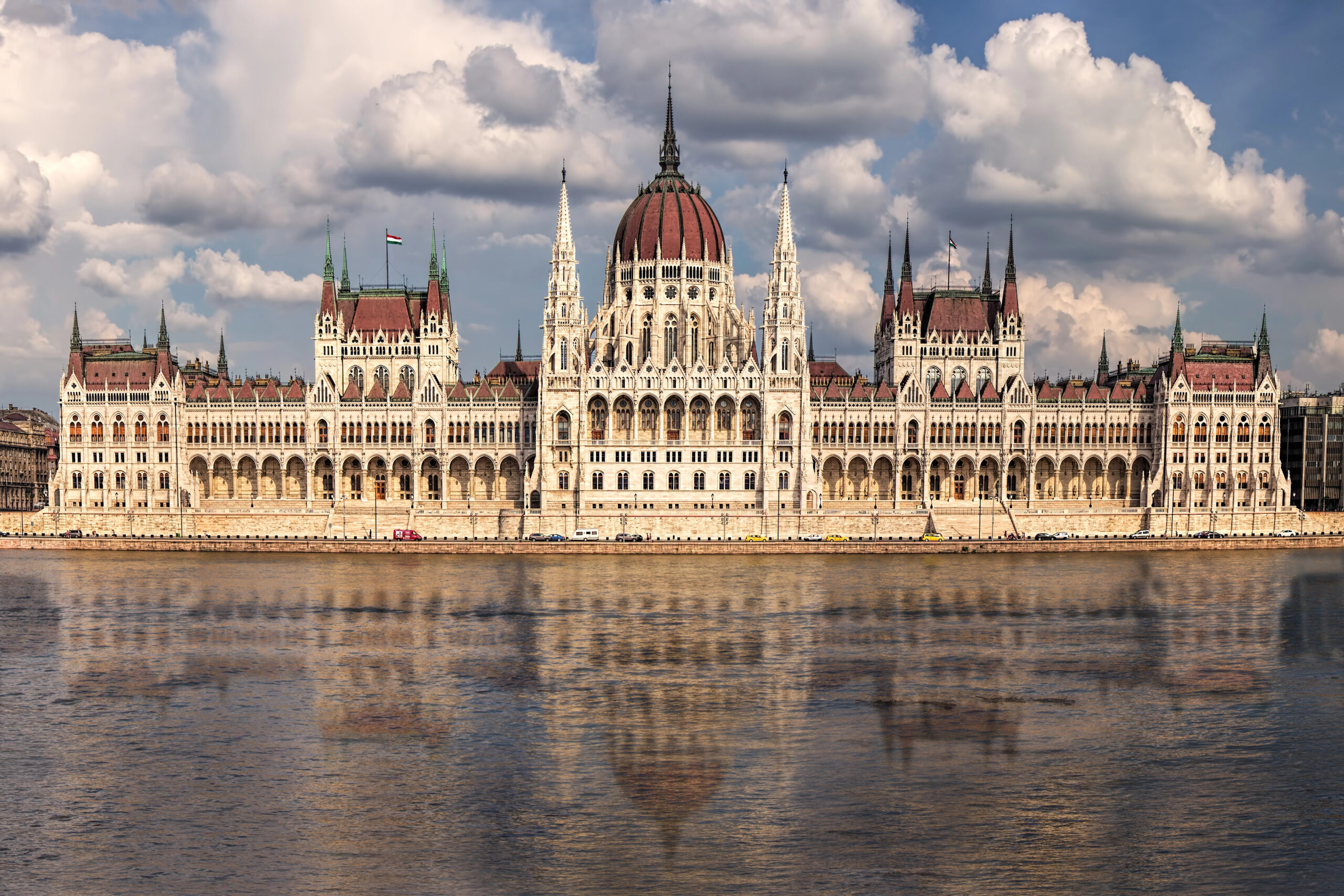
3. The Hungarian Parliament Building (A Gothic Revival marvel on the Danube)

Sitting majestically on the banks of the Danube, the Hungarian Parliament Building is a standout in Budapest's skyline. As the largest building in Hungary and the tallest in Budapest, it commands attention with its symmetrical facade and central dome. Tours of this architectural wonder allow visitors to explore its lavishly decorated interior, including the Holy Crown of Hungary. The building's intricate design, from the detailed frescoes to the grand staircases, showcases the craftsmanship of the era. It's a spellbinding experience that offers a glimpse into Hungary's legislative process and royal history.
4. The Kremlin (Russia's ancient fortress)

The Kremlin, with its distinctive red-brick walls and towers, stands as a powerful symbol of Russia's past and present. Within its walls lie ancient palaces, cathedrals, and the modern residence of the President. Visitors can tour the Armoury Chamber, home to a vast collection of royal artifacts, including Fabergé eggs and ancient state regalia. The complex also offers stunning views of Red Square and the surrounding city. A visit to the Kremlin is a journey through the heart of Russian history, offering insights into the country's rich cultural and political heritage.
5. The Capitol Building (The epicenter of U.S. democracy)

Standing majestically atop Capitol Hill, the U.S. Capitol Building is a symbol of the American people and their government. Tours of this iconic structure provide a closer look at the nation's legislative chambers, where history is made. The building's impressive dome, adorned with the famous Statue of Freedom, offers a breathtaking sight. Inside, the National Statuary Hall and the Rotunda, with its magnificent fresco "The Apotheosis of Washington," captivate visitors. It's an inspiring visit that brings the principles of democracy to life.
6. The Royal Palace of Madrid (Europe's largest functioning royal palace)

The Royal Palace of Madrid, with its 3,418 rooms, is not only a marvel of Baroque architecture but also the official residence of the Spanish Royal Family. While the royal family chooses to reside in a more modest palace, this grand building remains a key site for state ceremonies. Visitors can explore its lavish halls, opulent apartments, and the stunning Hall of Mirrors, showcasing the palace's luxurious decor and priceless artworks. The palace also houses an exceptional collection of Stradivarius instruments, among the finest in the world. It's a glimpse into the splendor of Spanish royalty and the nation's rich cultural heritage.
7. The Peace Palace (The seat of international law in The Hague)

Standing as a symbol of peace and justice, The Peace Palace in The Hague houses the International Court of Justice and the Permanent Court of Arbitration. Its architecture is a mix of Neo-Renaissance and other classical styles, making it a visually stunning building. Visitors can explore the lush gardens, the impressive Great Hall of Justice, and various gifts from countries around the world, including a striking clock from Switzerland. The building's library is one of the most prestigious international law libraries in the world. It's a rare opportunity to see the inner workings of international law and the pursuit of global peace.
8. The Parliament House of Australia (A blend of modern and ancient architectural designs)

The Parliament House in Canberra is a striking example of modern architecture, seamlessly blending with the landscape. Designed to symbolize the meeting of ancient Australian culture and democratic governance, its most distinctive feature is the grass-covered roof, accessible to the public. Inside, the building is equally impressive, with its vast collection of Australian art and the grand Marble Foyer. Tours allow visitors to witness democracy in action in the House of Representatives and the Senate chambers. It's a unique combination of art, nature, and politics, offering a comprehensive view of Australia's heart of government.
9. The National Palace of Sintra (A thousand years of Portuguese history)

The National Palace of Sintra, with its iconic twin chimneys, is a testament to Portugal's rich architectural and historical heritage. This Moorish and Manueline marvel has been a residence for Portuguese royalty for centuries, offering visitors a glimpse into a royal past. The interior is adorned with stunning azulejos (traditional Portuguese tiles), ornate ceilings, and period furniture. The Swan Room and the Magpie Room are particularly notable for their unique decorations and historical significance. A tour of this palace is a journey through time, revealing the layers of Portuguese culture and history.
10. The Federal Palace of Switzerland (A symbol of Swiss unity)

In the heart of Bern, the Federal Palace shines as a beacon of Swiss governance and unity. This grand building, with its imposing dome and facade adorned with the coats of arms of Switzerland's cantons, represents the federal nature of the Swiss Confederation. Inside, visitors can marvel at the artful stained glass windows that illuminate the Federal Assembly and Council chambers. Tours offer insights into Switzerland's political processes and the significance of direct democracy. It's a captivating visit that highlights the elegance of Swiss architecture and the country's commitment to consensus and cooperation.
11. The National Congress of Brazil (A masterpiece of modernist architecture)

The National Congress of Brazil, designed by Oscar Niemeyer, is a striking example of modernist architecture that breaks the mold of traditional government buildings. Located in Brasília, this building is known for its unique design, featuring two vertical towers flanked by two large domed assemblies. Visitors can tour the interiors, which are as avant-garde as the exterior, including the plenary chambers of both the Senate and the House of Representatives. The surrounding landscape, designed by Burle Marx, complements the architectural beauty of the complex. It's a fascinating look at Brazil's legislative process and a testament to the country's innovative spirit.
12. The Tokyo Metropolitan Government Building (A glimpse into the future)

Designed by Kenzo Tange, the Tokyo Metropolitan Government Building is often referred to as the Tokyo City Hall and stands as a symbol of Tokyo's modernity and efficiency. With its futuristic design, it offers a stark contrast to the traditional government buildings found elsewhere. Visitors can ascend to the observation decks for panoramic views of Tokyo and, on clear days, Mount Fuji. The building houses Tokyo's government and administrative functions, but its design and public access areas make it a tourist attraction in its own right. It's an architectural marvel that provides a window into the future of urban governance.
13. The Reichstag Building (Germany's historic parliament)

The Reichstag Building in Berlin is not only a key site for German politics but also a symbol of the country's turbulent history and its commitment to transparency and democracy. The glass dome atop the building, designed by Norman Foster, offers stunning views of the city and is open to the public, symbolizing government transparency. Visitors can explore the dome and the rooftop terrace, and with advance registration, observe parliamentary sessions. The building's restoration and the integration of the modern dome have been praised worldwide. It's a powerful reminder of Germany's past and its future, making it a must-visit for those interested in history and architecture.
14. The Royal Palace of Amsterdam (A royal residence turned public masterpiece)

Originally built as a city hall, the Royal Palace of Amsterdam now serves as one of the three residences of the Dutch Royal Family. Its classical architecture and central location in Dam Square make it a focal point of the city. The palace is open to the public when not in use for royal events, allowing visitors to explore its lavish rooms and halls adorned with classical paintings and sculptures. The building's history as a city hall and a royal palace offers a unique narrative of Dutch governance and culture. It's an architectural gem that bridges the gap between the past and the present.
15. The Banqueting House (The last remnant of Whitehall Palace)

The Banqueting House in London is the only surviving section of the once grand Whitehall Palace, destroyed by fire in the 17th century. Known for its stunning ceiling painted by Peter Paul Rubens, this building is a masterpiece of English architecture. It played a significant role in English history, notably as the site of King Charles I's execution. Today, it serves as a museum and a venue for state occasions and public events. A visit here offers a deep dive into the art and political history of England, wrapped up in the beauty of its architectural design.
16. The Elysée Palace (The heart of French political power)

The Elysée Palace, the official residence of the President of France, stands as a symbol of French elegance and political power. Its classical architecture and beautifully maintained gardens are a testament to the nation's taste for refinement and beauty. Though access is restricted, the palace opens its doors to the public once a year during the European Heritage Days, offering a rare glimpse into the opulent interiors. Visitors can explore the lavish reception rooms, presidential offices, and the famous Hall of Mirrors, where significant political decisions have been made. It's a unique opportunity to step inside one of the world's most secretive political headquarters.
17. The Presidential Office Building (Taiwan's historic heart of government)

In the heart of Taipei stands the Presidential Office Building, a symbol of Taiwan's history and governmental authority. Built during the Japanese colonial era, its Renaissance-style architecture makes it a distinctive landmark. The building has survived bombings during World War II and now serves as the office of the President of Taiwan. Public tours are available, allowing visitors to learn about Taiwan's political history and observe the intricate details of its design. It's a significant site that provides insights into the island's complex past and its present-day governance.
18. The Houses of Parliament of South Africa (A fusion of British colonial and African architecture)

The Houses of Parliament in Cape Town, South Africa, stand as a testament to the country's complex history and its journey towards democracy. The architecture is a mix of British colonial influences and African motifs, reflecting the diverse heritage of the nation. Visitors can tour the buildings, including the National Assembly and the Council of Provinces, and witness democracy in action. The complex also hosts an impressive art collection, highlighting South African artists and historical events. It's a fascinating place where the architectural beauty and the political history of South Africa converge.
19. The Supreme Court of the United Kingdom (A modern temple of justice)

Located opposite the Houses of Parliament, the Supreme Court of the United Kingdom is the ultimate arbiter of legal disputes in the country. Its modern design stands in contrast to the traditional architecture of Westminster, symbolizing the evolution of the British legal system. The building is open to the public, offering tours that provide insights into the workings of the UK's highest court and its role in society. The courtrooms and the justices' library, filled with legal tomes, are particularly interesting. It's a unique opportunity to see the law in action in a setting that blends contemporary design with centuries-old traditions.
20. The Palacio de Bellas Artes (Mexico's cultural masterpiece)

The Palacio de Bellas Artes in Mexico City is not just a government building; it's a cultural landmark, hosting some of the most important music, dance, theatre, opera, and literature events in Mexico. The building's stunning Art Nouveau and Neoclassical facade is matched by an interior that combines Art Deco with traditional Mexican motifs. Visitors can admire murals by some of Mexico's greatest artists, including Diego Rivera and David Alfaro Siqueiros. The palace also houses the National Museum of Architecture, offering a comprehensive look at Mexico's architectural evolution. It's a celebration of Mexican culture and artistry, offering a unique blend of government function and cultural expression.
This article was written by a human and edited with AI Assistance