

Breathing easy changes everything about a trip. For this list, we looked at cities that pair clear skies with dependable tap water so you can plan park walks, patio dinners, and hotel refills without worry. We blended recent air quality results for ozone and particle pollution with practical signals about water management and everyday reliability to spotlight places that feel genuinely fresh. Each city earns its spot for more than a pretty skyline, from steady breezes and tree cover to strong utility reporting and source protection. Use this as a traveler friendly snapshot to find destinations where morning runs feel crisp, sunsets look sharper, and your water bottle stays simple. If clean living is part of your itinerary, these are the cities to put at the top of your map.
1) Honolulu, Hawaii

Honolulu continues to be a standout for clean ocean air, consistent trade winds, and relatively few high-ozone days in 2025. The metro appears among the cleanest for key air-quality indicators, a trend locals have enjoyed for years. Visitors notice the difference during morning runs and beach walks when visibility is razor sharp and the air feels light. On the water side, Oahu’s system benefits from lava-rock aquifers and robust treatment protocols that emphasize disinfection and monitoring. For travelers, this means fewer smog alerts and confidence in everyday tap use at hotels. Honolulu is a smart pick for fresh-air vacations with easy access to parks and coastlines.
2) Bangor, Maine

Bangor keeps logging clean-air results thanks to cool coastal airflow and lower traffic density than larger metros. In 2025, it shows up among the nation’s cleanest locations for ozone and short-term particles, which travelers will feel on crisp, clear days along the Penobscot. The region’s green spaces and riverside trails add to the impression of a city that breathes well. Tap water is generally straightforward for visitors, with utilities emphasizing compliance and seasonal reporting. Add in compact downtown streets and light congestion, and you get an easy-to-navigate base for day trips. It is a reliable pick when you want blue skies and low-haze views.
3) Burlington–South Burlington, Vermont

Burlington’s lakefront setting and active sustainability culture help it score well on 2025 air measures. The city benefits from prevailing winds off Lake Champlain and a strong biking and walking culture that keeps local emissions modest. Summer hikers can often see mountain ridgelines for miles, even on warm afternoons. Drinking-water management draws on protected source waters and routine compliance steps that keep consumer confidence high. For visitors, it translates to clear views from waterfront parks and refreshing tap refills between brewery stops. It is one of New England’s easiest cities for clean-air city breaks.
4) Kahului–Wailuku–Lahaina, Maui (Hawaii)

Maui’s trade-wind ventilation and distance from heavy industry keep ozone and particle readings favorable most of the year. The 2025 snapshot continues to place this metro among the cleanest locales in the country, particularly outside of occasional vog or wildfire smoke events. Resorts and beach towns frequently enjoy outstanding visibility and sea breezes. Local systems treat groundwater sources with an emphasis on disinfection and monitoring, giving travelers confidence for everyday use. Add mountain-to-ocean day trips without the smog, and you have a strong choice for fresh-air vacations. It is a top pick for hikers who want clear summit views and starry night skies.
5) Augusta–Richmond County, Georgia–South Carolina

Augusta posts excellent ozone numbers in the 2025 cycle, landing among the cleanest metros for air. Lower congestion and an expansive tree canopy help moderate warm-season smog, keeping most outdoor days comfortable. Golfers and walkers benefit from stable conditions and broad blue-sky spans. Water systems here emphasize compliance and reliable delivery, with routine testing and public reporting. Travelers can plan long outdoor days without constantly checking air alerts. It is a great base for clean-air Southern getaways.
6) Bellingham, Washington

Tucked between the Salish Sea and the Cascades, Bellingham benefits from frequent marine airflow that clears haze and balances summer heat. The 2025 results continue to place this corner of Washington among cleaner metros for ozone and short-term particle days. Clear mountain views and bright waterfront sunsets are common, even in peak season. Municipal systems emphasize source protection and consistent compliance steps, making everyday tap use straightforward for visitors. Hikers and kayakers will appreciate the low-smog backdrop to outdoor plans. It is a small city with big-sky clarity most of the year.
7) Asheville–Waynesville–Brevard, North Carolina

This Blue Ridge cluster shows some of the cleanest short-term particle results in 2025, with ozone kept in check by elevation and forested terrain. Views from the Parkway often stretch across multiple ridges without the white haze common farther south. Its tourism economy leans into outdoor life, which aligns with cleaner air metrics. Water systems serve a steady stream of visitors and breweries with an emphasis on treatment and monitoring. Travelers can expect scenic drives without smog-day surprises. It is an easy win for mountain air, brewery patios, and hiking.
8) Charlottesville, Virginia

Charlottesville benefits from gentle topography, strong tree cover, and a smaller industrial footprint that supports good 2025 air outcomes. Summer afternoons stay relatively clear, and fall football weekends enjoy crisp, low-haze skies. The compact downtown and university setting encourage walking, cutting back on short car trips. Drinking-water operations emphasize compliance and clear public reporting in line with federal guidance. For visitors, that means easy confidence in tap water and lots of outdoor dining days. It is a college town with mountain-fresh energy.
9) Johnson City–Kingsport–Bristol, Tennessee–Virginia

The Tri-Cities cluster has been trending cleaner on ozone and short-term particle days, putting it in the conversation for 2025’s better-breathing metros. Cooler nights and forested hills help dilute summer smog. The area’s greenway trails and parks feel especially inviting on clear mornings. Utilities prioritize routine monitoring and transparent reporting, aligning with Safe Drinking Water Act practices. Visitors appreciate the combination of airy views and reliable everyday tap use. It is an under-the-radar clean-air pick in Appalachia.
10) Gainesville–Lake City, Florida

Away from heavy coastal industry, Gainesville sees favorable air readings in 2025, with many blue-sky days and low smog alerts. Swamp and spring systems help moderate heat spikes while breezes move air through the basin. Outdoor festivals and campus life benefit from this stability. Drinking-water programs emphasize aquifer protection and year-round compliance checks. For travelers, that means easy hydration on hot days and clear morning skies for park walks. It is a reliable inland Florida base when you want cleaner air without beach crowds.
11) Grand Junction, Colorado

Dry air, wide valleys, and strong temperature swings help Grand Junction disperse pollutants, and 2025 results keep it among the cleaner Western metros. Clear canyon vistas and dark-sky nights are a regular perk for visitors. The area’s outdoor sports culture thrives on long, low-haze afternoons. Local utilities emphasize ongoing testing and distribution system maintenance in line with public health guidance. You can plan full days on the trails with minimal smog considerations. It is an excellent choice for clean-air desert scenery.
12) Greenville–Washington, North Carolina

This small metro stands out for favorable ozone readings and fewer short-term particle spikes in 2025. Coastal air masses and lower traffic density help maintain clear conditions through much of the warm season. Parks and riverfront paths feel noticeably fresh on breezy afternoons. Drinking-water programs follow standard monitoring and consumer-reporting cycles, keeping visitors informed. Expect clear morning light and easy walking weather most of the year. It is a mellow, clean-air stop not far from the Outer Banks route.
13) Rapid City, South Dakota

Rapid City’s elevation, low congestion, and open-plains airflow support clean 2025 air measurements. Summer haze is rare, and even warm days tend to finish with clear sunset views over the Black Hills. Visitors who plan national park loops appreciate the consistent visibility. Local water operations emphasize compliance practices and routine reporting that travelers can review seasonally. You get the double benefit of bright skies and dependable tap water. It is a strong hub for clean-air road trips.
14) Casper, Wyoming

Windy Wyoming lives up to its reputation in Casper, flushing out pollutants and keeping 2025 ozone and particle levels favorable. Big-sky views stretch for miles, and early mornings feel especially crisp. Outdoor events, trail runs, and fishing trips rarely run into smog delays here. Water utilities follow standard monitoring, with seasonal notices and transparent data releases. Travelers can expect clean horizons and straightforward tap use at hotels. It is a reliable pick for clean-air Western adventures.
15) Cheyenne, Wyoming

Like Casper, Cheyenne benefits from steady winds and light industry, supporting clear-air days throughout 2025. The city’s grid is easy to navigate, and traffic stays modest, which helps keep local pollution down. Skies often look postcard-blue after frontal passages. On water, utilities stress aquifer management and distribution maintenance with routine compliance checks. For travelers, it adds up to fresh mornings and easy hydration on the go. It is an effortless clean-air stop along I-25.
16) Lincoln–Beatrice, Nebraska

Lincoln shows up frequently in clean-air discussions thanks to open-plains ventilation and solid 2025 ozone results. Parks and trails ring the city, offering miles of low-haze walking and biking. Even on warm days, you can often see cloud stacks building far to the west. Water systems emphasize monitoring, corrosion control, and public transparency. That gives travelers confidence for everyday tap use and refillable bottles. It is a strong Great Plains choice for fresh-air city breaks.
17) Rochester, New York

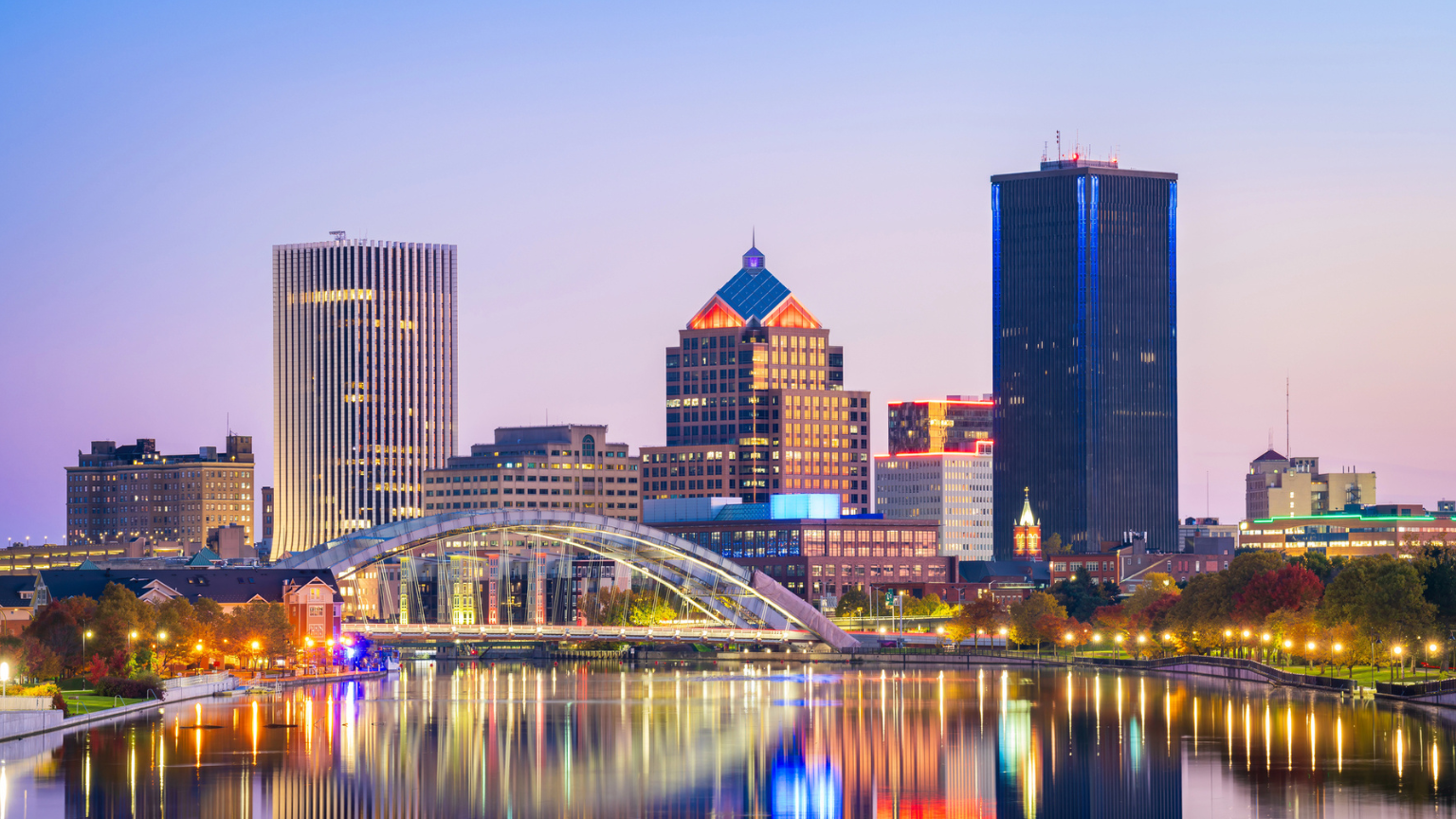
Lake-influenced airflow and steady emission controls help Rochester post favorable 2025 air metrics. Clear summer mornings on the Genesee River feel noticeably clean, and the region’s parks system makes the most of it. Cultural outings pair well with long outdoor days. Water providers emphasize treatment and monitoring, with seasonal consumer confidence reports. Travelers can plan picnics and waterfront walks without watching air alerts every hour. It is a solid Northeastern option for clean-air weekends.
18) Syracuse, New York

Syracuse benefits from lake-effect breezes that help disperse pollutants, contributing to good 2025 air outcomes. Downtown revitalization has also encouraged more walking and biking, which helps at the margins. Skies often look strikingly clear after frontal passages. Utilities follow standard compliance and reporting cycles, and visitors can review seasonal notices with ease. Expect bright, low-haze afternoons for campus tours and park time. It is a practical, clean-air base in upstate New York.
19) Duluth, Minnesota

Perched on Lake Superior, Duluth enjoys frequent marine airflow that keeps 2025 haze levels low. The lakefront promenade and hillside parks showcase the clarity, especially at sunrise. Summer days tend to stay comfortable with fewer smog alerts than big Midwestern metros. Water systems emphasize source-water protection and corrosion control, and routine reporting is easy for visitors to find. The result is a city that feels refreshingly clear in both the air you breathe and the water you drink. It is ideal for scenic drives and harbor views.
20) Santa Fe, New Mexico

At 7,000 feet, Santa Fe’s thin, dry air often reads clean on 2025 ozone and particle measures, with mountains adding scenic ventilation. Travelers notice the clarity on plaza strolls and canyon hikes. Art walks and patio dining pair well with the city’s blue-sky reputation. Local utilities follow monitoring standards and publish seasonal water quality reports, giving visitors confidence in tap refills. Plan on brilliant sunsets and starry nights with minimal haze. It is a high-desert favorite for clean-air escapes.
This article was written by Hunter and edited with AI Assistance