

Living in a city with big culture and big opportunity often comes with a trade off in safety. Around the world, a handful of cities consistently rank near the top for violent crime, homicide rates, and everyday insecurity. Using 2025 crime index rankings and recent homicide data, this list looks at some of the most dangerous cities to actually live in, not just pass through on vacation.
Pietermaritzburg, South Africa

Pietermaritzburg appears at the top of several 2025 crime index rankings, making it one of the most dangerous cities to live in worldwide. Residents report extremely high levels of violent crime, including armed robbery, home invasions, and frequent assaults. The city sits in a province where murder rates are among the highest in South Africa, which already has one of the highest homicide rates on the planet. Many locals rely on security gates, alarms, and private patrols just to feel safe at home. Drug trafficking, youth gangs, and deep inequality fuel much of the violence. For people who live here, simple routines like commuting after dark or walking to a corner shop can involve careful planning and very real risk.
Pretoria, South Africa

Pretoria might be known as one of South Africa’s capital cities, but beneath its government buildings and leafy suburbs lies a serious crime problem. In 2025 crime rankings it sits just behind Pietermaritzburg, with residents reporting high levels of armed robbery, hijackings, and break ins. Many neighborhoods feel relatively calm by day, yet change character at night when empty streets and poor lighting make pedestrians easy targets. Long commutes on major roads can bring the risk of smash and grab thefts at red lights. Locals often warn newcomers not to show phones, jewelry, or laptops in public unless they want to attract unwanted attention. The contrast between upscale malls and heavily fortified homes says a lot about how seriously residents take security.
Johannesburg, South Africa

Johannesburg has long been associated with crime, and recent years have not been kind to its reputation. The city ranks among the top ten worldwide for overall crime index, and its homicide rate sits well above global averages. Carjackings, armed robberies, and home invasions are major concerns, especially in and around older inner city areas. Whole apartment blocks have been taken over by criminal groups, leaving residents stuck in buildings with poor services and no formal management. At the same time, Johannesburg has thriving neighborhoods, world class restaurants, and booming creative scenes. For people who live there, everyday life often means balancing the city’s energy and opportunity against a constant need to stay alert and security conscious.
Durban, South Africa

Durban is famous for warm beaches and a laid back vibe, yet it is also one of South Africa’s most violent big cities. Recent reporting points to a murder rate that has spiked sharply, driven by gang warfare and organized crime. Taxi turf battles, extortion rackets, and drug trafficking all play a role, particularly in townships and informal settlements on the fringes of the city. Residents talk about avoiding certain areas after dark and steering clear of isolated stretches of beachfront, where muggings and attacks are not uncommon. Many homes and small businesses rely on private security firms to fill the gaps left by under resourced police. Living in Durban can be rewarding, but it often requires a careful mental map of streets and neighborhoods that feel safe compared with those that do not.
Cape Town, South Africa

Cape Town is one of the most photographed cities on earth, yet it consistently appears on lists of the world’s most dangerous places to live. Its homicide rate puts it in the same league as some of Latin America’s most violent cities. Much of the violence is concentrated in the Cape Flats, where long standing gang rivalries, drug markets, and poverty collide. For residents in those neighborhoods, stray bullets are a real fear, and parents often keep children indoors once the sun goes down. At the same time, more affluent areas invest heavily in private security, cameras, and gated complexes. The result is a city where daily life can feel very different from one suburb to the next, and where crime is never completely out of mind.
Caracas, Venezuela

Caracas has been synonymous with danger for years, and even though the official homicide rate has dropped from its worst peaks, it remains extraordinarily high. Recent estimates still place the city far above most other capitals when it comes to violent deaths. Armed robberies, kidnappings, and carjackings add to the sense of insecurity. Economic collapse and political instability have pushed many middle class families to leave, while those who remain often deal with frequent power cuts, shortages, and poorly resourced police. Residents learn to travel in groups, avoid displaying valuables, and think twice before going out at night. Daily life in Caracas is a constant balancing act between normal routines and a serious background risk of violence.
Port Moresby, Papua New Guinea

Port Moresby regularly appears near the top of global danger rankings, with one of the highest crime index scores in the world. Serious crimes like armed robbery, carjacking, and gang violence are common, especially in settlements outside the city center. Unemployment and limited formal housing have created sprawling informal communities where state services are thin and local gangs often call the shots. Residents talk about opportunistic attacks that can happen in broad daylight, even on main roads. Many expatriates move between home, work, and shops in company vehicles rather than using public transport. For locals without that protection, living in Port Moresby often means strict self imposed curfews and constant awareness of who is around you.
San Pedro Sula, Honduras

San Pedro Sula once held the grim title of murder capital of the world, and although the homicide rate has fallen, the city still ranks among the most dangerous to live in. Recent figures show a rate that is lower than a decade ago but still extreme by global standards. Powerful gangs such as Barrio 18 and MS 13 continue to control many neighborhoods, collecting “war taxes” from small businesses, bus drivers, and even street vendors. Extortion, kidnappings, and targeted killings remain a daily fear for residents. Families often move frequently or send children to live with relatives in safer areas to escape threats. The improvement in headline numbers does not change the reality that many people still live behind barred windows and travel only on routes they trust.
Salvador, Brazil

Salvador, the colorful capital of Bahia, mixes Afro Brazilian culture, music, and beach life with some of the highest levels of violence in Brazil. Federal data recorded large numbers of murders in recent years, keeping the homicide rate high by international standards. Much of the bloodshed happens in peripheral neighborhoods where gangs fight over drug sales and extortion of local businesses. Police response can be just as lethal, with security forces responsible for a significant share of violent deaths each year. Residents in poorer districts often feel trapped between rival gangs and heavy handed raids. Those who can afford it live in guarded apartment blocks, choose schools and jobs based on perceived safety, and limit evening outings to well lit areas.
Rio de Janeiro, Brazil

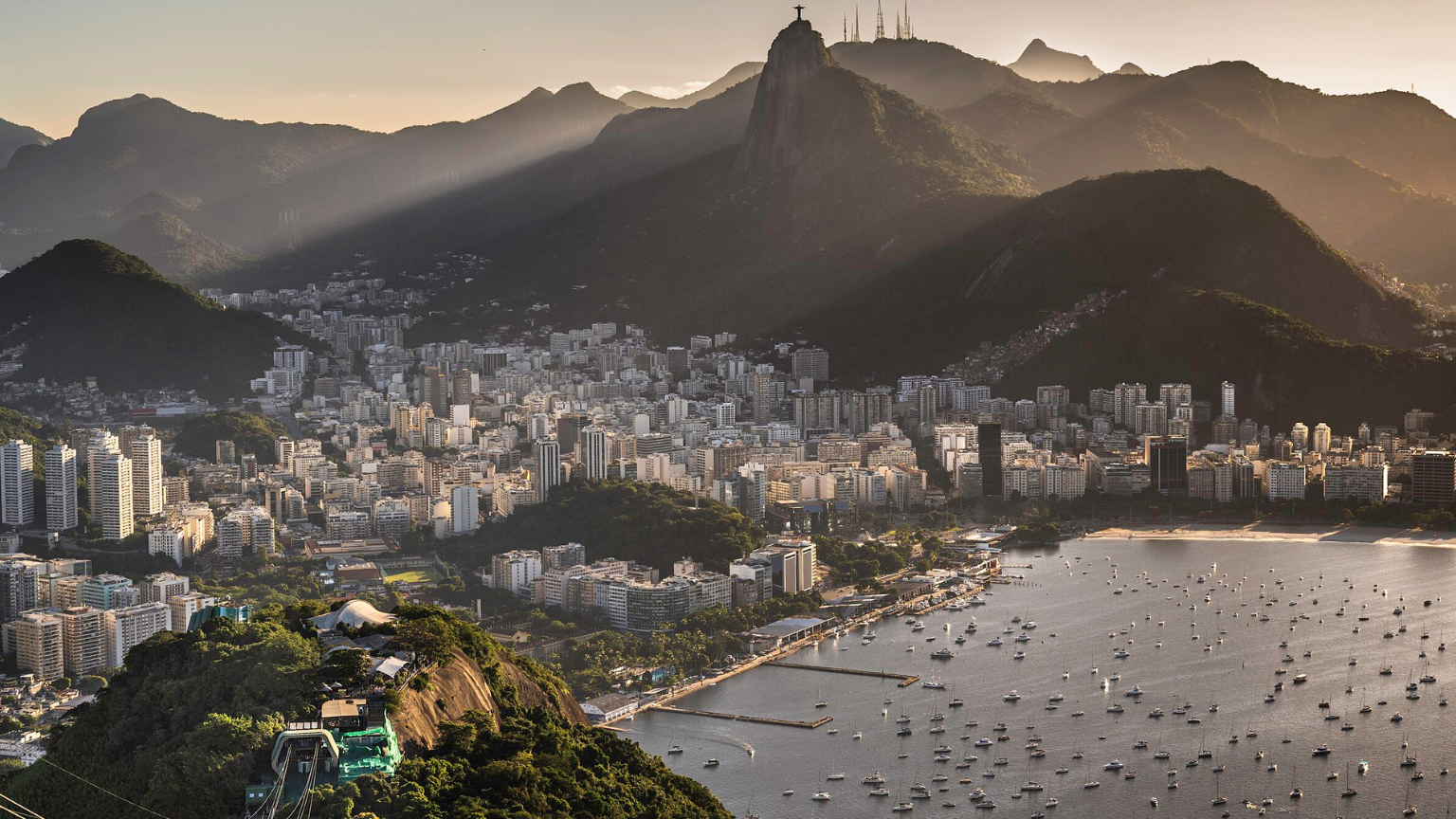
Rio de Janeiro is famous for carnival, beaches, and mountain views, yet it also ranks high on lists of the world’s most dangerous cities. Crime index data places Rio firmly in the global top tier, with a mix of homicides, armed robberies, and carjackings shaping daily life. Many favelas are effectively controlled by drug gangs or militias, and shootouts between rival groups or with police can erupt with little warning. Residents in hillside communities are used to hearing gunfire at night and sometimes during the day. In wealthier zones near the beaches, security is stronger, but street robberies and phone thefts still happen often enough that locals carry older phones or keep valuables out of sight. For people who live in Rio, safety planning is part of nearly every decision, from commuting routes to where to meet friends after dark.
Guayaquil, Ecuador

Guayaquil has become the epicenter of Ecuador’s security crisis, shifting from a busy port city to one of the most dangerous places to live in Latin America. The national homicide rate has surged, and much of that violence is clustered in Guayaquil and nearby districts. Rival drug gangs fight over control of shipping routes, leading to frequent shootings in neighborhoods near the port and along key highways. Residents have faced car bombings, prison riots that spill into the streets, and brazen attacks in broad daylight. Recent crackdowns have captured or killed major gang leaders, but that has sometimes fractured groups into smaller factions that fight even more aggressively. For ordinary people, that means navigating roadblocks, avoiding certain bus lines, and living with the constant worry that violence could erupt nearby.
Port of Spain, Trinidad and Tobago

Port of Spain may be small compared with many of the megacities on this list, but its crime levels rank it among the world’s riskiest urban areas. Gang related shootings, drug trafficking, and turf wars have pushed homicide rates to levels more commonly associated with countries in open conflict. Many of the killings are targeted, but stray bullets and armed robberies affect bystanders and residents with no gang ties at all. Families often restrict children to indoor activities or supervised outings, especially in harder hit neighborhoods. Kidnappings, once mostly aimed at wealthy business owners, have increasingly reached middle class professionals. The result is a city where nightlife and street festivals continue, but always with a nervous eye on the nearest exit and how quickly you can get home if things go wrong.
Memphis, Tennessee, United States

Memphis has earned an unwelcome reputation as one of the most dangerous cities in the United States, and it now ranks in the global top tier for crime index. Recent years have brought close to four hundred homicides annually, giving the city one of the highest murder rates in the country. Carjackings, armed robberies, and shootings around convenience stores and apartment complexes are common features of local crime reports. Residents talk about avoiding certain gas stations, planning routes that skip high risk intersections, and staying off the roads late at night. Police and community groups are working to reduce violence, but staffing issues and a steady flow of illegal guns complicate those efforts. For people living in Memphis, even quick errands can involve checking crime maps and making sure security cameras at home actually work.
Detroit, Michigan, United States

Detroit has seen real progress since its most chaotic years, yet it still sits high on lists of both United States and global danger rankings. Its homicide rate remains well above the national average, even though it has fallen from earlier peaks. Vacant homes and long neglected blocks create easy hiding spots for illegal activity, even as revitalized areas downtown and along the riverfront feel much safer. Residents in harder hit neighborhoods worry about break ins, car thefts, and random gunfire, particularly during the summer. Years of industrial decline left deep pockets of poverty and limited job options, which in turn feed cycles of crime. Many Detroiters stay because of strong community ties and growing local businesses, but almost everyone has a personal story about a mugging, stolen car, or frightening night.
Baltimore, Maryland, United States

Baltimore regularly shows up among America’s most violent big cities and also appears on worldwide danger lists. Homicide rates in recent years have stayed several times higher than the national average. Shootings linked to drug markets and long running neighborhood feuds remain a stubborn problem. Some police precincts cover large areas with limited staff, which can make response times slow in the very communities that need help the most. Many residents work hard to reclaim their streets with block watches, community gardens, and youth programs. Still, parents often warn teenagers not to linger at bus stops and to avoid shortcuts through alleys or vacant lots. Living in Baltimore often means loving the city’s culture and waterfront while staying acutely aware of where and when you move around.
St. Louis, Missouri, United States

St. Louis routinely posts one of the highest homicide rates in the United States and appears in 2025 rankings of the world’s most dangerous cities. Earlier data showed extraordinarily high numbers of killings per 100,000 residents within city limits, a staggering figure even compared with other high crime metros. Much of the violence is concentrated in specific neighborhoods on the city’s north side, where vacant properties, poverty, and limited services create a fragile environment. Gunfire at night is common enough that many families arrange their bedrooms away from street facing windows. Residents often warn visitors to pay attention to which side of certain streets they are on and to avoid wandering between bars or events on foot after dark. While suburban areas and parts of the central corridor feel much safer, there is a sharp divide between those spaces and communities that live with constant daily risk.
New Orleans, Louisiana, United States

New Orleans has a larger than life personality, but it is also one of America’s most dangerous cities to call home. In recent years the city’s homicide rate has ranked near the top among major United States metros and among the most violent cities worldwide. Shootings often cluster in particular neighborhoods, yet robberies and carjackings can spill into busier areas, including parts of the tourist friendly French Quarter and nearby districts. Locals talk about reading the block before parking a car or walking alone, especially late at night. Police staffing challenges have made it harder to respond quickly to every incident, so many residents rely on neighborhood text threads and social media groups to share real time safety updates. Despite all of that, community pride is strong, and people who stay do so because they love the city’s music, food, and culture enough to live with the risk.
This article was written by Hunter and edited with AI Assistance