

If you want Europe to feel fresh in 2026, skip the cities that are always on the same top ten lists and look for places that score well on real world metrics. Think quality of life, safety, air quality, commute friction, and overall day to day ease, the stuff that quietly determines whether a trip feels relaxing or exhausting. The best underrated cities tend to be the ones locals genuinely enjoy living in, which usually means cleaner streets, better transit, calmer neighborhoods, and fewer tourist bottlenecks. That does not mean they are boring. It usually means you can actually enjoy them without constant lines and reservation stress. Below are 12 European cities that look strong in 2026 style livability data and still feel surprisingly under visited compared to the usual headline destinations.
The Hague, Netherlands

The Hague is one of those cities that makes you feel calm the moment you arrive, even though it is still a real, working Dutch city. You get elegant architecture, great museums, and a polished vibe without the constant crowd pressure you find in Amsterdam. Start with a slow walk around the city center, then plan time for the Mauritshuis if you love classic art and beautiful smaller museums that do not overwhelm you. One of the best parts is how easy it is to mix city time with the coast, since Scheveningen is right there for beach air and sunset walks. The food scene is better than people expect, especially for casual brunch spots and international options, and you can build a trip around neighborhoods instead of only landmarks. If you want a Netherlands base that feels both refined and easy in 2026, The Hague is a smart pick.
Eindhoven, Netherlands

Eindhoven rarely makes tourist itineraries, but it keeps showing up as a city that simply works well, which matters a lot when you want a low stress trip. It has a modern, design forward personality, with creative spaces, architecture, and a tech energy that gives the city a different feel than the canal postcard cities. Spend time around Strijp S for a mix of cafes, shops, and cultural spaces that feel local rather than staged for visitors. It is also a great city for day trips, because rail connections make it easy to reach other Dutch highlights without needing to change hotels every night. If you like cycling, Eindhoven is friendly for it, and the pace feels manageable even for first timers. Come for a weekend and you will see why it scores well for comfort and livability, even if it is not a classic bucket list city.
Utrecht, Netherlands

Utrecht has the charm many travelers want from Amsterdam, but with a calmer, more lived in rhythm. The canal scene here feels more intimate, especially along the lower level wharves where you can sit by the water with a coffee and actually hear your own thoughts. The city is compact, so you can explore on foot without turning your day into a transit puzzle. Climb the Dom Tower if you want a view, then spend the rest of your time simply wandering neighborhoods and popping into bookstores, bakeries, and small shops. Utrecht also works perfectly as a base, because you can take quick trains to bigger cities while keeping your nights in a quieter place. For 2026 travel, it is ideal for people who want a beautiful Dutch city that feels easy rather than overrun.
Groningen, Netherlands

Groningen is one of the best “slow city” picks in Europe if you love biking, cafe culture, and youthful energy. It feels lively without feeling chaotic, which is a rare balance, and it is the kind of place where you can build an entire day around wandering and snacking. The center is walkable, the streets feel human scaled, and the city has a creative edge that shows up in small galleries, design shops, and casual live music. Groningen is also great if you like a more local Dutch experience, because it does not feel like it is performing for tourists. Plan for a couple of long walks, a museum stop, and at least one evening where you pick a cozy spot and settle in without rushing. If you want the Netherlands to feel like a real lifestyle city in 2026, Groningen delivers.
Ghent, Belgium

Ghent is a perfect example of a city that has the beauty people travel for, but without the constant tourist traffic that can flatten the experience. The medieval center is stunning, especially at night when the buildings glow and the canals feel cinematic. The difference is that you can actually linger, take photos without being shoved, and find tables at great spots without planning your entire day around reservations. Spend time around the waterfront streets, then wander into smaller lanes for shops and cafés that feel genuinely local. If you have extra time, Ghent is also a great base for quick trips, since you can still reach Bruges or Antwerp easily without living in the busiest areas. In 2026, it is one of the easiest cities to recommend to travelers who want Europe to feel romantic again.
Nuremberg, Germany

Nuremberg is often treated like a quick stop, but it is a full city break if you give it the time. The old town is storybook pretty, with walls, towers, and cobblestones that make simple wandering feel like an activity. It also has the practical, well organized feel many travelers love about Germany, which makes the trip smoother from check in to transit to dining. Plan for a mix of history and food, with a market stroll, a museum or two, and a long evening meal in a cozy spot. The city is also well placed for a broader Germany itinerary, especially if you want an easy train based route without constant stress. If you want a European city that feels charming and comfortable in 2026, Nuremberg hits that sweet spot.
Valencia, Spain

Valencia is still underrated compared to Barcelona and Madrid, even though it offers one of the best all around city experiences in Spain. You get beach access, a strong food culture, and a mix of historic streets and modern architecture that keeps the city visually interesting. The city feels built for an easier pace, especially if you plan a day around the Turia gardens, which are perfect for walking or biking without traffic stress. Food is a major highlight, and this is the place to lean into long lunches, fresh markets, and a dining scene that feels less tourist priced than the most famous Spanish cities. Valencia is also great for travelers who want balance, since you can do culture in the morning, a relaxed afternoon, then a late dinner without needing to commute across the city. For 2026, it is a smart choice if you want Spain that feels both vibrant and breathable.
Porto, Portugal

Porto has grown in popularity, but it still feels underrated compared to how often travelers default to Lisbon. It is compact, scenic, and easy to navigate, which makes it a great city for people who want to explore without constant transit planning. The riverfront views are the obvious draw, but the best part is how the city rewards slow wandering through neighborhoods, viewpoint stops, and casual café breaks. The food scene is excellent, and you can eat very well without turning every meal into a major budget event. Porto also makes an ideal base for a Douro Valley day trip, which adds a totally different landscape and pace without complicated logistics. In 2026, it remains one of the best “high charm, low effort” city breaks in Western Europe.
Ljubljana, Slovenia

Ljubljana is small, pretty, and genuinely easy, which is why it fits so well with a 2026 metrics lens. The riverside core is made for strolling, with outdoor seating, bridges, and a calm atmosphere that feels restorative rather than rushed. You can walk to the castle viewpoint without it becoming a serious hike, then spend the rest of the day doing markets, cafés, and quiet streets that never feel overwhelming. The city is also a perfect hub for day trips, since Lake Bled, Lake Bohinj, and even coastal options are within reach with simple planning. Food and wine are better than many travelers expect, and the overall vibe feels friendly and safe. If you want a European city that feels like a deep exhale, Ljubljana is a standout for 2026.
Tallinn, Estonia

Tallinn gives you fairy tale old town beauty, but it also offers a modern side that makes it feel more than a one day stop. The historic center is gorgeous, yet the real fun is adding neighborhoods and creative areas where you can see the city’s everyday rhythm. It is walkable, clean, and generally easy to navigate, which makes it a great choice for travelers who want a stress free city break. Plan for a mix of viewpoints, cozy cafés, and at least one long evening stroll when the streets feel quieter and the city looks its best. Tallinn is also a smart hub if you want to pair it with nearby regional travel, but it is worth staying long enough to avoid the rushed “photo and go” mistake. In 2026, it is one of the best northern picks for charm without chaos.
Brno, Czech Republic

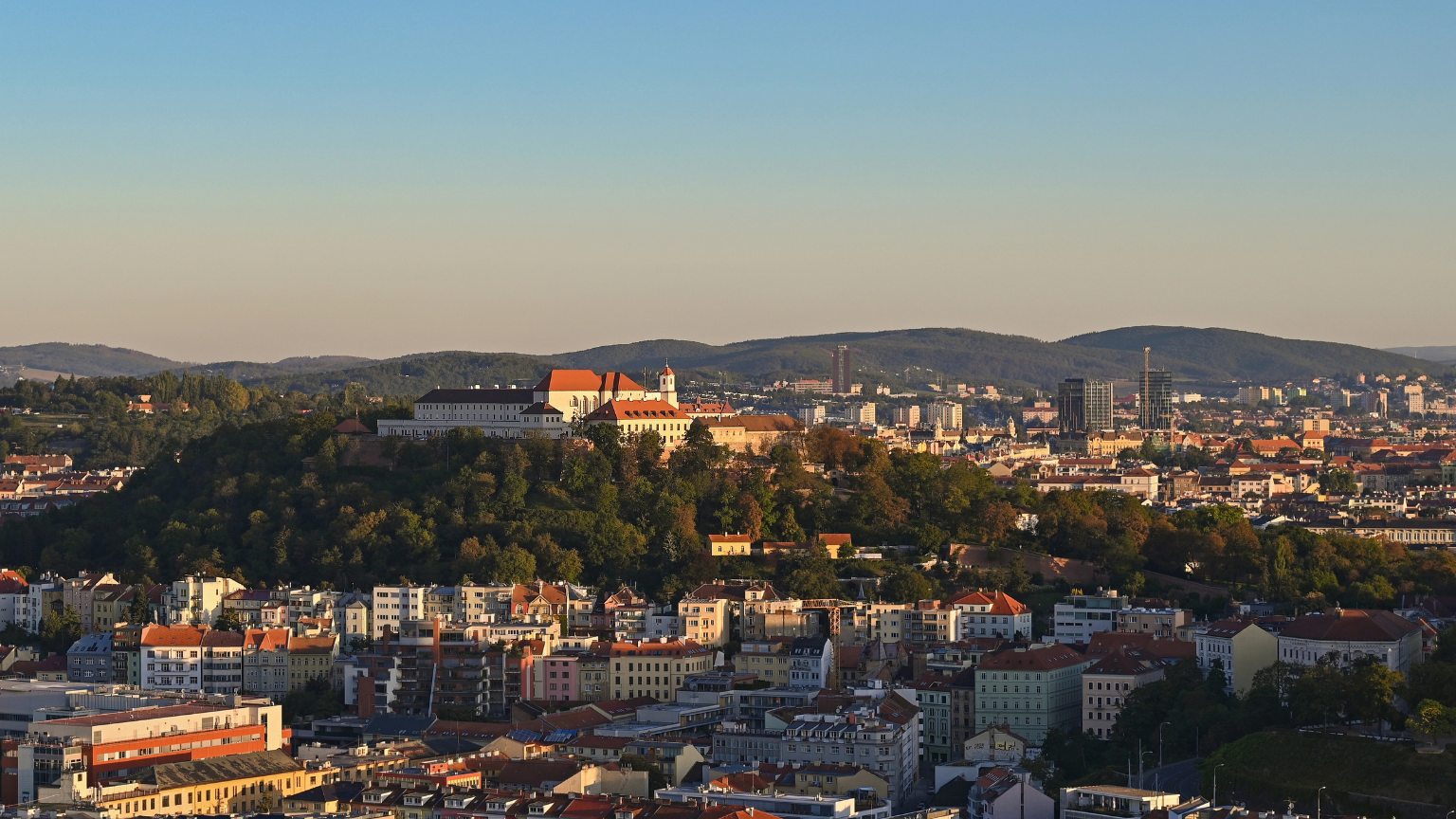
Brno is the Czech city people fall for after they get tired of Prague crowds. It has a lively student energy, a strong café and bar scene, and a center that is easy to explore without constant congestion. You can do the main sights quickly, then spend the rest of your time enjoying what makes Brno a great trip: relaxed evenings, good food, and neighborhood wandering that feels local. It also works well as a base for day trips into the surrounding region, which adds variety without changing hotels. Brno is ideal for travelers who want Central Europe style with fewer tourist trap moments. If you want to enjoy the Czech Republic in 2026 without feeling like you are standing in line all day, put Brno on your list.
Turin, Italy

Turin is one of Italy’s most underrated cities because it is not fighting for attention the way Rome, Florence, and Venice do. It feels elegant and spacious, with grand streets, beautiful cafés, and museums that make it perfect for a slower, more refined trip. The city is ideal for travelers who love food culture, because you can build your days around markets, long meals, and café stops that feel like a ritual. Turin also makes a great base for easy escapes, including wine country and mountain scenery, which adds a second layer to your itinerary without major planning stress. It tends to feel more livable and less tourist saturated, which is exactly what many travelers want in 2026. If you want Italy with breathing room, Turin is a strong choice.
This article was written by Hunter and edited with AI Assistance