
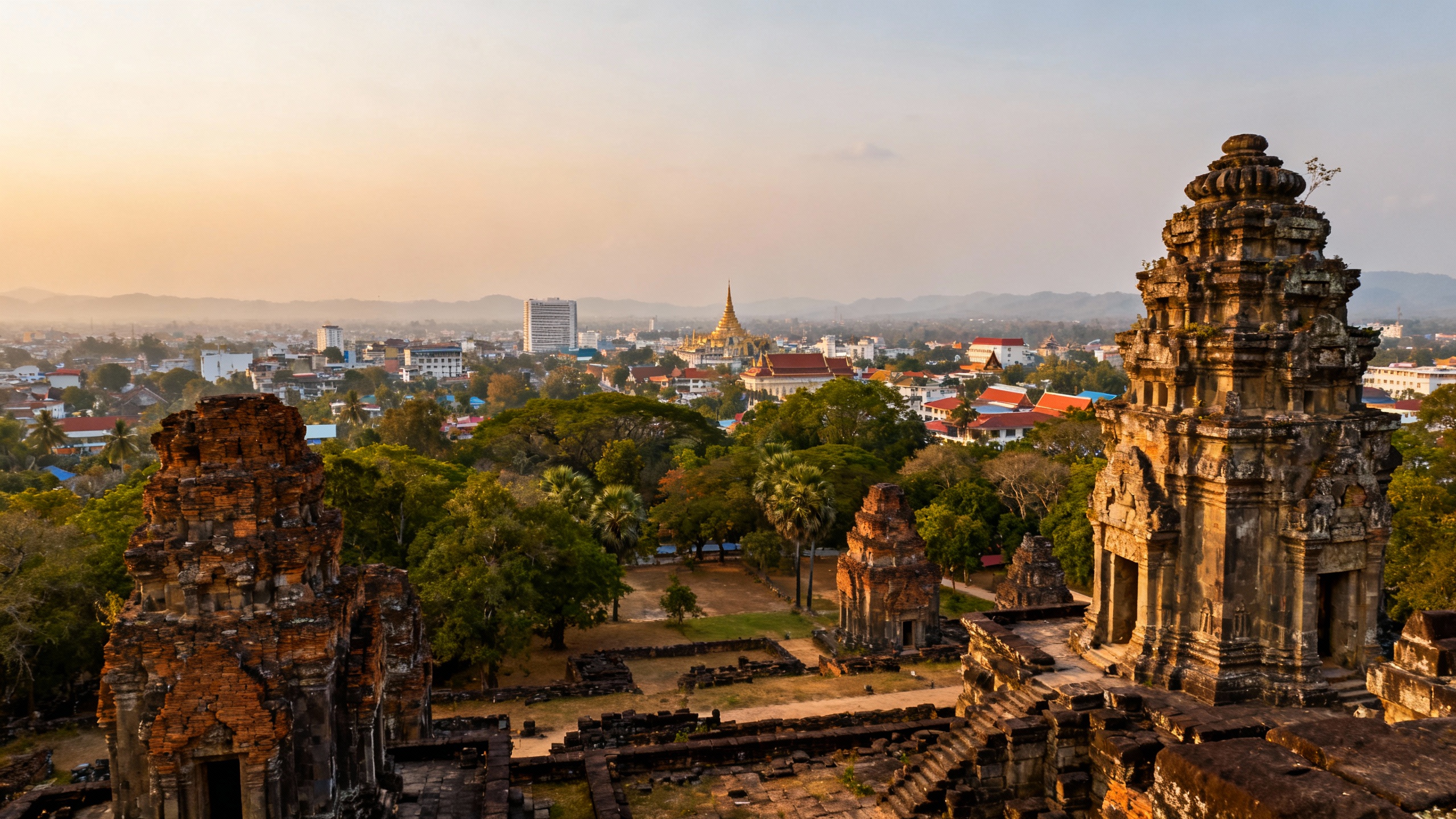
Asia’s ancient ruins draw travelers with stories carved in stone and echoes of long-lost civilizations. Here are 12 mind-blowing archaeological discoveries and sites that are trending in 2026, perfect for history buffs and adventure seekers alike.
1. Vijayanagara Ruins, Karnataka, India
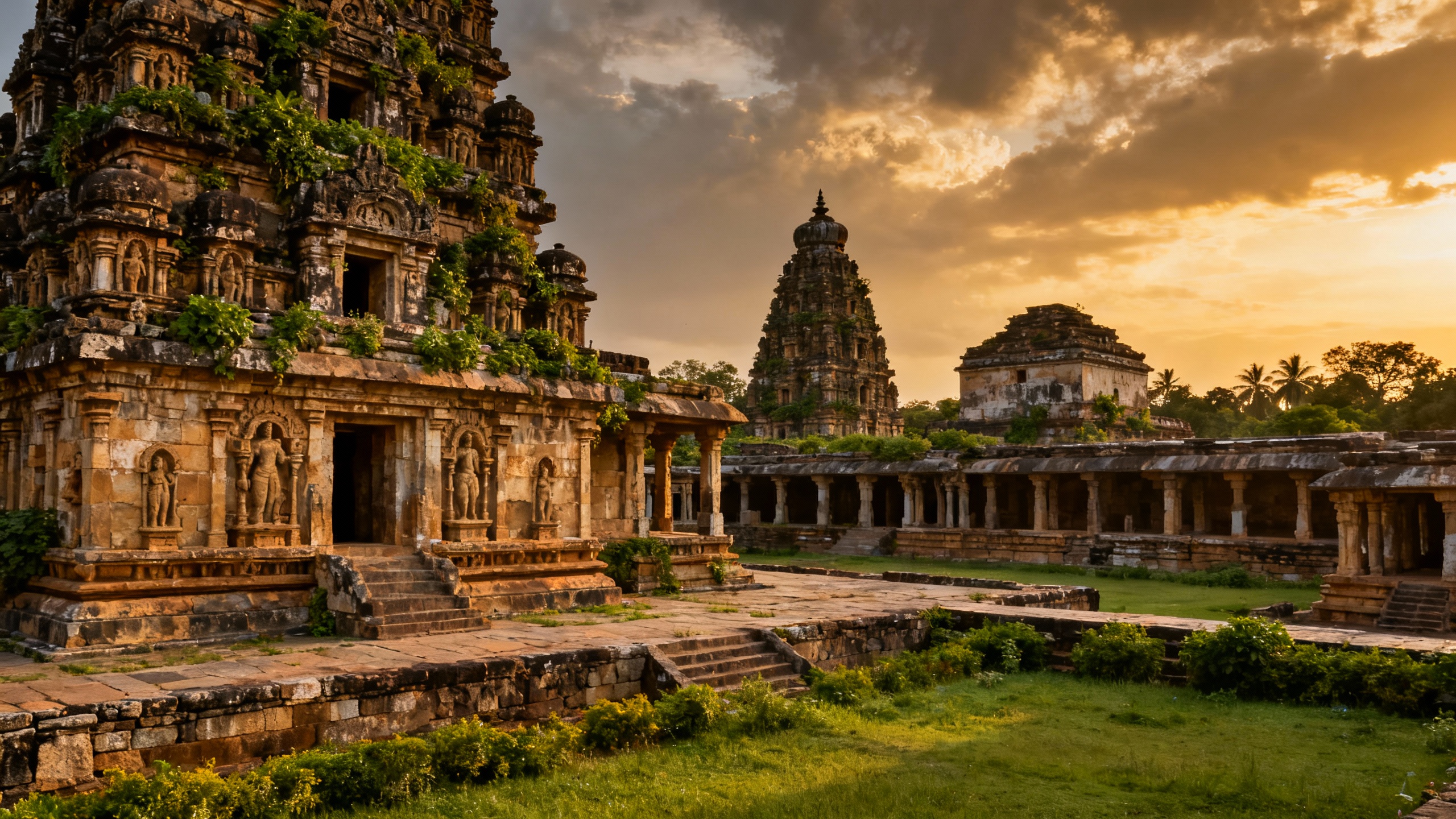
Once the seat of a powerful empire, the sprawling ruins of Vijayanagara near Hampi remain one of the most breathtaking ancient cities in Asia. Visitors can wander among crumbling palaces, intricate temple carvings, and massive stone bazaars scattered across a rugged landscape. Best visited during January when the cooler temperatures make exploring under huge boulders comfortable, the area offers a quieter experience than Angkor Wat with similarly impressive scale. Entrance fees are modest, and local guides provide insightful tours rich with historical context. Don’t miss the sunset views over the ruins for a magical finish to your day.
2. Gunung Pegat Ruins, Lombok, Indonesia
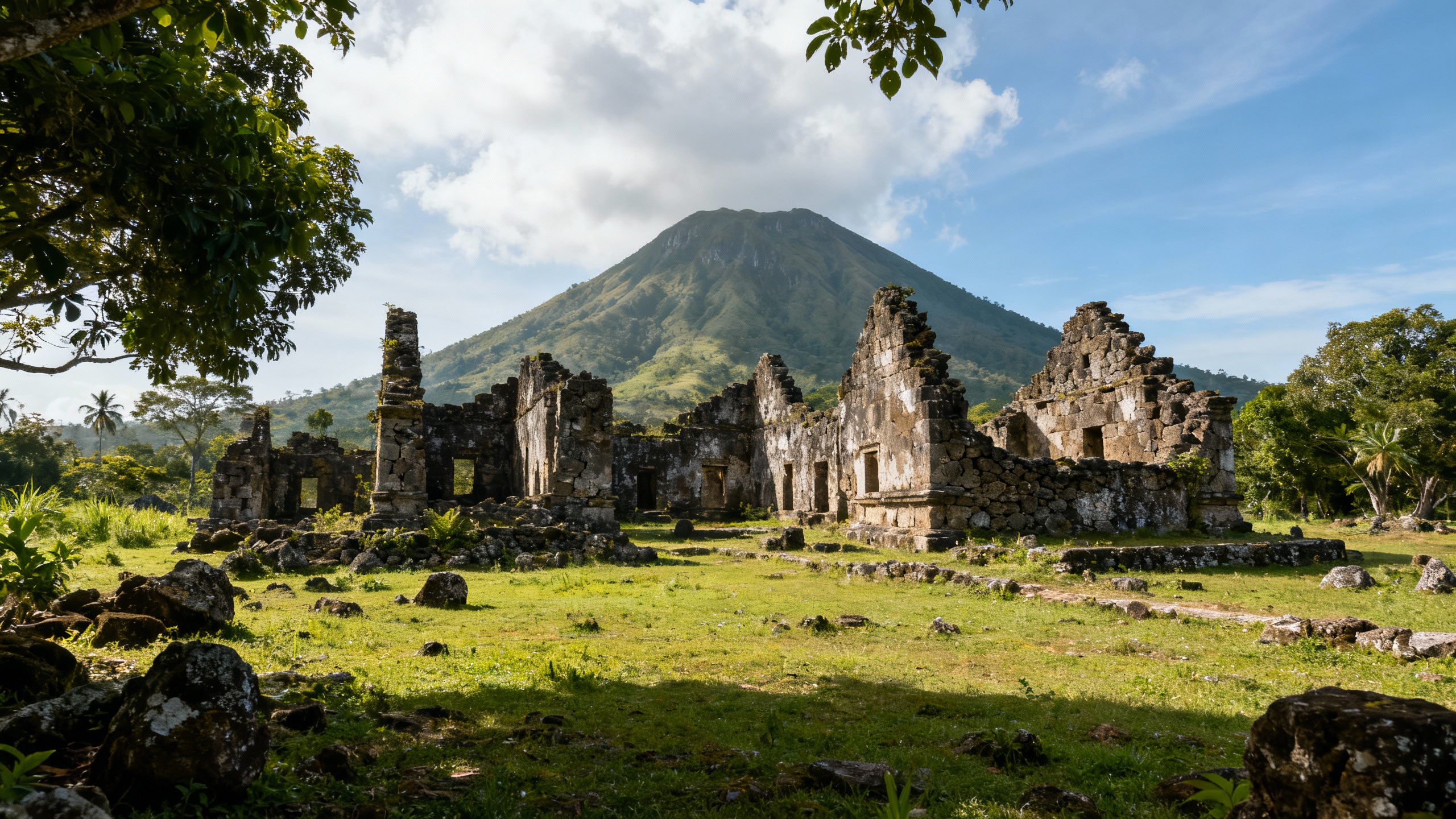
Lombok’s Gunung Pegat site is a new find that combines ancient stone structures with the island’s natural beauty. It’s compact but packed with mysterious carved stones and terraced platforms suggesting spiritual use. The area is less crowded and more affordable than Bali, offering surf, beaches, and mountains nearby for a full island adventure. Travel during the dry season, from April to October, for easier hiking. Beginner to intermediate trails connect the ruins to surrounding wildlife habitats, giving a peaceful yet intriguing atmosphere.
3. Koh Ker Temple Complex, Cambodia
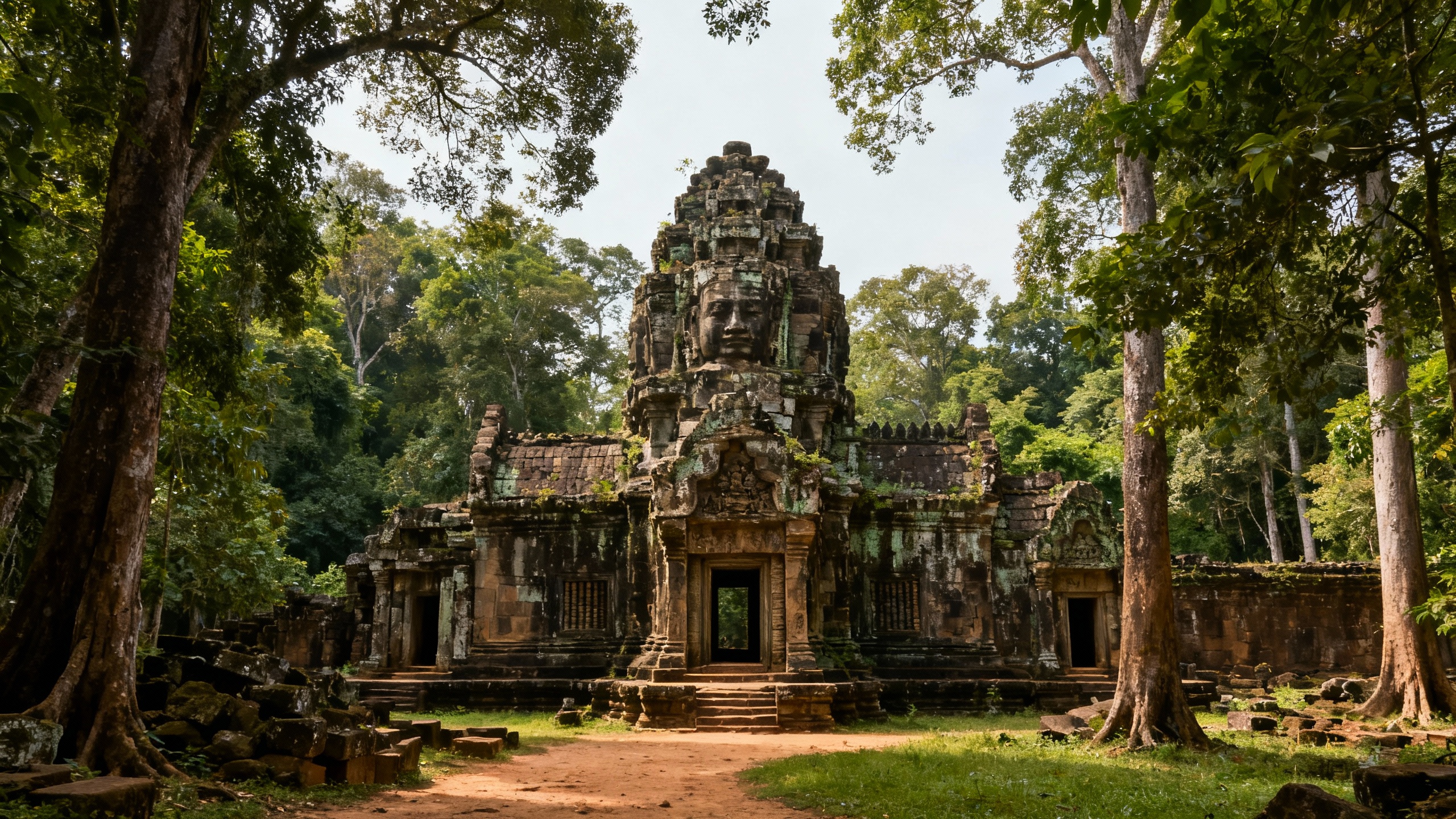
Koh Ker, once a thriving Khmer capital, has recently gained attention for its hidden temples deep in the Cambodian jungle. Unlike the well-trodden Angkor Wat, it’s far less visited and feels like discovering an untouched secret. The main pyramid-shaped Prasat Thom is particularly stunning, rising dramatically through dense foliage. Guided tours often recommend combining Koh Ker with nearby remote villages to understand local traditions tied to the ruins. Visiting between November and February ensures cooler, less humid conditions.
4. Takht-i-Bahi Monastery, Pakistan
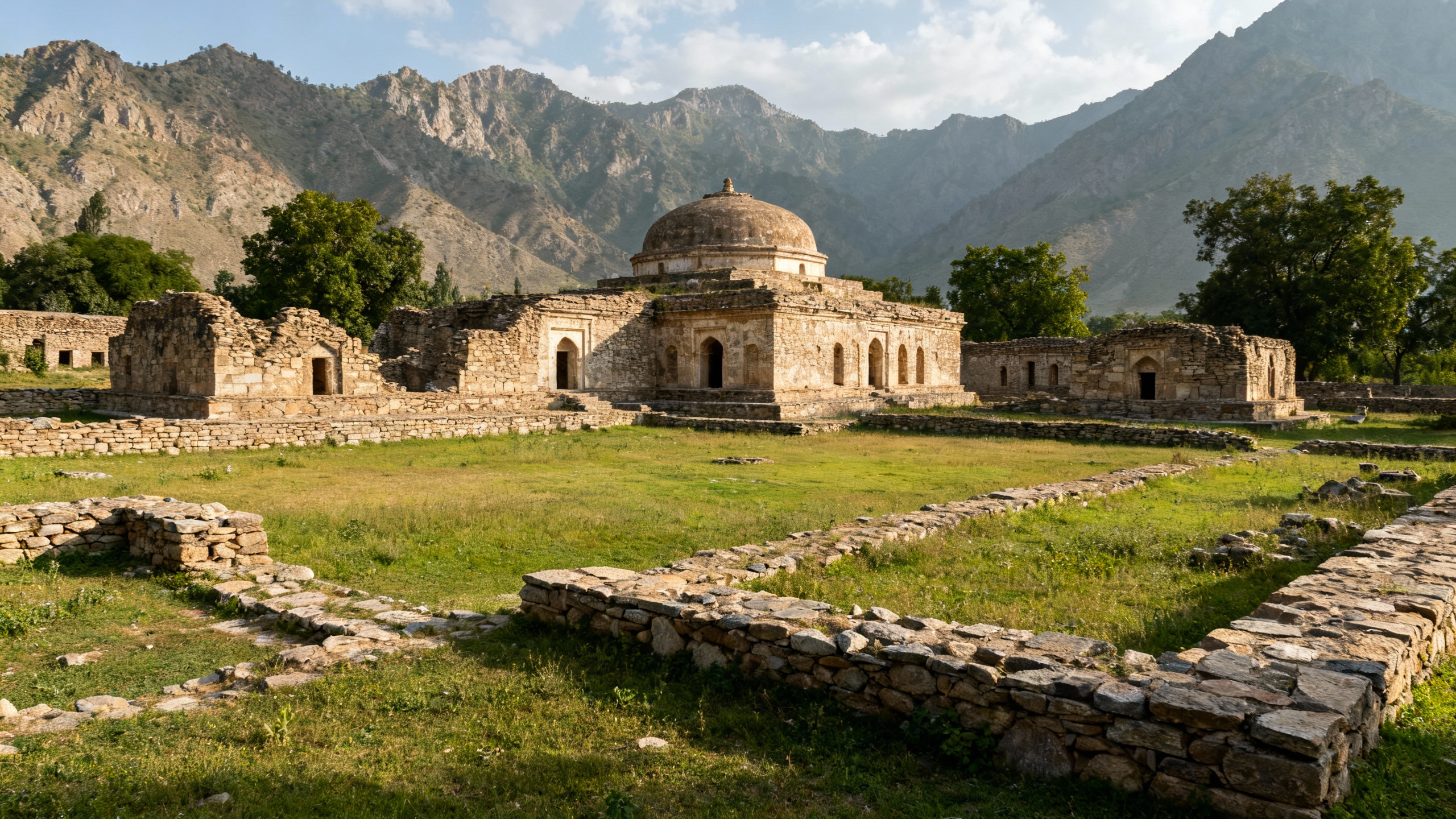
This ancient Buddhist monastery in Khyber Pakhtunkhwa Province offers a glimpse into the Gandhara civilization's spiritual life. The courtyard and cells carved into rocky hillsides show remarkable preservation despite centuries. It’s a UNESCO World Heritage Site but still under the radar for many travelers, providing peaceful exploration. Local guides share stories about the monastery’s role along ancient trade routes. The months from October to March are ideal because of moderate temperatures and clear skies.
5. Ban Chiang Archaeological Site, Thailand
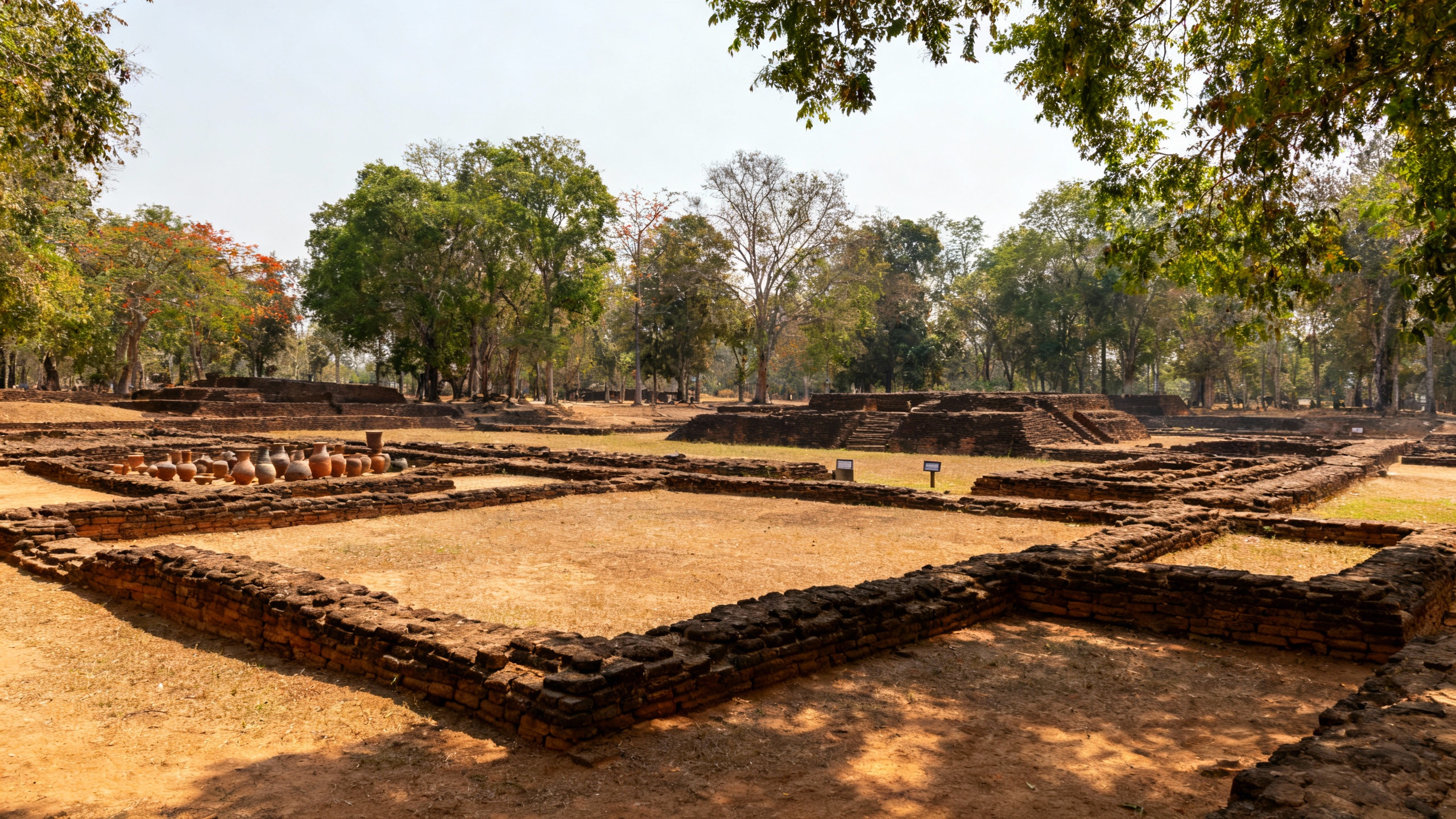
As one of the most important prehistoric settlements in Southeast Asia, Ban Chiang reveals human life dating back over 5,000 years. The site is also famous for its distinctive red painted pottery, displayed at the local museum. It’s a quiet destination where visitors can explore archaeological trenches and ancient homes. The dry season from November to February provides the best climate for walks through surrounding rice paddies. Admission is affordable, and many travelers appreciate the educational experience coupled with rural village visits.
6. Noen U-Loke, Thailand
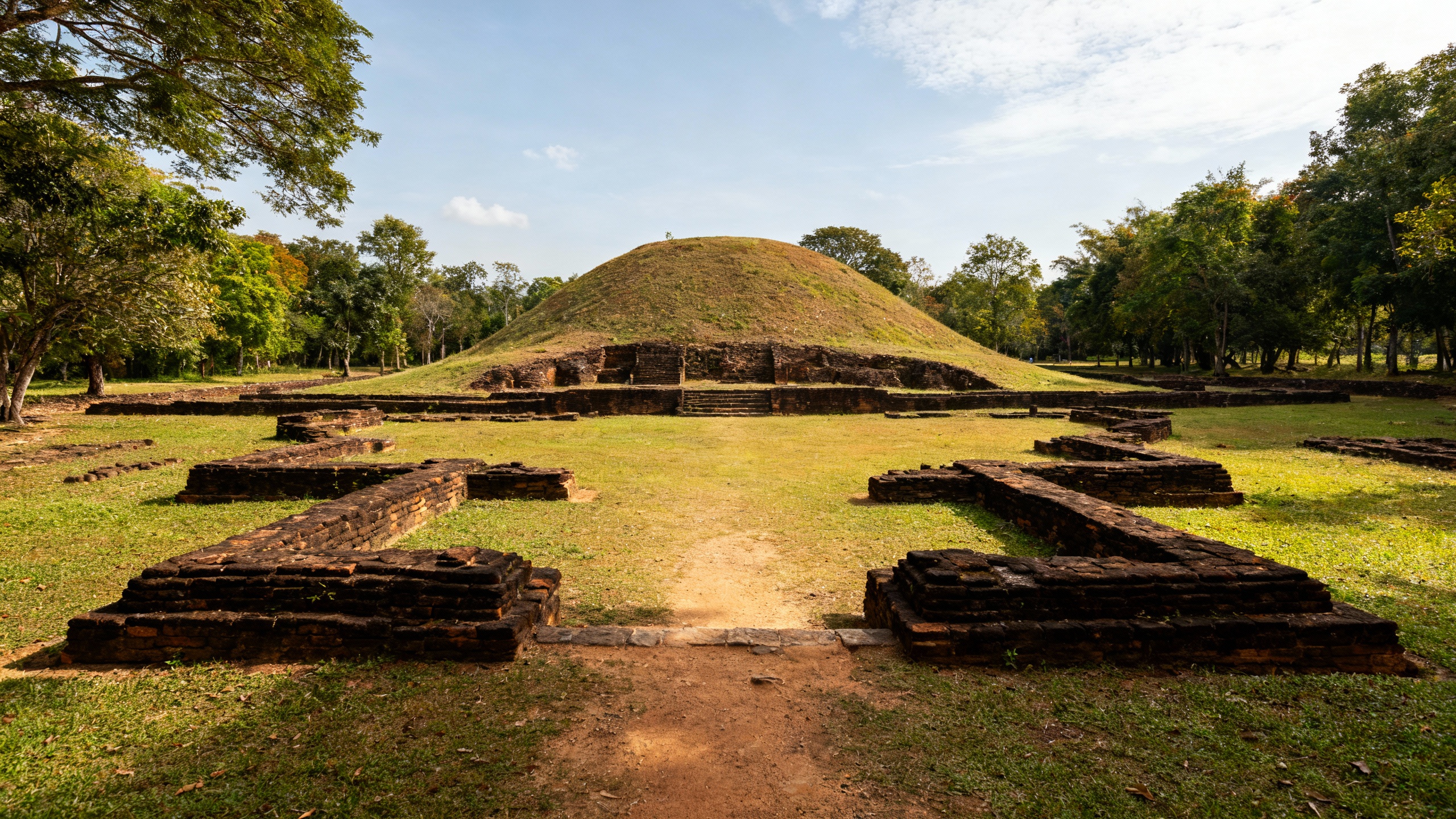
This Iron Age site uncovered significant evidence of early metallurgy and settlement patterns in northeastern Thailand’s Isaan region. Visitors can walk around large earthen mounds that once served as community centers. The site offers a fascination for those interested in ancient technologies and social structures far removed from more famous temples. Visiting in late winter months allows cooler weather for wandering across the expansive grounds. Guided tours from nearby towns enhance understanding of the findings.
7. Laos Plain of Jars
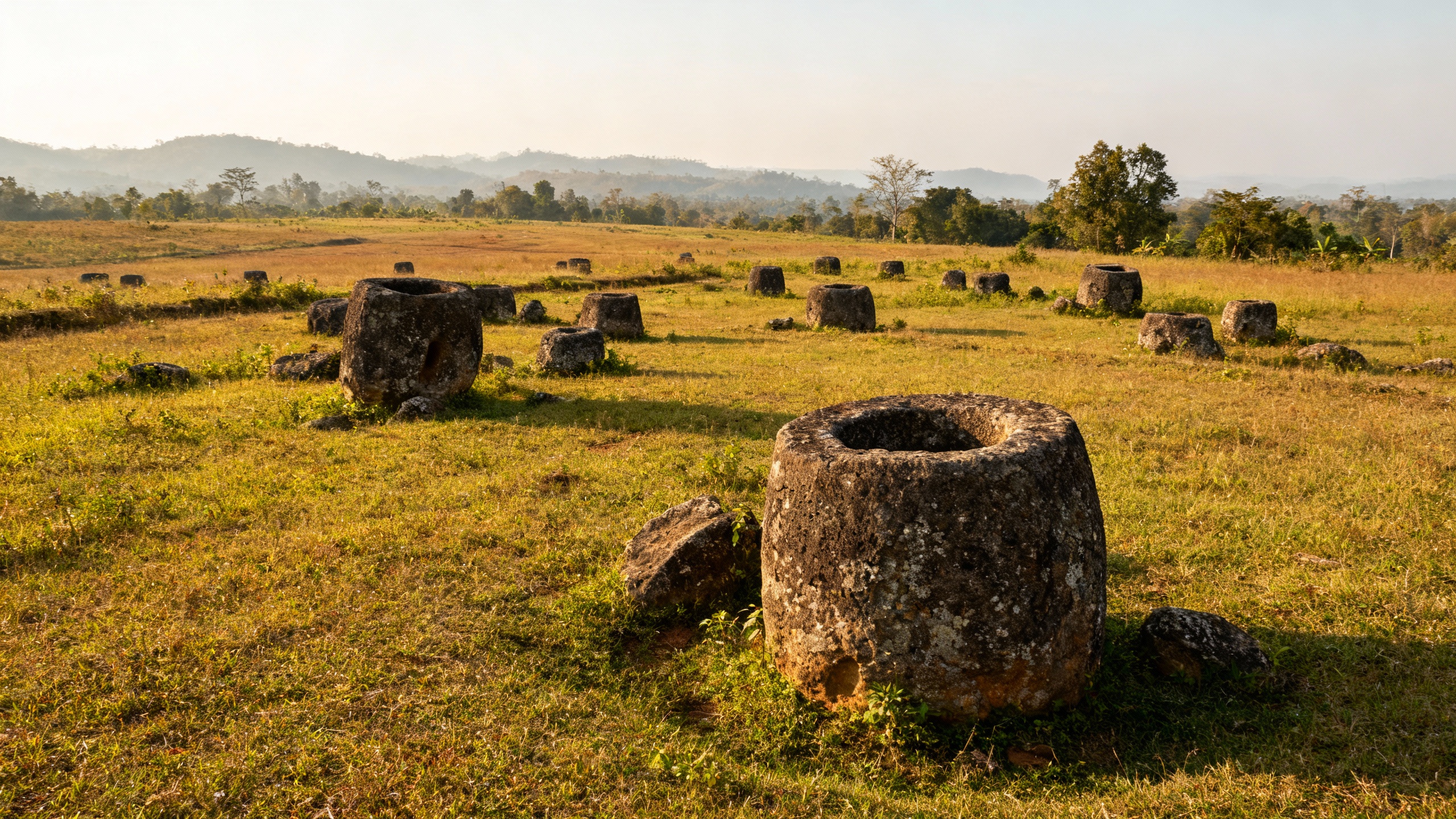
The Plain of Jars in Laos continues to captivate travelers with its mysterious thousands of stone jars scattered across the landscape. Recent archaeological work has shed new light on their possible uses in ancient burial practices. The site can be explored in a day from Phonsavan, with dirt road access varying by season. The best time to visit is from November to February when the climate is cooler and dry. Local guides offer fascinating insights into ongoing research and village life nearby.
8. Takalik Abaj, Guatemala (not Asia but noteworthy for context)
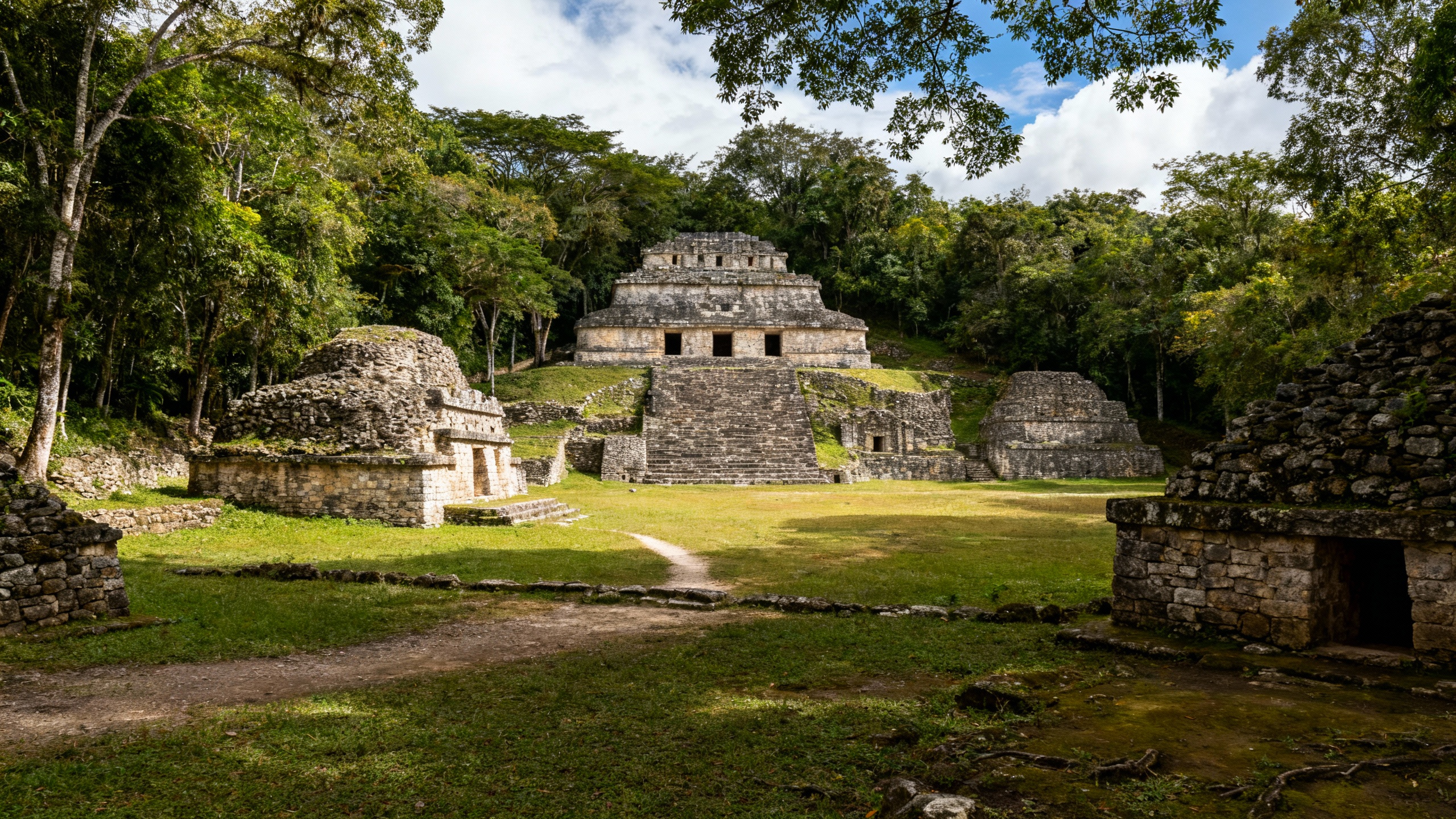
While not in Asia, Takalik Abaj deserves mention for its blending of Olmec and Maya cultures seen through extensive stone carvings and ceremonial centers. It’s often included in travel discussions about ancient sites undergoing new discoveries. Exploring such sites in Asia provides a chance to compare early civilizations worldwide. Travelers keen on ancient cultures often find these connections enriching on their trips. As for Asia, focus on similar-scale sites like Vijayanagara and Ban Chiang for comparable experiences.
9. Kyaiktiyo Pagoda (Golden Rock), Myanmar
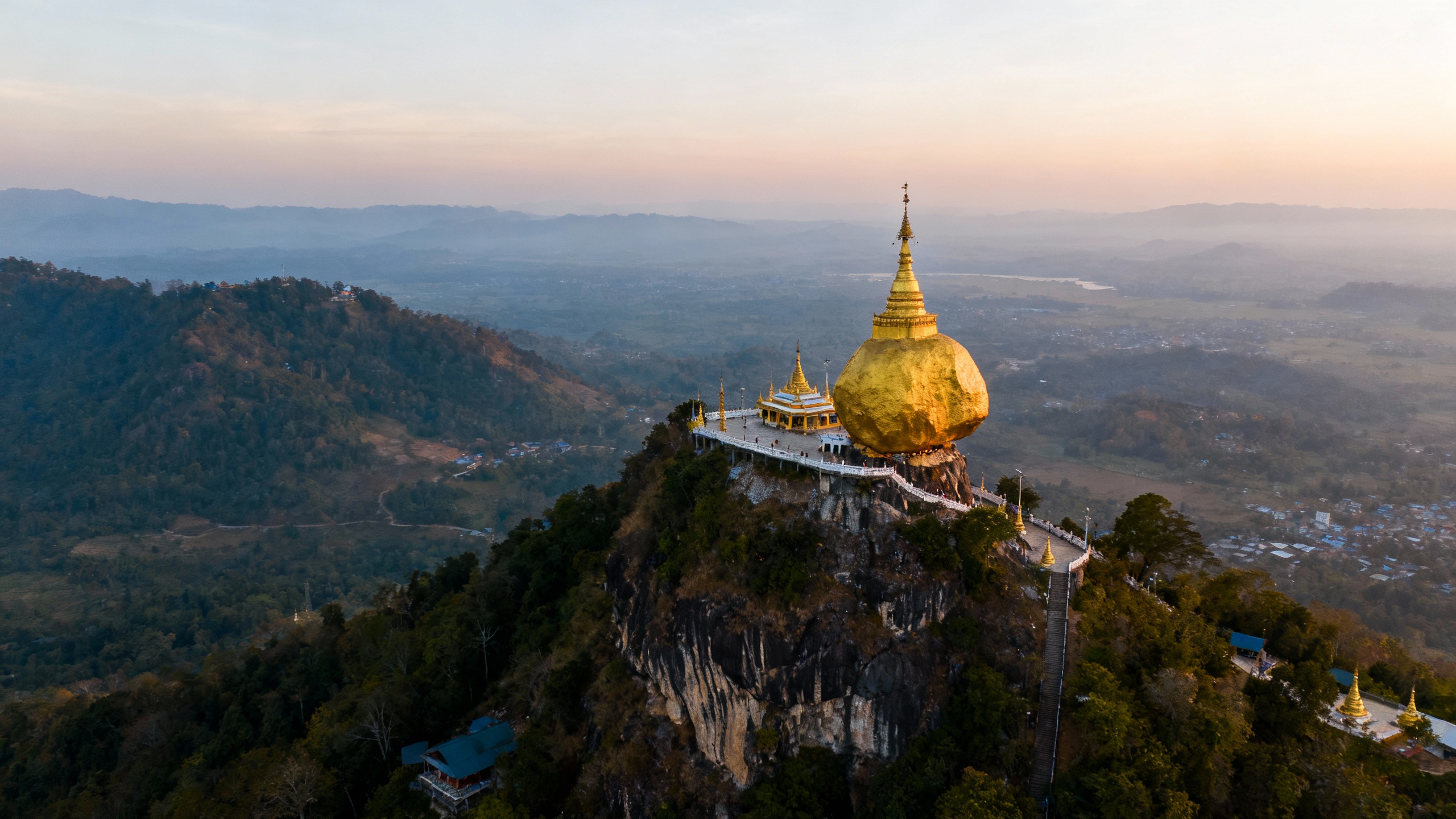
Though a religious site rather than a ruin, Kyaiktiyo Pagoda is an iconic ancient landmark balancing a giant golden boulder on a mountain ledge. It’s believed to be balanced by a strand of Buddha’s hair. The approach to the summit involves a jeep ride followed by a steep hike, best done early in the morning to avoid crowds. Visiting during the dry season from November to March ensures safer trails and spectacular views. Pilgrims and tourists alike find the mix of spirituality and impressive geology unforgettable.
10. Banteay Chhmar, Cambodia
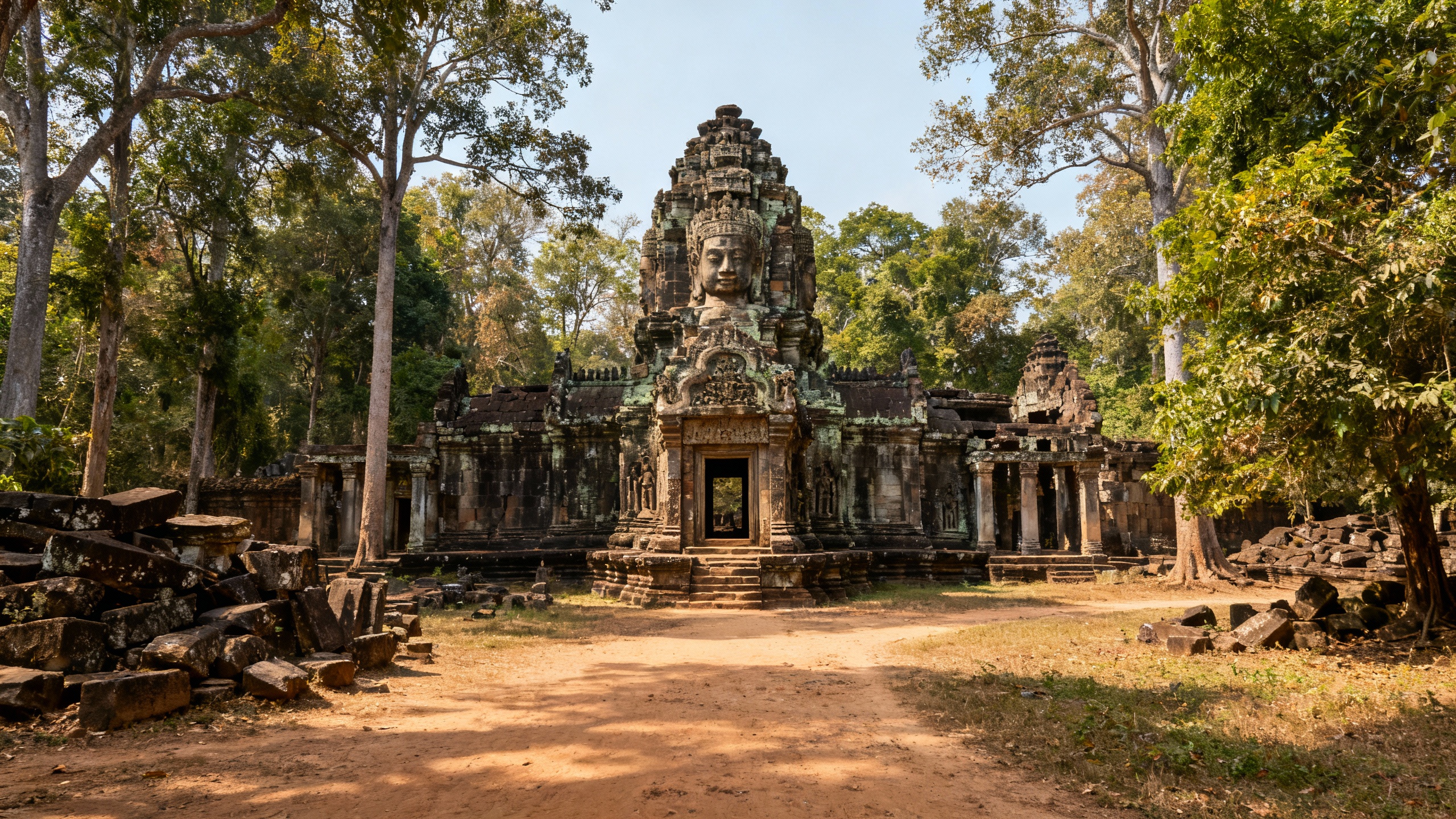
Often overshadowed by Angkor Wat, Banteay Chhmar offers colossal temple ruins with extensive bas-reliefs depicting Khmer warriors and gods. Located near the Thai border, it remains less developed and less crowded, appealing to intrepid travelers. Access requires a long drive plus a short boat trip during parts of the year, adding to its off-the-beaten-path charm. The dry season is best for travel and permits can be arranged locally or as part of guided tours. The site’s remoteness means you’ll often have it almost to yourself.
11. Tomb of King An Dương, Vietnam
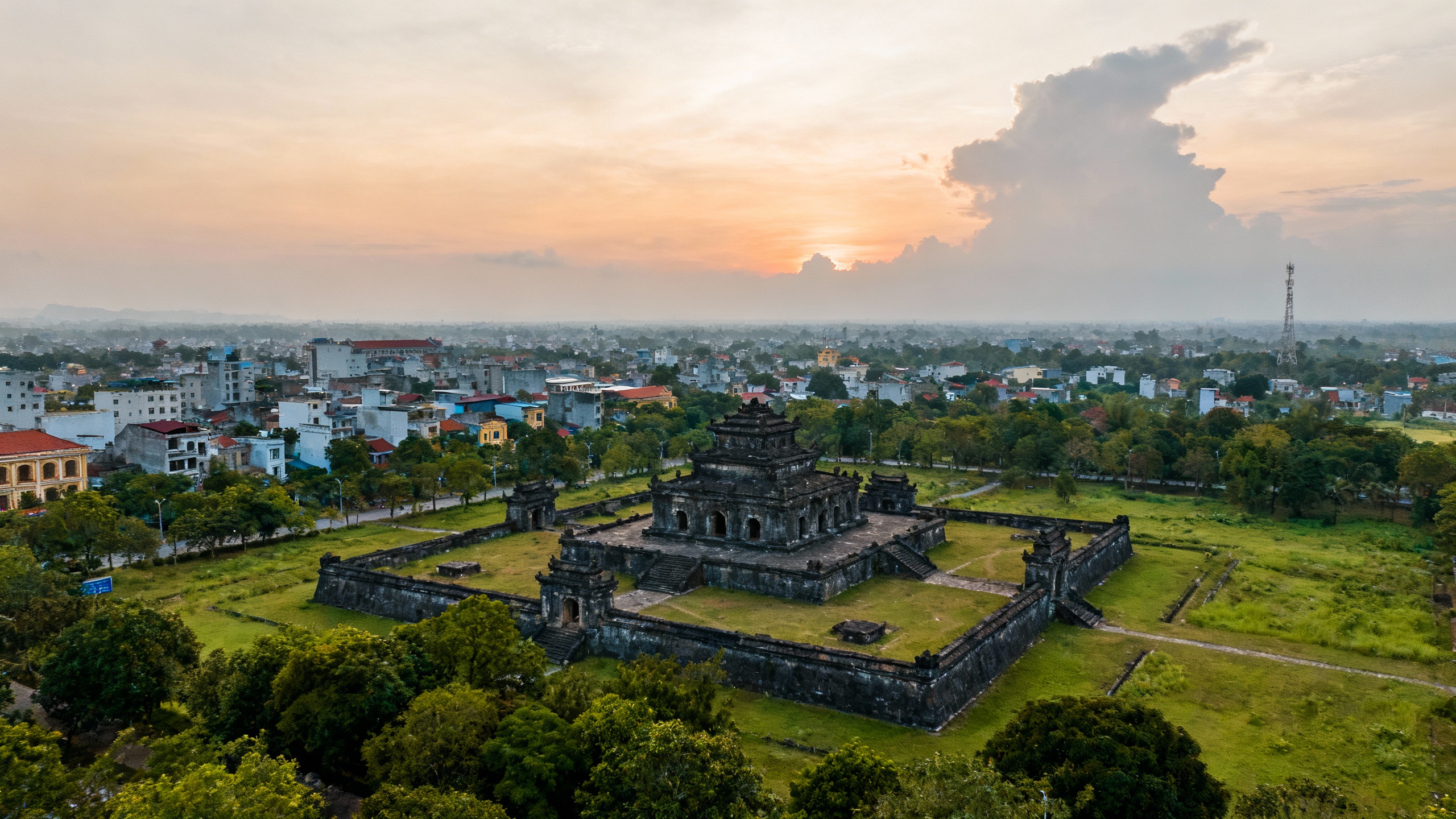
Located in northern Vietnam, this tomb commemorates the ancient kingdom of Âu Lạc and its legendary king. The site encompasses archaeological findings illustrating early Vietnamese state formation. Visitors appreciate the combination of natural beauty and historical significance along the Red River Delta. Springtime visits provide pleasant weather and blooming flora. Admission tends to be low cost, and local guides offer detailed stories connecting history with regional culture.
12. Takht-i Sangin, Tajikistan
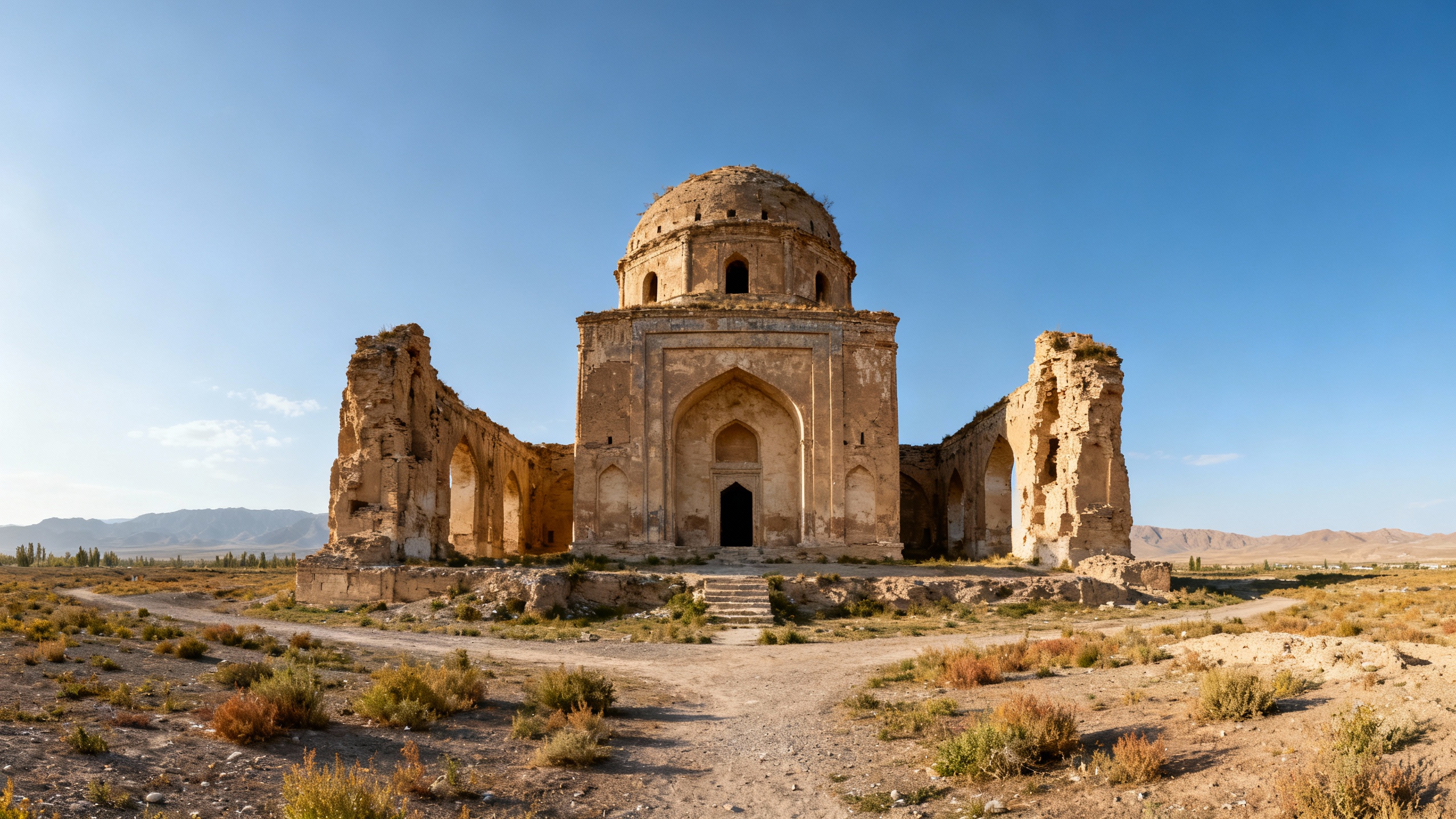
This archaeological site along the Amu Darya River uncovers the remains of a temple dating back to Greek Bactrian times. Its location highlights the crossroads between Hellenistic and Asian cultures centuries ago. The ruins feature columns, altars, and intricate stonework, giving a glimpse of ancient religious life. Due to its remote mountain setting, travel is best planned for late spring to early fall when roads are passable. Visitors benefit from hiring guides familiar with regional history to fully appreciate the site’s significance.
13. Sembiran Village Ruins, Bali, Indonesia
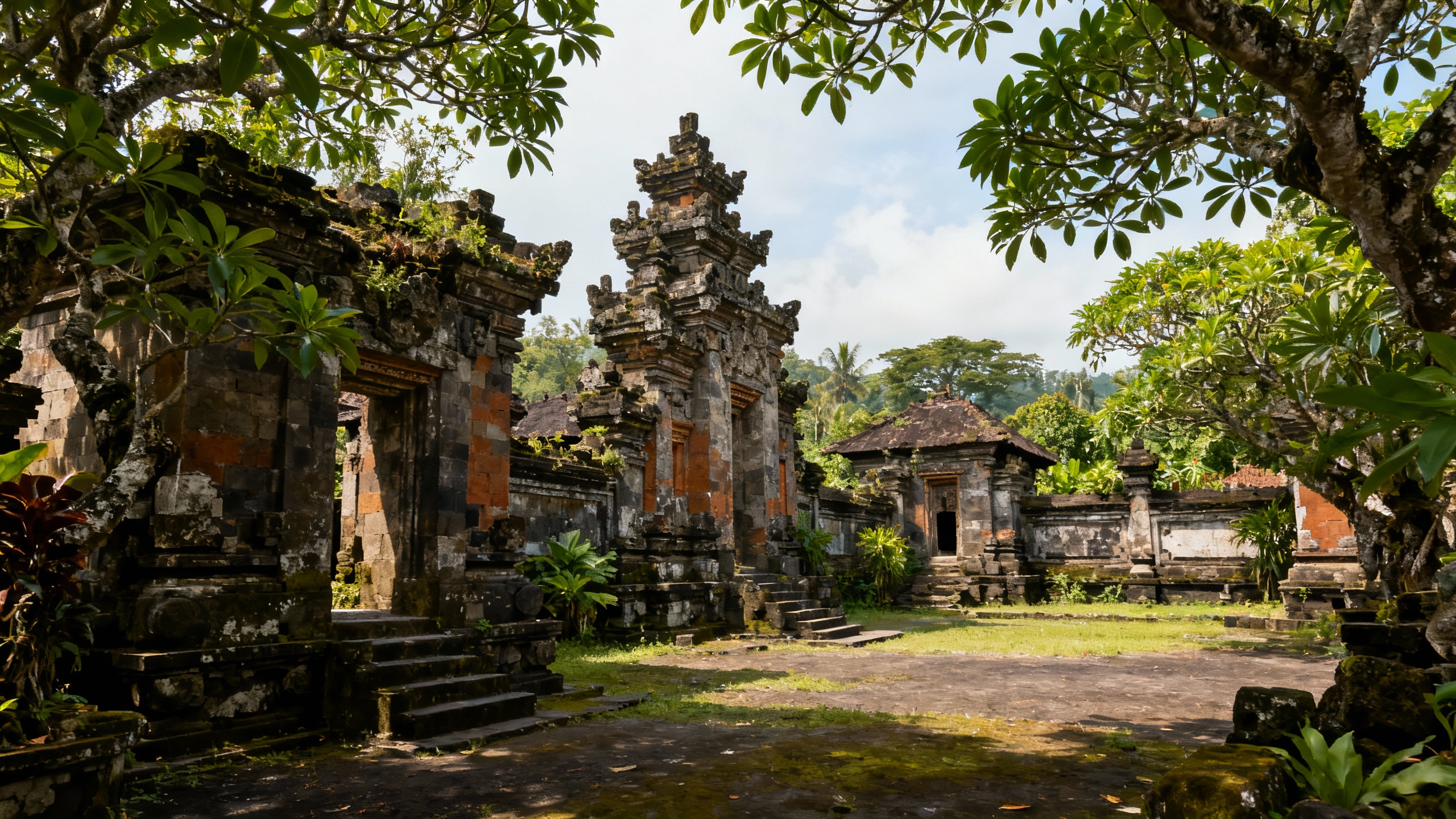
Sembiran’s ruins reveal early Balinese civilization as uncovered by recent archaeological digs in northern Bali. Stone foundations and artifacts paint a picture of village life centuries ago amid the island's volcanic backdrop. The area has a local, authentic feel without the heavy tourist traffic found elsewhere in Bali. The ideal time to visit is during the dry months from May to September, combining cultural exploration with nearby beaches and mountain treks. Entry is typically free or very low cost, with locals happy to share stories about the discoveries.
This article was written by Hunter and edited with AI assistance. The Daily Dive travel desk uses AI-assisted visuals and content that were reviewed and approved by our editors prior to publication.
© 2026 Daily Dive