

Some cities are exhilarating in small doses, but exhausting if you stay too long or visit at the wrong time. For this 2026 travel take, I’m leaning on 2025 style “stress” metrics that try to quantify what wears people down in daily life: commute time, cost of living, crime and safety pressure, air pollution, and access to quality healthcare. That does not mean these places are bad or not worth visiting. Many of them are iconic for a reason, and you can absolutely have an amazing trip with smart planning. The point is simple: these are the cities that repeatedly show up as high-stress when you look at measurable pressure points from 2025, so going in prepared makes a huge difference.
New York City, United States

New York is thrilling, but it can feel like the city is always asking you to move faster, spend more, and tolerate crowds with a smile. The biggest stress triggers are the constant congestion, the high cost of everyday basics, and how quickly a simple outing turns into a timed mission. Even when you plan well, you still deal with packed sidewalks, loud streets, and a pace that rarely slows down. For travelers, the pressure shows up in hotel prices, reservations, and the feeling that you need to “do it all” because it is New York. The antidote is building in calm anchors like a museum morning, a long walk in Central Park, or a neighborhood day where you do fewer big sights and more local stops. If you treat New York like a series of small experiences instead of one giant checklist, it becomes a lot less stressful.
Dublin, Ireland

Dublin is friendly and fun, but the stress factor often comes from how quickly costs add up and how slow it can feel to get across the city at peak times. Short distances can take longer than you expect, which makes tight schedules feel annoying fast. Visitors also run into sticker shock, especially for hotels and last-minute bookings during busy weekends. If you are coming in 2026, it helps to plan your nights strategically because neighborhoods matter, and staying central can reduce the “commute fatigue” that builds up over a few days. The city is also compact enough that crowding can feel intense in the most popular areas, particularly around nightlife zones. The best way to keep Dublin enjoyable is to slow your pace, book a few key things early, and balance the center with quieter coastal day trips where the air and space feel like a reset.
Mexico City, Mexico

Mexico City is one of the world’s great capitals, but it can also feel like a sensory marathon if you try to do too much too quickly. Traffic is a major stress driver, and it can turn a normal day into a string of long rides if you bounce between far-apart neighborhoods. The city’s scale means you need a plan, otherwise you end up wasting time in transit and feeling behind before lunch. Safety concerns also add mental load for visitors, especially if you are unfamiliar with which areas are best at night and which transport choices are smartest. Add altitude, and some travelers feel more tired than expected, which can make everything feel harder. To travel Mexico City with less stress in 2026, pick one main base neighborhood, cluster activities by area, and build in breaks because the city rewards slow exploration more than sprinting.
Manila, Philippines

Manila can be a tough city for travelers who love easy walking days and spontaneous plans. The main stress point is traffic and logistics, since crossing the city can feel like a gamble that steals hours from your itinerary. Walkability varies a lot, so you often rely on rides, and that can make the trip feel less free and more scheduled. The noise, heat, and crowds can also wear you down, especially if you are arriving jet-lagged or using Manila as a quick stopover. For many travelers, the city works best as a gateway rather than the main event, which says a lot about how demanding it can feel day to day. If you want to enjoy Manila more in 2026, choose a specific area to base yourself, keep plans geographically tight, and treat it like a food-and-culture stop with built-in downtime instead of trying to “see everything.”
London, United Kingdom

London is incredible, but it can be quietly stressful because it is expensive, busy, and time-consuming even when everything goes right. Commuting across the city, even as a tourist, can eat up more time than you expect, especially if you are hopping between far-flung attractions. The cost of basics adds pressure too, from hotels to transit to anything you grab on the go. Crowds are another factor, particularly around major sights, where you sometimes feel like you are inching forward rather than sightseeing. The weather can add a layer of friction, because a rainy day makes the city feel more cramped and slower. The trick in 2026 is to travel London like a local: spend whole days in one or two neighboring areas, book timed tickets when possible, and build your itinerary around neighborhoods, parks, and museums that let you breathe.
Milan, Italy

Milan looks sleek and effortless, but it can feel stressful if you expect a relaxed Italian pace and instead get a busy, fast-moving city. It is a major business hub, so the energy can feel more work-focused, especially during weekdays. Costs can also surprise travelers, particularly for centrally located hotels and popular restaurants if you do not book ahead. Crowding spikes around the most famous sights and shopping zones, and that can make the experience feel rushed rather than romantic. The stress factor is not that Milan is unsafe or chaotic, it is that it can feel transactional if you do not plan for the moments that make it charming. To make it feel softer in 2026, balance the big-ticket attractions with slower aperitivo time, neighborhood wandering, and easy day trips that give you a break from the city’s sharp edges.
Athens, Greece

Athens is a city of huge history, but it can also feel intense due to heat, traffic, and crowds that concentrate in the same few areas. In warmer months, the combination of sun and stone can exhaust you quickly, which makes everything feel more stressful than it would in a cooler climate. The most popular sights can be packed, and that can turn a magical visit into a slow shuffle through lines and tour groups. Noise and congestion add to the feeling, especially in central neighborhoods where traffic and scooters are part of the daily soundtrack. For visitors, the stress often comes from trying to do Athens like a single-day highlight reel instead of giving it breathing room. In 2026, the easy fix is to sightsee early, rest midday, and save evenings for neighborhoods, food, and viewpoints when the city feels more relaxed.
São Paulo, Brazil

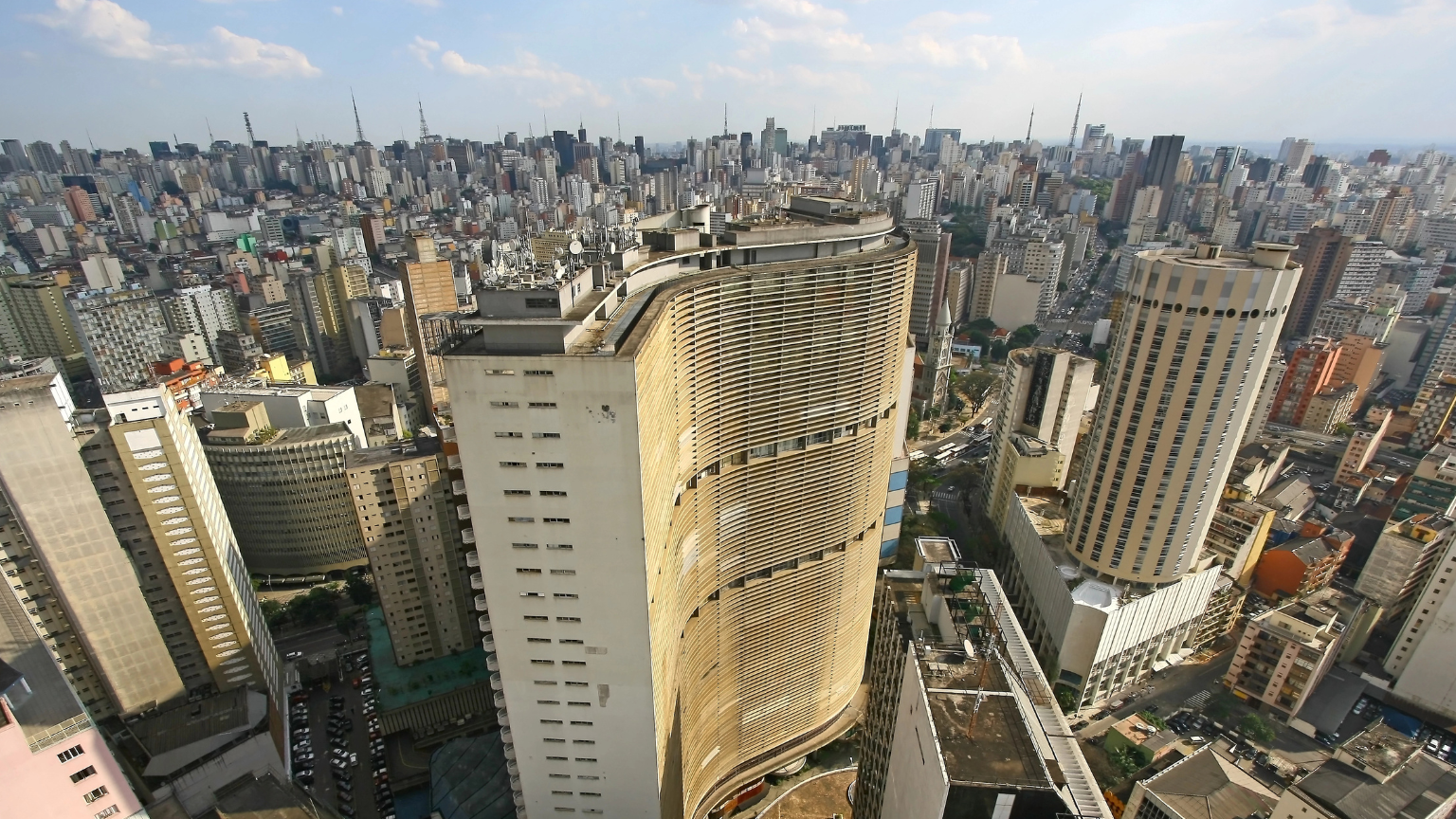
São Paulo is exciting, creative, and massive, and that last part is what drives a lot of the stress. The distances are real, and moving between areas can take far longer than you expect, especially during peak congestion. Big-city safety awareness also adds mental load for first-time visitors, because you need to be mindful without letting it dominate your trip. The city rewards people who plan by neighborhood, since São Paulo is less about one central sightseeing zone and more about pockets of culture, food, and nightlife. If you try to cover too much ground in one day, you end up feeling like you are commuting instead of traveling. The way to enjoy São Paulo in 2026 is to pick a few high-interest districts, book a couple of standout meals, and lean into the city’s strengths like museums, music, and restaurants rather than chasing a traditional tourist checklist.
Turin, Italy

Turin is underrated and often calmer than other Italian cities, but it can still show up as stress-heavy in “metrics” because daily-life pressure points are not always about tourist crowds. Travelers can feel friction when timing is tight, because the city runs on a real local rhythm that does not always cater to quick-hit tourism. Costs can creep up in subtle ways, and navigating transit and logistics can feel less intuitive if you are arriving from more tourist-optimized cities. The city also has a more serious, industrial-rooted vibe compared to places like Florence or Rome, which can feel less “vacationy” if your expectations are all sunshine and gelato. None of this makes Turin a bad trip, it just means it is best for travelers who enjoy slower cultural travel rather than nonstop attraction hopping. In 2026, Turin shines most when you treat it as a food, cafe, and museum city and let your schedule breathe.
Kolkata, India

Kolkata can be deeply rewarding, but it is also the kind of city that can overwhelm travelers who are not ready for density, traffic, and sensory intensity. Getting around can take longer than expected, and the combination of crowds, noise, and heat can drain your energy quickly. Air quality concerns also weigh on some visitors, especially during periods when pollution levels feel noticeable. The emotional stress can come from how constant everything feels, since the city does not really “power down” in the way quieter destinations do. For travelers, the key is choosing comfortable lodging, pacing your days, and building a routine that includes rest and hydration rather than trying to power through. If you approach Kolkata in 2026 with patience and structure, it can be unforgettable, but it is rarely a relaxing trip.
Pretoria, South Africa

Pretoria can be a fascinating stop with history and government landmarks, but stress metrics often flag it because safety concerns can shape daily decisions. For travelers, that can translate into more planning, more reliance on cars or trusted rides, and fewer spontaneous wandering moments. Even if you personally feel fine, the need to stay alert can create background tension that wears on you over time. Logistics can also feel less straightforward than in more tourist-oriented South African destinations, which can add friction if you are short on time. The best way to reduce stress is to plan your movements intentionally, stay in a well-reviewed area, and use local guidance for what to do and when. In 2026, many visitors find Pretoria works best as part of a broader itinerary, rather than a place where you try to fill long, unstructured days.
Cairo, Egypt

Cairo is iconic, but it can be one of the most mentally demanding big-city travel experiences, especially for first-timers. Traffic is intense, noise is constant, and the sheer volume of people and movement can feel like a full-body workout. Many travelers also report “decision fatigue” here, because you are constantly navigating logistics, negotiating prices, and sorting out what is worth your time. On top of that, heat and air quality can make long sightseeing days feel heavier than expected. The city is absolutely worth experiencing for its history and energy, but it is rarely restful, and you feel that quickly if you overpack your itinerary. For a smoother 2026 trip, book a strong guide for key days, choose a calm hotel base, and build in breaks so Cairo’s intensity feels thrilling instead of exhausting.
This article was written by Hunter and edited with AI Assistance