
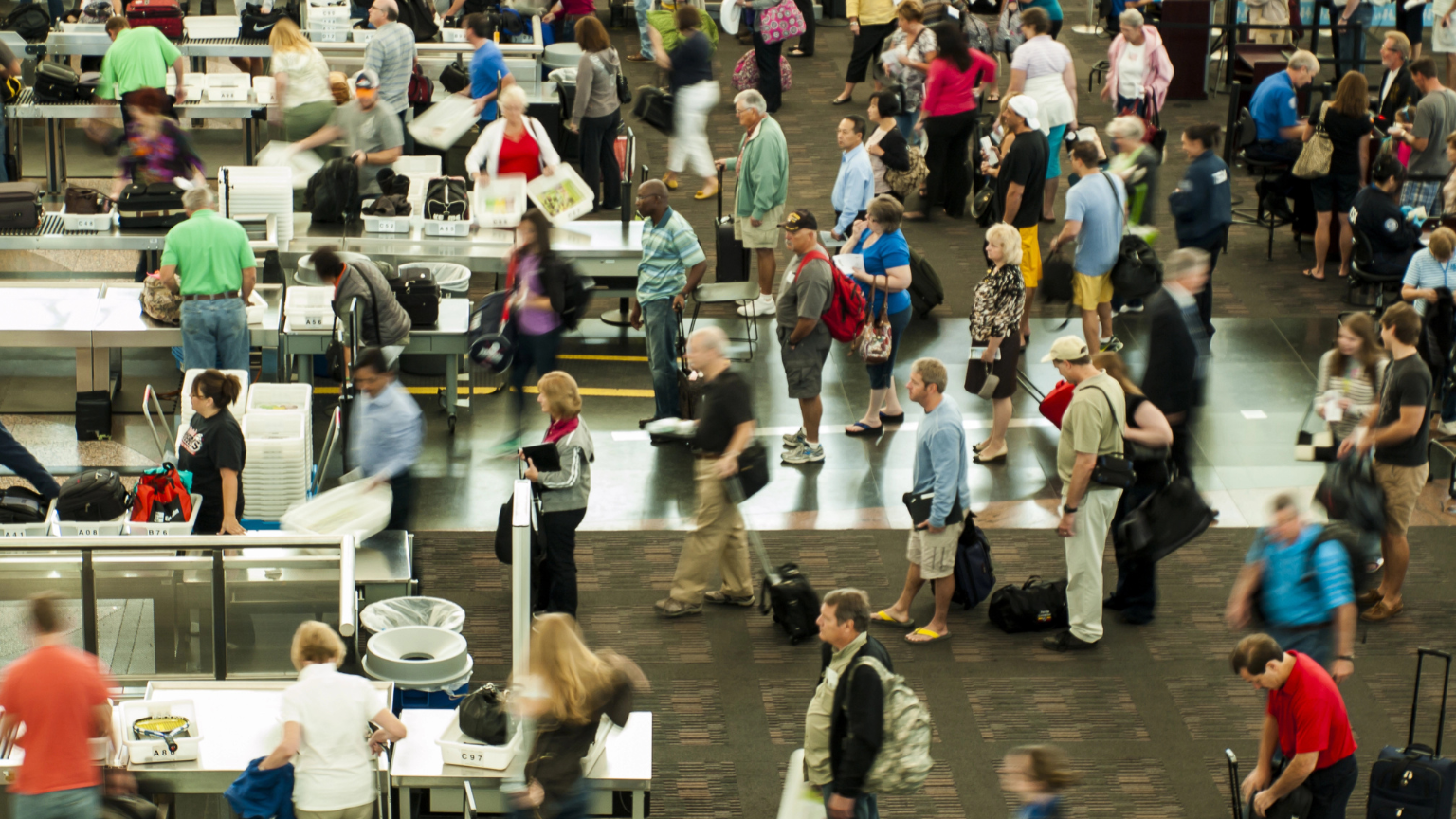

The government shutdown is finally over, flight restrictions have been lifted, and planes are back in the air. Even so, many travelers are heading into Thanksgiving week with fresh memories of canceled flights, delays, and confusing headlines. The good news is that aviation experts say airlines know this season inside and out and are prepared for the holiday rush. The bigger question is whether travelers are ready. With winter storms, packed airports, and busy highways all in the mix, a little extra planning can make your trip feel a lot less stressful.
How Busy Will Thanksgiving Travel Be?
Expect crowded planes and busy security lines. A week after lifting the unusual flight restrictions put in place during the shutdown, the Federal Aviation Administration is gearing up for its heaviest Thanksgiving week in about 15 years. More than 360,000 flights are scheduled between Monday and the following Tuesday, which means the Transportation Security Administration expects to screen over 17.8 million passengers in that stretch.
The roads will not be much quieter. AAA projects that at least 73 million people will travel by car for Thanksgiving, an increase of about 1.3 million drivers compared with last year. That translates to heavier traffic around major cities, longer travel times, and more competition for parking at rest areas and service plazas.
Aviation operations expert Sheldon H. Jacobson says airlines understand the demands of this week very well and know how to staff and schedule for it. In his view, the focus now shifts to travelers doing what they can to stay flexible, informed, and prepared for the usual holiday complications.
Winter Weather: Plan for the Worst, Hope for the Best
You cannot control a snowstorm or icy runway, but you can decide how you will respond if your plans are disrupted. Before you leave home, think through your backup options. If a winter storm cancels your flight, will you try to rebook, shift to another airport, drive instead, or decide to postpone the trip entirely? Having a plan in mind can make a chaotic situation feel more manageable.
James Belanger, vice president of meteorology at the Weather Company, recommends checking the forecast often in the days leading up to your trip. Do not just glance once and move on. Monitor how conditions are changing both at your departure airport and at your destination.
The Weather Channel now offers a Thanksgiving week forecast that highlights major airports and highways that could see delays due to snow, ice, or heavy rain. It also provides a free online tool that helps you see how different weather scenarios might affect your specific route.
Tuesday is expected to be the FAA’s busiest day, with more than 52,000 flights on the schedule. Forecasters say rain could create headaches across the Pacific Northwest and a large swath of the eastern United States. Major airports serving Atlanta, Chicago, New York, Philadelphia, Seattle, and Washington, D.C. are among those that could feel the impact. If your itinerary touches any of these cities, it is especially important to keep a close eye on the forecast.
What to Pack (and What to Leave Behind)
Jacobson, whose research helped shape the TSA PreCheck program, has a slightly unusual packing tip: start by unpacking. Before you load up your suitcase, go through every pocket of your luggage, jacket, and personal item. Look for forgotten items like full-sized liquid bottles or other TSA-restricted products that might have been left from a previous trip. Removing them ahead of time can save you from delays or bag checks at a crowded checkpoint.
If you are bringing holiday gifts, wait to wrap them until you arrive. TSA agents may need to open parcels to inspect them, and carefully wrapped presents can end up torn apart in the process. Packing them unwrapped or using gift bags at your destination can help you avoid that frustration.
Belanger also recommends checking the “feels like” temperature at your destination rather than relying only on the basic forecast. Wind and humidity can make it feel much colder or warmer than the actual number suggests, especially if you are not used to winter climates. This can help you decide whether you really need that bulky coat or extra pair of boots.
Do not forget about identification either. You will need a REAL ID-compliant license or another acceptable form of ID, such as a passport or military identification, to fly within the United States.
For some travelers, digital options are expanding. People with iPhones can now store their U.S. passport details in Apple Wallet and have them scanned at participating airports. More than a dozen states have also begun accepting some form of mobile ID at security checkpoints. If you are interested in using a digital ID, check the latest information on the TSA website and confirm that your departure airport supports it before you rely on it.
Getting Your Car Road Trip Ready
If you are driving for Thanksgiving, or plan to drive as a backup if flights go sideways, it pays to treat your car like part of your travel checklist. AAA spokesperson Aixa Diaz advises checking your tires, battery, and fluids before you hit the road and starting the journey with a full tank of gas. Last year, AAA responded to nearly 600,000 roadside assistance calls during the Thanksgiving period alone, many of them for dead batteries, flat tires, and empty fuel tanks.
Traffic data paints a clear picture of when the roads are likely to be the most congested. According to an analysis by Google Maps:
- On the Wednesday before Thanksgiving, traffic is expected to be about 14 percent heavier than normal between 10 a.m. and 4 p.m., with the worst congestion from 1 p.m. to 3 p.m.
- On Thanksgiving Day itself, the busiest window on the roads is typically from noon to 3 p.m.
- For the trip home, the most crowded times to drive are between 12 p.m. and 3 p.m. on both Saturday and Sunday.
If you have any flexibility, try to drive early in the morning or later in the evening to avoid those peak hours. Build in extra time for rest stops, especially if you are traveling with kids, pets, or older family members.
How to Be an Informed, Low-Stress Passenger
Jacobson likes to say that the best passenger is the one who stays informed. In practice, that starts with downloading your airline’s mobile app and turning on notifications. Use it to track your flight status in the days and hours before you leave, not just when you arrive at the airport. If a cancellation or major delay appears the night before, you will be able to look for alternative flights and options right away instead of joining a long line of frustrated travelers at the gate.
Whether you are flying or driving, leave earlier than you think you need to. Giving yourself a generous time buffer can lower your stress level significantly, especially if you are worried about lingering disruptions from the shutdown, traveling with young children, or helping someone who needs extra time to move through the airport.
In the end, the same simple steps go a long way every holiday season. Check the weather. Know your backup plans. Clear out your bags before security. Prepare your car. Stay flexible and stay informed. The shutdown may be over, but the usual Thanksgiving rush is very much alive, and a little planning now can help your trip feel smoother from start to finish.
Follow us on MSN for all your travel and lifestyle tips.
This article was written by Hunter and edited with AI Assistance