
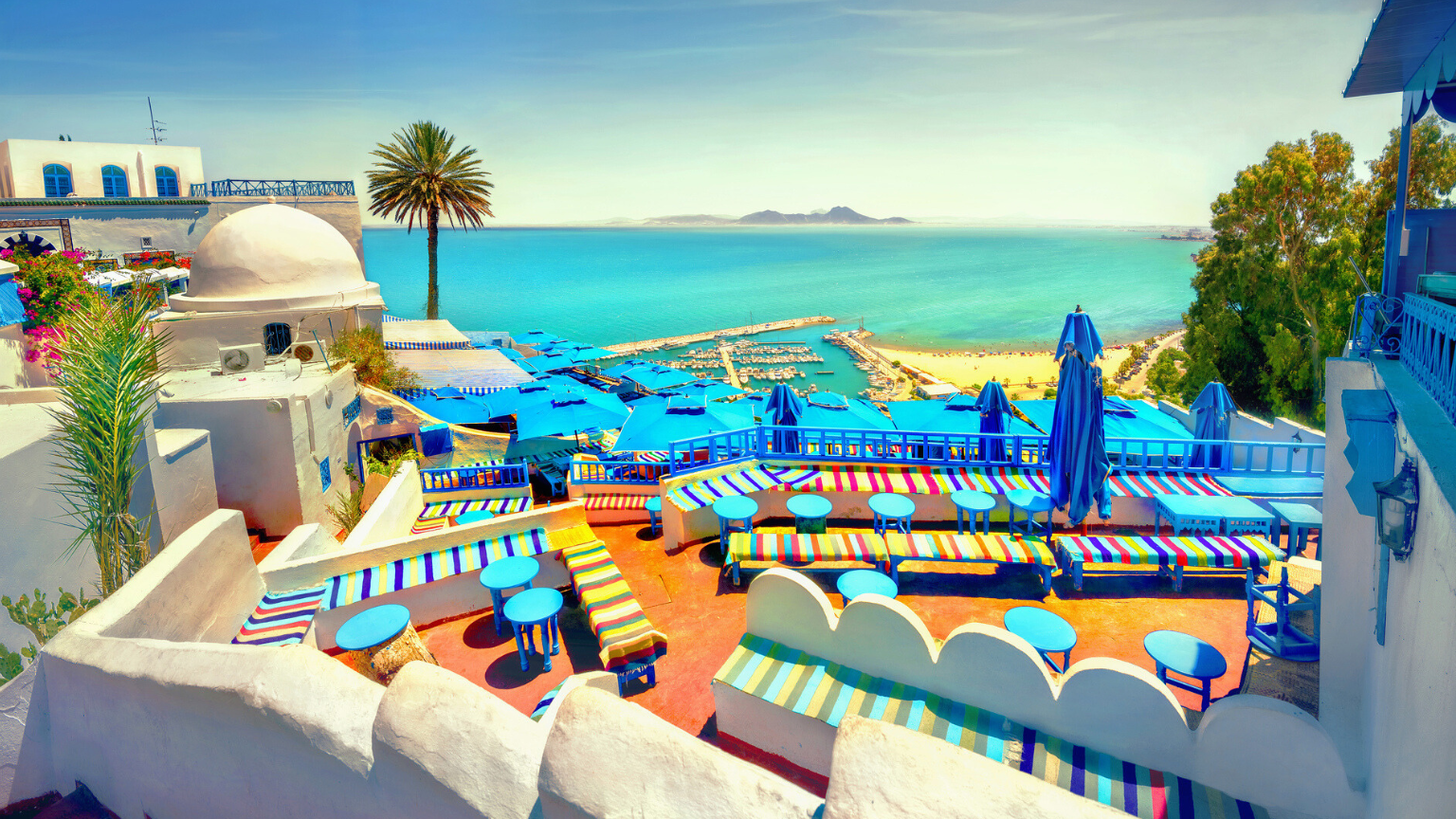

A Mediterranean favorite finds its footing again
A decade after the 2015 attack shook Tunisia’s travel industry, the country has rebuilt its reputation and returned to the Mediterranean spotlight. Recent industry reports from early September 2025 point to a broad-based revival powered by tighter security, a strong push for sustainable travel, and a renewed focus on Tunisia’s deep cultural roots. Travelers from across Europe and the United States are back, and many are discovering more than beaches: historic cities, desert landscapes, and UNESCO-listed treasures are part of the draw.
From recovery to outperformance
Tunisia didn’t just stabilize its tourism sector; it pushed past pre-crisis benchmarks. By mid-July 2025, the country welcomed 5.3 million visitors, up 10% from the same period in 2024. Officials are aiming for 11 million arrivals by year’s end, a target that reflects coordinated work between government and industry. The turnaround stems from practical changes visitors can feel, including visible safety measures and a clearer message about what Tunisia offers beyond the resort corridor.
What changed: security, strategy, and storytelling
Authorities invested in traveler confidence. Police presence expanded in key areas, discreet surveillance improved, and safety protocols became part of everyday operations in major visitor zones. At the same time, Tunisia sharpened its marketing to highlight authentic experiences and responsible travel. The result is a broader narrative: yes, there are classic Mediterranean beach days, but there are also ancient cities, living medinas, Roman and Punic sites, Berber heritage routes, and protected parks that reward curious travelers.
A telling sign: British travelers are back
One of the clearest indicators of regained trust is the return of British holidaymakers. In June 2025, arrivals from the United Kingdom jumped 48% year over year. Airlines restored charter and scheduled service, airports ramped back up, and tour operators began rebuilding programs that had been scaled down after 2015. Because the UK is a strategic market for Tunisia, this rebound both boosts near-term revenues and sends a reassuring signal to buyers and travelers across Europe.
Beyond the beach: a culture-first Tunisia
Carthage and the medina of Tunis
A short rail ride from the capital, Carthage remains a defining stop for visitors interested in classical history. Its Punic and Roman remains are part of a UNESCO World Heritage landscape that invites slow exploration. Back in the city, the medina of Tunis offers another UNESCO-listed experience with winding lanes, artisan workshops, ornate tilework, and market life that immerses travelers in everyday Tunisian culture.
Kairouan’s spiritual and architectural weight
Kairouan, one of Islam’s most revered cities and a UNESCO World Heritage site, has become a centerpiece of the cultural itinerary. Visitors come for centuries-old mosques, distinctive architecture, and a sense of continuity that connects faith, history, and craft. Interest here has grown faster than expected, underscoring how demand is shifting toward heritage-rich destinations.
Sustainability moves from concept to practice
As tourism returned, Tunisia leaned into eco-friendly policies that resonate with travelers who want to reduce their footprint. Rural tourism programs encourage stays in smaller towns and villages so more communities share in visitor spending. This approach spreads benefits beyond resort districts and helps protect cultural traditions and local ecosystems.
The National Tourism Office has also promoted nature-focused trips to protected areas such as Ichkeul National Park, a UNESCO biosphere reserve known for wetlands, birdlife, and striking scenery. Pairing resort capacity with conservation has positioned Tunisia as a destination where beach time can sit alongside birdwatching, hiking, and low-impact cultural touring.
What travelers can expect on the ground
- Visible safety efforts: Increased security and thoughtful surveillance in high-traffic areas contribute to a calm, predictable experience.
- A wider range of itineraries: Tour operators now blend coast and culture, adding archaeological sites, medinas, and desert gateways to classic sun-and-sea plans.
- Community-based options: Guesthouses, rural stays, and guided nature excursions are easier to book and help distribute tourism’s benefits.
- Momentum in airlift: As carriers reinstate routes, flight options continue to improve, especially from major European hubs.
The bottom line
Tunisia’s travel story over the past decade is one of steady rebuilding and smart repositioning. Stronger security, coordinated outreach, and a richer mix of cultural and nature-based experiences have rebuilt trust and renewed interest. Rising visitor numbers — including a sharp increase in British arrivals — confirm the shift.
Looking ahead, growth will likely track three pillars: sustainability, heritage, and warm, practical hospitality. With extraordinary historical depth, lively cities, and protected natural areas, Tunisia looks set to keep climbing in global rankings and to welcome a new wave of travelers who want more than a beach holiday.
Follow us on MSN for all your travel and lifestyle tips.
This article was written by Hunter and edited with AI Assistance