

Not every great destination rolls out the red carpet the same way. In some places, crowds, local rules, or simple city pace can make visitors feel a little out of step. None of the cities below are anti tourist, but each has quirks that can come off as chilly if you do not know the rhythm. Here is what that vibe can feel like on the ground, plus practical tips to help you fit in and have a smooth trip.
New York City, New York

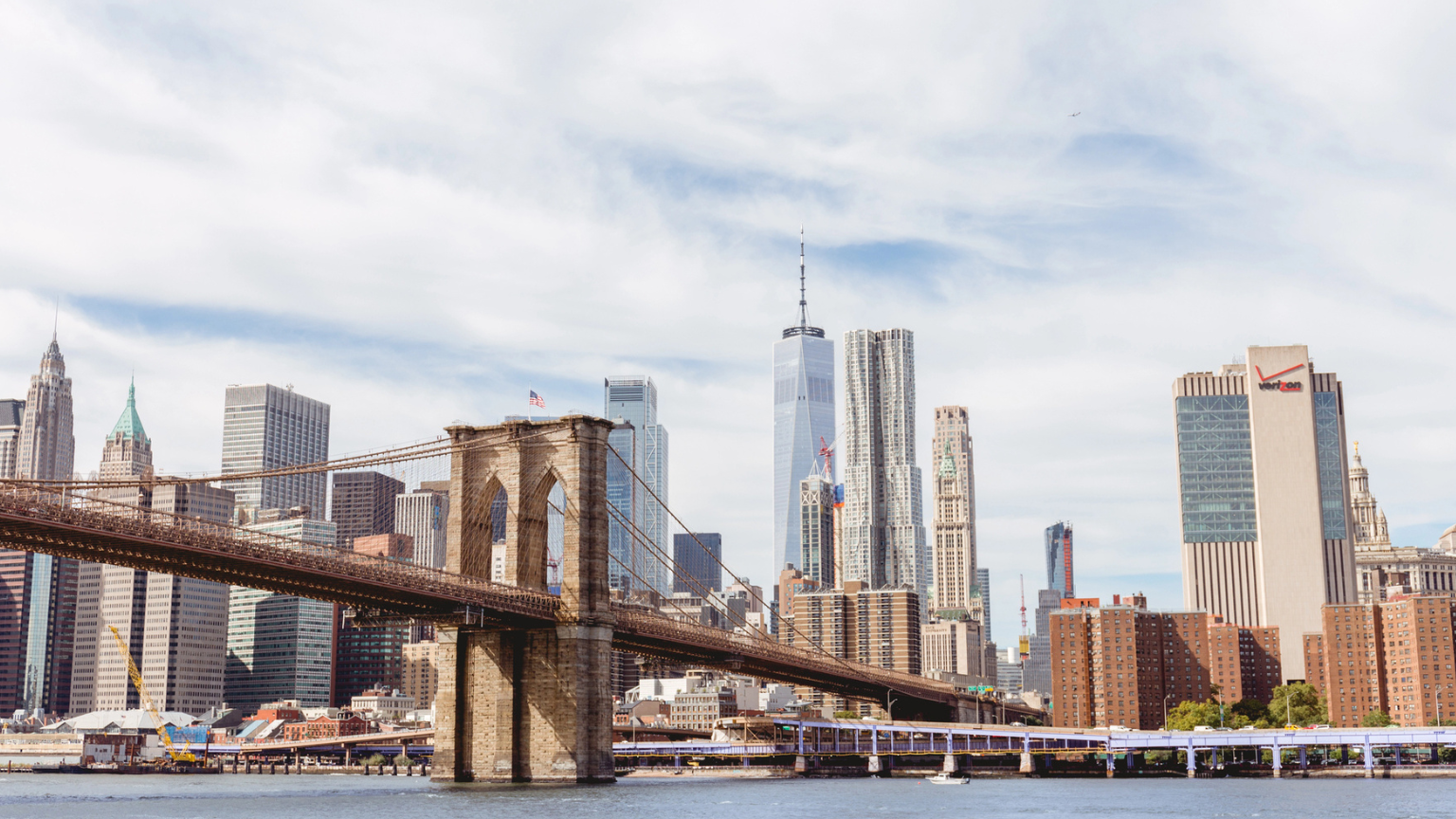
New York moves fast and expects you to keep up, which can read as unfriendly when you have a suitcase and a map. Commuters will nudge past on subway stairs, and taxi lines move with purpose. Restaurants often run on tight table turns, so lingering too long can earn side glances. Hotel prices and add on fees make first impressions feel transactional rather than warm. Popular sights like Times Square and the High Line get wall to wall busy, and locals avoid them during peak times, which can make tourists feel like a separate crowd. If you follow the flow, stand to the right on escalators, and make reservations, you will find that New Yorkers are helpful when asked directly and appreciate visitors who respect the pace.
San Francisco, California

San Francisco’s beauty is undeniable, but the contrast between postcard views and everyday street challenges can be jarring. Visitors sometimes encounter car break ins near scenic pullouts and trailheads, which dampens the welcome. Parking rules are strict and tickets are common on hills and street cleaning days. Restaurant culture can feel reserved and pricey, and popular bakeries and cafes run out of favorites by mid morning. Microclimates mean sudden fog and wind, so underdressed visitors can feel unprepared and uncomfortable. Build in transit time, skip leaving anything in the car, and explore neighborhoods beyond the most photographed blocks to find a friendlier, more local rhythm.
Honolulu, Hawaii

Honolulu depends on tourism, yet waves of visitors mean crowded beaches, booked out eateries, and a sometimes weary tone from service staff in peak seasons. Resort and parking fees add to sticker shock and can make even simple beach days feel complicated. Local rules on reef safety, beach alcohol, and quiet hours are taken seriously, and enforcement can come across as stern to first timers. Rental cars overwhelm popular lookouts early, and late arrivals circle for ages. Outside Waikiki, some neighborhoods prefer slower tourism and ask visitors to respect cultural sites and residential beaches. Book dining slots, use TheBus or rideshares for short hops, and learn a bit of etiquette around sacred places to change the reception you get.
Miami Beach, Florida

Miami Beach is fun forward, but noise ordinances, spring break crackdowns, and strict beach rules can surprise visitors. Alcohol restrictions on the sand, early last call in certain zones, and heavy police presence during big weekends can feel unwelcoming if you expected a free for all. Restaurant host stands value reservations and dress codes more than many beach towns. Parking is expensive and aggressively enforced, and ride pickups are limited on pedestrian heavy blocks. Peak weekends bring surge pricing and long waits that test patience. Travel midweek, book spots ahead, keep beach days low key, and you will find a calmer and friendlier version of the city.
New Orleans, Louisiana

New Orleans loves a party, but locals have grown protective of residential areas near the French Quarter and Marigny. Short term rental crackdowns, noise complaints, and tighter parade season rules reflect that tension. Visitors who wander onto quiet blocks late at night sometimes meet a colder welcome from neighbors who are simply tired. Service speed can be unhurried by design, which clashes with rushed expectations. Street closures for events change traffic patterns daily, and parking rules bite hard in historic districts. Stay near the action if nightlife is your priority, keep voices down on residential streets, and embrace slow meals and early reservations to feel more at home.
Key West, Florida

Key West has a small town heartbeat under its party reputation, and that is where friction can start. Cruise ship waves flood Duval Street, then vanish, leaving staff stretched during rush hours and tips light afterward. Noise rules and sidewalk etiquette are enforced around sunset celebration zones and waterfront neighborhoods. Fishing charters book out by tide and season, so walk up requests often get a firm no that feels personal when it is just logistics. Parking is scarce and meters run long hours, which surprises many visitors. Plan activities two weeks out, walk or bike between sights, and pick local restaurants a block off Duval for an easier welcome.
Sedona, Arizona

Sedona’s red rock trails are magical, yet overcrowding has pushed the city toward stricter trailhead parking and shuttle systems. Visitors who show up at noon expecting easy access often meet full lots and prominent no parking signs that feel unfriendly. Vortex sites and popular overlooks draw selfie traffic that locals try to manage with posted etiquette and volunteer stewards. Restaurant waits stretch on weekends and sunrise photographers dominate pullouts long before breakfast. Car clutter and roadside trespassing around trailheads have frayed patience. Use the free shuttles, hit sunrise or late afternoon slots, and pack out every scrap to find a warmer reception.
Jackson, Wyoming

Jackson welcomes outdoor lovers, but it is a working mountain town with limited housing and short staffed seasons. That reality can color service interactions during peak months, when restaurants quietly cap tables and national park roads back up for miles. Wildlife etiquette is strict and rangers enforce distances that some visitors find unfriendly until they understand the risks. Lodging prices skyrocket during peak wildlife and ski weeks, which can make travelers feel squeezed. Locals guard shortcuts and fragile sites, and off trail wandering earns quick correction. Book early, learn bear and bison rules, and aim for shoulder seasons to experience the town’s friendlier side.
Park City, Utah

Park City hums all winter and again during film festival season, when crowds swell and patience thins. Sundance brings road closures, private events, and badge only lines that make casual visitors feel like extras. Ski season fills parking lots before lifts spin, and resort reservations limit spontaneity on powder days. Restaurant tables disappear weeks ahead, and host stands turn away walk ins with little wiggle room. Nightlife rules and noise limits on Main Street can surprise party minded groups. Plan dinner and lift days in advance, use transit and park and ride lots, and consider a late January or March visit for easier smiles.
Asheville, North Carolina

Asheville’s craft beer and Blue Ridge views draw heavy weekend traffic, and locals notice when downtown turns into a rolling pub crawl. Street parking is tight and garage rates climb fast during festivals, which frustrates first timers. Some breweries and restaurants operate on counter service with limited seating time, which can feel curt to sit down diners. Trailheads near the Parkway fill early, and leave no trace signs are posted everywhere due to past misuse. Short term rental debates have sensitized neighborhoods to party houses and loud late nights. Visit midweek, carpool to hikes, order respectfully at busy bars, and you will find a welcoming, creative city underneath the crowds.
This article was written by Hunter and edited with AI Assistance