
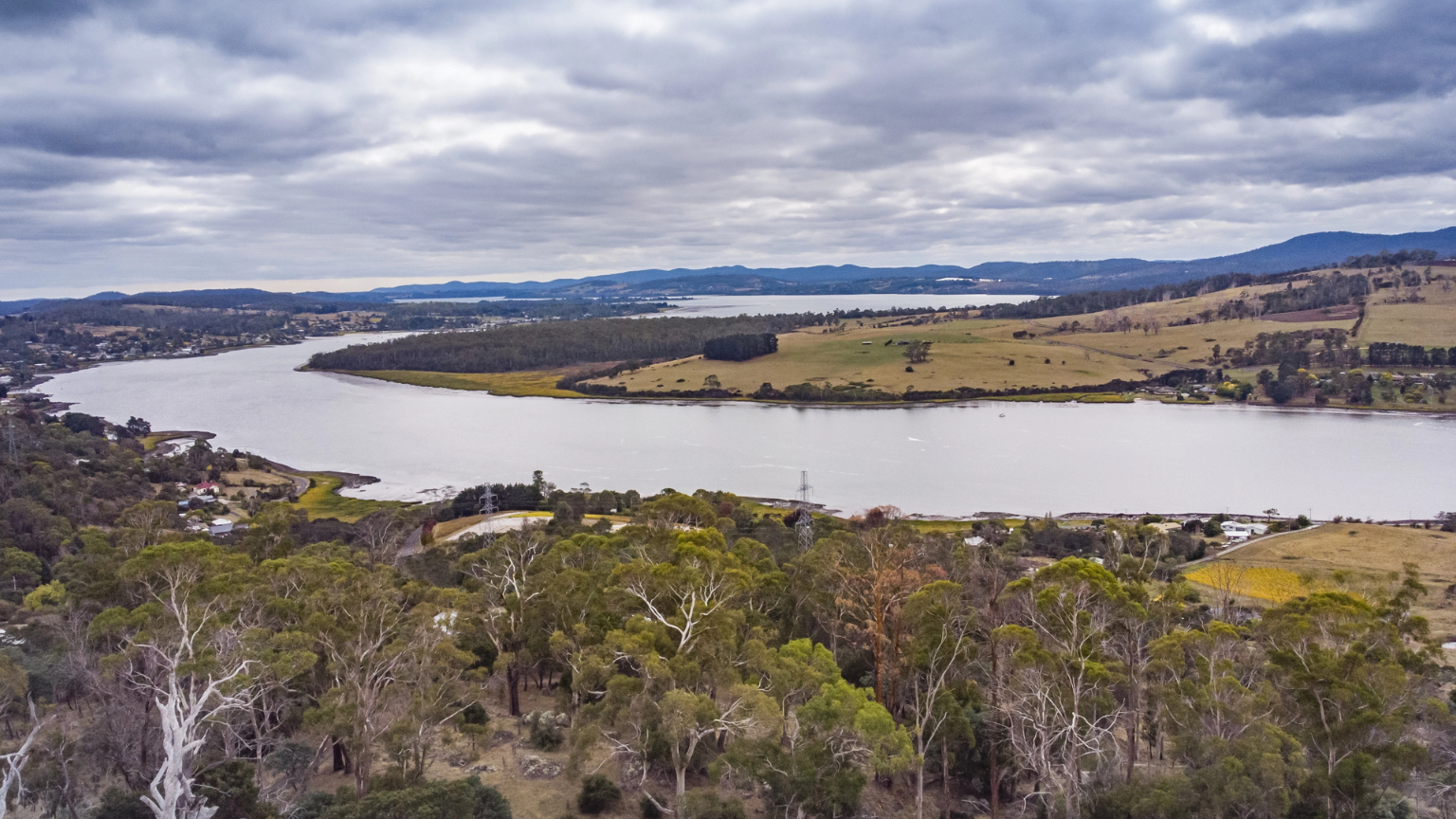

Tasmania’s northern reaches are reshaping the island’s travel narrative. While Hobart has long been Tasmania’s mainstay, Launceston and the Tamar Valley now highlight an architectural and cultural revival. This region blends historic sandstone charm with eco-smart design in boutique wineries, galleries, and community spaces. The result is a fresh, sustainable lifestyle that honors the past while embracing cutting-edge innovation.
Known as Tasmania’s northern jewel, Launceston preserves its 19th-century heritage streets. The city integrates period sandstone buildings gracefully with modern eco-friendly structures. Just ten minutes north lies the Tamar Valley, a wine region gaining quiet acclaim as one of Australia’s best. In 2026, this area leads a broader renaissance, attracting travelers who want immersive, meaningful stays beyond conventional hotspots.
When to Visit
Spring (September to November) and autumn (March to May) offer the most pleasant weather for exploring Launceston and the Tamar Valley. Mild daytime temperatures between 12°C and 22°C, combined with crisp air, encourage winery tours and outdoor activities.
The Tamar Valley proves delightful during harvest season in late summer (February to March). Many vineyards hold festivals and cellar door events showcasing award-winning wines made from cool-climate grapes. Visitors will find fewer crowds than southern Tasmanian regions, enhancing the experience.
Winter months bring a quieter charm with cosier indoor attractions, including galleries and fine dining. Events like the Launceston Fringe Festival in February and the Tamar Valley Wine Festival in March add cultural buzz to the months when the landscape turns leafy and golden.
Where to Stay
Launceston’s city center holds the best range of hotels and boutique lodgings, all within easy reach of galleries and the Tamar River. Peppers Silo Hotel stands out for its design-led, industrial-chic aesthetic converted from historic grain silos. The hotel’s large windows bridge industrial heritage with panoramic views of the Tamar River.
For a more intimate stay, Stillwater Seven is a boutique townhouse hotel in converted sandstone warehouses on the waterfront. It offers a blend of old masonry walls and modern interiors with a strong focus on local art and sustainability.
In the Tamar Valley, the Tamar Valley Resort draws wine lovers with vineyard views, award-winning dining, and eco-conscious architecture. Smaller farm stays and cottages also dot the valley, such as the Riverglade Vineyard Cottages, which use local materials and green technology.
What to Do
Exploring Launceston’s heritage involves walking its well-preserved stone streets, including St John Street, home to cafes and boutique shops in original sandstone buildings. The Queen Victoria Museum and Art Gallery provides a cultural anchor with exhibitions on Tasmanian history and contemporary art. Recent renovations highlight energy-efficient systems and community spaces.
The Tamar Valley offers one of Australia’s greatest winery concentrations. Pipers Brook Vineyard and Josef Chromy Wines are must-visit cellar doors known for sparkling wines and Pinot Noir. Josef Chromy’s tasting pavilion uses passive solar design and harvested rainwater, setting an example of eco-friendly winery architecture.
Nearby, the Beaconsfield Mine & Heritage Centre combines historical storytelling with modern interpretation techniques. It recounts Tasmania’s mining past while housed in a newly built space that honors the old mine’s materials and setting.
The region encourages outdoor adventures, such as river cruises along the Tamar River or cycling trails connecting vineyards. The Tamar Island Wetlands Reserve, accessible via boardwalk, offers an eco-conscious nature experience close to town. Guided tours highlight native wildlife and restoration projects.
Where to Eat
Launceston’s food scene has blossomed alongside its architectural renaissance. Stillwater Restaurant, located in a historic flour mill, scores high for merging local produce with innovative menus. The timber and sandstone setting enrich the dining ambiance.
For a more casual but thoughtful meal, Black Cow Bistro specializes in Tasmanian beef and seasonal fare sourced within 100 kilometers of the city. Its simple decor and open kitchen emphasize authenticity.
The Tamar Valley brings vineyard dining to the fore. The 41 Degrees South Dining Room at the Tamar Valley Resort offers award-winning food paired with estate wines in a setting that blends natural stone and glass.
Small cafés scattered throughout Launceston’s historic streets provide a steady flow of artisan coffee and fresh pastries. The Blue Door Café merits mention for its use of locally roasted beans and commitment to waste reduction. Its sandstone walls and leafy courtyard provide a pleasant pause between sightseeing.
Getting Around
Launceston’s compact city center makes walking the easiest way to explore. Most hotels lie within a few minutes' stroll of major galleries, cafes, and shops. The Tamar River area features pedestrian paths and bike lanes, encouraging eco-friendly transport.
For trips to the Tamar Valley wineries and surrounding towns, renting a car offers the greatest freedom. Main routes are well-signposted, with smooth roads winding through scenic vineyards and farmland. Designated drivers or wine tour operators ensure safety for those tasting wines.
Public transport in the area includes bus routes connecting Launceston to outlying areas, although service frequency favors travelers with cars. Taxi and rideshare options are also available within the city. Cycle hire options have expanded, promoting sustainable travel within both the city and the valley.
The ongoing investment in sustainable infrastructure supports the region’s vision. New electric vehicle charging points have appeared throughout Launceston and key winery stops to ease eco-conscious travel.
In sum, Tasmania’s Launceston and the Tamar Valley pair heritage architecture with green innovation. The region’s wineries, galleries, and renewed cityscape present a revitalized destination for travelers committed to cultural depth and environmental care. As this renaissance unfolds in 2026, it offers thoughtful, authentic experiences away from Tasmania’s more beaten paths.
This article was written by Will and edited with AI assistance.