
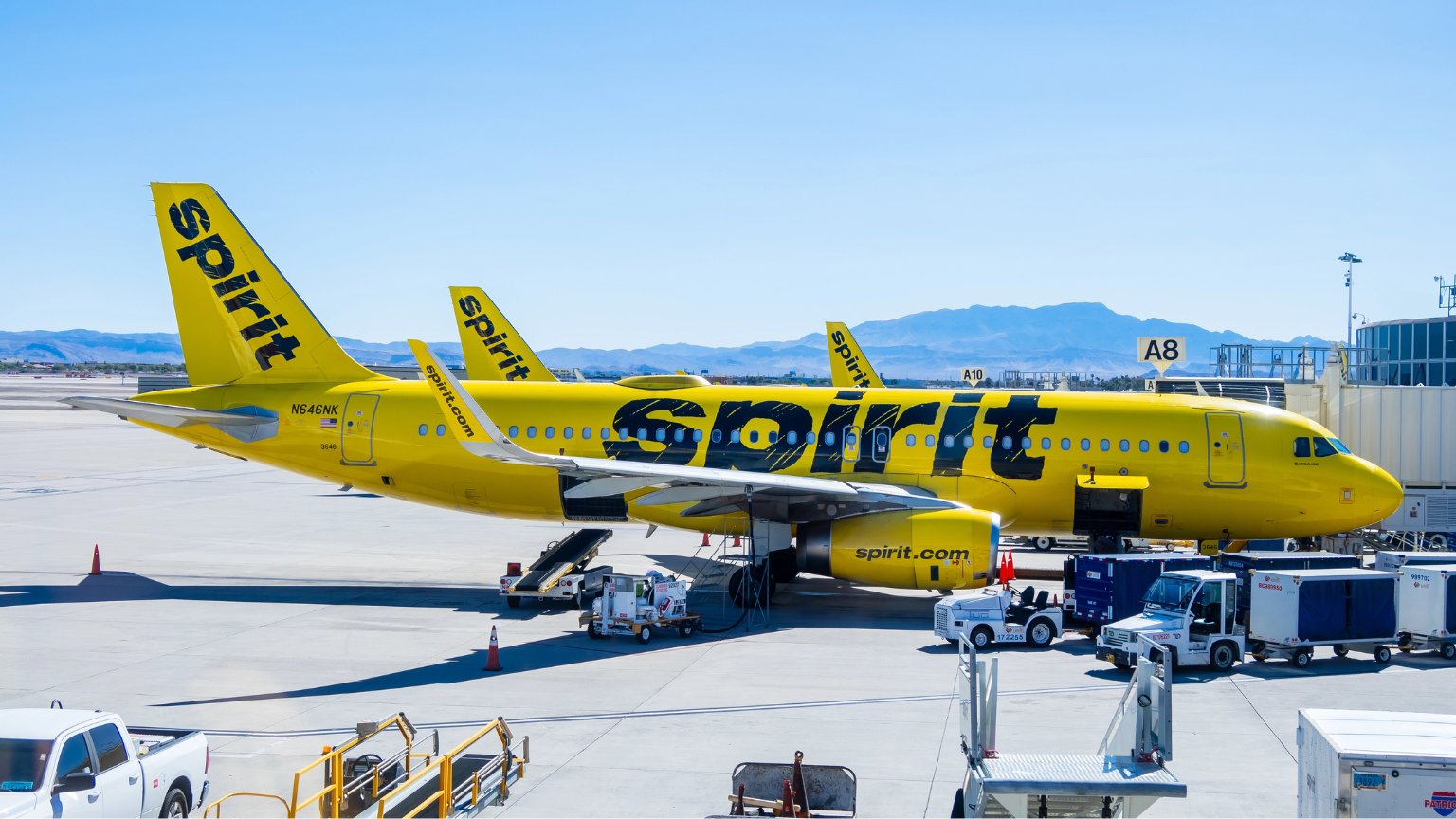

The airline industry is under real pressure this year, and a string of headlines shows why. Spirit Airlines has warned investors that it may not be able to continue operating over the next twelve months. Silver Airways has already stopped flying. SKS in Malaysia has gone quiet as well. Azul in Brazil is restructuring its debts to keep flying. Each case is different, but the themes are the same. Demand has shifted, costs are up, and cash is tight. Here is what travelers need to know.
Spirit’s Toughest Test Yet
Spirit emerged from bankruptcy earlier in 2025 hoping for a clean reset. The comeback has been harder than expected. Domestic leisure demand has been weaker than forecast and there are too many seats chasing too few passengers on some routes. That oversupply has pushed fares down and squeezed margins. In a recent filing, Spirit’s management said there is substantial doubt about the company’s ability to continue as a going concern over the next year unless it can improve results and preserve cash.
To buy time, Spirit is reshaping its network and focusing on flights that are actually making money. It is trimming low performing routes, shifting capacity toward stronger city pairs, and testing a modest upgrade in its onboard product. Premium leisure remains one of the few bright spots in the United States market, so Spirit is adding more upfront seats and extra legroom rows to capture travelers who will pay a little more for comfort. The airline is also looking at asset sales to build up its cash. That can include selling older aircraft, spare parts, or even airport gates if the price is right.
None of this is painless. Spirit has announced plans to furlough 270 pilots to reduce payroll expenses and align staffing with a smaller schedule. The company has said it will protect customers by continuing to operate its published flights, but it has been direct about the risk. If demand stays soft and costs stay high, the math gets difficult. Spirit’s warning is not a closure notice, yet it is a clear signal that the next twelve months will be critical.
Silver Airways and SKS Stop Flying
The stress is not limited to big names. Silver Airways ceased operations in June 2025 after a planned asset sale fell through. Silver connected Florida to the Bahamas and parts of the Caribbean with a small fleet. When it stopped flying, many passengers were told to seek refunds through their credit card providers, and several island communities lost a convenient link to the mainland. Regional connectivity is often fragile, and when a niche carrier exits the market, alternatives can be limited or more expensive.
In Southeast Asia, SKS also ceased operations this year. It was a small Malaysian airline that had served niche domestic routes. The shutdown did not make global headlines, but it mattered to local travelers who depended on those flights for short hops across the region.
Azul’s Heavy Debt and the Path to Recovery
Azul is still flying, but it is doing so under the protection of a court supervised restructuring. The Brazilian carrier entered bankruptcy protection in the United States this spring with more than two billion dollars in debt. It secured new financing of about one point six billion dollars and later raised another six hundred fifty million from investors. Azul is slowing fleet growth, cutting routes that do not cover their costs, and renegotiating terms with lessors and creditors to stabilize cash flow. Because Azul is a major player in Brazil, its recovery matters for both domestic and international travelers across South America.
Why Airlines Are Struggling
Several forces are hitting airlines at once. In the United States, capacity grew faster than demand in some leisure heavy markets, which forced fares down. At the same time, operating costs rose. Fuel, parts, and labor are all more expensive than a few years ago. For carriers with thin margins, the combination can be brutal. Smaller airlines feel shocks first. They have less flexibility to redeploy aircraft, and they have fewer levers to pull when a route turns unprofitable.
In other regions, macro pressures add more difficulty. Currency swings make dollar denominated costs painful. Sanctions and supply chain constraints complicate maintenance and parts sourcing. Several carriers in Russia, for example, are reportedly at risk because of access to parts and financing. When those inputs get tight, reliability and cash both suffer.
What Passengers Should Do Right Now
If a trip involves Spirit or any carrier that has been in the news for financial trouble, a few simple steps can add protection. Book with a credit card rather than a debit card so chargebacks are easier if flights cancel. Consider travel insurance that specifically includes airline insolvency and trip interruption. Keep every receipt for hotels, meals, and ground transport if a disruption forces an overnight. If a connection is tight, look for earlier feeder flights or nonstop options that reduce risk. Finally, monitor your reservation in the airline app. If a schedule change appears, move quickly to rebook while inventory is still available.
For travelers affected by Silver’s shutdown, the best path to a refund is usually through the card issuer. If a trip relied on Silver to reach an island or a smaller city, look at larger carriers that serve nearby airports and add a ferry or a short drive to complete the journey. It may not be perfect, but it can save the vacation.
What This Means for Airports and Destinations
When an airline cuts back or closes, the shock hits airports and tourism boards too. Passenger numbers drop. Concessions sell fewer meals. Hotels near the airport see fewer overnights. Destinations that relied on an ultra low cost carrier may see fewer weekend visitors and a dip in shoulder season traffic. The response often involves courting another airline to backfill lost seats, shifting marketing toward markets with reliable lift, and packaging deals that help keep demand steady through a transition.
The Outlook for 2025 and Beyond
Expect more pruning across the industry through the rest of the year. Airlines will trim weak routes, delay aircraft deliveries, and slow hiring. Some will explore partnerships or mergers to gain scale. Others will seek fresh equity or new loans to reinforce balance sheets. The ultra low cost model will not disappear, but the number of pure budget options may shrink if demand keeps favoring flexible schedules and nicer seats.
There is a silver lining. Premium leisure continues to hold up. Many travelers will pay a bit more for extra space or priority services on vacation. That trend gives airlines a way to raise revenue without relying only on higher base fares. Spirit’s cabin changes are an example of that shift. If the execution is careful, it can help bridge the gap while the rest of the network resets.
Bottom Line
Spirit’s warning, Silver’s shutdown, SKS’s exit, and Azul’s restructuring are not isolated stories. They are snapshots of a year when airlines are juggling weaker demand on some routes, higher costs, and strict cash rules. Most flights will still go as planned, and many trips will be uneventful. But travelers are right to plan with care. Book smart, protect your purchase, and keep an eye on the news around your carrier. In a tougher market, a little extra preparation goes a long way.
This article was written by Will and edited with AI assistance.