

Spain has a way of doing islands that feels almost unfair to the rest of Europe. You can have turquoise coves and long beach days in the Mediterranean, then swap to volcanic landscapes and warm winter sunshine in the Atlantic without ever leaving the country. In 2026, the sweet spot is picking an island that matches your travel style instead of chasing the most famous name. Some islands are made for slow mornings and hidden calas, while others shine with hikes, food, and little towns that feel effortlessly local. Below are Spain’s most beautiful islands, with what to do, where to base yourself, and the small details that make each one worth the flight.
Mallorca (Balearic Islands)

Mallorca is famous, but it still manages to feel surprising once you get beyond the main resort strips. Base yourself in Palma if you want a mix of beaches, food, and an easy home base with great day trips. For the postcard moments, head to the Serra de Tramuntana for scenic drives, stone villages like Valldemossa and Deià, and hikes with sea views. Cala hopping is practically a sport here, and early mornings are when the coves feel calm and almost private. If you love food, plan for long lunches, local bakeries, and seafood forward menus even if you keep it simple. Mallorca is also one of the easiest islands to do without stress, because roads are good, rentals are plentiful, and you can build a trip that is part beach and part adventure.
Menorca (Balearic Islands)

Menorca is Mallorca’s quieter sibling, and that is exactly the point. The beaches are ridiculous in the best way, with pale sand and clear water that looks edited in photos. Ciutadella is the prettiest place to base yourself if you want charming streets, sunset dinners by the harbor, and a more romantic vibe. Mahón feels more local and practical, especially if you like markets, everyday cafes, and ferry connections. The coastal path, Camí de Cavalls, is a huge highlight, whether you tackle a full hike or just pick a scenic section. Menorca’s magic is how unforced it feels, so keep your itinerary light and let beach days stretch out.
Ibiza (Balearic Islands)

Ibiza is so much more than nightlife, and 2026 is the perfect year to lean into its softer side. Stay in smaller areas like Santa Gertrudis or the north if you want calm mornings, farm to table dining, and a quieter pace. For beaches, mix famous spots with little coves where you can swim, snorkel, and actually hear the waves. Dalt Vila, the old town in Ibiza Town, is a must for history, views, and a sunset walk that feels timeless. If you do want a party night, you can still do it, but the island is at its best when you balance it with slow days and good meals. Ibiza is also a great island for couples or friend trips because you can dial the energy up or down whenever you feel like it.
Formentera (Balearic Islands)

Formentera is the island you visit when you want that Caribbean colored water without flying across the world. It is smaller, flatter, and built for relaxed days that revolve around beaches, bikes, and long lunches. Ses Illetes is the headline beach, but the real win is exploring beyond it, especially outside the busiest hours. Renting a scooter or e bike makes everything easy, and it turns simple errands into mini scenic rides. Plan a sunset at Cap de Barbaria for dramatic views, then end the night somewhere casual with good wine and a sea breeze. If you can swing it, visit in late spring or early fall when the island still feels lively but less crowded.
Cabrera (Balearic Islands)

Cabrera is a different kind of beautiful, the kind that feels protected and wild. It is a small national park island south of Mallorca, and you typically visit on a day trip by boat. The coastline is rugged, the water is clear, and the vibe is more nature documentary than beach club. The Blue Cave is the moment everyone remembers, especially when the light hits just right and the water glows. Bring water, sun protection, and a swimsuit, because the day is about swimming stops and simple hikes, not shopping or nightlife. If you want a break from busy beach towns, Cabrera is a refreshing reset.
Tenerife (Canary Islands)

Tenerife is the best all arounder in Spain’s island lineup, especially if you want variety in one trip. You can go from black sand beaches to pine forests to Mount Teide’s volcanic landscapes in a single day. The north has a more local feel and greener scenery, while the south is sunnier and easier for classic beach time. Add in charming towns, excellent dining, and scenic viewpoints, and you have an island that never feels one note. A rental car is worth it here, because the best moments are the quick detours to viewpoints, coastal stops, and little cafes. Tenerife is also a smart 2026 pick if you want warmth outside peak summer, since it stays comfortable for much of the year.
Lanzarote (Canary Islands)

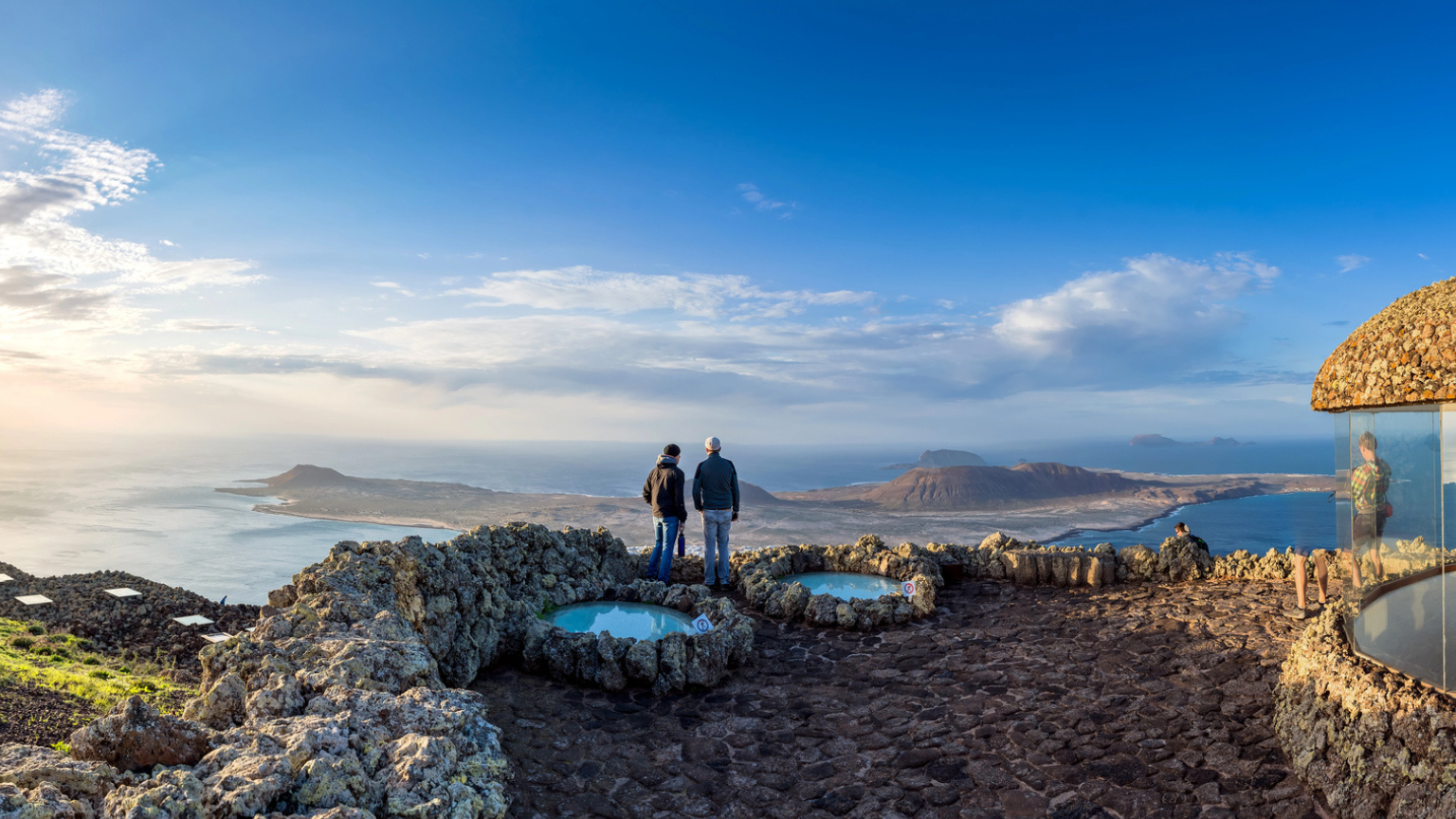
Lanzarote looks like another planet, and somehow it is also relaxing. The volcanic scenery is the main character, from lava fields to dramatic coastal cliffs and natural pools. Base yourself near the center or along the coast depending on whether you want easy beach access or quick drives to viewpoints. The island is also known for a design forward feel that blends architecture with nature, which makes even casual exploring feel curated. You can spend one day doing beaches and another doing scenic drives and wine country, and both feel completely different. Lanzarote is ideal if you love landscapes, photography, and a trip that feels visually unforgettable.
Fuerteventura (Canary Islands)

Fuerteventura is for beach lovers who want space, wind, and endless horizons. The island is famous for long sandy stretches that feel open and uncrowded, especially once you get away from the main resort zones. Corralejo is a popular base with easy access to dunes and beaches, plus plenty of casual places to eat. If you like water sports, this is one of the best spots in Spain for surfing, kiteboarding, and generally living in a swimsuit. Even if you do not do sports, the beach time here hits differently because it feels quieter and more expansive. Pack layers for evenings, because the breeze is part of the island’s personality.
La Palma (Canary Islands)

La Palma is lush, dramatic, and perfect for travelers who want hiking and nature instead of resort life. The scenery is all steep valleys, forest trails, and viewpoints that make you stop mid sentence. It is also one of Spain’s best islands for stargazing, so plan at least one night where you stay out late and look up. Santa Cruz de La Palma is a charming base with colorful architecture and an easy rhythm for everyday wandering. If you enjoy road trips, the drives here are an experience on their own, with switchbacks, sudden ocean views, and tiny villages that feel untouched. La Palma is the island you choose when you want beauty that feels wild and real.
La Graciosa (Canary Islands)

La Graciosa is small, sandy, and wonderfully simple, which is exactly why it stands out. It sits just off Lanzarote, and it feels like a quiet add on that most travelers never think to do. The roads are mostly unpaved, so the pace naturally slows down, and getting around becomes part of the fun. Think beach walks, calm swims, and bike rides where you stop whenever you see a view you like. The main settlement is tiny and charming, with casual places to eat and a relaxed, end of the world feel. If your 2026 travel goal is genuine calm, La Graciosa delivers it in the easiest way.
This article was written by Hunter and edited with AI Assistance