

A Quick Overview
Traveling to Europe is about to feel different. Starting in late 2025 and throughout 2026, new digital border checks, higher visitor taxes, cruise restrictions, and rising airport fees will change how trips are planned and paid for. The EU’s Entry/Exit System launches in October 2025 and will phase in biometric checks through spring 2026. By late 2026, most visa-exempt travelers will also need to apply online for ETIAS authorization, with a proposed fee increase to €20. At the same time, popular destinations are tightening rules to manage overtourism and climate pressures, from limits on cruise ships to day-trip charges and higher hotel taxes. None of this means you should skip Europe. It does mean you should budget carefully, arrive early at borders, and keep an eye on the rules right up to departure.
1) Digital Border Controls: EES and ETIAS
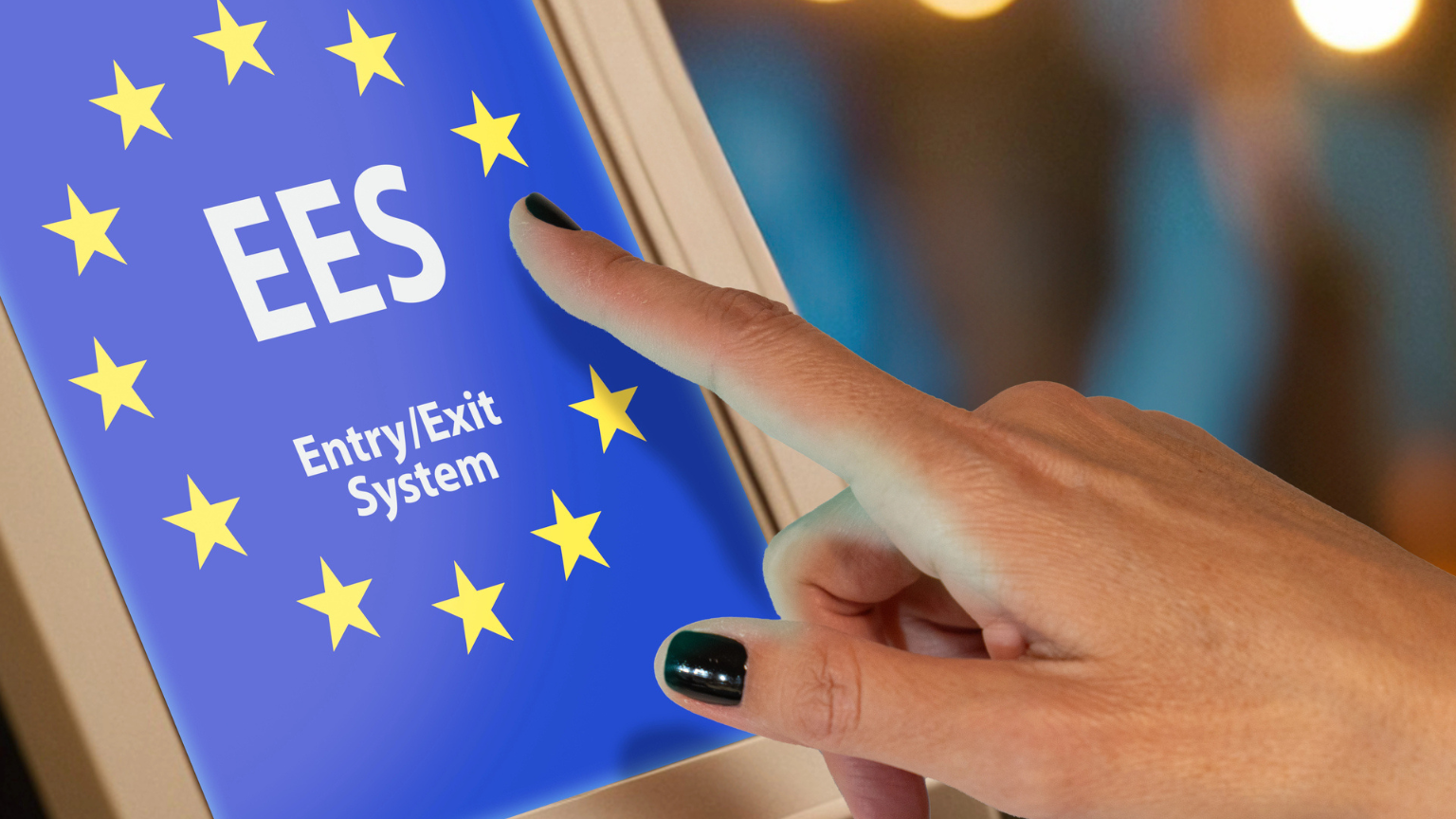
What the Entry/Exit System (EES) Changes
Beginning October 12, 2025, the EU will replace manual passport stamping with an electronic register that logs each non-EU traveler’s entry and exit in the Schengen Area. At airports and many land borders, you will scan your passport, face, and fingerprints at automated kiosks. The rollout continues into April 2026, so the first months may bring longer queues while travelers and staff adjust. Expect the biggest learning curve at busy hubs and land crossings. Build in extra time and have documents ready before you reach the kiosk.
ETIAS: Pre-Travel Authorization Arriving Late 2026
By the last quarter of 2026, visa-exempt visitors from countries like the United States, the United Kingdom, Canada, Australia, and Japan will apply online for ETIAS before boarding flights, ferries, or buses bound for most of Europe. ETIAS is not a visa; it is a security pre-screen that checks your details against international databases. Most approvals should arrive within minutes, though flagged applications can take longer. A fee increase from €7 to €20 has been proposed, with exemptions for travelers under 18 and over 70. Plan ahead, apply early, and budget for the cost if you travel as a family.
What This Means in Practice
The EES adds time at the border; ETIAS adds a step before you travel. Together they make arrivals more secure and predictable, but they also require better planning. If you are connecting to a tight train or regional flight after landing, choose longer connection times in late 2025 and early 2026. Keep your passport valid for at least six months beyond your trip and double-check name, number, and expiration date when you submit the ETIAS form.
2) Overtourism and Cruise Restrictions
Why Cities Are Tightening Access
Post-pandemic demand surged faster than many destinations could absorb. Heat waves, crowding, and strain on local services pushed city councils to act. The response includes daily caps, timed entries, and new fees designed to spread demand and fund infrastructure. You will see more reservations for sights, more timed windows, and more days when numbers are strictly limited.
Mediterranean Cruise Hubs Are Changing the Rules
- Barcelona plans to reduce available berths at its main cruise terminal beginning in 2026, lowering the number of ships that can dock on the busiest days.
- Cannes will allow only one megaship per day from January 1, 2026, cap total cruise visitors daily, and favor smaller vessels. Nice is restricting large cruise calls as similar measures take full effect.
- Venice continues to limit ship access and is expanding a day-trip fee on peak dates, with exemptions for residents, overnight guests, students, and children. If you visit on a charged day, booking in advance lowers the price.
New Cruise Passenger Fees
Several countries are introducing special charges to fund local services and protect fragile places.
- Iceland levies a per-person fee each time a ship calls at a port, which adds up across multi-stop itineraries.
- Greece charges higher amounts at pressure points like Santorini and Mykonos and lower fees at other islands.
- Norway is enabling municipalities to add a small percentage-based contribution on overnight stays and cruise passengers starting summer 2026 to pay for trails, toilets, and signage.
3) Tourist Taxes and Local Levies to Watch
Netherlands: Bigger Bills in 2026
Amsterdam already has one of Europe’s highest tourist taxes on overnight stays and a separate fee for day-cruise visitors. In 2026, the national VAT on accommodation is set to jump from a reduced rate to the standard rate, making hotel bills noticeably higher. The heritage village of Zaanse Schans plans to introduce a paid ticket to manage crowds and fund upkeep.
Edinburgh: First Citywide Visitor Levy in the UK
From July 24, 2026, Edinburgh will add a percentage charge on most overnight stays for the first five nights. Revenue will support local services and tourism management. If you are price-sensitive, compare bookings made well ahead of the start date with stays after the levy begins and weigh any savings against the flexibility you need.
Italy: City-by-City Charges and a Uniquely Italian Twist
Hotel taxes vary widely by city and by hotel category, usually with nightly caps and exemptions for kids and certain travelers. Expect separate rates for short-term rentals. Venice’s seasonal day-trip charge sits on top of its overnight tax. One outlier: Bolzano plans a small daily fee on visiting dogs starting in 2026 to fund dog-friendly spaces and cleanliness.
Germany and Elsewhere in Western Europe
Many German cities apply a city or “bed” tax on leisure stays, while the national VAT policy keeps hotel VAT at a reduced rate from 2026. Always check whether a city adds its own percentage or per-night charge to the room price, and confirm whether business travelers are exempt. Policies differ by municipality.
4) Flight Taxes and Air Duties
United Kingdom: Air Passenger Duty Rises in 2026
From April 2026, the UK will increase its departure tax. The changes are modest in economy on short-haul flights but more noticeable on long-haul premium cabins and private aviation. If you plan a big trip in business class, compare departures from UK airports with alternatives in nearby countries and factor the duty into your fare math.
Netherlands: Air Passenger Tax Nudges Higher
The per-passenger departure charge at Dutch airports increases again in January 2026. It is a small rise but adds to higher accommodation VAT and local tourist taxes, which can meaningfully change a week-long budget if you stay and fly in the Netherlands.
5) France’s Cultural Sites: Higher Prices for Non-EU Visitors
From January 2026, several marquee French attractions plan to raise admission fees for non-EU visitors, with notable sites like Versailles and the Opéra Garnier among them. Revenue is earmarked for restorations and operations. EU citizens, residents, and some visa holders will be exempt. If you are visiting on a tight budget, schedule free museum days where available, look for combined passes, and prioritize must-see landmarks to avoid stacking multiple premium admissions in a single day.
6) Scams and Safety: Staying Street-Smart in Busy Places
High demand and complex rules create openings for scammers. The most common risks are still the simplest: pickpocketing in crowded areas, fake petitions and “friendship bracelet” distractions, and dubious taxi or apartment listings posted at irresistible prices. Book through official channels, keep valuables zipped and close in transit zones, and be skeptical of anyone who approaches you with urgency or a too-good offer. For taxis, use licensed ranks or official apps. For rentals, avoid wire transfers and confirm addresses and photos across multiple sources before you pay.
7) Country-By-Country Highlights for 2026 Planning
- EU/Schengen: EES biometric checks from October 2025 through April 2026; ETIAS pre-travel authorization starts late 2026 with a proposed €20 fee.
- Spain (Catalonia/Barcelona): Tourist-tax increase postponed until at least April 2026; Barcelona to reduce cruise berths in 2026.
- France: Cruise caps in Cannes and limits in Nice advance in 2026; selected national cultural sites raise prices for non-EU visitors from January 2026.
- Italy: City taxes vary by destination; Venice day-trip fee expands on peak days; Bolzano adds a small daily fee for visiting dogs.
- Netherlands: VAT on accommodation rises to the standard rate January 2026; Amsterdam maintains one of Europe’s highest tourist-tax regimes; air passenger tax inches up.
- Norway: Municipal visitor contribution of about 3% begins summer 2026 for overnight stays and cruise passengers.
- UK: Edinburgh introduces a citywide visitor levy in July 2026; national Air Passenger Duty increases from April 2026.
- Iceland and Greece: New and higher cruise passenger fees increase the cost of popular island calls.
8) Practical Planning Tips for 2026 Trips
Budget for fees from the start. Add ETIAS, local tourist taxes, higher VAT where applicable, and air duties to your cost estimate. Families should multiply ETIAS costs across everyone traveling.
Pad your schedule at borders. In late 2025 and early 2026, allow extra time for EES kiosks. Avoid tight land crossings or tight onward trains on arrival day.
Reserve the essentials. Book timed entries for high-demand museums and landmarks, and secure day-trip passes where required. Venice discounts advance bookings on chargeable days.
Check city calendars. Many taxes apply only on certain days or seasons. Avoid weekends and holidays in the most crowded places if you can.
Choose flexible cancellation. With new fees and evolving rules, plans change. Favor refundable rates or free-change tickets when possible.
Use official channels. Book flights, hotels, and attraction tickets through recognized providers to cut scam risk. Verify details close to departure in case policies shift.
Travel light and secure. Slim down to one carry-on when you can. Use cross-body bags that zip shut, split payment cards across bags, and keep a digital backup of documents.
The Bottom Line
Europe is not closing its doors. It is setting clearer rules to protect communities and heritage while managing record demand. The changes in 2025 and 2026—biometric border checks, ETIAS, local visitor levies, cruise caps, and higher airport fees—ask travelers to plan a bit more and pay a bit more. If you give yourself extra time, budget for the new costs, and reserve the experiences that matter most, you can still enjoy everything you came for. The payoff is a trip that supports the places you love to visit and a smoother travel day from airport to old town.
Follow us on MSN for all your travel and lifestyle tips.
This article was written by Hunter and edited with AI Assistance